
Learn how testing and certification laboratories can connect systems, reduce manual admin and automate lead to engagement with one tailored operating platform the.
What’s Breaking Daily in Testing and Certification Laboratories
Testing and certification laboratories face constant operational pressures. Daily workflows — from sample intake to certificate delivery — often break down due to manual handoffs, fragmented systems, and data silos. Operators juggle multiple standalone software packages, constantly updating spreadsheets and chasing down documentation. Critical tests get delayed, approvals lag, and errors in data transcription creap in unnoticed. Compliance demands are rising, yet labs struggle to maintain traceable audit trails without investing heavily in software subscriptions that add complexity rather than simplify workflows.
This fragmentation stalls turnaround times, stretches staff resources, and clouds project visibility. Without a unified system built around how the laboratory actually works, these issues multiply. The opportunity is clear: testing and certification laboratories workflow automation must replace disconnected tools and manual admin with one connected, owned operating hub.

The Cost of Manual Work in Testing and Certification Laboratories
Manual processes may seem inexpensive at face value but generate hidden costs across testing labs:
- Wasted time: Staff spend hours on repetitive data entry, chasing approvals, and correcting errors.
- Increased errors: Manual transcription causes mistakes in sample labelling, test requests, and result reporting.
- Compliance risk: Incomplete or inconsistent records can compromise audit readiness.
- Cashflow delays: Slow report generation delays client payments and reduces cash conversion cycles.
- Overlapping software expenses: Paying for multiple SaaS packages fragments data, inflates subscription costs, and adds disconnects.
A better approach integrates existing useful systems, removes needless subscriptions, and centralises operational records for faster, more reliable workflows.
Connect Sample Intake and Test Scheduling into One Flow
Avoiding Lost Samples and Misbookings
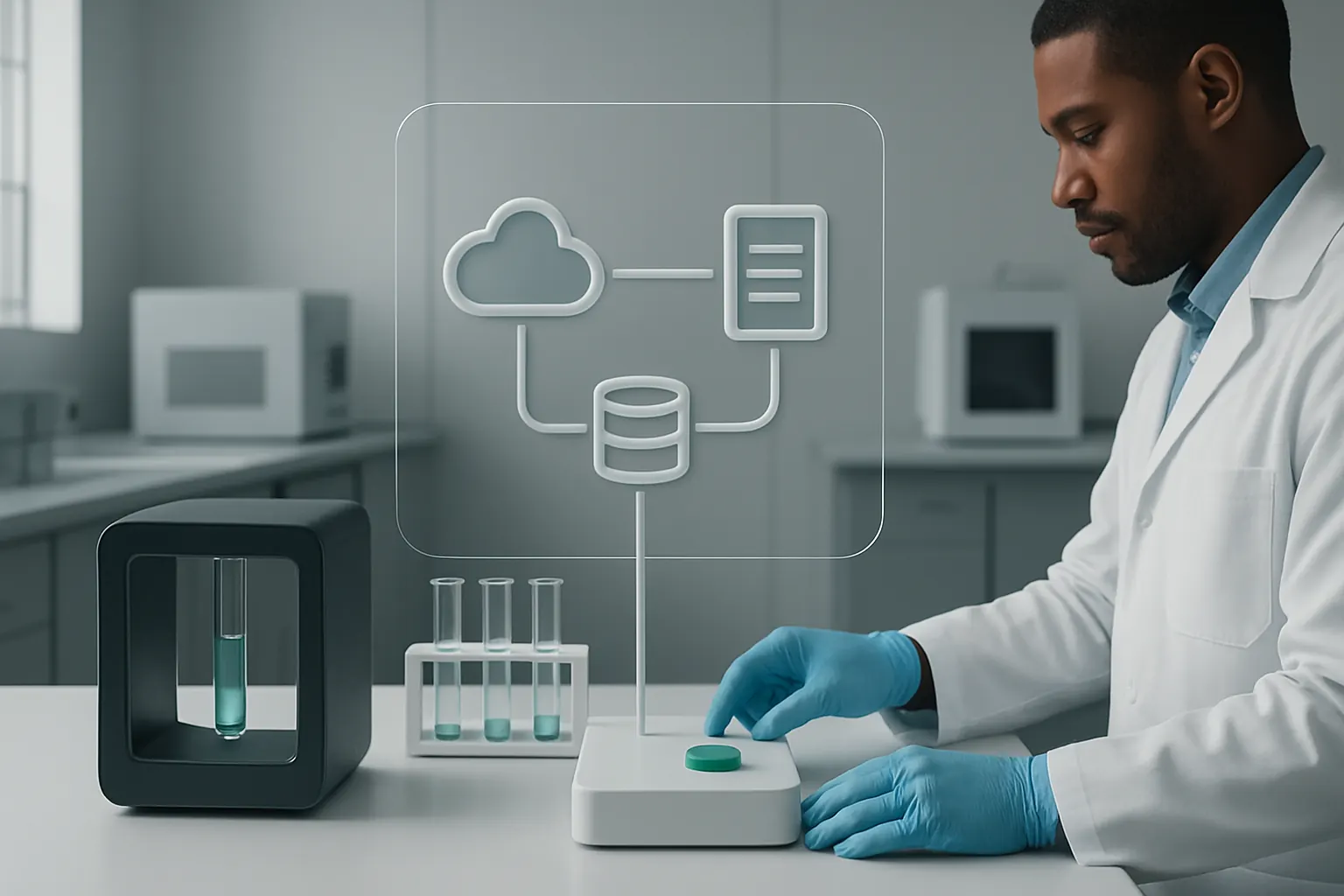
Sample intake coordination is the foundation. Many labs manually record samples in spreadsheets or isolated modules, increasing error risk. Integrating sample intake and scheduling into one owned system builds an accurate, single source of truth.
Seamless Workflow from Intake to Testing
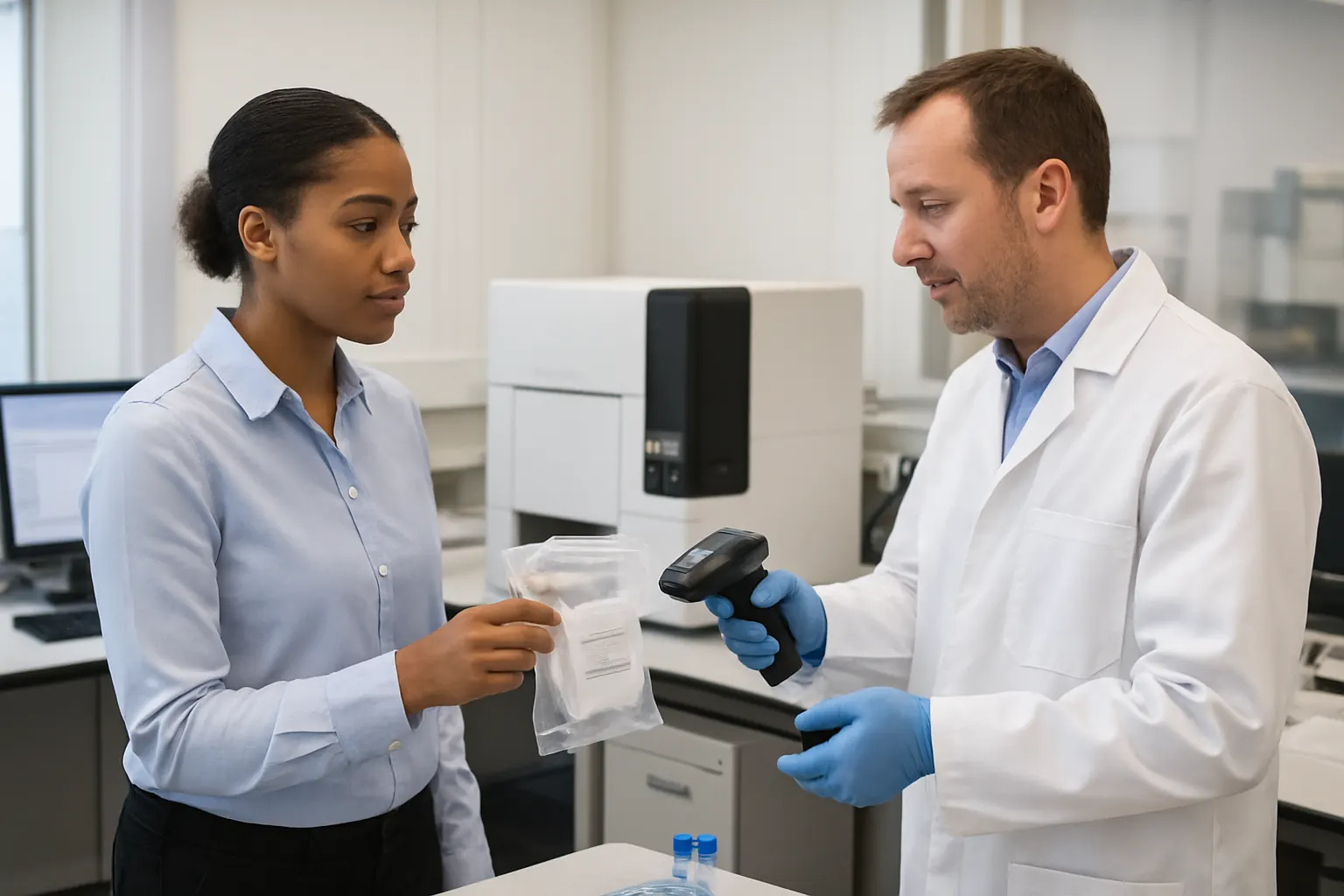
Centralising workflows connects barcode scanning, sample statuses, and scheduling clearances. Staff can immediately see testing queues and available resources, reducing double-bookings or missed tests.
Working with Existing Tools
Keep barcode scanners and lab instruments. The system extracts scanned sample data, cross-checks entries, and updates schedules automatically, ensuring data consistency.
Example: A materials testing lab automates barcode intake linked to a dynamic rota module, cuts sample mislabelling by 40% and reduces scheduling rework.
Controls and Audit Trails
All sample updates record time, user and action, supporting compliance audits and tracing back data changes with professional approval checkpoints.
Replace Multiple Software Subscriptions with Owned Operational Modules
Reducing Overhead by Reclaiming Control
Labs often pay for overlapping scheduling, document management and reporting SaaS packages that solve partial problems in isolation. Replacing these with modules built around specific lab workflows cuts costs and improves integration.
Unified Data in One Owned Workspace
Documents, test data and certificate templates co-exist in a purpose-built workspace the laboratory controls. This eliminates costly license renewals and reduces integration overhead caused by constantly syncing siloed systems.
Useful Integrations with Specialist Tools
Retain trusted external tools with specialist functions: use PayPal or Stripe integrated payment gateways for client billing; maintain Twilio for SMS alerts. These remain seamlessly integrated with your core testing and certification records.
Example: A food safety lab replaced three separate SaaS tools with a single owned system including secure document routing and client interface, saving £20,000 annually.
Controls to Safeguard Data Consistency
Permissions restrict staff access appropriately and changes trigger workflows requiring expert review before certificate issuance.
Centralise Operational Data and Reporting into Reliable Dashboards
Eliminating Data Silos and Reporting Delays
Without central records, management lacks timely insight into project status, utilisation rates or overdue tests. Manual reporting is error-prone and slow.
Tailored Dashboards for Real-Time Insights
Central dashboards collate operational data, highlighting bottlenecks and overdue actions. Users drill down into test status, sample tracking, and project financials without toggling between spreadsheets and PDFs.
Integrate with Existing Test Instruments
Data from instruments and laboratory equipment can flow into dashboards automatically, providing live test results and throughput metrics.
Example: An environmental lab introduced dashboards tracking lead-to-engagement metrics, reducing average turnaround time by 25%.
Controls and Permissions on Sensitive Data
Dashboards offer role-based views preventing unauthorised access to confidential client or test data, supporting regulatory privacy requirements.

Automate Lead to Engagement Workflows
Managing Inquiries to Service Initiations Smoothly
Potential clients generate leads through email, web forms and phone enquiries. Without automation, follow-up tasks, proposal drafting, and engagement paperwork get delayed or lost.
Workflow-Driven Proposal Generation and Approvals
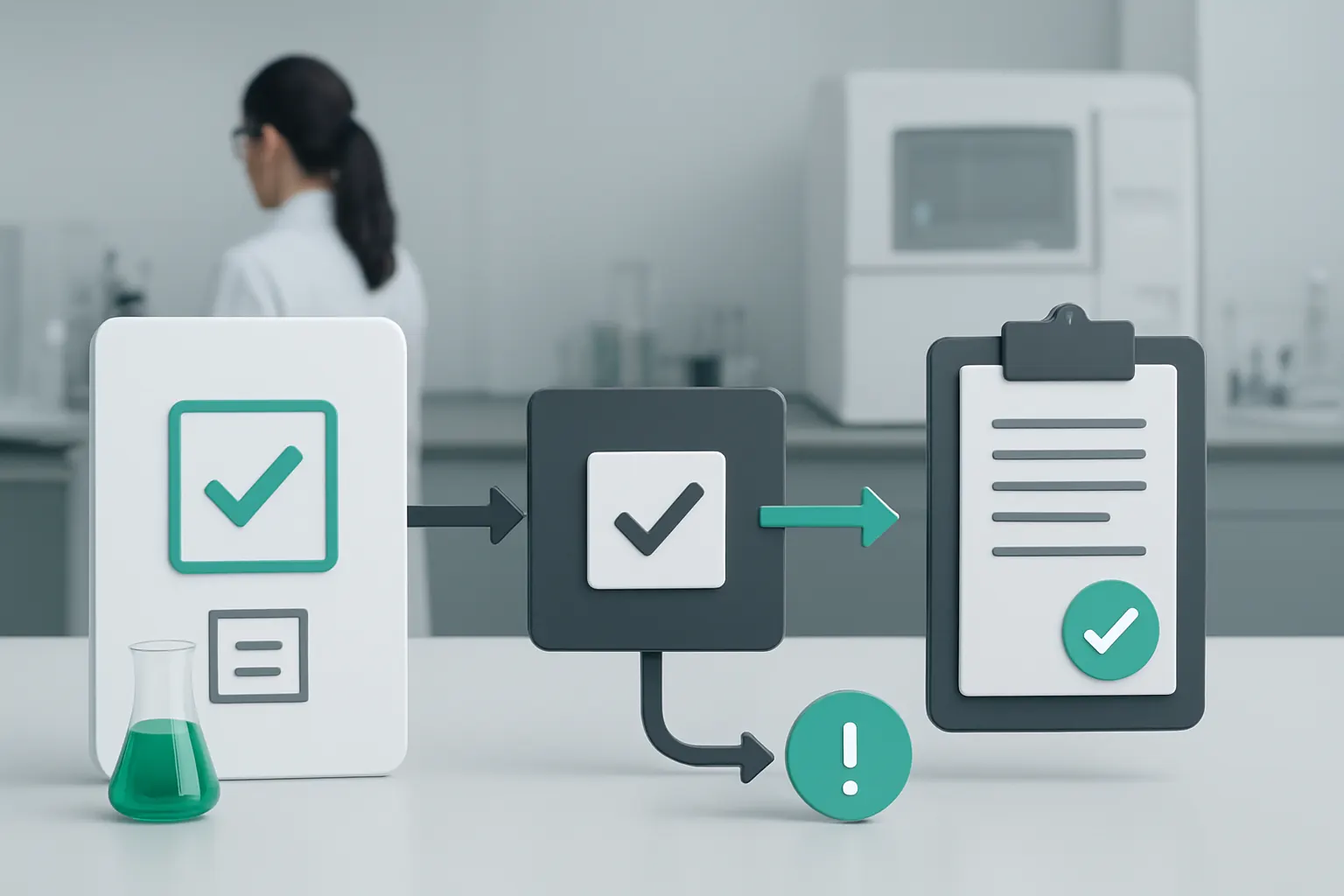
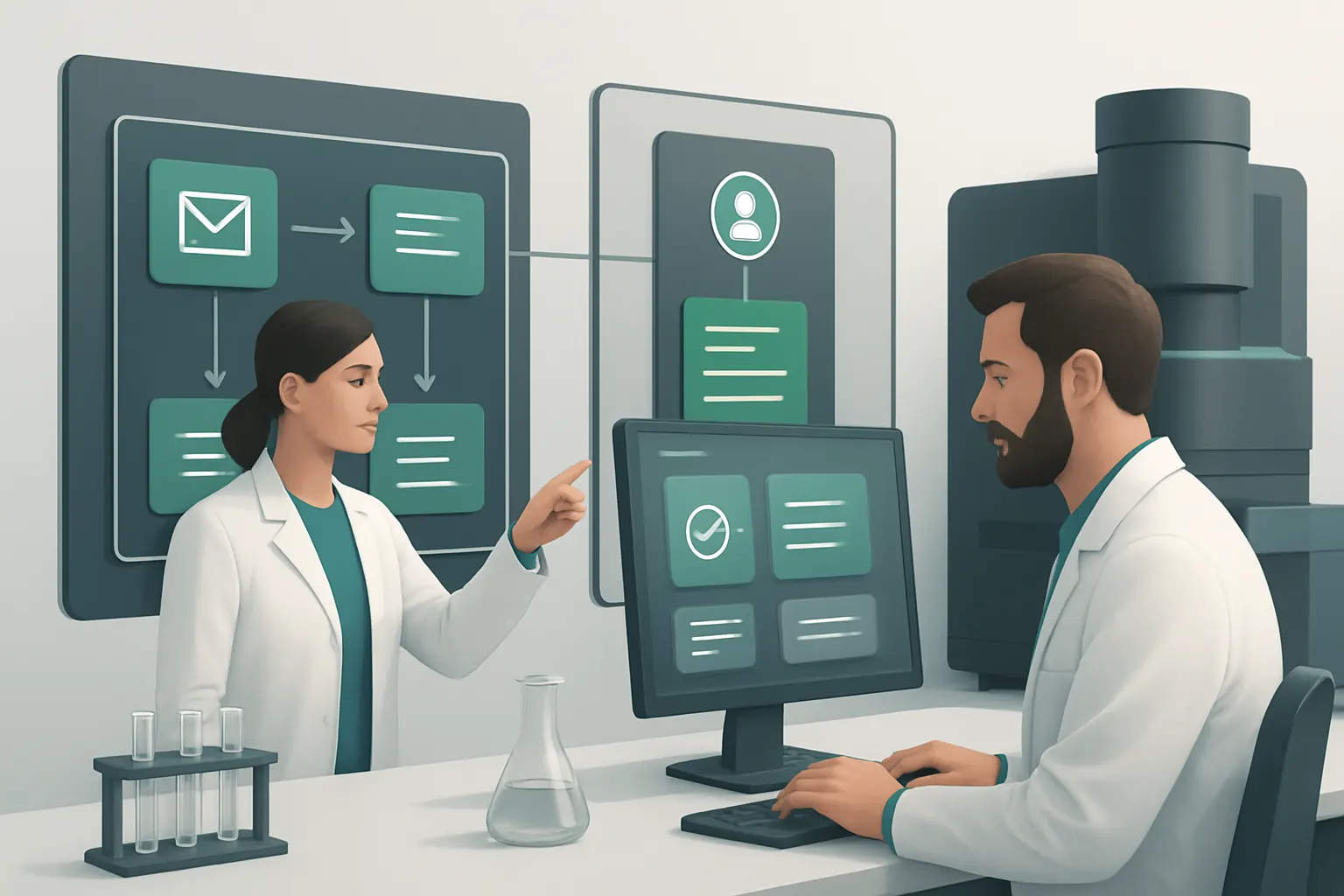
An automated workflow module triggers standard proposal documents tailored to enquiry details and routes them for necessary approvals. Clients receive prompt, consistent responses.
Integration with CRM and Email Systems
LabCRM or Microsoft Outlook email plug-ins can feed lead data into the owned workflow, ensuring no lead is missed and client communications remain contextual and logged.
Example: A textile testing service cut lead to engagement time from days to hours by automating document generation and client follow-ups.
Controls Retain Expert Oversight
Staff review and approve all proposals supporting compliance work with pricing policies and conflict of interest considerations.
Use AI Selectively for Classification and Prioritisation
Applying AI to Variable, Complex Tasks Only
Testing labs face variable tasks such as classifying test types or prioritising rush samples. AI can speed these decisions by summarising sample data, highlighting urgent cases, or categorising reports.
Combine AI Outputs with Deterministic Business Rules
Where decisions are predictable, rule-based workflows handle standard cases. AI enriches workflows with smart insights — but final decisions remain under qualified human approval, especially on critical or expert-dependent matters.
Integration with Existing Data Inputs
AI modules consume sample metadata and historic outcomes stored in the owned system, enhancing accuracy and context.
Example: A chemical testing lab automates sample triage using AI classification to prioritise high-risk materials, while human supervisors review exceptions.
Controls: Transparent AI Recommendations
Operators see AI confidence scores and can override or escalate decisions, maintaining accountability.
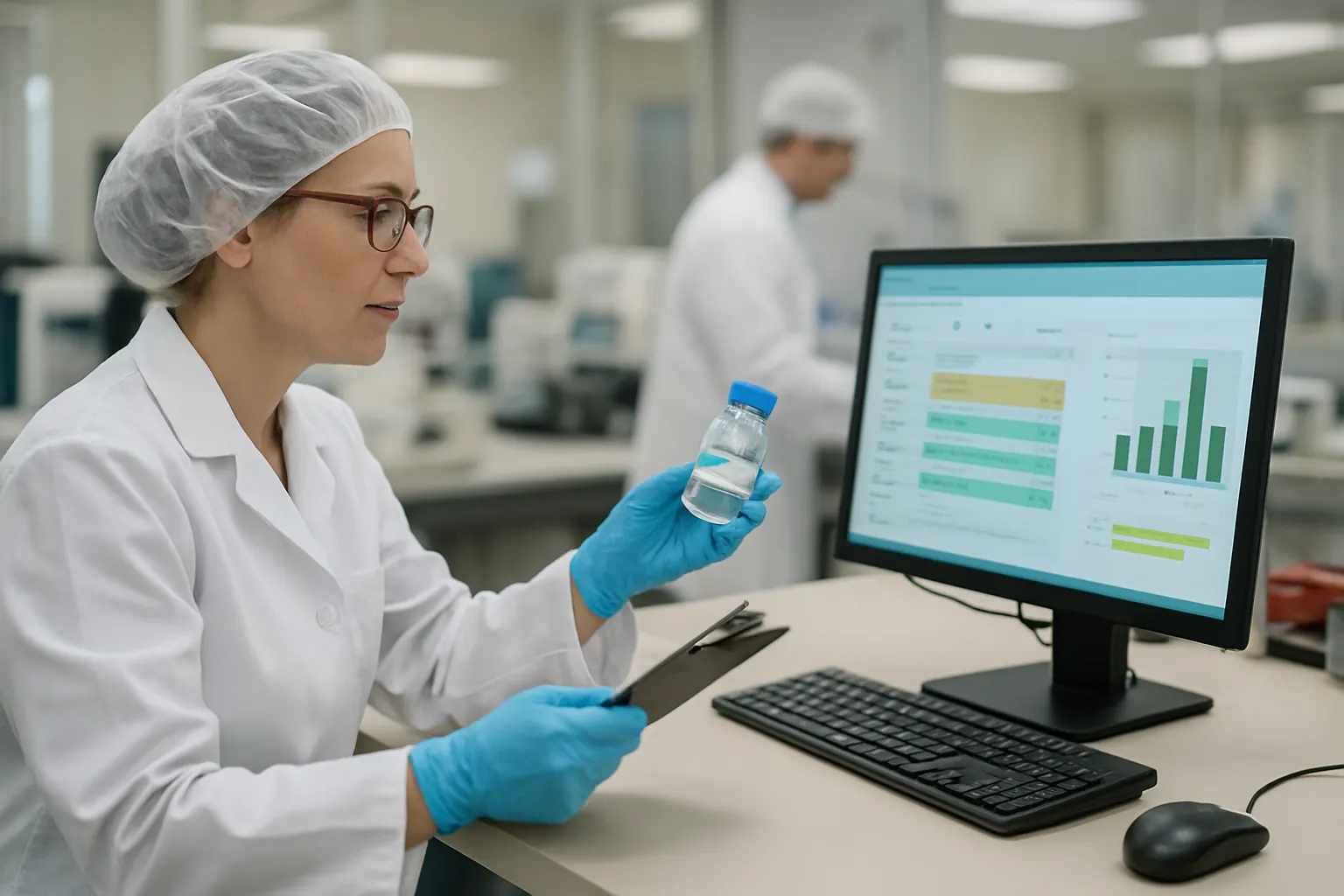
Automate Document Routing and Regulatory Submissions
Addressing Regulatory Deadlines and Version Control
Manual routing of test reports and certificates for internal review is time-consuming. Labs risk sending outdated versions or missing deadlines.
Workflow Modules Enforce Sequential Approvals
Owned systems route documents along configured chains, locking content after approvals. Notifications remind staff of pending reviews or submission windows.
Integrate with Specialist Submission Tools
Where regulatory agencies require electronic filing via designated portals, integration with secure APIs ensures data flows after review into required systems.
Example: A pharmaceutical testing lab automated document approvals and integrated with MHRA submission tools, reducing administrative overhead by half.
Controls for Audit and Compliance
Complete logs track every document version, reviewer comments, and sign-off timestamps, supporting evidential requirements.
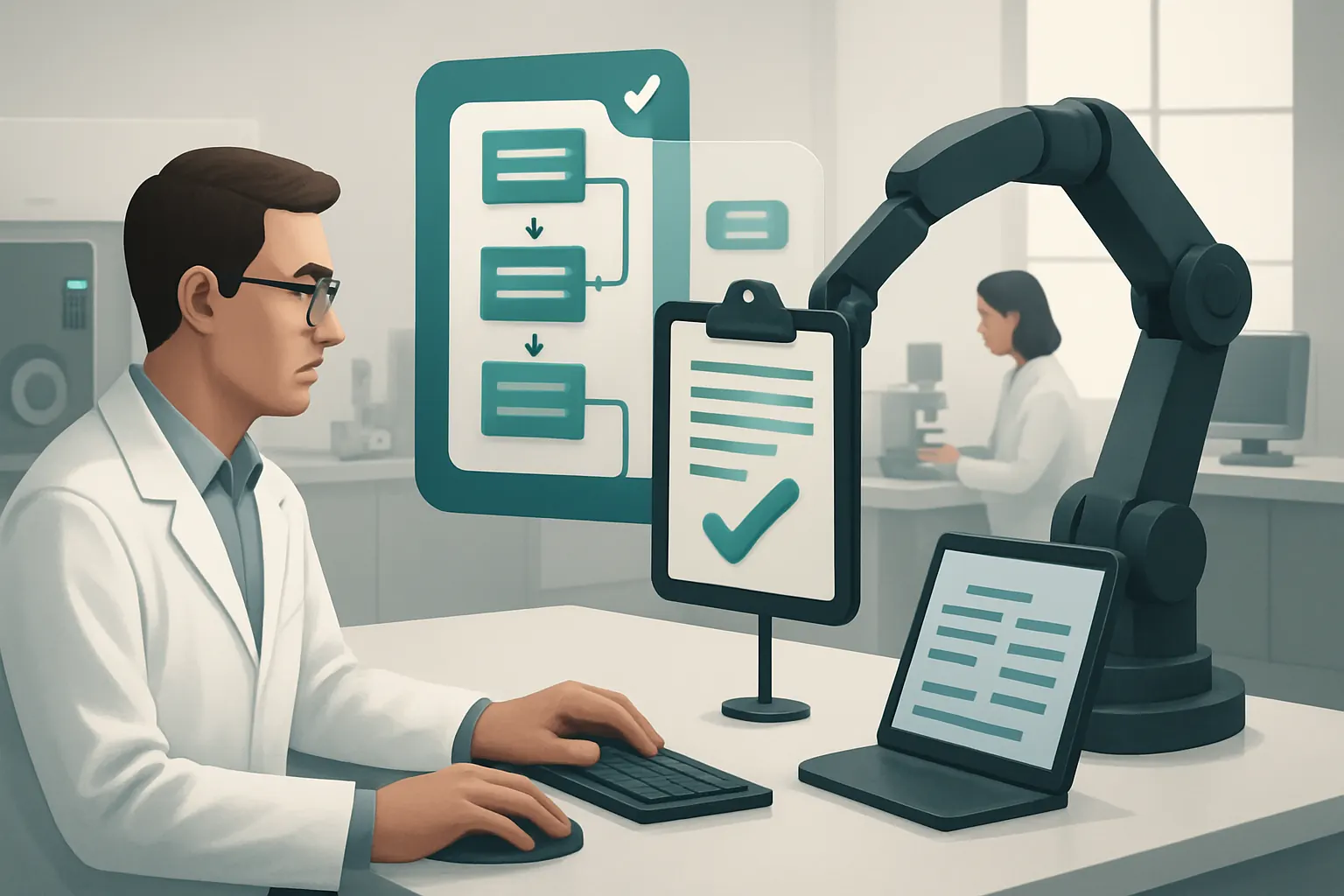
Schedule Staff and Equipment Utilisation Proactively
Balancing Resource Availability and Demand
Scheduling staff, testing machines, and lab space without automation invites conflicts and underutilisation.
Owned Rota and Booking Systems Sync with Workflows
Centralising shift schedules with equipment bookings aligns available resources with incoming projects and sample processing priorities.
Integrating with Existing Time and Attendance Systems
Payroll or attendance data may feed into rota modules, ensuring accurate record-keeping and labour cost tracking.
Example: A construction material lab reduced downtime by optimising technician shifts and test machine allocations through a connected scheduling tool.
Controls Maintain Role and Safety Compliance
Access control ensures only authorised qualified staff operate specified equipment, and rest breaks comply with labour regulations.

Monitor Project Progress and Time Approvals in One Workspace
Eliminating Delay from Disconnected Project Tracking
Manual tracking of project milestones, test phases and time approvals using spreadsheets causes visibility gaps.
A Dynamic Workspace for Real-Time Status Updates
Staff log task progress and request time adjustments within a shared workspace. Managers approve or adjust timesheets promptly.
Integrate with Billing and Payroll Systems
Project time can automatically feed into invoicing and salary calculations, enhancing financial accuracy.
Example: An electrical calibration lab enhanced profit margins by reducing billable hours leakage from unapproved overtime claims.
Controls for Data Integrity and Authorisation
Time entries require verification by designated supervisors, with audit trails retaining change history.

Enable Client Self-Service for Certificate Access and Notifications
Reducing Support Workload by Empowering Clients
Labs receive frequent certificate and report requests. Manual handling adds overhead and delay.
Secure Client Portals with Automated Notifications
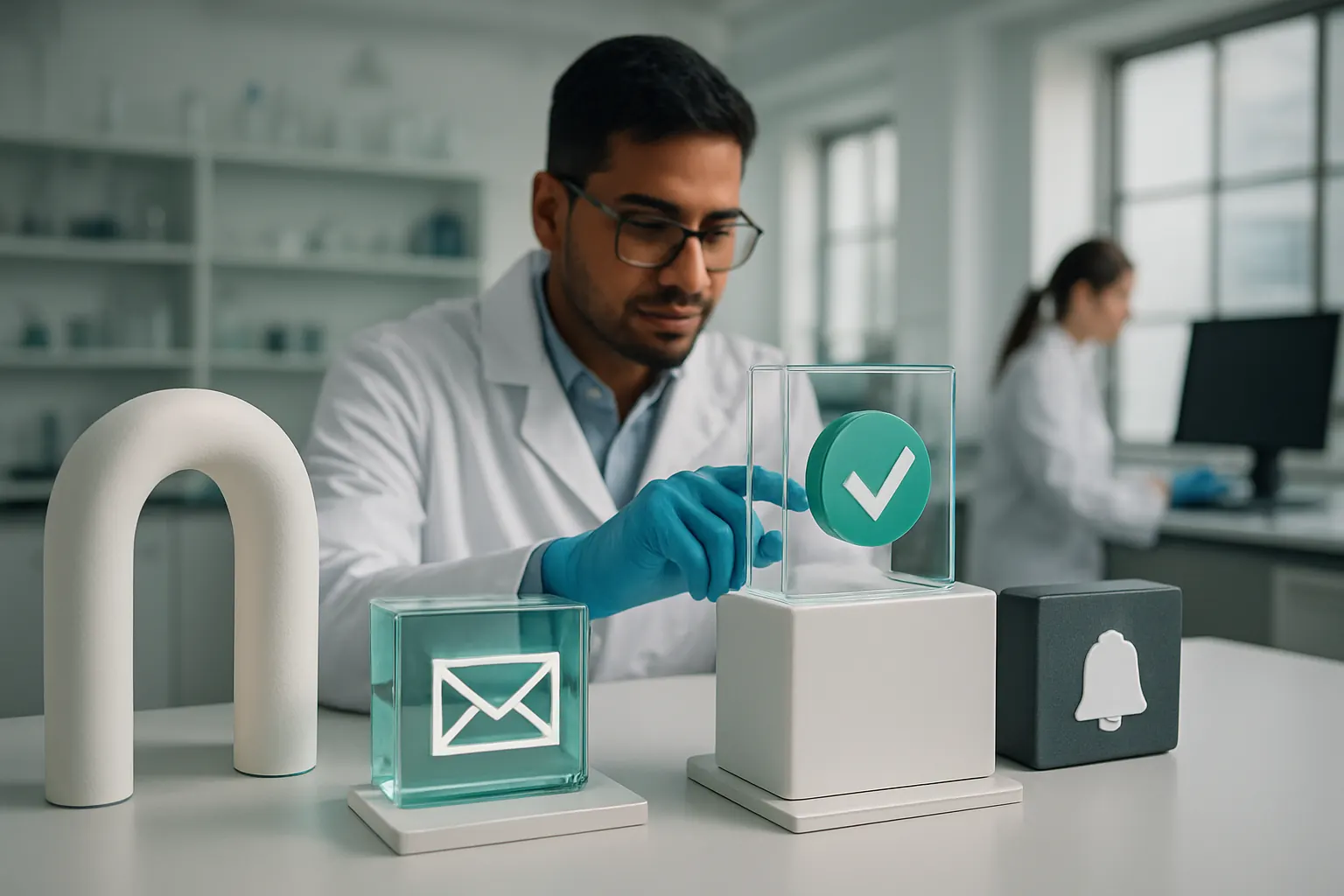
Clients access their testing certificates via a secure portal linked to the owned system, receiving alerts when new results are ready.
Seamless Integration with Communication Tools
Automate emails or SMS notifications using proven vendors like Twilio, keeping clients informed without manual effort.
Example: An environmental testing company cut administrative ticket volume by 60% after launching a client portal.
Controls Protect Data Privacy
Client accounts enforce strict authentication and role-based access, aligned with ICO guidance on personal data security.
Continuous Improvement through Operational Analytics
Using Data to Identify Bottlenecks and Opportunities
Without ongoing analysis, labs repeat the same process inefficiencies.
Built-In Analytics Modules Track Key Performance Indicators
Test turnaround, staff utilisation, error rates, and compliance events are monitored continuously.
Feed Insights Into Workflow Optimisations
Adjust scheduling, resource allocation or approval levels dynamically based on evidence, driving efficiency gains.
Example: A calibration lab reduced test cycle time by 15% after deploying monthly operational analytics reports.
Controls to Safeguard Data Usage
Ensure data analytics respects confidentiality constraints and is used within approved governance frameworks.

90-Day Rollout Plan for Testing and Certification Laboratories Workflow Automation
Weeks 1–2: Discovery and Baseline Assessment
- Map current workflows, identify fragmentation and pain points.
- Inventory existing software and hardware for integration opportunities.
- Define key user roles, compliance requirements and priority processes.
Weeks 3–6: Prototype Core Connected Workflows
- Build sample intake and scheduling connected modules.
- Migrate essential data into one owned system.
- Pilot dashboard and reporting tools for operational visibility.
- Integrate trusted specialist external services for payments and notifications.
Weeks 7–12: Expand Automation and Rollout User Training
- Add lead to engagement workflows and document routing.
- Introduce AI-assisted classification selectively.
- Deploy client self-service portals.
- Train staff and specialists on new workflows, controls, and approval chains.
- Analyse early feedback and adjust before full deployment.
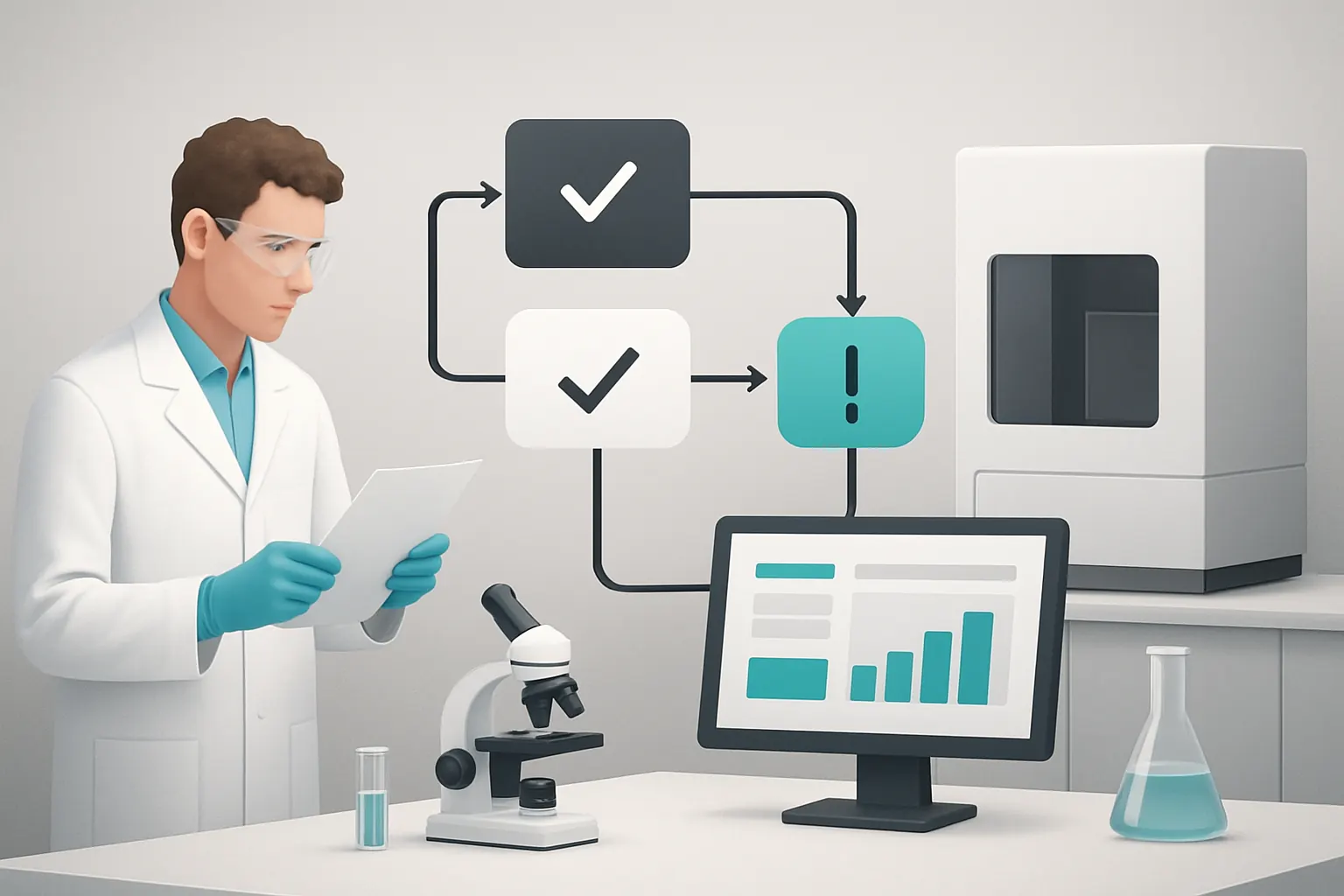
How AI Implementation UK Connects, Replaces and Automates Laboratory Operations
AI Implementation UK designs and delivers one connected operating system tailored around how your testing or certification laboratory works. We work collaboratively to map existing tools that add value and connect these securely within your owned system.
Our approach controls costs by replacing redundant SaaS subscriptions with owned, modular systems built for sample workflows, project delivery, testing schedules and certificate management. We integrate AI selectively, applying machine learning where it adds agility while ensuring key decisions retain human expert oversight.
By centralising operational data in real-time dashboards and automating lead to engagement processes, approvals, and document workflows, we reduce manual errors and accelerate turnaround, improving cashflow and compliance controls.
Our platform’s integration of specialist external services like payment gateways and communications ensures seamless client interactions without fragmenting your control over core operations. Permissions and audit controls safeguard sensitive data and regulatory compliance obligations.
Through our proven 90-day rollout framework, we deliver measurable uplift with minimal disruption, empowering your laboratory with a unified, transparent, efficient and extensible operating backbone.
For more on our tailored lab workflow automation solutions and planning your platform, visit our process automation and RPA services. Discover how we consolidate data infrastructure with data preparation services for smarter automation and compliance.
By embracing connected workflow automation grounded in your actual operational practices, testing and certification laboratories in the UK can unlock consistent quality, faster testing cycles, and a controllable, scalable digital future.
To turn these priorities into one coherent system, map the platform your business needs or explore our workflow automation approach.