
Learn how serviced office and coworking operators can connect systems, reduce manual admin and automate enquiry to tenancy or instruction with one tailored.
Serviced-office and coworking operators space enquiries automation software: What Breaks Daily
Serviced-office and coworking operators space enquiries automation software should connect bookings, people, communications and reporting in one reliable operating flow.
Serviced-office and coworking operators face constant pressure managing space enquiries, onboarding members, and balancing bookings with available resources. Each day, staff grapple with juggling enquiry responses, updating occupancy records, coordinating room availability, and navigating complex pricing models. Data is often scattered across multiple software subscriptions, from CRM tools to invoicing platforms, leaving operators without a clear, unified overview of real-time space utilisation or pipeline health.
This fragmentation not only slows response times but also hampers decision-making. Operators see manual admin piling up, delays in answering potential tenants, and invoicing errors. Meanwhile, tenant expectations for seamless, fast communication and booking flexibility grow steadily. Without connected systems tailored to their specific workflows, operators risk losing leads, increasing operational costs, and missing out on growth opportunities.

The Cost of Manual Work: Time, Errors, Compliance, Cashflow
Manual work around space enquiries and tenancy management consumes valuable time that could otherwise be spent on strategic activities. Staff frequently repeat data entry across disconnected systems, increasing the likelihood of errors in contracts, billing, and availability records. These inaccuracies impact tenant experience and can lead to compliance challenges with data protection or safety certificate tracking.
The lack of automated processes delays invoicing and payment collection, affecting cashflow. Unchecked, these delays cascade into financial risk and wasted opportunities for upselling or renewals. Compliance with tenant privacy regulations, health and safety certificates, and financial permissions demands robust, auditable workflows—not spreadsheets or email chains.
Serviced-office and coworking operators require a connected, owned system that tailors workflow automation to their way of working. This reduces manual input, harmonises data into one reliable record, and offers dashboards customised for operational clarity and control.

Capturing Enquiries Seamlessly with Connected CRM Touchpoints
Addressing scattered enquiry capture workflows
Enquiries arrive via phone, email, web forms, and third-party marketplaces. Operator teams struggle gathering these leads into one actionable view, often resorting to duplicated manual entries in various CRM or spreadsheet tools. This fragmentation slows response times and risks losing potential tenants.
Linking enquiry intake to existing tools and workflows
Automation starts by connecting enquiry sources directly to an owned enquiries record. Web forms map into the system automatically, while integrations sync data from communication apps or lead platforms. Operators maintain their preferred CRM but eliminate redundant subscriptions for enquiry handling. This creates a single source of truth, reducing entry errors.
Example of new enquiry to pipeline integration in practice
An enquiry submitted via the operator’s website immediately appears in the enquiries dashboard, triggering an automated prioritisation workflow based on space availability and client profile. Staff receive prompts to follow up within set KPIs.
Controls for data privacy and accuracy
All customer data undergoes validation and secure storage, respecting ICO guidelines for tenant privacy. Operators define approval steps before data enters credit checks or contract preparation.

Automating Space Availability Checks with Real-time Inventory Sync
Difficulty matching user requests to current availability
Manual inventory checks are time-consuming, involving cross-referencing booking calendars and room occupancy sheets. Errors in availability communicated to prospects disappoint or confuse customers.
Using schedule modules to tie enquiries to live bookings
Linking enquiry handling directly with real-time workspace availability transforms response quality. The system overlays bookings, maintenance blocks, and reserved desks instantly, guiding automated responses on the next available options.
Practical example of integrated booking confirmation workflow
When a client requests a hot desk for a week, the system automatically confirms availability against live rotas and sends a customised offer. This locks the slot, preventing double-booking.
Operations control via configurable business rules
Rules manage overbookings, automatic hold periods for tentative enquiries, and trigger alerts for manual intervention. This balance of automation and human oversight preserves service quality.
Smart Document Generation to Replace Subscription Tools
Inefficiencies in contract and proposal creation
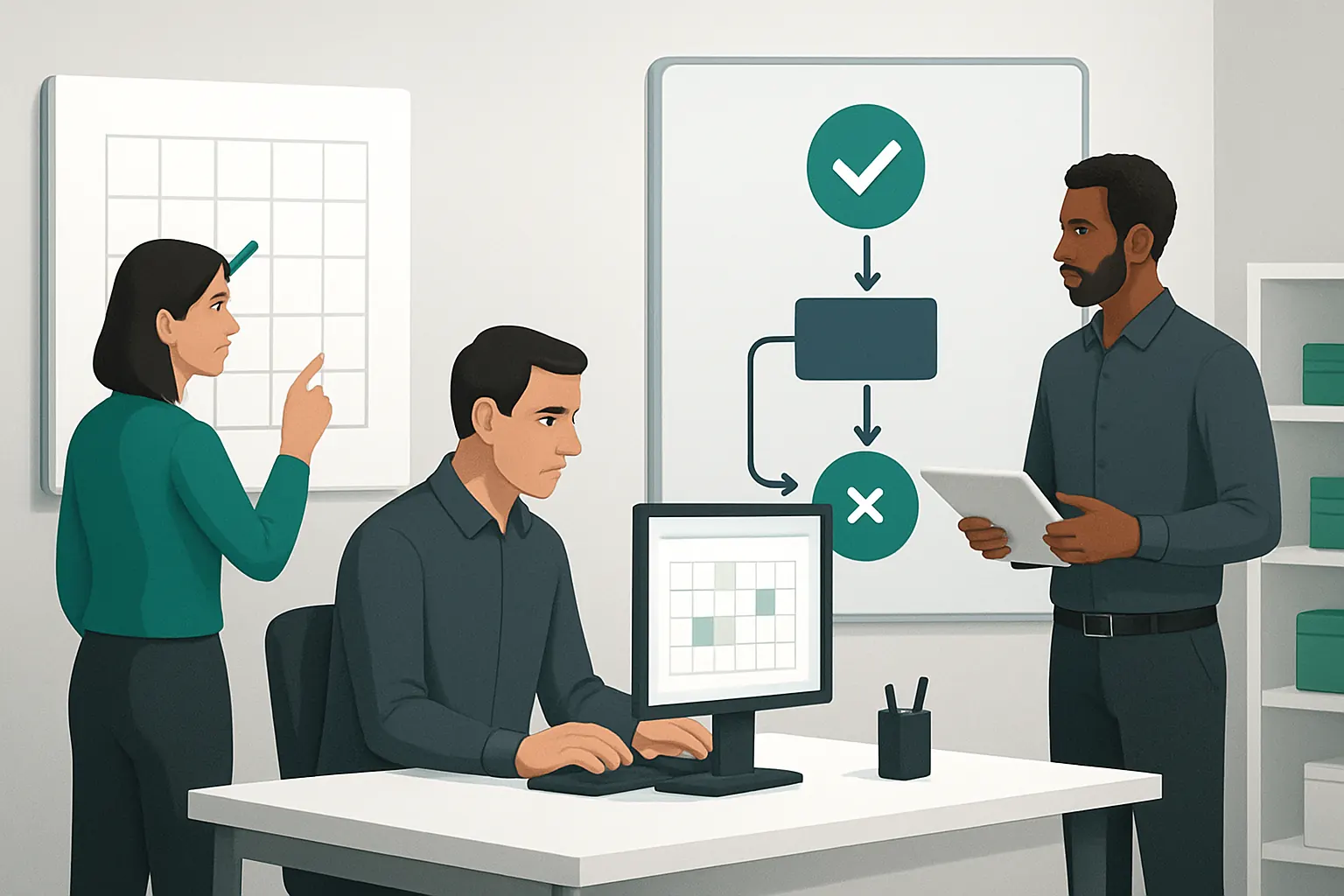
Operators often rely on multiple software or manual templates for tenancy agreements and proposals. The process is error-prone and time-intensive, with subscriptions adding cost and complexity.
Owned modules to generate tailored documents on-demand
Automated document modules produce bespoke contracts and pricing proposals from enquiry data, workspace details, and agreed terms. Integration with e-signature services like DocuSign or Adobe Sign ensures workflow continuity.
Example showing instant tenancy agreement preparation
Once an enquiry converts to tenancy, tenancy contracts populate automatically with client info and pricing terms. Tenants receive links for secure electronic signing.
Control measures ensuring accuracy and compliance
Templates embed mandatory clauses and compliance reminders, with approvals required before final issue. This mitigates legal risks and maintains updated contract versions.

Integrating Payments and Billing Without Friction
Challenges in syncing invoicing with tenancy data
Disconnected billing systems cause delays, manual reconciliation, and missed collections. Operators must handle flexible models—subscriptions, hourly usage, ad hoc services—while maintaining transparency.
Enabling payment integrations within one workflow
Payment gateways from specialists like Stripe or GoCardless embed directly within tenancy records. This replaces multiple subscription billing apps and consolidates financial data in a single ledger.
Scenario of automated invoicing and payment tracking roll-out
Monthly tenancy fees generate automatically based on contract terms, including adjustments for services used. System flags unpaid invoices for prompt follow-up or tenant communication.
Important financial controls and audit trails
Operators maintain control over payment schedules, credit limits, and refunds. Records capture audit timestamps and approver identities to support FCA and HMRC regulatory frameworks.
AI-powered Classification to Prioritise Enquiries
Overwhelm from high volumes of inbound enquiries
When enquiry numbers swell, staff struggle to prioritise high-potential clients quickly. Manual sorting is inconsistent.
Using AI selectively for smart task routing
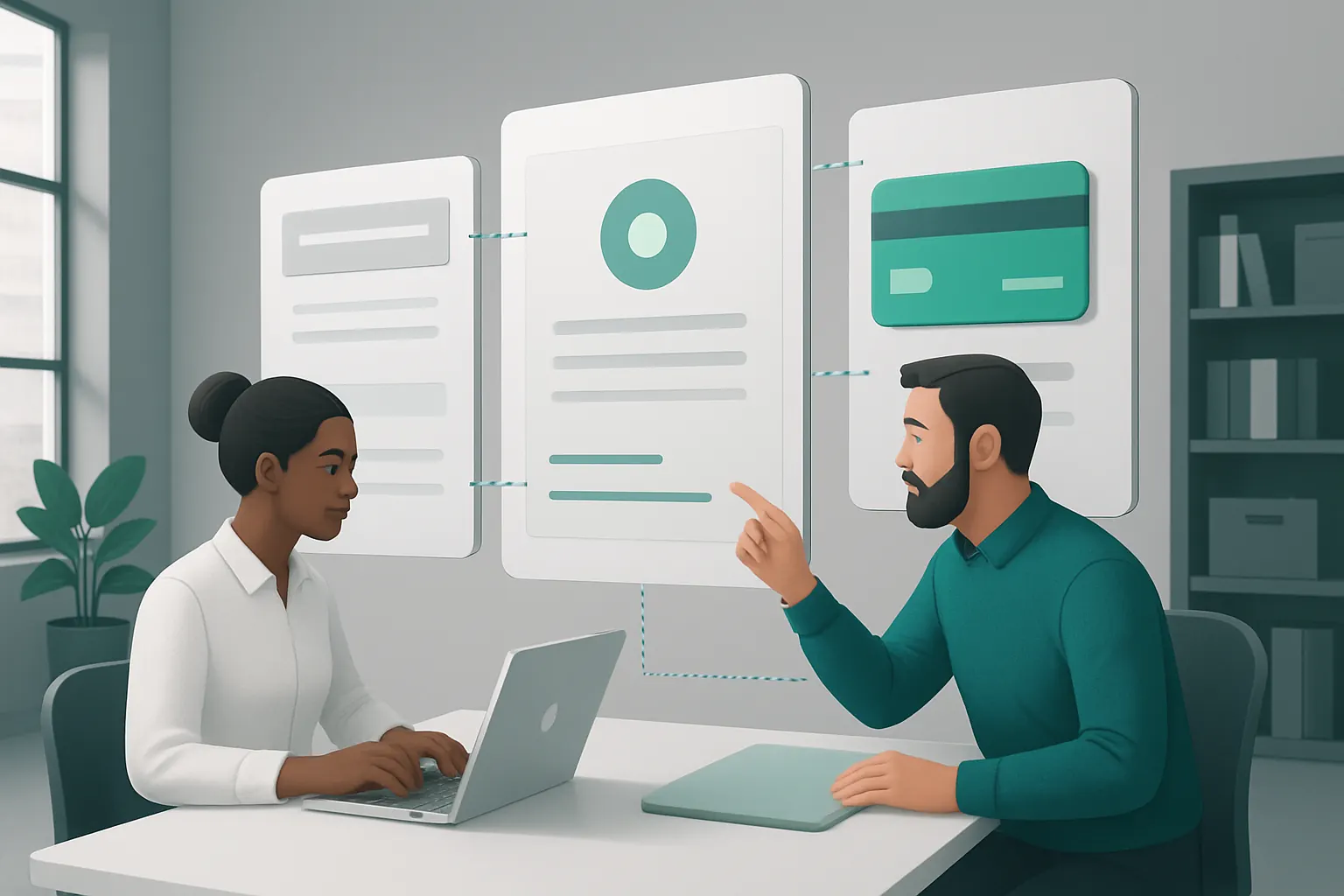
Text classification models identify enquiry urgency and category (e.g., hot desk, private office, meeting room). This helps queue critical leads for immediate attention.
Real-world use case of classification improving lead speed
Day-to-day, AI pre-sorts enquiries like “urgent private office” versus general coworking interest, feeding important ones into fast-track workflows.
Ensuring human overrides and accuracy checks
AI recommendations come with confidence scores; operators review flagged edge cases. This keeps final prioritisation decisions with human staff.

Summarising Enquiry Trends for Management Insights
Difficulty aggregating dispersed data for strategic review
Data locked in emails, spreadsheets, and siloed systems lacks actionable insights on source performance or conversion rates.
Dashboards that synthesise enquiry data visually
Custom dashboards draw live data from the owned record, summarising enquiry volumes, conversion funnel status, and pipeline health.
Example of API-driven monthly performance snapshot
Operations teams receive automated slides that highlight enquiry peaks, slow response times, and occupancy trends.
Controls for data integrity and access
Role-based access guarantees only authorised staff see sensitive commercial information, complying with UK GDPR privacy requirements.

Rule-based Workflow Automation for Predictable Tasks
Repetitive manual tasks draining resources
Simple actions like sending reminders, updating tenancy status, or generating renewal alerts consume staff time.
Deterministic rules triggering automated activities
Rules automate standard triggers: confirmation emails, payment reminder schedules, maintenance notifications. Complex decisions remain human controlled.
Case study showing automation of document expiry reminders
Operators automate sending upcoming health and safety certificate expiry alerts to tenants with linked booking updates for inspections.
Configurable limits to safeguard accuracy
Operators define exceptions, error conditions, and override options, preserving operational control.

Onboarding Workflows Embedded with Human Approvals
Complexity of tenant onboarding combining forms, identity checks, and contracts
Manual onboarding risks inconsistencies and compliance gaps related to right-to-rent and payment permissions.
Integrated onboarding workflow with selective AI assistance
AI accelerates document scanning and summarisation but routes key approval tasks, including identity verification and compliance checks, to authorised staff.
Example onboarding path from enquiry to workspace access
Following contract signing, onboarding workflows trigger workspace induction emails and access badge production, flagged for manager review before completion.
Controls supporting compliance work and audit readiness
Security protocols ensure all onboarding data is encrypted and traceable. Regular audits confirm processes align with ICO data handling guidelines.

Coordinated Maintenance and Compliance Task Management
Operational risks from missed maintenance or compliance checks
Manual follow-ups on safety certificates and inspections open risks and erode tenant trust.
Coordinated workflows for scheduling and documenting tasks
Maintenance triage modules integrate with tenancy and building data. Automated triggers alert staff to impending compliance deadlines and maintenance needs.
Real-world application of automated inspection reminders
System sends alerts to maintenance teams and tenants when room inspections approach, tracking completion records in shared dashboards.
Control overview with escalation paths
Uncompleted tasks escalate to senior managers, ensuring no compliance tasks fall through the cracks.
Reliable Data Infrastructure for Strategic Decision-making
Data chaos undermining occupancy optimisation and service innovation
With data scattered or inconsistent, operators lack insight to adjust pricing or layout effectively.
Consolidating operational data into one trusted record
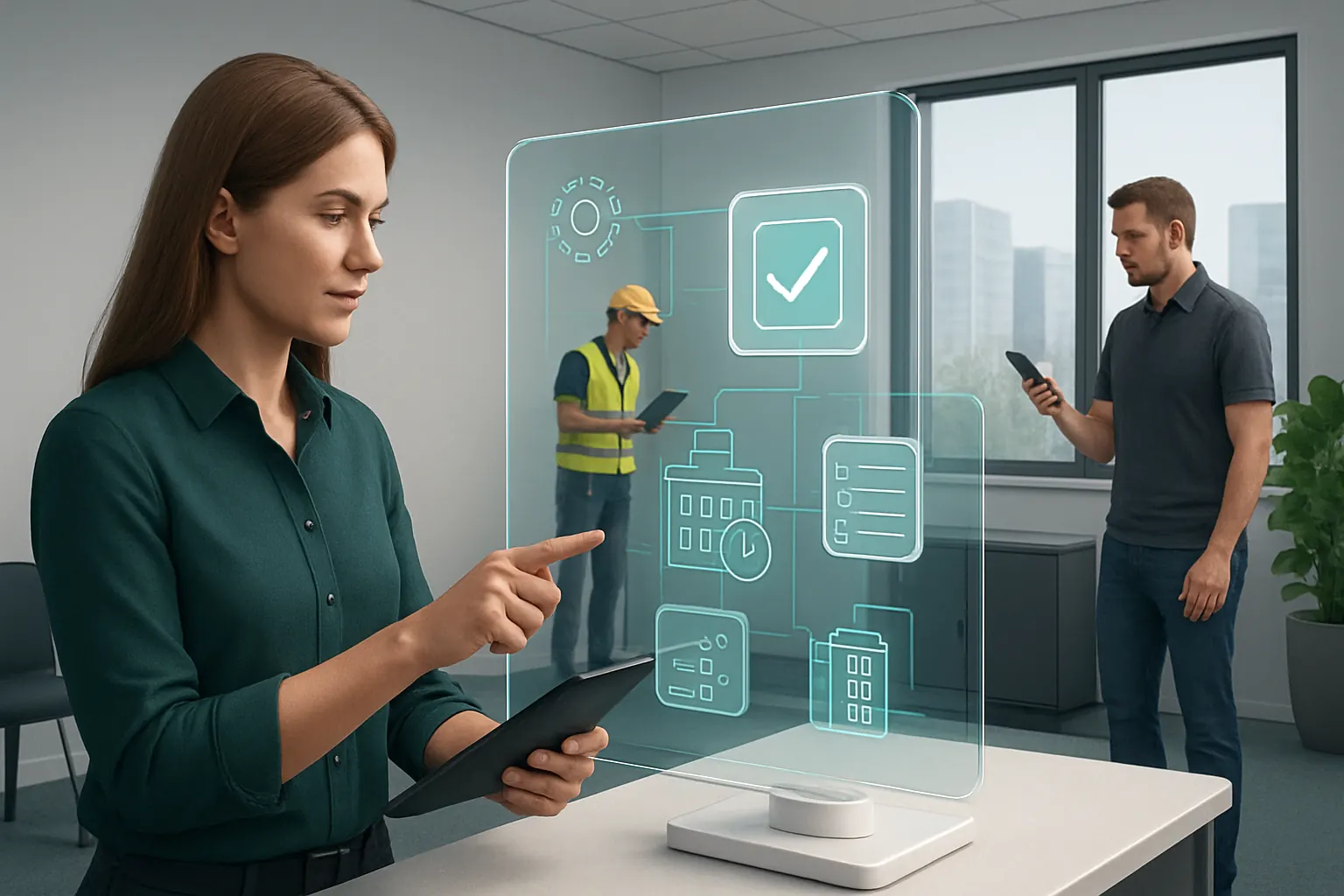
Connected workflows unify tenant profiles, booking history, payments, and maintenance logs. Tailored dashboards offer visual analytics for strategic planning.
Case demonstrating data-driven decisions on space utilisation
Operators identify under-used areas via dashboard heatmaps and launch targeted promotions or layout changes.
Security measures and compliance considerations
Data infrastructure follows principles from the National Cyber Security Centre. Access permissions and encryption protect sensitive information and support GDPR accountability.

90-day rollout plan for Space Enquiries Automation
Weeks 1–2: Discovery and Integration Mapping
- Assess current enquiry channels and list all existing software tools.
- Identify key manual pain points and compliance requirements.
- Design connected workflows around enquiry capture and CRM syncing.
- Establish privacy controls aligned with ICO guidelines.
Weeks 3–6: Core Workflow Automation and Data Consolidation
- Implement enquiry intake automation linked to availability checks.
- Deploy smart document generation and integrate payment gateways.
- Launch AI classification pilot for enquiry prioritisation.
- Build initial dashboards for enquiry and occupancy monitoring.
Weeks 7–12: Extending Automation, Controls, and Training
- Add rule-based reminders for contract expiry, payments, and maintenance.
- Deploy onboarding workflows with human approval gates.
- Configure maintenance scheduling and compliance task workflows.
- Conduct staff training on new dashboard use and control procedures.
- Review system performance and refine automation parameters.
How AI Implementation UK Connects, Replaces, and Automates Your Operations
AI Implementation UK specialises in delivering one connected operating solution tailored to the serviced-office and coworking sector. Instead of layering disconnected SaaS products, we unify your existing tools—whether CRM systems, booking modules, or invoicing software—into an owned environment shaped around your workflows.
We help you replace avoidable software subscriptions with owned modules, such as document automation and rule-driven reminder systems, reducing ongoing costs while sharpening control over data and processes. Operational data moves from fragmented silos into one reliable record, accessible through dashboards created specifically for your business needs.
AI capabilities are applied judiciously to enhance classification, summarisation, prioritisation, and decision support tasks. Predictable operations run on deterministic rules, preserving human judgement on critical decisions like tenancy agreements and compliance approvals.
Our engagements begin with a thorough data infrastructure review followed by iterative rollout plans aimed at quick wins, building towards full automation of your enquiry-to-tenancy workflows. You retain ownership of your data and systems through every step.
For operators ready to transform how they manage space enquiries and occupancy, our practical, connected approach delivers measurable time savings, reduces errors, and supports regulatory and financial controls.
Learn more about how to get started with AI Implementation UK's process automation services and explore our case studies to see impact in real coworking environments.
For data infrastructure foundations, explore our preparation services and plan your next operational leap with expert AI strategy roadmapping at AI Implementation UK AI strategy roadmapping.
Lastly, for payment security considerations, operators should consult guidance from the PCI Security Standards Council to align payment processing with industry best practices, complementing our connected workflows.
By connecting what you already use, replacing redundant subscriptions with tailored owned tools, and automating with controlled precision, AI Implementation UK equips serviced-office and coworking operators to automate space enquiries efficiently, freeing teams to focus on delivering exceptional tenancy experiences and growing their business sustainably.