
Metal Fabrication Software: learn how to connect systems, cut manual admin and automate order to production through one tailored platform the business owns.
What routinely breaks in metal fabrication businesses
Metal fabrication software should connect bookings, people, communications and reporting in one reliable operating flow.
Metal fabrication businesses face constant disruptions from disconnected systems and manual processes. Orders slip through gaps between quoting, production scheduling and materials planning. Quality checks rely on paperwork or isolated spreadsheets. Data sits scattered across multiple platforms, preventing clear operational oversight. This leads to rework, delays and unnecessary costs.
Many steel fabricators rely on current tools such as SolidWorks for design and ERP modules or legacy spreadsheets for production. Yet these systems rarely talk to each other, resulting in duplicated data entry and inconsistent records. Manual tracking of stock or job progress wastes valuable time and hampers responsiveness.
Without a unified view of orders, jobs, materials and quality, businesses struggle to meet delivery commitments or respond quickly to exceptions. This fractured approach costs metal fabricators control over their operations and impairs decision-making.
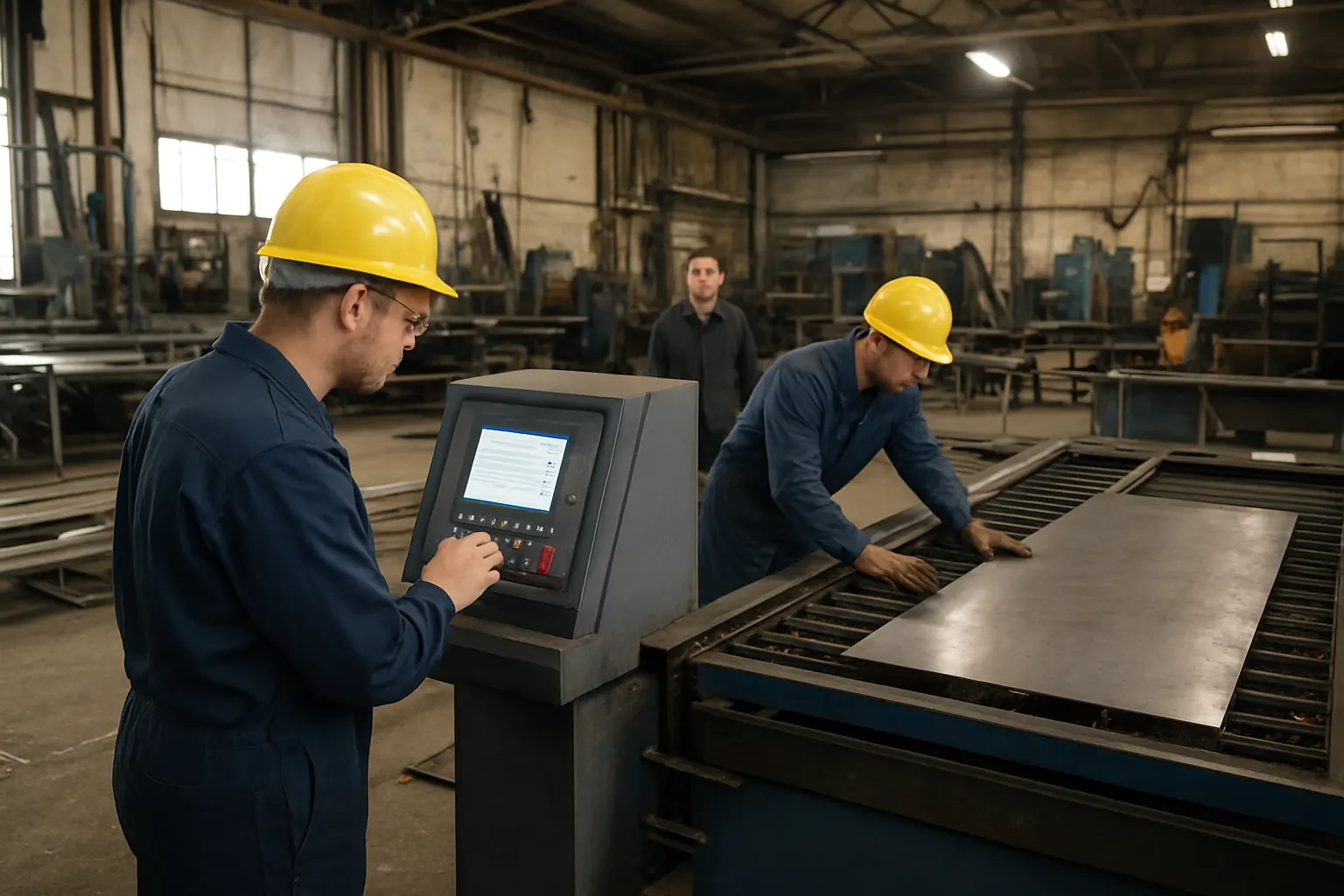
The real cost of manual work in metal fabrication
Manual processes do not just slow fabrication businesses, they increase risk and reduce margins:
-
Time wasted rekeying order details between CRM, scheduling and finance slows turnaround, creates errors and frustrates staff.
-
Data inconsistencies between multiple systems lead to mistakes in material ordering, production priorities and customer updates.
-
Compliance gaps appear when quality records, machine maintenance logs and change approvals live on paper or disconnected files, weakening audit trails.
-
Cashflow impacts arise as invoicing delays follow from poor order tracking, and avoidable software subscriptions pile up across unintegrated tools.
-
Limited visibility prevents leaders from prioritising bottlenecks or reallocating resources in real time.
To compete effectively, metal fabricators need a solution built around their core operational workflow — one that connects what already works, automates repetitive tasks, and creates a reliable, owned system of record.
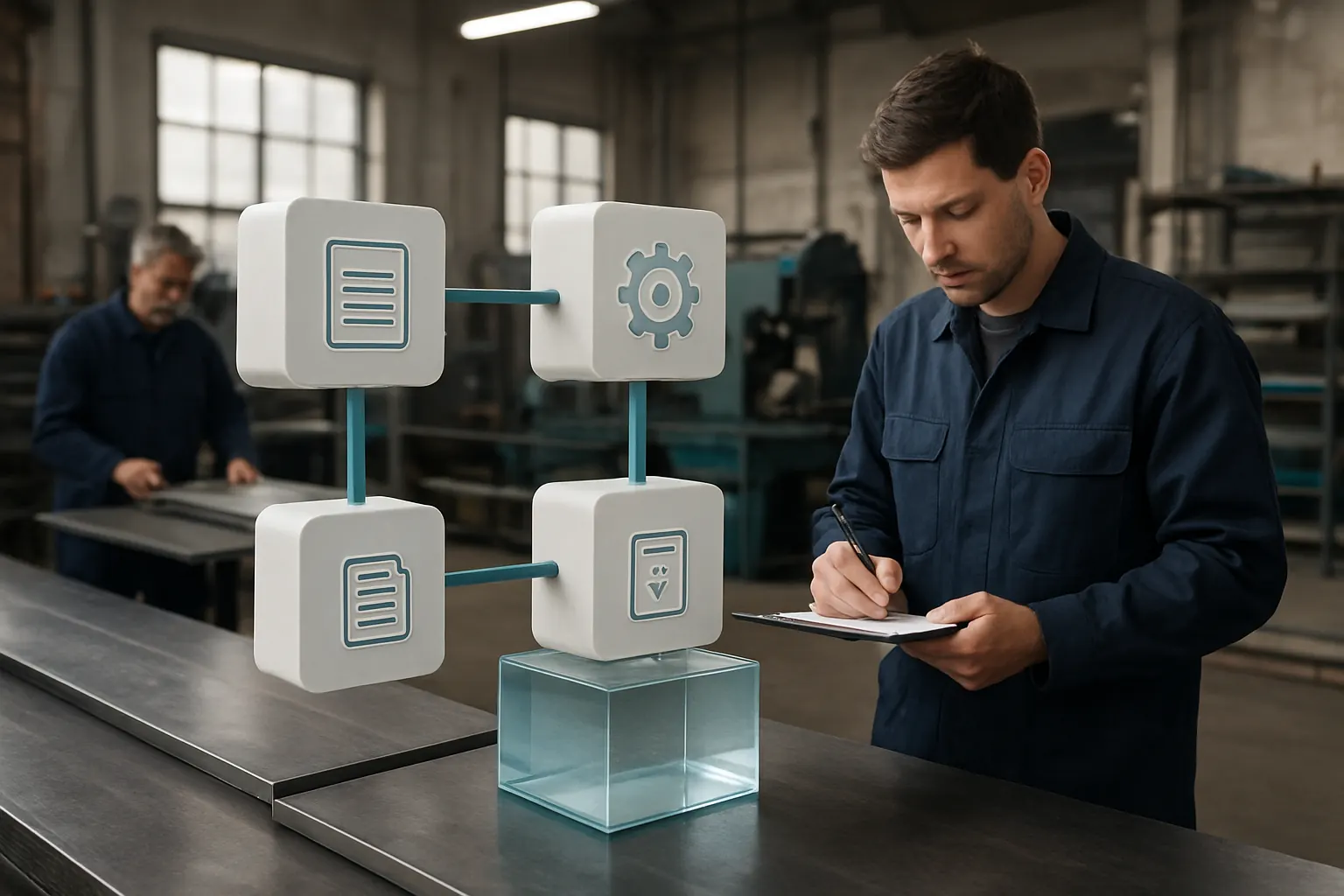
Integrated Order to Production Workflow
How order details repeatedly falter between departments
In many metal fabrication shops, order data starts in design or quoting systems, then must be manually re-entered into production scheduling, materials planning, and finance. Discrepancies frequently arise, delaying jobs and increasing scrap costs.
Connect quoting with job tracking in a single record
Our connected workspace unifies initial drawings, quotes, and job instructions in one owned system. When a quote is approved, materials requirements and production jobs auto-generate, reducing rekeying and errors.
Useful system integrations to preserve investments
Design automation platforms like SolidWorks and DriveWorks continue as design specialists. We connect their output to owned modules controlling job creation and status updates, eliminating duplicate data entry.
Real world example: instant job creation from quote approval
A steel fabricator using our platform can approve a client quote and automatically push the exact specifications to scheduling and materials planning modules, instantly starting production readiness and invoicing workflows.
Controls to maintain accuracy and visibility
Change approval processes ensure human review for order amendments, while dashboards display current job status to production managers, reducing miscommunication.
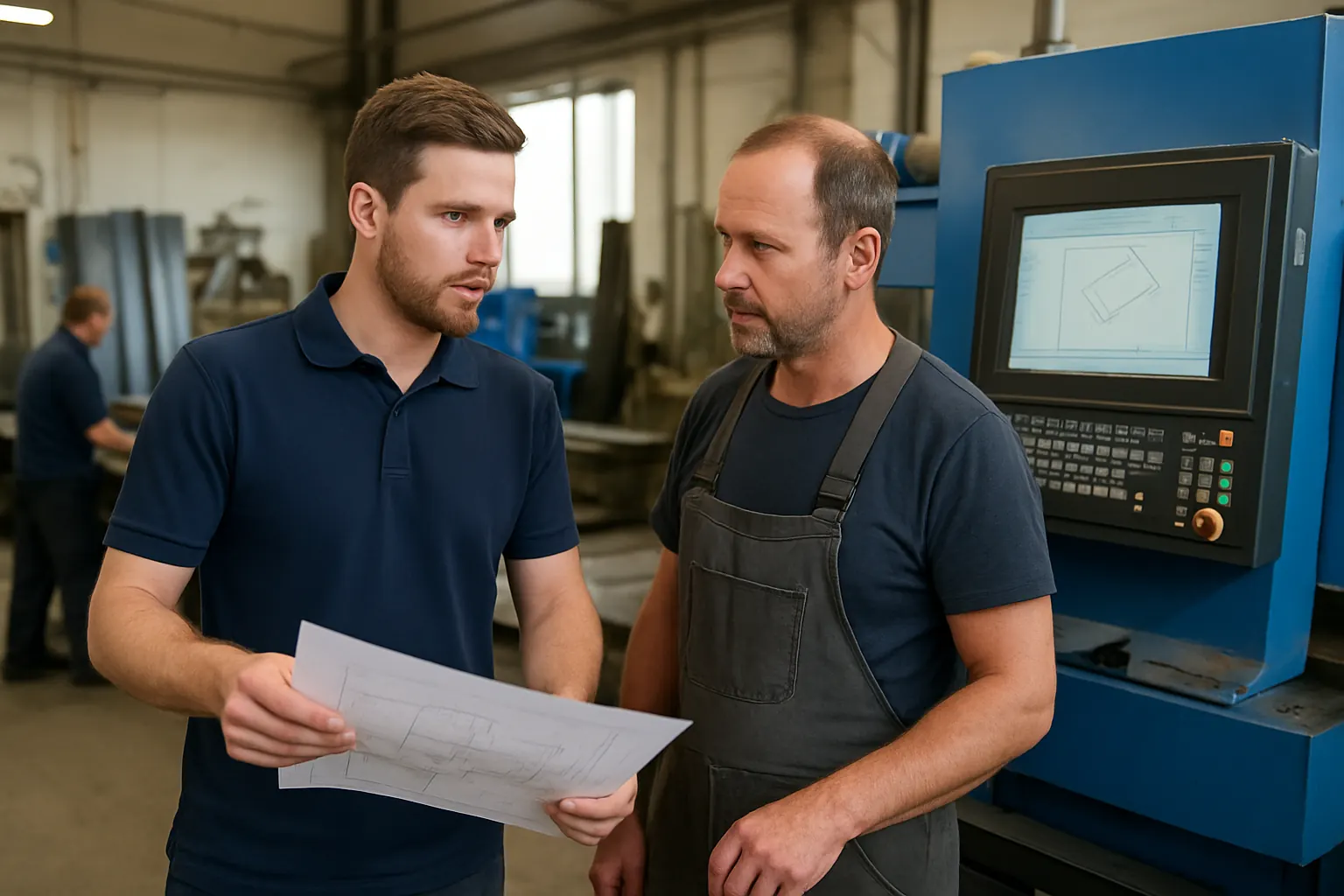
Streamlined Materials Planning and Inventory Control
Over-ordering and stock-outs drain resources
Uncoordinated materials planning leads to excess steel inventory or inconvenient shortages, prolonging lead times and tying up cash.
Bringing purchasing and inventory into one owned system
Our workflow automation links production schedules directly to materials planning modules, calculating exact requirements from orders in real time. Stock levels are automatically updated using deterministic rules based on consumption and deliveries.
Integrations with specialist suppliers and purchasing portals
Where suppliers offer electronic ordering portals or API access, we integrate to automate routine purchases. For finances, compatible solutions like Xero or QuickBooks remain linked for payment processing without fragmenting the record.
Example: optimised steel ordering reduces waste
A client eliminated manual calculations and last-minute sourcing by setting reorder points tied to scheduled jobs, improving output predictability and lowering inventory holding costs.
Built-in alerts and controls
Exception notifications warn buyers of low stock or potential delays. Purchase approvals embedded within the system ensure budgets and quality standards govern orders.
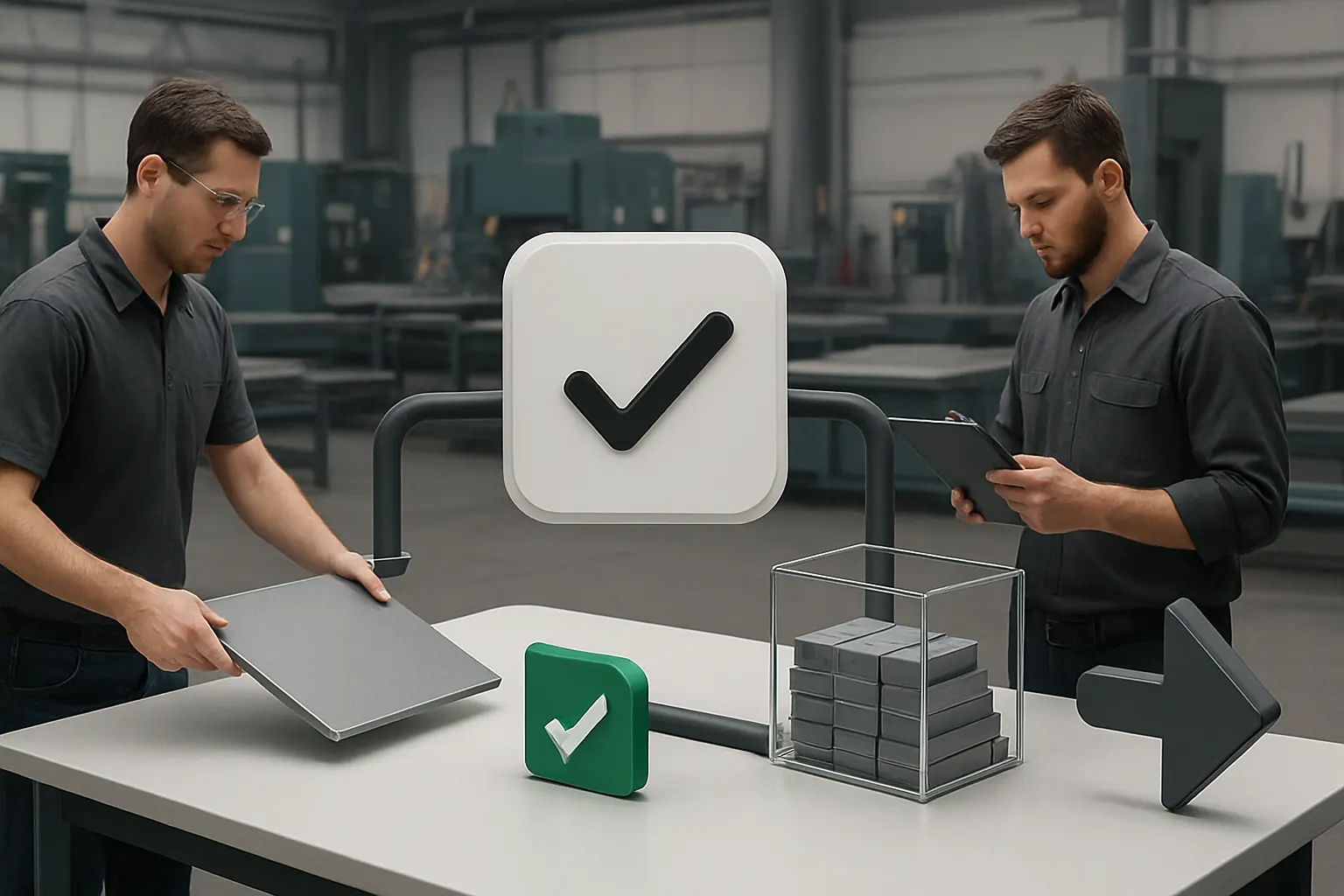
Quality Assurance and Compliance Automation
Manual quality checks create bottlenecks and audit risks
Quality control often depends on paper forms or Excel, risking lost or inconsistent data. Change approvals and machine maintenance may lack audit trails, imperilling regulatory compliance.
Automate quality records and machine access logging
Our owned quality module digitises inspection forms, linking them directly to each job’s production record. Automated alerts prompt any failed criteria to supervisors for rapid intervention.
Machine access logs can integrate with RFID or access control hardware, recording authorised use automatically within control dashboards.
Incorporate specialist measurement or test equipment
Where specific test instruments provide digital outputs, our platform captures data via integrations, embedding results directly into quality records without manual transfers.
Case in point: reducing scrap rates through real-time quality feedback
A steel fabricator cut rework costs and improved customer satisfaction by automating job-specific QA checks with digital compliance records accessible on mobile devices across shop floors.
Controls maintaining regulatory oversight
Configurable workflows require human sign-off on critical quality variation and equipment downtime, preserving clear accountability, as advised by regulators like the UK Health and Safety Executive.
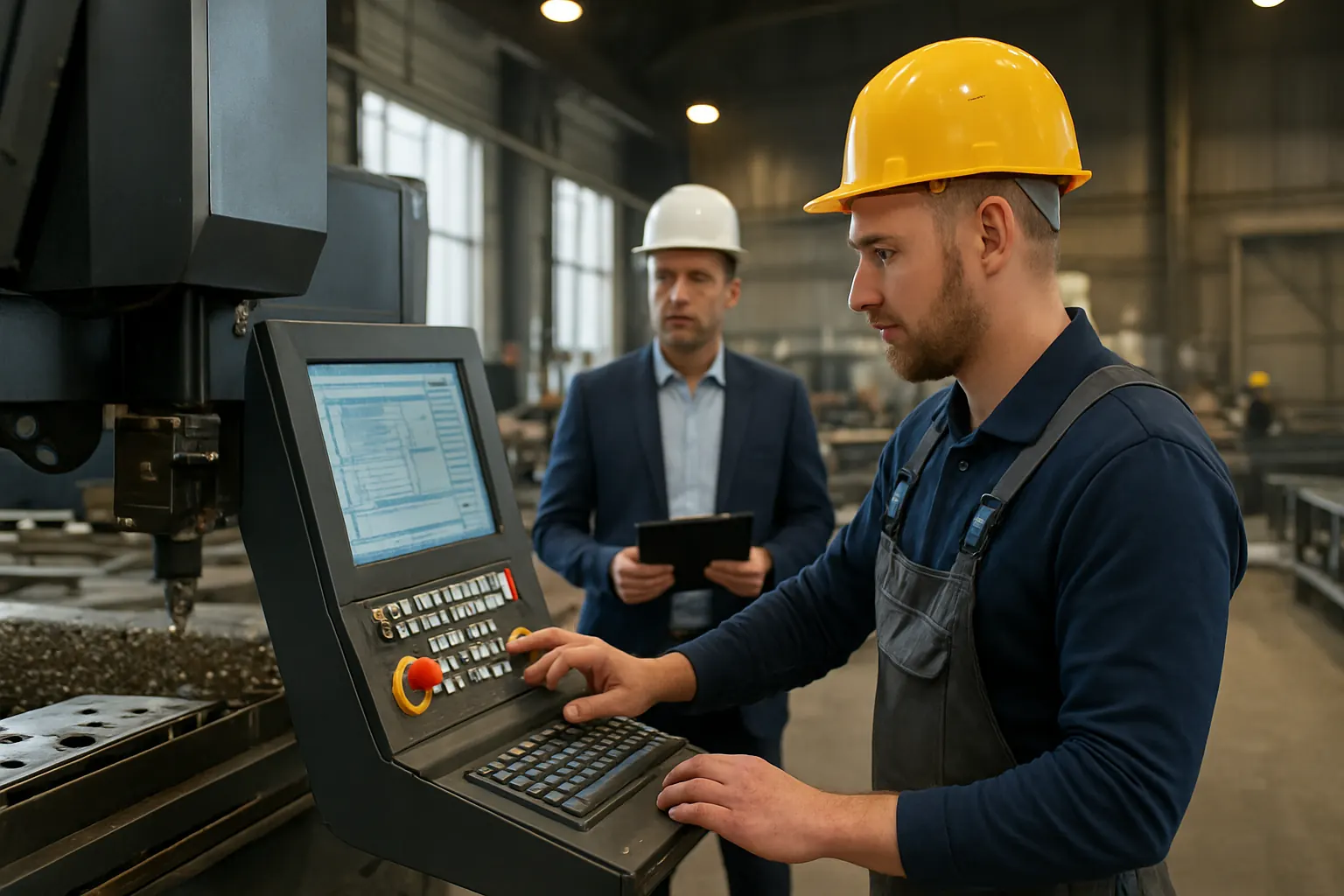
Production Status Dashboards and Exception Alerts
Planning and priority restart delays when information is siloed
Paper-based or spreadsheet updates do not reflect real-time progress or emergent issues. Managers and teams struggle to identify bottlenecks or reallocate resources swiftly.
One reliable record feeding configurable dashboards
Our owned system aggregates job progress from each stage, providing tailored dashboards summarising current status at a glance. Exception alerts highlight missed deadlines, machine downtime, or resource shortages.
Specialist integrations for shop floor equipment and communications
Where shop floor machines provide status data, we include those feeds to enhance visibility. Notifications and communication modules integrate with existing email or messaging tools to reduce response times.
Practical example: immediate alerts improve throughput
A client’s production supervisors receive automatic warnings if a job stalls beyond its planned duration, enabling rapid response and schedule adjustment.
Controls to keep workflow on track
Task status changes and exception handling follow predefined business rules with approval steps for key decisions. Real-time dashboards help ensure focus remains on meeting delivery commitments.
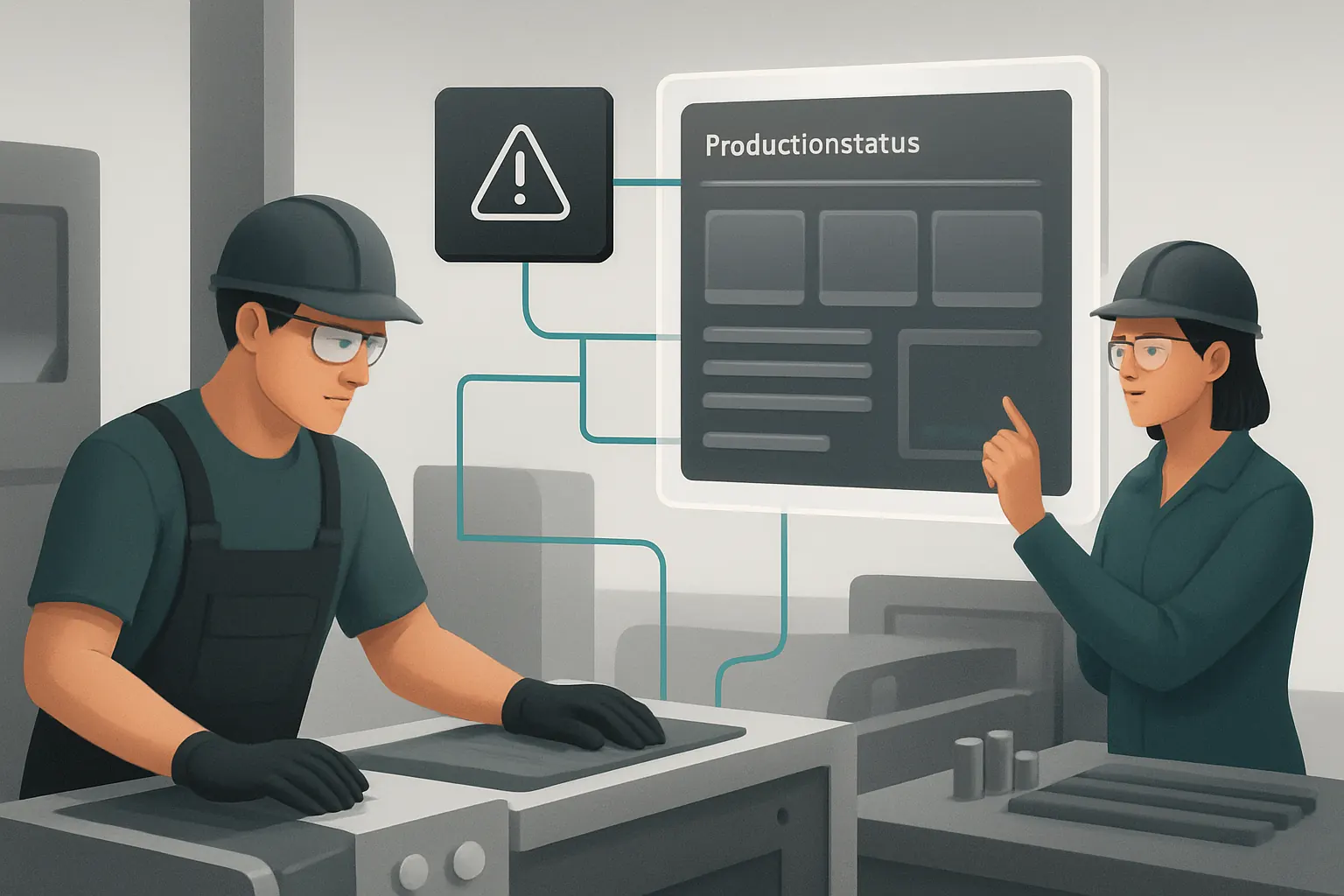
Owned Workflow Automation to Replace Unnecessary Subscriptions
Multiple SaaS tools create complexity and recurring costs
Fabricators often subscribe to multiple unconnected business tools—each requiring separate administration and licenses. This fragmentary approach inflates overheads and complicates data governance.
Replace avoidable subscriptions with custom modules the business owns
Our service provides tailored, modular workflows built around your operational requirements, replacing redundant software subscriptions with owned components integrated within your platform.
Integrate only specialist external services that remain stable
For payments or communications, external providers like Stripe or SMS gateways remain linked seamlessly, ensuring specialist functions continue without fragmenting data.
Example: eliminating duplicated invoicing tools
A metal fabrication business consolidated finance workflows into their owned system, removing duplicate invoicing and follow-up applications, significantly reducing user licence expenses.
Governance and operational controls
Access rights, audit logs and change management are embedded within the owned workflow system, supporting compliance with data protection regulations such as the ICO guidance.
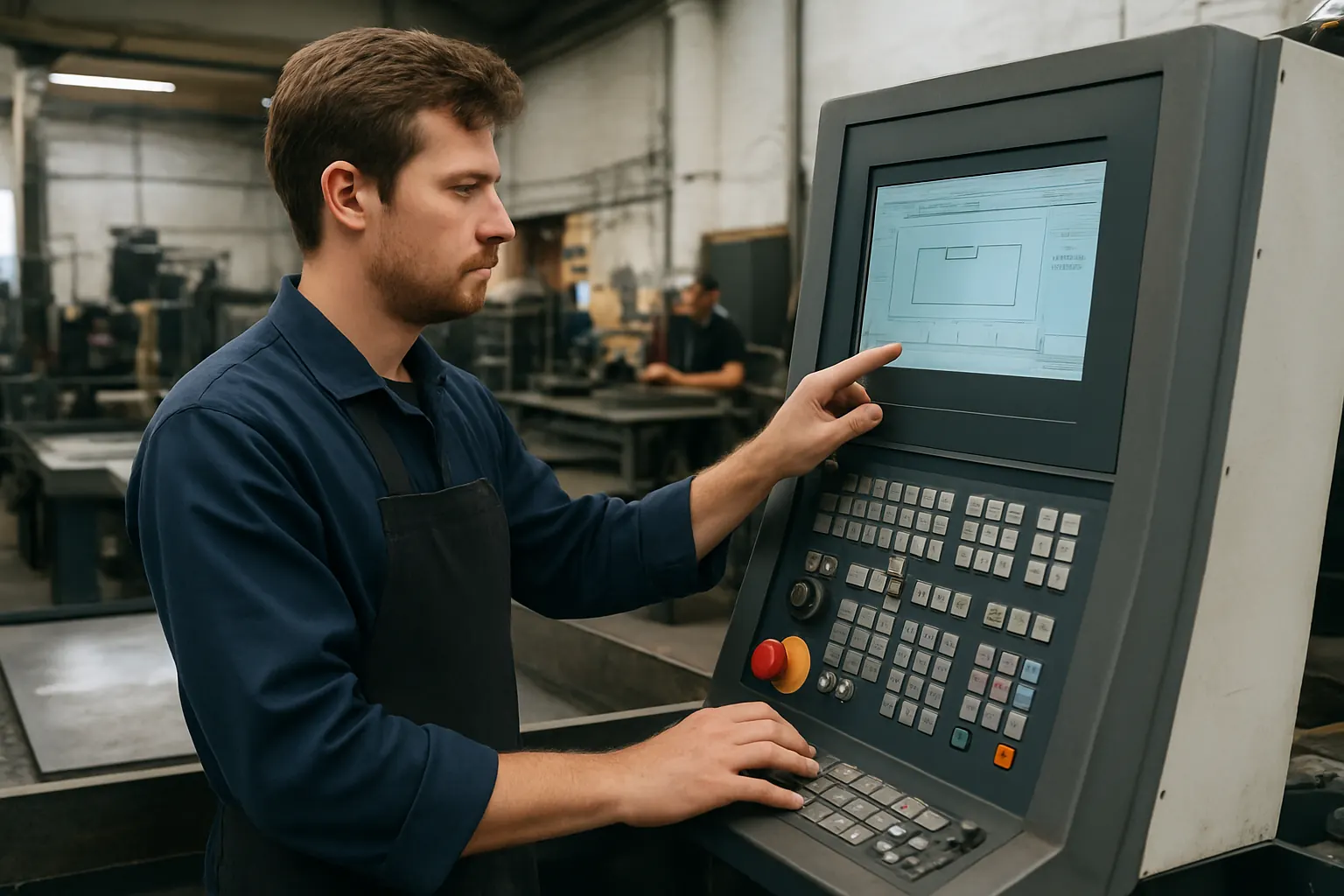
The 90-Day Rollout Plan for Connected Metal Fabrication Software
Weeks 1–2: Discovery and Mapping Current Workflows
-
Conduct detailed assessments of existing processes, tools, and pain points from order to production.
-
Identify key integration points with design tools (e.g., SolidWorks) and specialist equipment.
-
Define quality, compliance and approval requirements with stakeholders.
Weeks 3–6: Platform Configuration and Integration
-
Develop and deploy owned modules connecting quoting, scheduling, materials planning and quality records.
-
Integrate specialist external services like payment gateways and communication tools.
-
Establish dashboards and exception alert parameters.
Weeks 7–12: User Training and Refinement
-
Train production, purchasing and quality teams on new workflows and controls.
-
Pilot live usage on select job batches with continuous feedback.
-
Refine automation rules, alerts and reports based on operational experience.
-
Establish review cadence for ongoing performance and compliance.
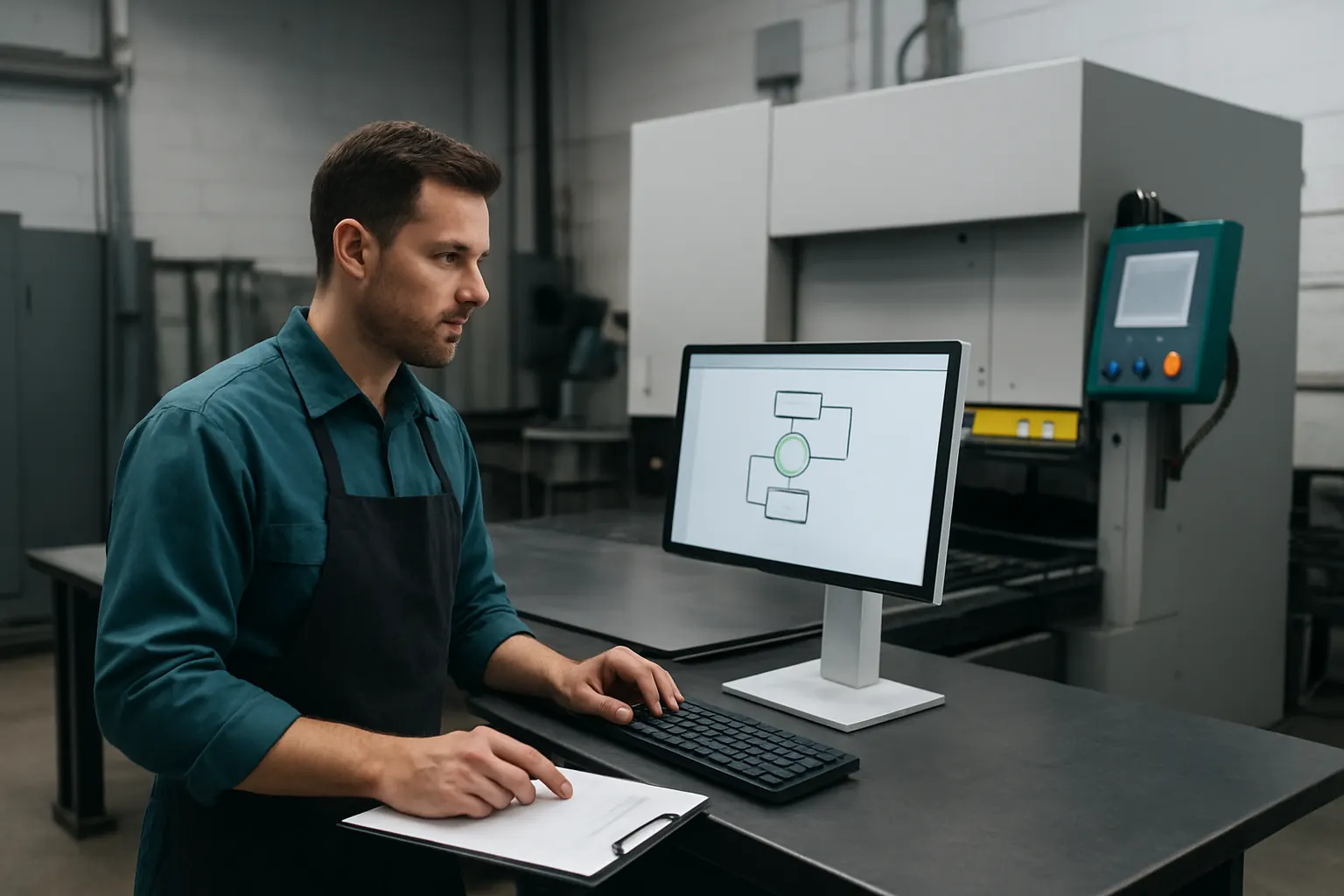
How AI Implementation UK Connects, Replaces and Automates Your Metal Fabrication Operations
At AI Implementation UK, we build one connected operating workspace tailored around your specific metal fabrication workflows. We integrate and preserve your effective current systems while replacing avoidable software with owned automation modules. This approach enables end-to-end visibility and control across your order, production and quality processes.
Artificial intelligence is selectively embedded for tasks such as classification of order types, summarisation of machine status, prioritisation of exception alerts, and decision support for purchasing or scheduling. We rely on deterministic rules for predictable or regulated tasks, preserving authorised human approval for compliance and quality decisions.
Our solutions avoid the trap of piling up disconnected SaaS tools. Instead, you gain one reliable record and live dashboards customised to your business — hosted securely on your terms. Specialist external services such as payments or communications remain integrated to preserve operational stability.
To explore how a connected metal fabrication software system can cut your admin burden and unify your workflows, visit our process automation service and platform planning resource.
For guidance on maintaining data security and privacy in automated operations, see the National Cyber Security Centre and the ICO’s privacy management framework. For payment integration best practices, consult the PCI Security Standards Council.
By transitioning to an owned, connected automation platform, metal fabrication businesses can remove daily friction, reduce costly admin, and focus capacity on growth and quality. The journey begins with connecting your core workflows into one system designed to evolve with your operations.
To turn these priorities into one coherent system, map the platform your business needs or explore our workflow automation approach.