Learn how packaging manufacturers can connect systems, reduce manual admin and automate order to production with one tailored operating platform the business owns.
Packaging manufacturers artwork approvals automation software review: What Breaks Daily
Packaging manufacturers artwork approvals automation software review should connect bookings, people, communications and reporting in one reliable operating flow.
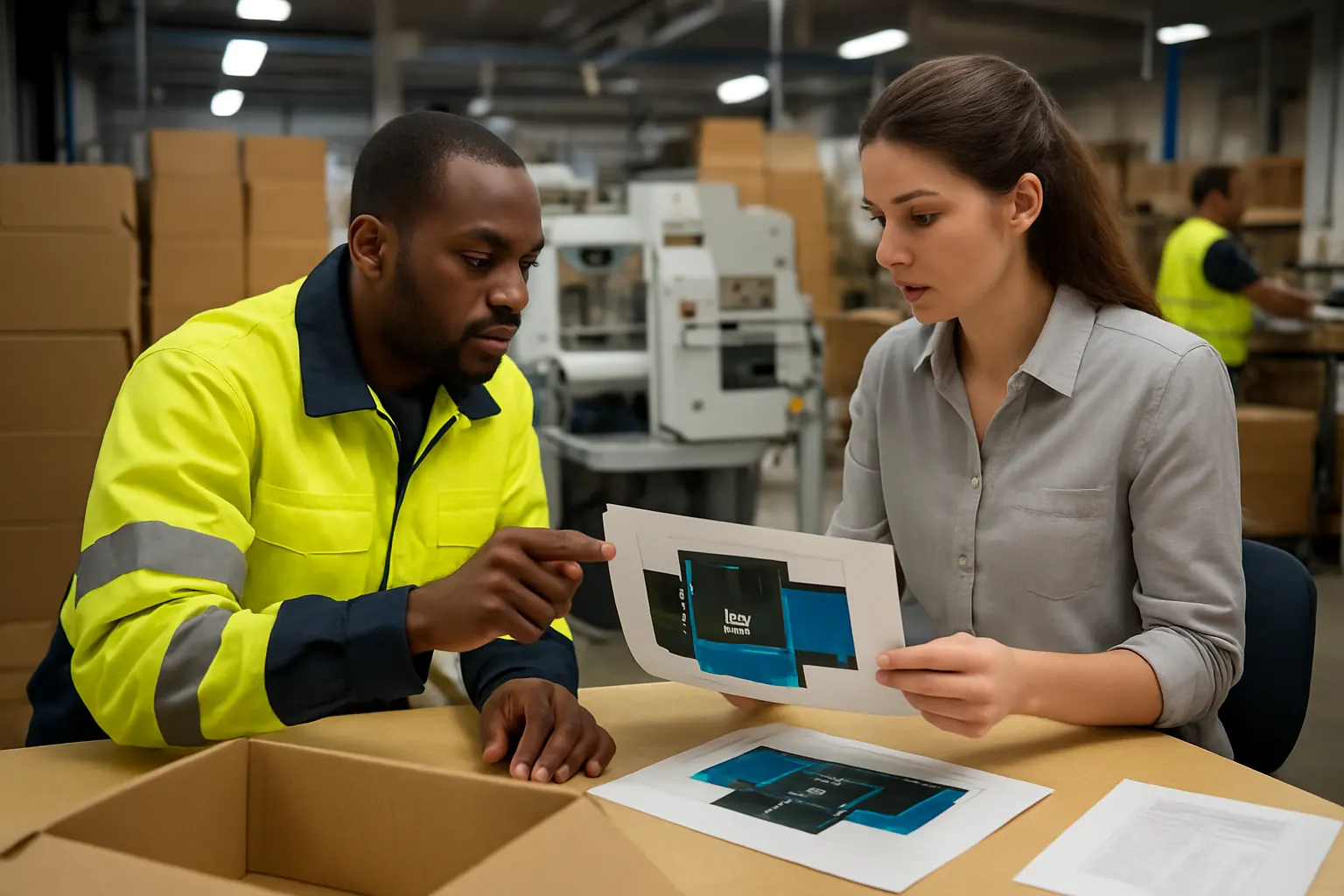
Packaging manufacturers operate within a complex web of artwork approvals, production scheduling, and delivery logistics. Each stage demands meticulous coordination between design teams, compliance officers, production planners, and suppliers. However, daily operations frequently stall due to disconnected tools and manual handoffs.
Artwork approvals often become bottlenecks. Multiple stakeholders review evolving designs, navigate version control, and ensure legal compliance. Without seamless integration, critical updates are missed, delaying production starts. Production runs struggle to align with ever-changing order information. Delivery planning is disrupted by inconsistent data on finished goods and transport availability.
These fractures lead to reworks, rushed corrections, and missed deadlines. This slows the entire order-to-production process and reduces packaging manufacturers’ ability to optimise costs and meet customer expectations.
Quantifying the Drain of Manual Effort in Packaging Workflows
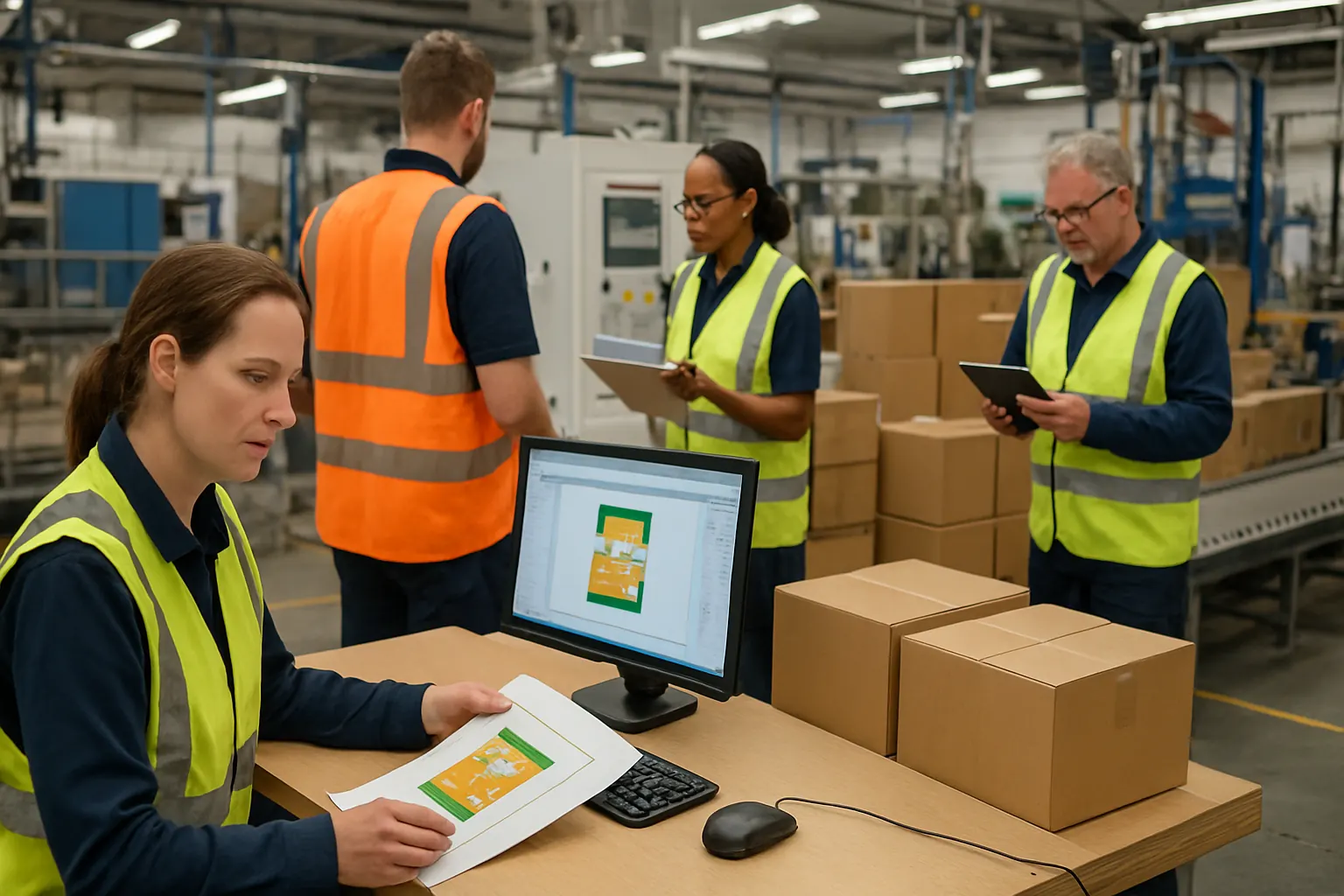
Manual interventions throughout the packaging process create cumulative costs that impact margins and agility.
- Time delays: Staff switch between emails, spreadsheets, and siloed software to update artwork status and production details, losing hours daily.
- Error risks: Version conflicts and data re-entry produce avoidable errors in approvals and orders, raising the frequency of costly rework or quality exceptions.
- Compliance gaps: Without controlled change approval workflows, audits and legal checkpoints become time-consuming hazards.
- Cashflow effects: Production bottlenecks caused by fragile processes delay invoicing cycles and disrupt inventory turnover.
Replacing disparate tools with piecemeal SaaS apps alone often adds complexity. The challenge is to connect existing resources and replace only unnecessary subscriptions with the capabilities owned and controlled by the business.
Streamlining Artwork Approval Workflows with Ownership and Flexibility
The Challenge of Shackled Artwork Processes
Artwork reviews involve multiple versions, legal sign-offs, and coordination between design agencies and internal teams. Disconnected tracking tools and notifications cause version confusion and approval delays.
Building a Workflow Around Your Business
We create a tailored workspace for artwork lifecycle management within one connected operating system. Existing design tools and email can remain integrated without replacing them—no need for multiple third-party subscriptions. Approval stages, compliance checkpoints, and digital signature records become centrally accessible.
Integration Examples That Add Value
- Connecting Adobe Creative Cloud workflows with the owned approval module.
- Automated notifications pull in updates from email or messaging systems.
- Legal and brand compliance requirements embedded as workflow gates.
Concrete Example: Version Control and Digital Signatures
A packaging manufacturer with multiple SKUs uses owned modules for version control and routed approvals. Each change request triggers automated exception alerts and requires digital sign-off by compliance officers. Human review is enforced on specific high-risk approvals.
Control Measures Maintain Quality
- All artwork versions tracked within one reliable record.
- Audit trails available to demonstrate compliance.
- Approval workflows configurable to include human validation on exceptions.

Integrating Existing Production Scheduling Tools for Real-Time Visibility
The Problem of Fragmented Production Updates
Order changes and artwork finalisation often arrive late or separately, complicating production scheduling. Disconnected systems cause inaccurate capacity planning and risk of wasted machine time.
Connected Scheduling Transparently Links Teams
Operational data from ERP or production scheduling systems is integrated into a shared dashboard that updates in real time. This combined view highlights delays, pending approvals, and machine availability without toggling between systems.
Useful Integrations for Efficiency
- Linking enterprise resource planning (ERP) order data.
- Connecting IoT-enabled packaging line status indicators.
- Feeding production capacity data into material planning modules.
Example: Dynamic Dashboards for Production Managers
A packaging firm integrates their ERP and artwork approval timeline into one dashboard. Production managers see the latest order status, artwork approval stages, and machine readiness. Delays in approvals become visible early, triggering contingency workflows.
Maintaining Control with Alert Thresholds
- Thresholds for approval delays configured to send alerts.
- Managers control parameters and override settings.
- Real-time status updates support proactive problem solving.
Replacing Costly Third-Party Subscriptions with Owned Automation Modules
Challenges of Managing Multiple SaaS Licences
Many packaging manufacturers subscribe to artwork lifecycle management tools, production tracking apps, and communication platforms. These add recurrent costs and duplicate functionality.
Aligning Owned Systems With Your Workflows
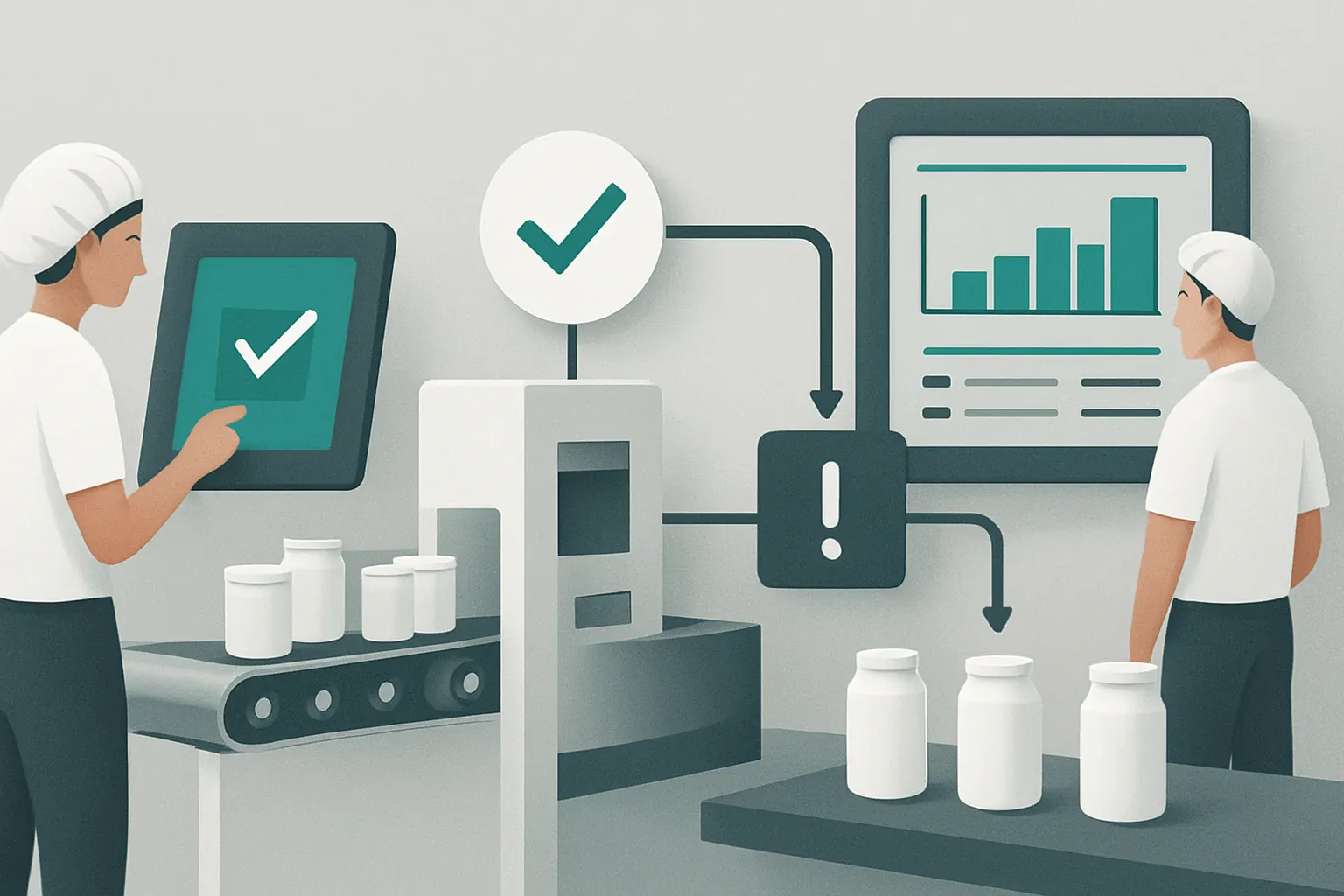
We replace avoidable software subscriptions by building modular components within the business-owned system. These cover version control, communications routing, and approval gating tailored to your operations.
Example Integrations That Remain External
- Payment processors for order deposits.
- SMS and email gateways for external notifications.
- Shipping and courier services APIs for delivery tracking.
Concrete Example: Subscription Reduction Impact
One client cancelled three external artwork management licences by bringing version control, automated routing, and compliance checkpoints into their owned system. Integration with email and payment processors remained intact.
Controls Preserve Service Quality
- Careful assessment before replacing any tool.
- Owned modules tested for capability parity.
- External tool integrations continually monitored for reliability.
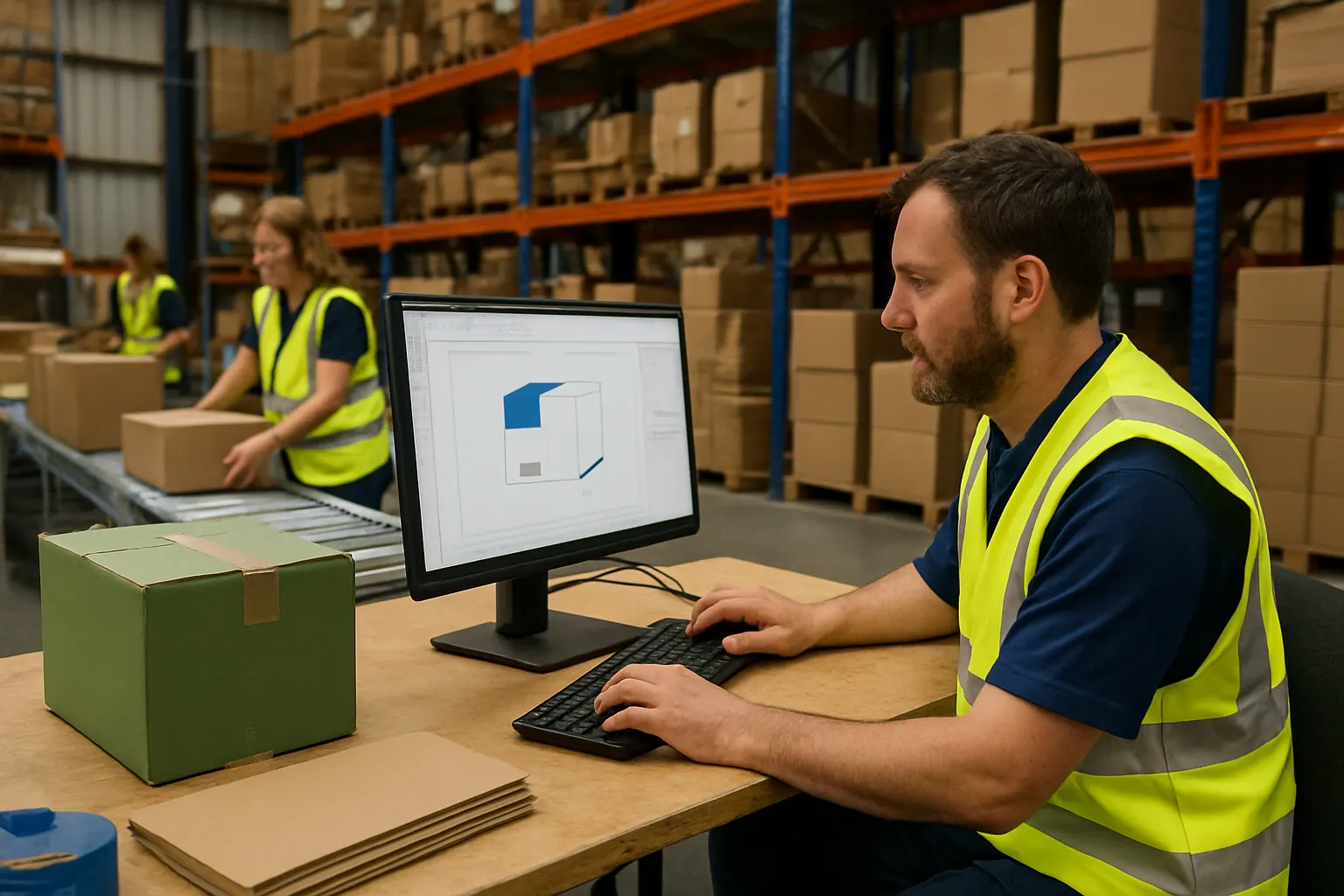
Consolidating Operational Data into a Single Reliable Record
Problems with Data Silos and Audit Difficulties
Production, artwork, quality checks, and order records often exist in separate systems or spreadsheets. This leads to inconsistent data and difficulties during audits or customer disputes.
A Unified Data Model That Follows Your Business Logic
Using a connected operating environment, disparate records are consolidated into one reliable repository. The data model respects your specific workflow and access controls.
Integration Enables Better Decision-Making
- Feeding quality control records directly from production machines.
- Linking supplier materials data with planning.
- Pulling delivery status updates from logistics partners.
Real-World Example: One Source of Truth in Quality Records
A packaging manufacturer automates quality data capture and integrates it with approval stamps and production logs. This single source provides transparency for regulatory audits and client inspections.
Controls to Maintain Data Integrity
- Role-based access governs data entry and approvals.
- Change logs and version histories are recorded.
- Exception reports notify managers of data anomalies.
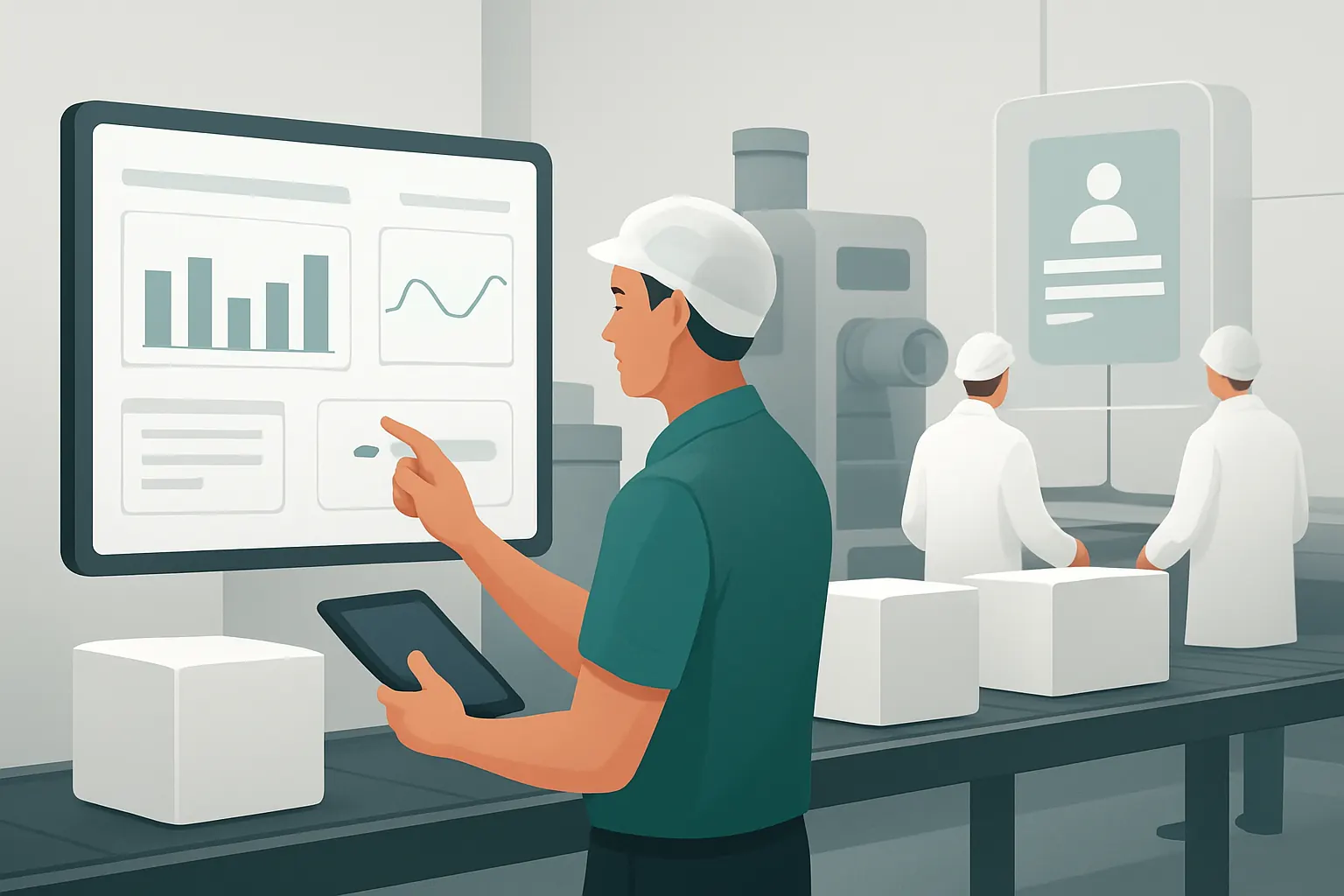
Selective AI Capabilities to Support Variable Tasks
The Complexity of Variable Workload Requirements
Not all packaging tasks lend themselves to rigid automation, especially creative artwork approvals and compliance reviews. AI can assist selectively rather than fully automate.
Targeted AI Features Within Your Operating System
We implement AI modules for classification, summarisation, prioritisation, and decision support on tasks where variability exists. Deterministic rules handle repeatable steps, retaining human approval for critical decisions.
Useful AI Examples Handled
- Automatic classification of incoming artwork change requests.
- Summarising lengthy client feedback into actionable lists.
- Prioritising high-risk approvals for faster human review.
- Decision support in packaging material substitutions.
Example: AI-Assisted Prioritisation for Artwork Reviews
A packaging company applies AI to flag urgent or non-standard requests requiring senior approval. Standard changes proceed under configured rules, reducing the workload on artwork teams.
Controls Safeguard Compliance and Quality
- Transparent AI decision criteria documented and auditable.
- Human override options built in.
- AI outputs reviewed regularly and adjusted as needed.
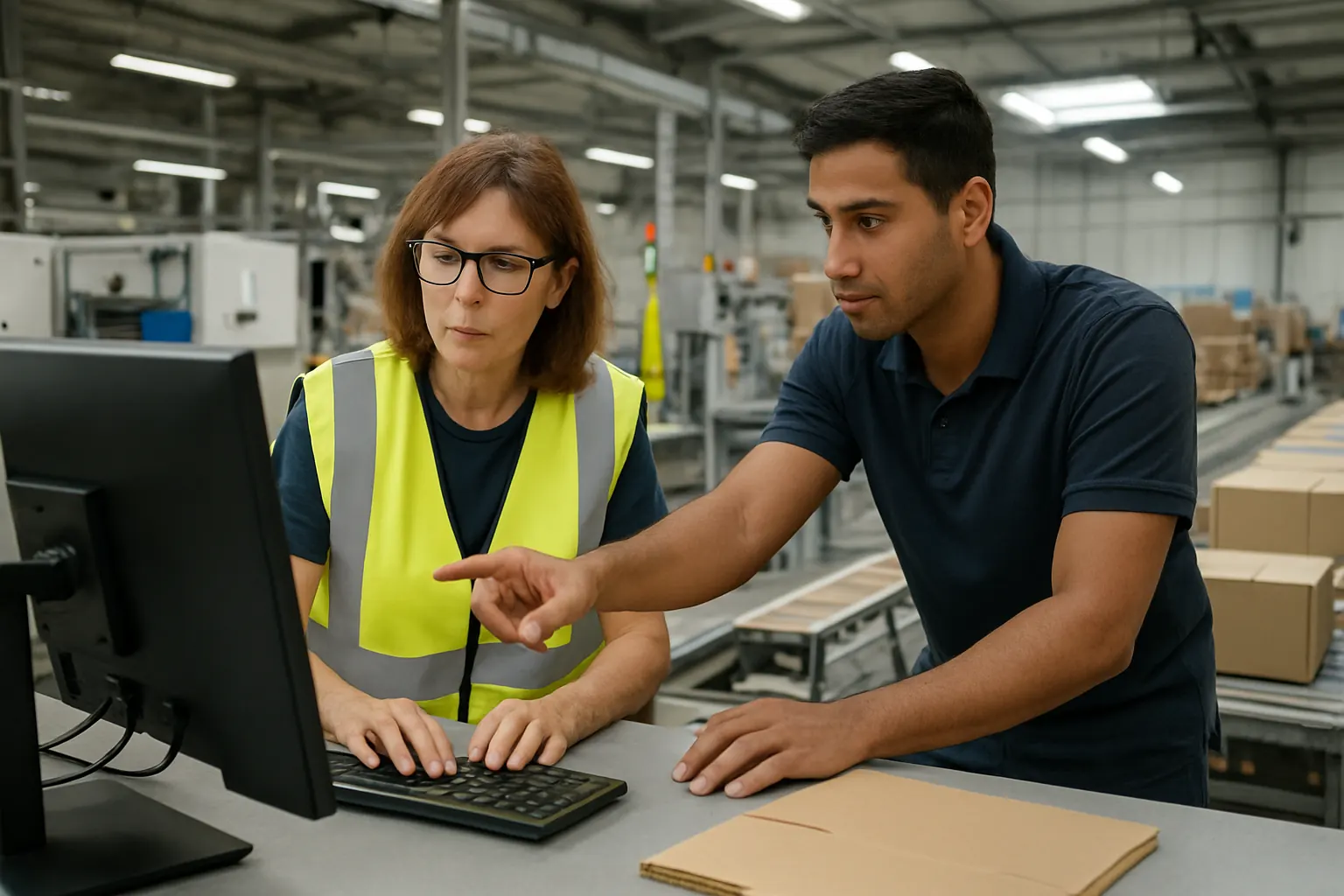
Building Connected Workflows Across Order to Production
Disconnected Processes Delay Packaging Delivery
Order receipt, artwork approval, production scheduling, and delivery planning frequently operate in silos. This prevents real-time response to operational issues.
Orchestrating Full Workflow Automation
We map your order-to-production sequence into connected workflows within one owned system. From order entry through artwork sign-off to production release, each step updates the shared environment.
Key Integrations Streamline the Flow
- Linking order processing systems with artwork modules.
- Feeding production readiness status into delivery planning.
- Integrating warehouse inventory systems for material availability.
Real-World Example: End-to-End Automation
An integrated workflow reduced time from order entry to production release by 40%. Automated exception alerts at each stage help teams act before delays cascade.
Controls Preserve Human Oversight
- Approval tasks embedded naturally at critical points.
- Users see workflow progress with clear exception management.
- Workflows remain configurable to reflect changing business needs.
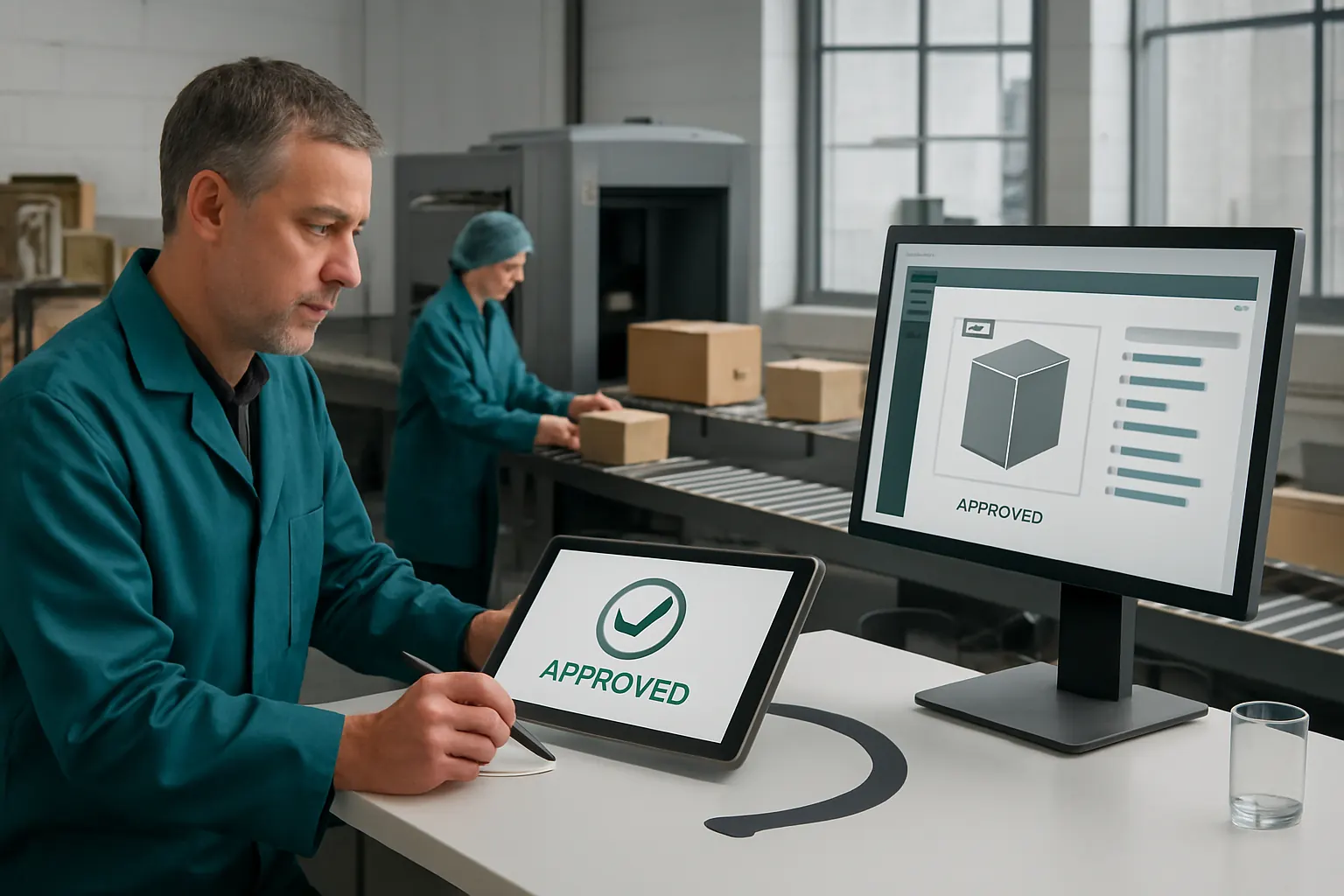
Automating Quality and Maintenance Logs in Production
Manual Record-Keeping Impedes Compliance and Efficiency
Quality and maintenance records are often logged manually after the fact, causing delays in detecting defects or machine issues.
Seamless Automation for Records Capture
We automate capture and validation of quality checks and maintenance interventions directly from production workflows. Connected devices can feed status updates, boosting accuracy.
Integrations for Smart Factory Readiness
- Feeding machine sensor data for uptime and fault detection.
- Integrating inspection data from quality control systems.
- Scheduling maintenance tasks based on real-time usage.
Example: Automated Exception Reporting
In one case, automated quality record collection triggered immediate alerts when tolerances exceeded limits. This rapid feedback cut rework rates in half.
Control and Compliance Measures
- Configured rules define which records require human sign-off.
- Secure logging protects audit trail integrity.
- Exceptions require documented resolution steps.
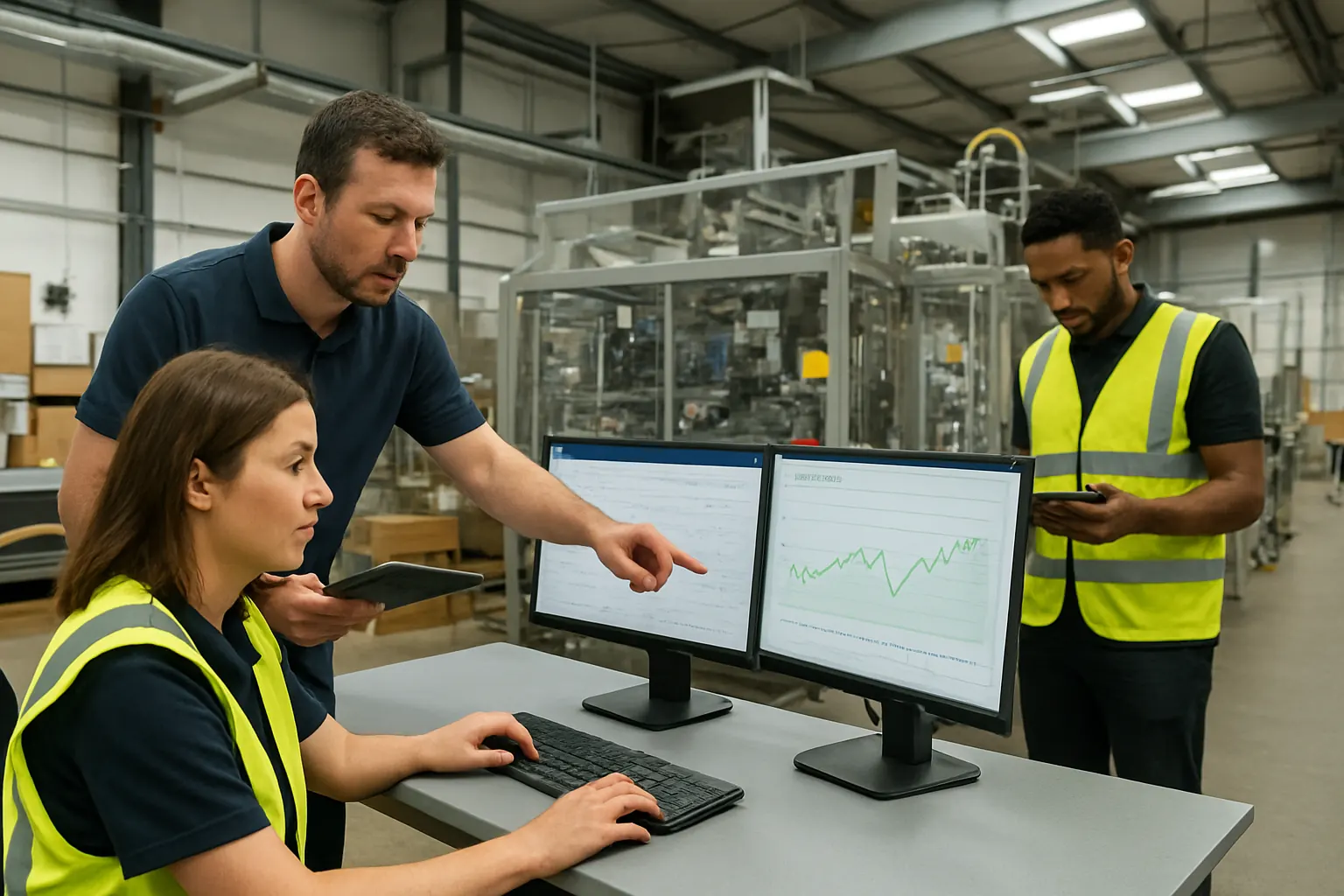
Tailored Dashboards for Operational Transparency
Fragmented Reporting Obscures Key Insights
Operations managers often juggle multiple spreadsheets and reports to monitor artwork approvals, production, and deliveries.
Custom Dashboards Connected Across Data Sources
We create dashboards designed for your packaging workflows that consolidate operational metrics. Data is filtered and displayed based on user roles, from senior management to floor supervisors.
Examples of Useful Dashboard Features
- Real-time artwork approval status with bottleneck indicators.
- Production line efficiency and downtime summaries.
- Delivery forecast and exception alerts for logistics.
Case Study: Dashboards Improve Decision Making
A client replaced weekly status emails with interactive dashboards. This cut decision cycle times by enabling immediate identification and action on priority issues.
Controls for Data Accuracy
- Dashboards refresh from the single source of truth.
- Access controls limit sensitive data visibility.
- Editable metrics enable alignment on KPIs.
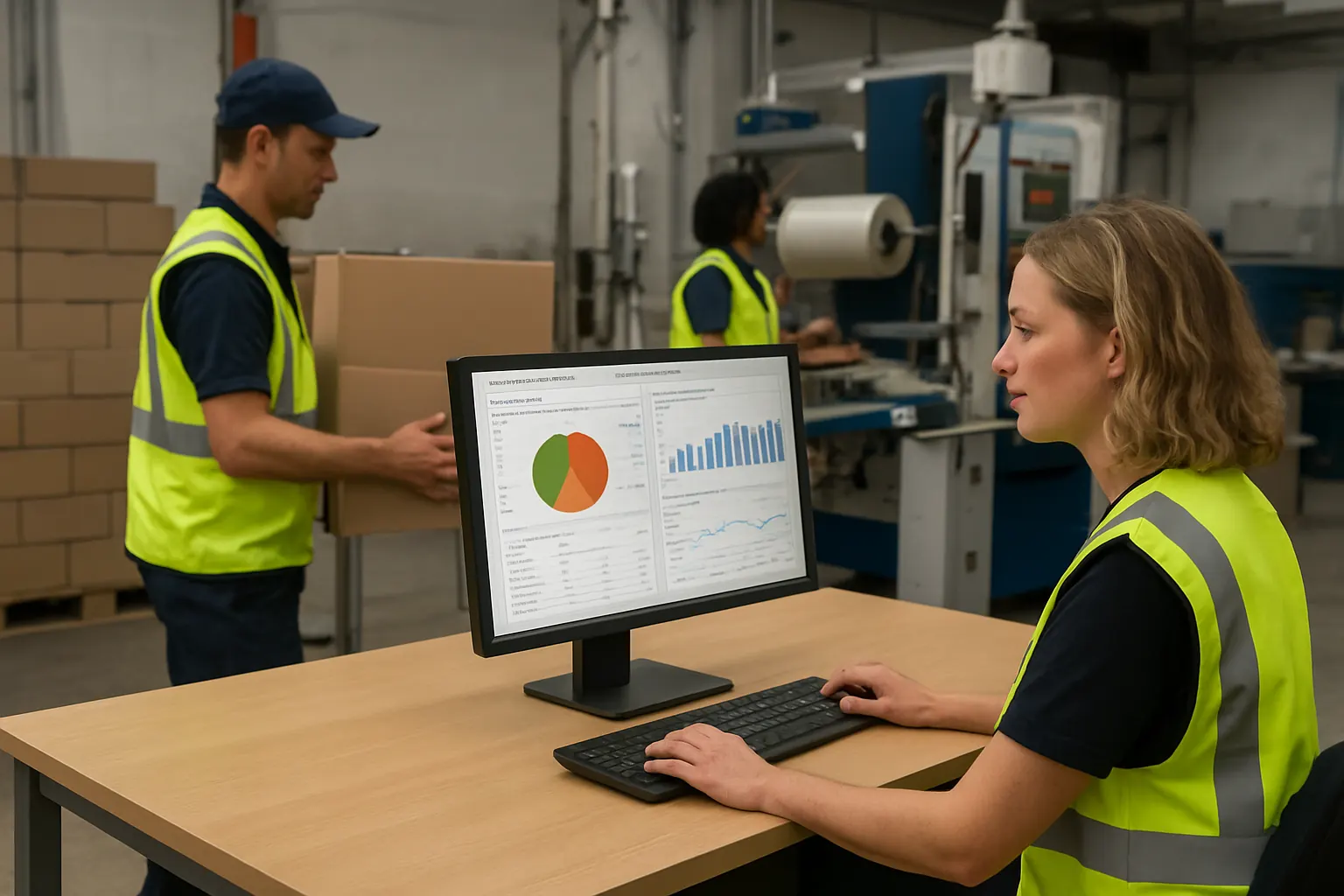
A 90-Day Rollout Plan for Successful Automation
Weeks 1–2: Discovery and Baseline Setup
- Map existing workflows end to end, identifying manual pain points.
- Catalogue current systems, subscriptions, integrations, and data sources.
- Define pilot process scope—typically artwork approval and related scheduling.
Weeks 3–6: Module Development and Integration
- Build owned modules for core artwork lifecycle steps.
- Integrate existing design tools, ERP, production tracking, and communication platforms.
- Configure AI capabilities for classification and prioritisation in artwork handling.
Weeks 7–12: Testing, Training, and Refinement
- Pilot workflows in live environment with real teams.
- Gather user feedback to refine dashboards and exception alerts.
- Establish documented controls for approvals, compliance checkpoints, and audit trails.
- Train staff on new tools and workflows, focusing on human oversight in decision points.
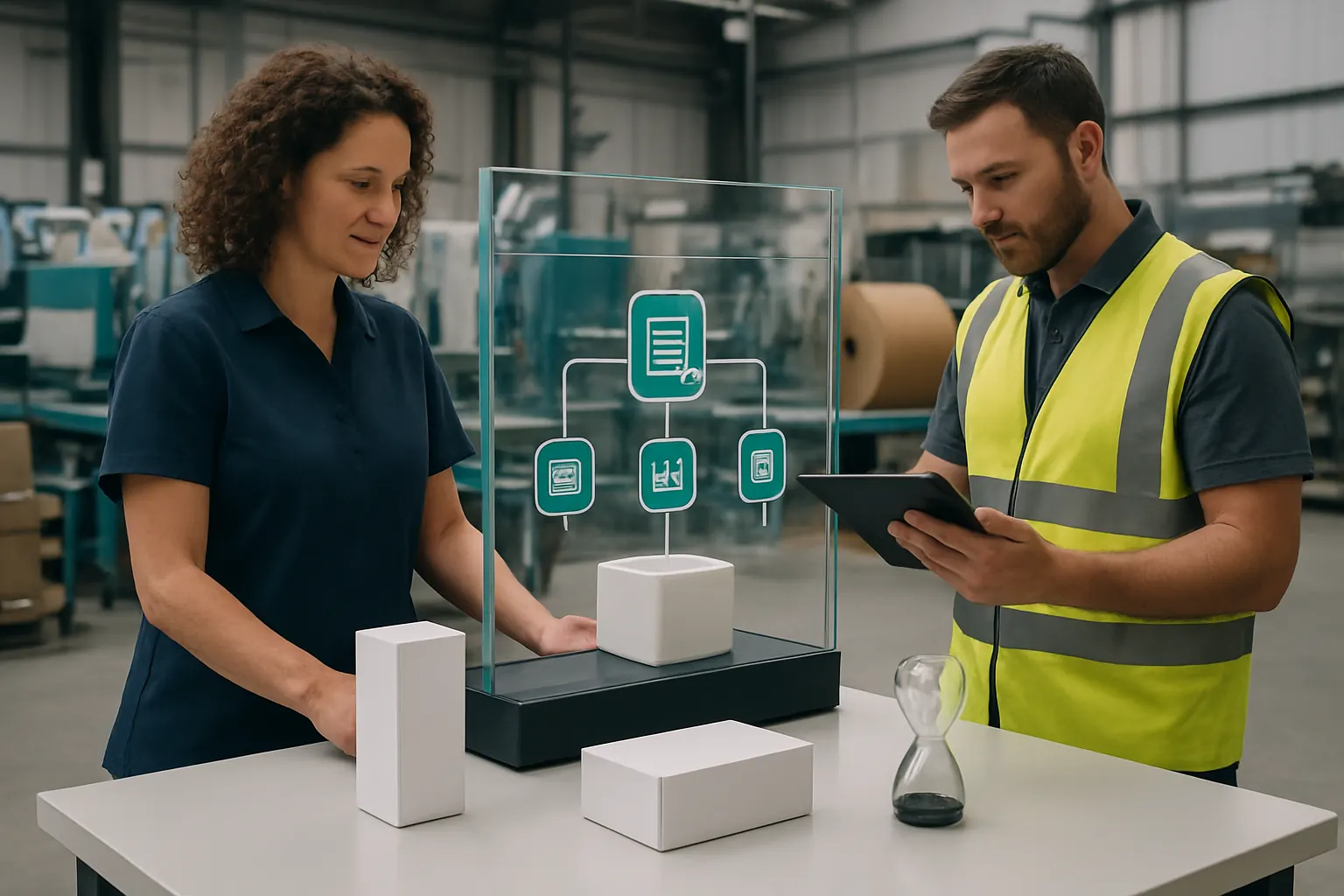
How AI Implementation UK Connects and Automates Your Packaging Workflow
AI Implementation UK specialises in building a connected operating environment that your packaging business owns. Rather than layering disconnected SaaS products, we build one tailored system around how you work. This system connects your existing useful software and permanent data, replaces redundant subscriptions with owned modules, and brings operational data into a single dependable record.
We apply AI selectively to support variable tasks like artwork classification, summarisation, prioritisation, and decision support, leaving predictable processes to deterministic rules and human reviews for compliance and quality.
Our approach avoids the pitfalls of "buying more apps" by providing one orchestrated, flexible workspace. This end-to-end automation of order to production embraces your workflows naturally, integrates with specialist external tools only when strictly needed (such as payments or communications), and provides real-time dashboards for complete operational visibility.
To explore how your packaging business can benefit from owned workflow automation, connect your existing systems and pilot these transformations, join us in a discovery discussion, or plan your platform rollout with AI Implementation UK. Our experience in manufacturing automation and data infrastructure preparation ensures rapid progress and measurable impact.
References
- Packaging Automation solutions overview: Allpack UK
- Warehouse efficiency through packaging automation: Automate-X
- Packaging automation trends: Palpack
- ICO guidance on data protection in automation: ICO
- NCSC advice on secure software integration: NCSC
This detailed review provides packaging manufacturers a clear pathway to automate artwork approvals and streamline production scheduling without adding operational complexity. Ownership and integration are the keys to sustainable efficiency, quality, and compliance.