Learn how machinery manufacturers can connect systems, reduce manual admin and automate order to production with one tailored operating platform the business owns.
Machinery manufacturers bills of materials automation software: What Breaks Daily
Machinery manufacturers bills of materials automation software should connect bookings, people, communications and reporting in one reliable operating flow.
Machinery manufacturers in the UK face persistent operational challenges that disrupt production schedules and impact overall efficiency. The daily realities often include slow and error-prone updates to Bills of Materials (BOMs), fragmented communication between order processing and production teams, and difficulty tracking inventory changes. These problems cascade into delays, increased costs, and frustration among staff.
Common workflow disruptions include managing last-minute design alterations, addressing raw material shortages without clear visibility, and juggling multiple software tools that do not “talk” to each other. Staff frequently use spreadsheets and disconnected systems, leading to duplicated administrative work, lost time, and inconsistent data.
These breakdowns can be resolved without replacing the entire IT architecture by using a single, connected operating system tailored precisely around how the business functions. This guide outlines five practical ways machinery manufacturers can automate and improve their BOM processes while retaining valuable existing systems.

The High Cost of Manual Processes in Machinery Manufacturing
Manual BOM management and production scheduling take up valuable time and introduce risk:
- Time wasted in administration: Manual data entry and cross-referencing slow down order to production workflows.
- Errors and omissions: Mistakes in BOM revisions or inventory counts can cause costly rework or late deliveries.
- Compliance risks: Vital quality controls may be missed if paper or spreadsheet workflows lack transparency and clear approval gates.
- Cashflow impacts: Poor visibility of material consumption affects purchase planning, increasing stock holding costs and risk of stockouts.
- Staff morale: Reliance on multiple disconnected systems creates frustration and burnout.
Automation software focused on BOMs and connected operational data brings efficiency, accuracy, and timely insights. Crucially, it allows businesses to replace subscription-heavy collections of SaaS tools with owned software modules designed around individual needs. This structured approach preserves human oversight where it matters most.
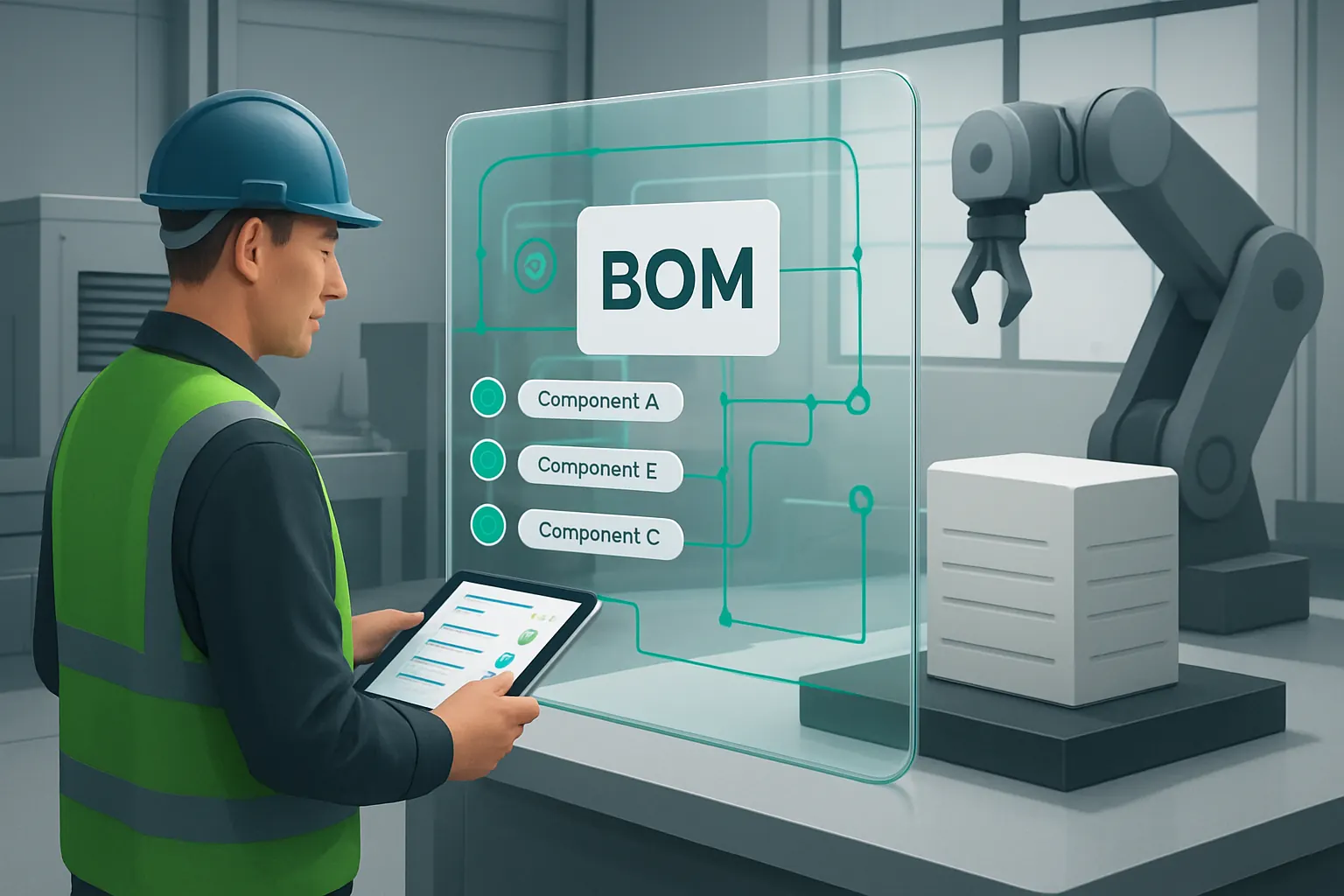
Unified BOM Editing That Reflects Real-Time Reality
Solving Fragile BOM Updates Across Teams
In machinery manufacturing, BOMs must be modified rapidly to respond to stock shortages, costing changes or customer customisations. Disconnected spreadsheets or legacy tools mean updates happen slowly and often contain errors.
Streamlining BOM Workflows with Integrated Editing
A single system owned by the business enables immediate, authorised BOM changes that flow through procurement and production without delay. Integrated workflow approvals and exception alerts ensure quality controls precede any final release.
Leveraging Existing ERP and Inventory Systems
Rather than discarding current ERP or inventory management software, connectors can bring these into one workspace. This avoids double data entry while retaining trusted inventory tracking modules, keeping the BOM a “live” document.
Example: Adjusting for a Substitution Part
If a key component goes out of stock, the system flags the issue. A user edits the BOM with a suitable substitute, and the update automatically adjusts purchase orders and production schedules. This reduces disruptions without waiting for batch exports or email approvals.
Built-in Controls and Audit Trails
Configuration allows workflows to define who can edit BOMs, what changes require managerial sign-off, and automatic logging of modifications for regulatory compliance and quality assurance.

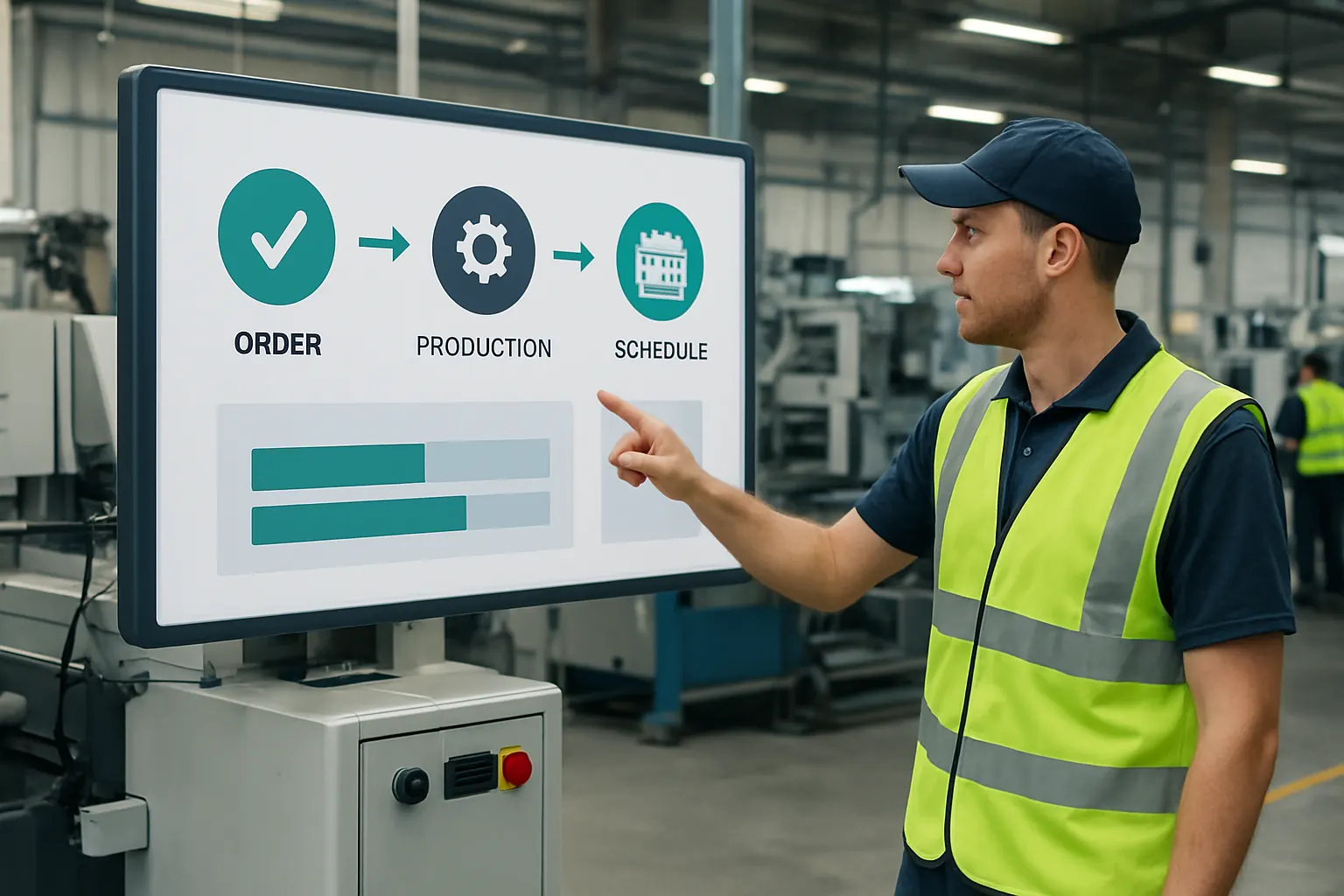
Automated Order to Production Scheduling Dashboard
The Challenge of Manual Status Updates
Shop floor teams often rely on ad hoc emails or spreadsheets to communicate progress. This causes misunderstandings about what stage each order is at, leading to idle machines or bottlenecks.
Bringing Real-time Production Visibility into One Workspace
A custom dashboard consolidates order status, resource availability, and BOM updates in a coherent view accessible to planners, supervisors and machine operators. The dashboard is tailored to reflect the exact production workflow of each manufacturer.
Enhancing Existing Production Tools with API Links
Where a manufacturer already uses scheduling or resource management software, automated connectors feed key data into the dashboard. This approach preserves investments while enabling a single operational record.
Example: Prioritising Urgent Orders
The dashboard highlights high-priority jobs and alerts supervisors to potential delays caused by missing components or planned maintenance. Production teams can re-sequence tasks or source materials proactively, preventing downtime.
Rules-Based Alerting and Human Decision Gates
Predictable triggers such as late delivery or quality exceptions generate alerts automatically. Responsibility remains with authorised staff to approve exceptions and resolve issues through the connected system.
Inventory and Materials Planning Integration with BOM Automation
Struggling with Visibility of Consumption and Stock Levels
Manual reconciliation of inventory movement versus usage in production creates data gaps that impair accurate forecasting and ordering.
Connecting Inventory Management with BOM Data for Better Planning
The owned system aggregates inventory data alongside BOM specifications and production plans. This unified view facilitates dynamic, accurate materials planning linked directly to active orders.
Retaining and Enhancing Current Inventory Software
Rather than replacing inventory systems, the workflow integrates inventory snapshots with the BOM module for synchronous updates. Suppliers and warehouse teams access precise requirements without toggling software.
Example: Automating Reorder Triggers
When inventory drops below thresholds calculated against active BOMs and scheduled production, the system automatically alerts purchasing staff. Teams receive granular suggestions on replenish quantities, reducing overorder risk.
Maintaining Auditability and Approval for Replenishment
Ordering workflows include mandatory review points and exception handling to prevent inadvertent overstocking or missed deadlines, ensuring control and accountability.

Quality and Maintenance Record Automation Linked to BOMs
Manual Logging Creates Quality Risks and Delays
Machine service and quality checks are often recorded separately, complicating traceability and obscuring links to specific BOM revisions or production batches.
Unified Quality and Maintenance Records Tailored to Machinery Workflows
By tying quality data and maintenance schedules directly to BOM versions and production orders, the system supports timely quality review and reduces potential for nonconformities.
Integrating Specialist Compliance and Service Tools
External solutions for high-precision measurement or machine health monitoring remain integrated. Data from these specialists flow into the central record, preserving specialist functionality within a consistent framework.
Example: Streamlining Change Approval Processes
When a BOM revision mandates specific quality tests or additional machine calibration, the system enforces the checklists before authorising production continuation. Logged outcomes feed into accessible dashboards for compliance oversight.
Controls for Responsible Quality Oversight
Role-based permissions separate input from approval stages. Alerts notify supervisors of out-of-spec results or maintenance due dates in time to take corrective action.

Selective AI Assistance for Classification, Prioritisation and Decision Support
Avoiding Overuse of AI in Routine Manufacturing Tasks
Not all BOM and production automation tasks require AI — many benefit from deterministic rules and human oversight. The risk lies in uncritically automating complex or high-stakes decisions with black-box tools.
Applying AI Only Where It Adds Clear Value
AI modules assist in classifying incoming orders by complexity, summarising change logs for quick review, prioritising urgent issues, and supporting human decisions with predictive insights. Automation remains rule-bound and transparent.
Integrating AI into the Owned System Environment
AI operates as a selective feature embedded within the platform, enhancing rather than replacing human expertise. This preserves accountability and allows rapid review of AI-generated suggestions.
Example: AI-Driven Prioritisation of Production Exceptions
When multiple exceptions occur simultaneously, AI suggests a ranked order based on likely impact, resource availability, and delivery deadlines. Planners review and adjust the prioritisation before action.
Controls to Retain Final Human Approval
All AI recommendations remain advisory, with clear explanations and audit trails. Managers intervene before changes affect production or procurement.

Planning a 90-Day Rollout for Bills of Materials Automation
Weeks 1–2: Discovery and Core Data Integration
- Map out existing workflows and systems around BOMs, production, and inventory.
- Prioritise key operational pain points suitable for improvement.
- Develop connectors to existing ERP, inventory, and production tools to build a unified data workspace.
Weeks 3–6: Build and Pilot Core Automation Modules
- Deploy BOM editing and approval workflows with audit controls.
- Launch an early production status dashboard tailored to user feedback.
- Start inventory planning integration linked to BOMs and live order data.
Weeks 7–12: Expand Functionality and Implement Quality and AI Layers
- Introduce quality and maintenance record automation tied to BOM revisions and production orders.
- Embed AI features for specific tasks such as classifying orders and prioritising exceptions.
- Train operational teams on using controls to maintain compliance and oversight.
- Collect metrics and feedback to refine workflows and dashboards.
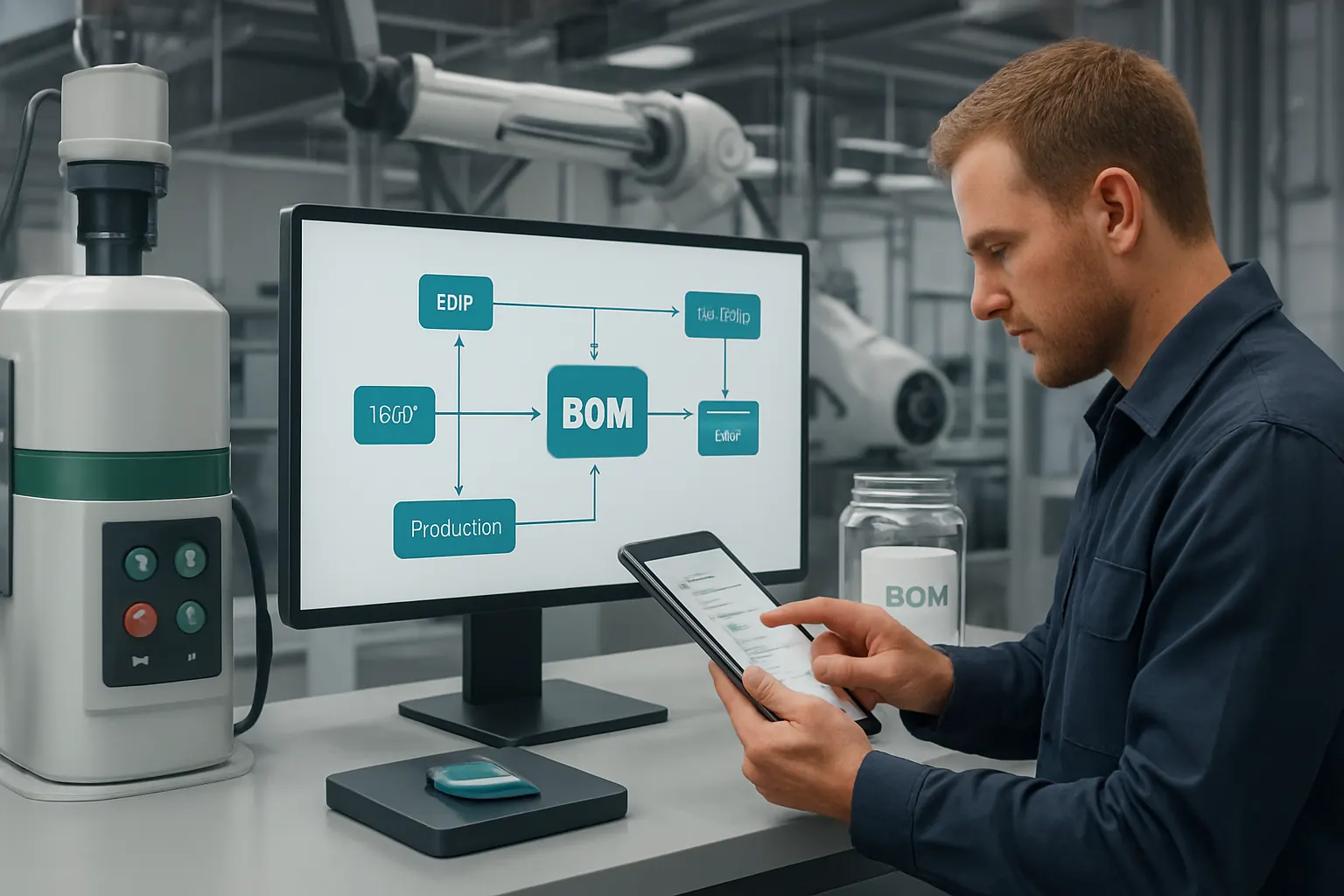
How AI Implementation UK Connects and Automates Your Operation with Ownership
At AI Implementation UK, we specialise in designing and deploying a single connected operating system tailored completely around how machinery manufacturers work. We help companies:
- Connect useful existing systems by building robust data links, enabling information to flow seamlessly without replacing trusted tools such as ERP, inventory or production schedulers.
- Replace avoidable subscription products with owned modules built specifically to optimise BOM management, materials planning and production workflows.
- Consolidate operational data into one reliable and accessible record, supporting dashboards and alerts customised for each role.
- Selectively integrate AI capabilities to enhance classification, summarisation, prioritisation and decision support—always under human supervision.
- Preserve quality controls and compliance by configuring rule-based workflows and approval gates, ensuring critical manufacturing decisions remain transparent and accountable.
Our approach avoids the pitfalls of stitching together disconnected SaaS products, which often lead to ballooning costs and operational complexity. Instead, clients receive a system they own and evolve, built precisely to their unique processes and UK manufacturing standards.
To explore how to automate your order to production workflows, reduce manual BOM administration and bring operational clarity, start your journey with us by planning your own bespoke operational system here.
For further reading on related topics, visiting our insights on process automation and data infrastructure may be valuable.
For legal and data privacy considerations when integrating multiple systems, always consult authoritative guidance from the ICO and UK Government digital security advice from the NCSC. When payments form part of your automated workflows, PCI compliance standards detailed by the PCI Security Standards Council remain essential.
By adopting a connected, owned system approach, machinery manufacturers can confidently automate their Bills of Materials and production processes, improving efficiency, accuracy, and operational resilience in the competitive UK manufacturing landscape.
To turn these priorities into one coherent system, map the platform your business needs or explore our workflow automation approach.