
Learn how mental health and counselling practices can connect systems, reduce manual admin and automate referral to appointment with one tailored operating.
Mental-health and counselling practice workflow automation: What Breaks Daily
Mental-health and counselling practice workflow automation should connect bookings, people, communications and reporting in one reliable operating flow.
Mental-health and counselling practices in the UK face daily operational hurdles that disrupt care delivery and administrative flow. Referrals arrive through multiple channels; appointments are manually scheduled; patient records are spread across disparate systems. This fragmentation leads to lost time, errors, and compliance risks. Therapists and administrators wrestle with repetitive tasks that detract from patient engagement. Urgent communications between staff and patients often falter. Ultimately, these breakdowns create friction in delivering timely, consistent care.
The core challenge is that typical software arrangements consist of siloed applications—each designed for a narrow function with limited interoperability. Practices often patch these together, but the resulting ecosystem is brittle, confusing, and costly.

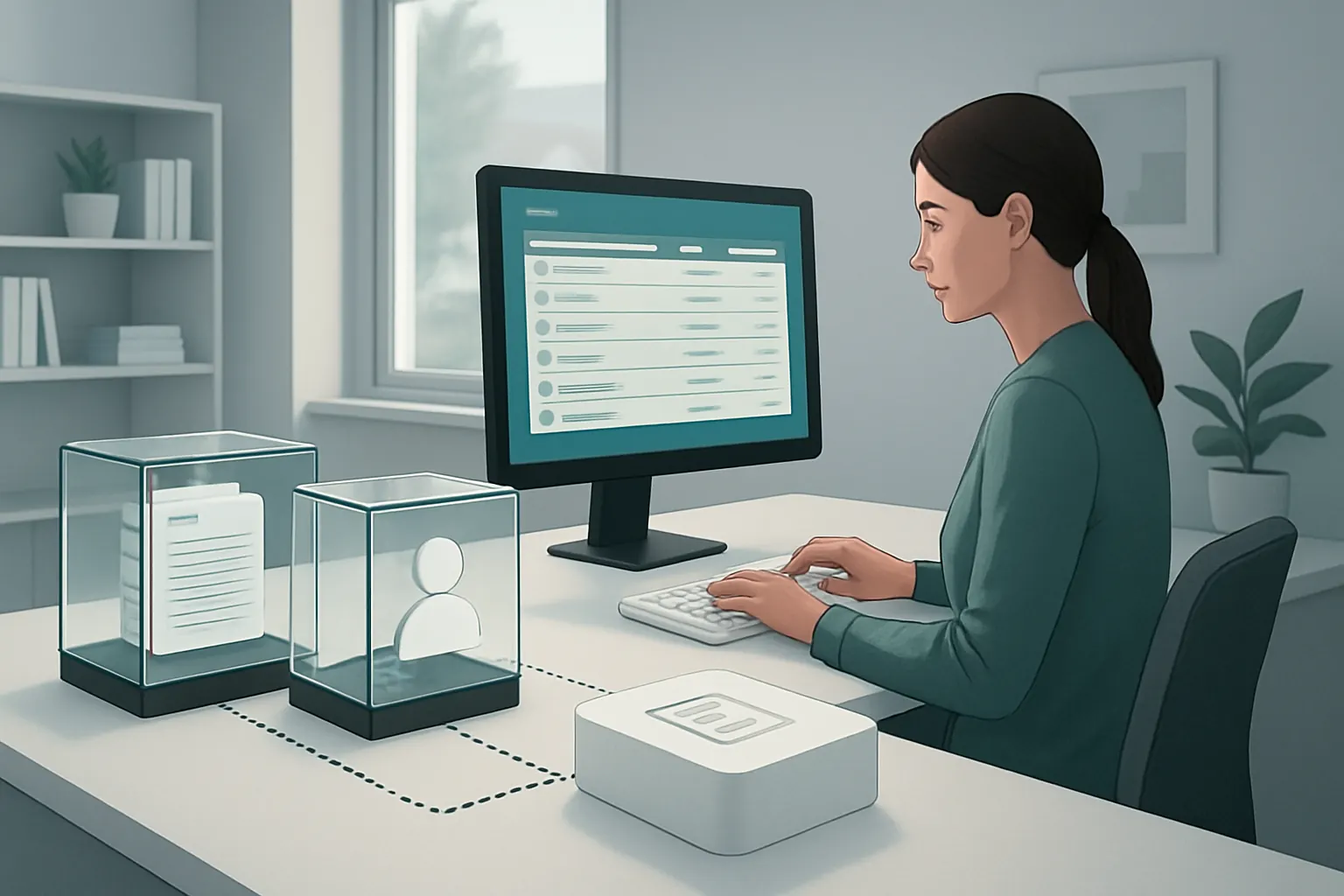
Referral Handling Reinvented: Streamlining Intake with Tailored Connectivity
The Challenge of Unstructured, Multi-Channel Referrals
Referrals arrive by email, phone, NHS e-Referrals, or online forms. This heterogeneity forces staff to manually triage and enter data into multiple systems. Errors or missing details delay patient onboarding. Valuable information about urgency or clinical needs is often buried or overlooked.
Connecting Referral Sources Into a Single, Reliable Record
A unified system captures referral data from all channels into one controlled workspace, linked to referral management and appointment modules. Existing reception or NHS e-Referral tools can be connected rather than replaced, preserving trusted functions.
Practical Integrations for Referral Automation
- NHS e-Referral Service API integration for real-time updates
- Secure email parsing modules that extract structured data
- Online referral forms embedded in the practice website
- Role-based triage workflows with alerting for urgent cases
Example: Automated Triage and Scheduling Prep
A referral email is automatically read for key terms (e.g., severe depression). The case is flagged by AI-powered classification for priority review. Referral information pre-populates the booking record without manual re-entry. Administrative staff then confirm appointment slots based on patient and clinician availability.
Embedded Controls for Clinical Oversight and Data Protection
- Referral categorisation reviewed by qualified clinicians before patient contact
- Audit trails of all triage decisions and changes
- Role-based access ensuring only authorised staff handle sensitive data
- Integration with designed to support UK GDPR obligations document storage and consent management

Appointment Scheduling Optimised: Automating Booking Workflows Without Replacing Essentials
Repetitive Scheduling Tasks Waste Time and Cause Conflicts
Many practices juggle paper diaries, spreadsheets, or standalone booking apps. Staff coordinate clinician availability, patient preferences, cancellations, and follow-ups manually. This invites double bookings and missed appointments.
A Connected Booking Workspace Built Around Business Realities
An owned scheduling module tailored to the practice consolidates sessions, manages clinician rotas, and automates patient communications. It connects bidirectionally with calendars and reminder systems already trusted by your team.
Useful Integrations for Seamless Session Coordination
- Calendar sync with Microsoft Outlook or Google Calendar
- SMS and email reminder automations for appointment confirmations
- Payment gateways facilitating upfront session fees or deposits
- Video consultation providers (e.g., Attend Anywhere) integrated as session types
Concrete Example: Reducing No-shows with Automated Reminders
Patients automatically receive an SMS reminder 48 hours before their session, with simple options to confirm or request rescheduling. If cancelled, their slot is immediately released to waitlisted clients, maintaining optimal clinician utilisation.
Maintaining Control Over Timing and Changes
- Rules enforce minimum notice periods for cancellations
- Managers can override schedules when necessary, with change logs
- Patients’ scheduling preferences and accessibility needs are stored and respected
- All appointment communications pass through the owned communication log for audit purposes
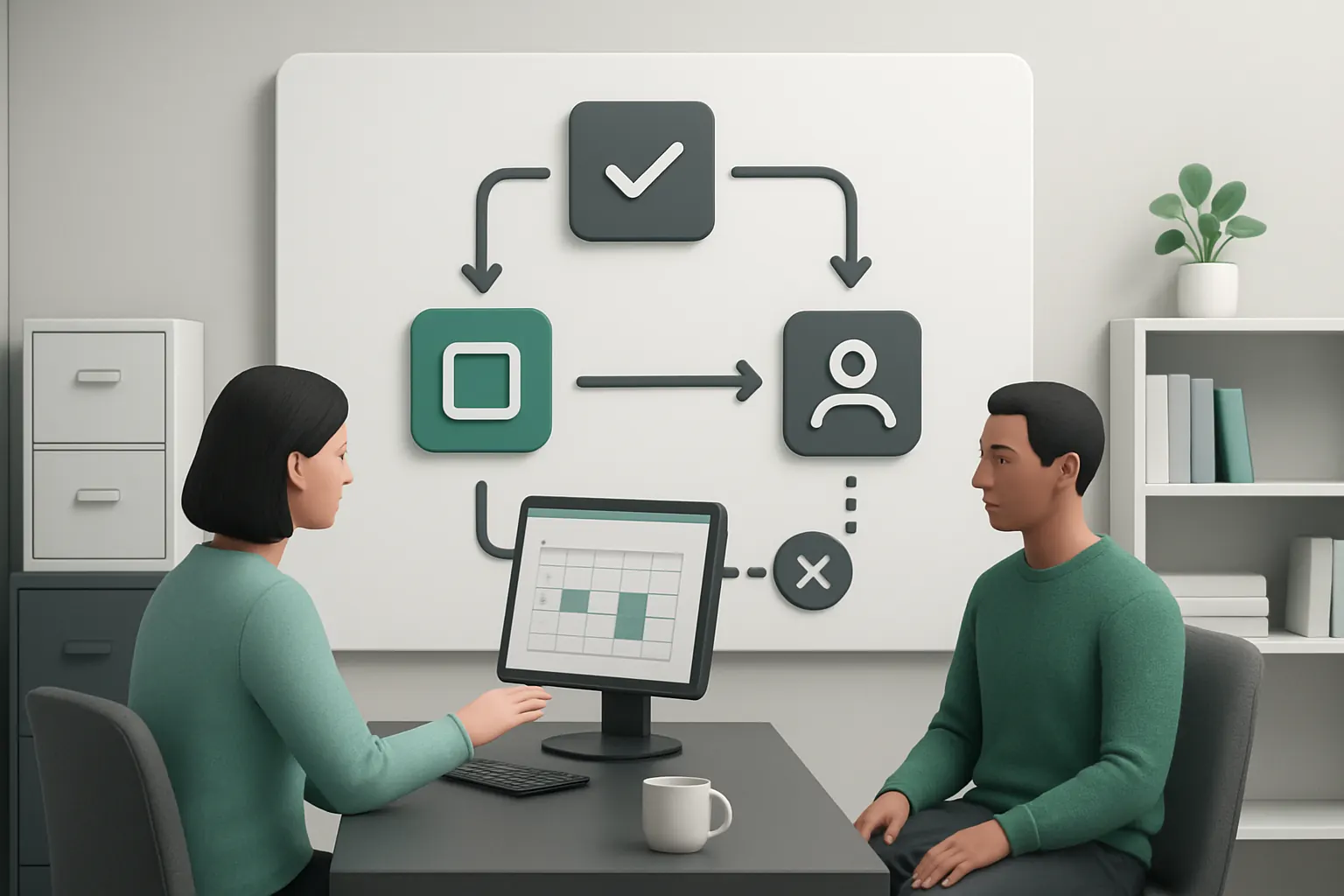
Centralising Patient Records: Building a Single Source of Truth Grounded in Existing Systems
Fragmented Records Make Care Continuity and Compliance Complex
Patient notes, outcome measures, and feedback are often stored across separate electronic health records (EHR), spreadsheets, or paper files. Clinicians and administrators struggle to view complete, current information quickly.
An Owned Record Module That Connects and Consolidates Data
Creating one reliable, unified patient record—linked directly to referrals and appointments—enables end-to-end visibility. Existing EHR software can be connected via APIs or synchronized exports to maintain legacy investments.
Integrations That Bring Data Together Seamlessly
- Bi-directional sync with popular EHR systems common in UK mental health practices
- Outcome measurement tools imported automatically to patient profiles
- Document scanning and secure digital storage solutions integrated for paper records
- Task and alert routing modules to prompt review and follow-up actions
Example of Unified Clinical Dashboard
Clinicians see comprehensive patient summaries, ongoing care plans, session history and risk flags in a tailored dashboard during consultations. Notifications prompt timely entry of follow-up notes and outcome assessments.
Controls to Ensure Clinical Safety and Data Integrity
- Access permissions based on clinical role and patient consent
- Versioning and audit trails for note amendments
- Structured templates ensuring essential data fields are completed
- Human sign-off required for critical risk assessments and discharge plans

Streamlined Task Routing and Follow-up: Automate Notifications with Human Safeguards
Staff Often Lose Time Tracking Tasks and Following Up Manually
Tasks related to patient care, documentation, billing, and compliance need prompt attention but can fall through the cracks in busy practices. Manual chasing causes delays and frustration.
Workflow Automation Tailored to Practice Processes
Automated task routing notifies the right person when an action is due, escalating as needed. Deterministic rules manage routine tasks; AI assists with task prioritisation and summarisation where variable judgement is needed.
Key Integrations for Effective Workflow Management
- Task management linked to patient records and appointment schedules
- AI-assisted email triaging to prioritise urgent messages
- Integrated messaging for internal staff communications
- Digital signature tools for approvals and consents
Example: Ensuring Timely Outcome Review and Billing Completion
Following a series of therapy sessions, the system automatically reminds clinicians to complete outcome measures. Billing clerks receive alerts when sessions are marked ‘complete’ to issue invoices promptly.
Embedded Checks and Human Control Points
- Alerts can be acknowledged, postponed, or escalated by staff
- Managers review backlog reports weekly via dashboards
- AI outputs are transparent and reversible by users
- Every task action is recorded securely for auditing

Simplified Payment and Communication Integration: Owned Systems with Specialist External Services
Handling Payment and Patient Communications is Vital but Complex
Payment processing systems and secure communication channels are essential but typically rely on external third parties. Negotiating multiple subscriptions and systems creates overhead.
Owned Modules Connected to Specialist External Tools
Where possible, owned finance and communication modules replace avoidable SaaS subscriptions. Payments are integrated via PCI-compliant gateways; communications use secure APIs for SMS, email and video calls.
Practical External Integrations Common in the UK Market
- Payment gateways such as Stripe or Worldpay linked directly to session records
- SMS providers offering two-way messaging with audit trails
- NHS-approved video consultation tools embedded in session scheduling
- Secure document exchange platforms for patient handouts or reports
Concrete Example: End-to-End Patient Journey from Booking to Payment
A patient books an appointment and receives reminders via SMS. After attending, they receive a secure payment link that updates the accounting record automatically. Communications history is stored alongside clinical notes.
Controls Supporting Privacy, Compliance, and Financial Security
- Payment workflows built to comply with PCI Security Standards Council guidance
- Patient communications encrypted and logged per ICO requirements
- Human approval required for refunds or billing disputes
- Audit logs for financial and communication transactions

A 90-Day Rollout Plan for Workflow Automation Success
Weeks 1–2: Assessment and Planning
- Conduct a detailed workflow analysis of referrals, scheduling, and record keeping
- Map current software and manual steps; identify integration points
- Define priority automation areas aligned with practice goals
- Agree on controls and approval points with clinical governance
Weeks 3–6: Build and Integrate Core Modules
- Develop owned referral intake, appointment scheduling and patient record components
- Connect existing NHS e-Referral, calendars, and EHR exports via APIs
- Implement data centralisation and establish audit trails
- Configure task routing workflows with human oversight mechanisms
Weeks 7–12: Pilot, Train, Iterate and Deploy Fully
- Run live pilots with selected clinicians and admin staff
- Train all users on workflow changes and data governance
- Collect feedback; refine AI models and rules
- Extend communication and payment integrations
- Move to full operational use with management dashboards monitoring key metrics

How AI Implementation UK Transforms Your Practice Into One Connected Operation
At AI Implementation UK, we deliver a single connected operating workspace designed around your practice’s specific workflows. Instead of assembling a patchwork of disconnected SaaS products, we build owned systems that connect your existing trusted tools with robust automation tailored to your daily realities.
Our approach enables mental-health and counselling practices to:
- Preserve investment in proven referral and EHR systems, integrating them into one unified patient journey
- Replace avoidable subscriptions with owned modules for scheduling, record management and task routing
- Bring operational data into one reliable record and tailored dashboards for management visibility
- Use AI selectively for classification, prioritisation, summarisation and decision support—always retaining clinician approval for critical decisions
- Link specialist external payment and communications services securely and seamlessly
Our compliance framework supports your obligations under GDPR, NHS standards, and UK data protection. Audit trails, role-based access and configurable rules protect the integrity of patient care while enhancing efficiency.
Unlock the power of workflow automation in mental-health and counselling practice with a tailored, owned system that scales, adapts and puts your team’s energy into patient care instead of repetitive admin. For a practical roadmap and expert delivery, visit our process automation services or start planning with our platform design consultancy.
For further guidance on data infrastructure and AI strategy aligned with healthcare best practices, explore our data infrastructure preparation and AI strategy roadmapping services.
Information on data protection can be found on the ICO website: ICO data protection guidance
Guidance on secure payments is available via the PCI Security Standards Council: PCI Security Standards Council guidance