
Learn how medical device manufacturers can connect systems, reduce manual admin and automate order to production with one tailored operating platform the business.
Medical-device manufacturers design controls automation software: What Breaks Daily
Medical-device manufacturers design controls automation software should connect bookings, people, communications and reporting in one reliable operating flow.
Medical-device manufacturers are caught in a high-stakes environment where daily operations face continuous strain. From managing complex design controls to ensuring production traceability and handling quality events, the risk of errors and delays is ever-present. Paper trails, disconnected software, and manual inputs disrupt workflows, fragment data, and complicate regulatory reporting. Teams juggling compliance checklists, material planning, and production schedules often work with systems that do not communicate smoothly. This fragmentation leads to duplicated efforts and slow response times, undermining agility in a tightly regulated sector.
As pressure mounts to reduce costs and improve traceability, manufacturers seek not just more software but a connected, owned system adaptable to their existing workflows. The challenge is integrating current systems, consolidating data, and automating process steps—including crucial design control tasks—without overwhelming compliance demands or losing visibility.

The Financial and Operational Toll of Manual Processes
Manual work burdening day-to-day activities translates directly into wasted time, higher error rates, and increased compliance risk. Each delay in capturing design changes or quality events raises the possibility of production bottlenecks. Inaccurate or scattered data weakens traceability, making regulatory reviews lengthy and costly. Over-reliance on multiple SaaS subscriptions inflates operating costs and complicates vendor management.
Cashflow suffers when manual order-to-production handoffs slow throughput or cause inventory misalignments. Staff morale can dip as people shift focus from innovation to firefighting paperwork. Ultimately, the cost of disconnected systems and manual processes shows up as slower time-to-market and potential regulatory pushback.
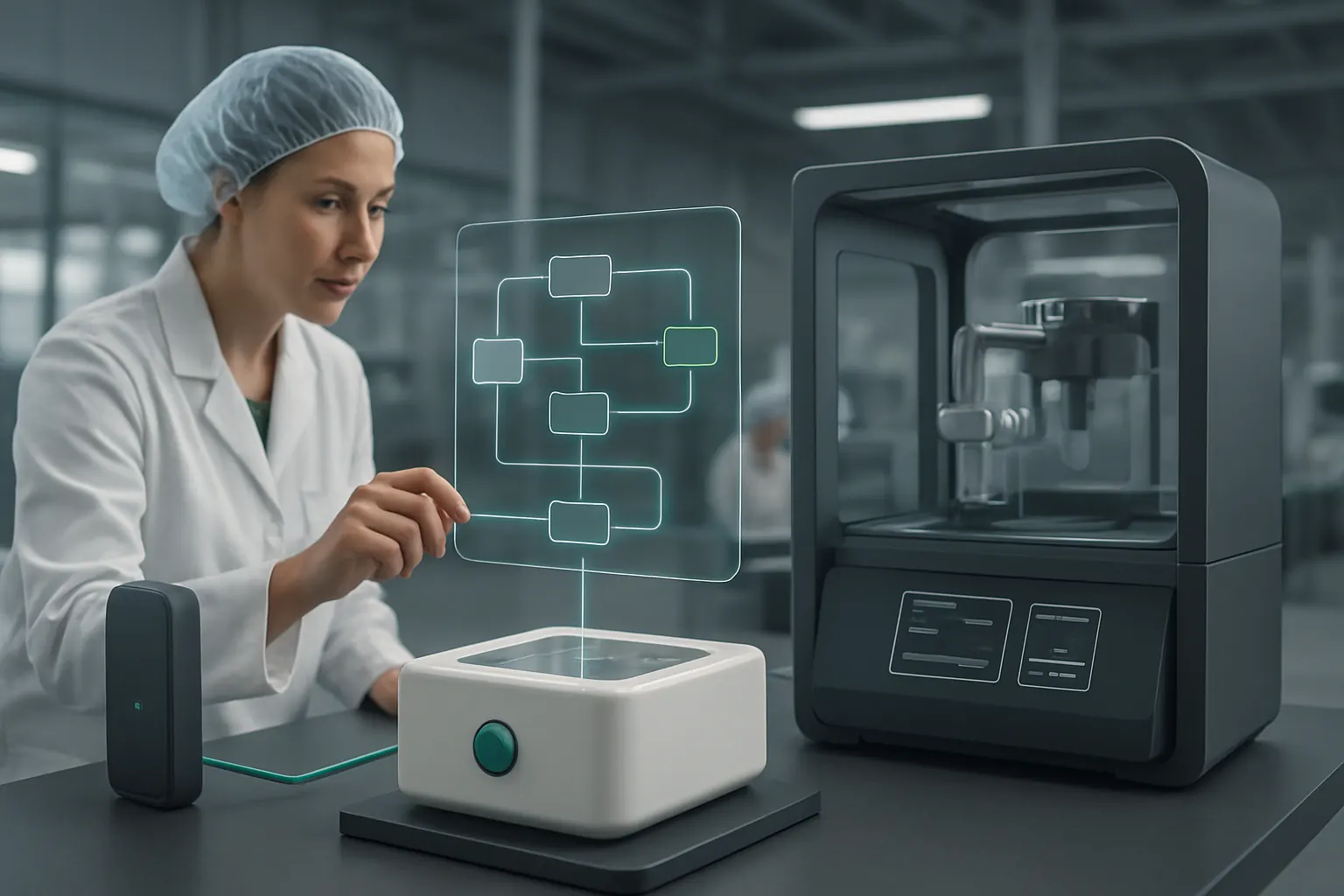
Seamless Integration of Legacy Systems and Owned Modules
Fragmented Systems Hinder Design Control Workflows
Manufacturers often run legacy ERP, quality management, and CAD systems alongside specialist spreadsheets or email chains. This fragmentation impairs capturing end-to-end design control steps and limits visibility into production readiness.
Building Connected Workflows around Existing Assets
Our approach connects these existing systems within one business-owned operating environment. Owned modules replace redundant subscriptions only where it improves workflow reliability and lowers costs.
Integration Example: CAD to Quality Event Traceability
For instance, design revision data from legacy CAD software is synced automatically to the quality event system, triggering review and approval workflows without manual duplication. This consolidates traceability records into one reliable source.
Control Practices to Safeguard Design Data Integrity
Integrated change-approval workflows maintain audit trails and prevent uncontrolled revisions. System rules flag anomalies for human review before production proceeds.

Automating Order-to-Production Workflows for Traceability
Manual Order Handoffs Contribute to Delays and Errors
Hand-offs between sales, scheduling, procurement, and production teams typically involve manual transcription and follow-up calls, causing delays and errors.
Creating One Order Record to Power Production Status
We implement workflow automation that creates a single order record accessible across teams. Status dashboards update in real time without manual intervention.
Example: Cardiac Device Production Scheduling
Orders for cardiac devices automatically progress through procurement to production scheduling modules, with exception alerts if material shortages or machine availability issues arise.
Monitoring Controls for Production Readiness
Configurable alerts notify managers when exceptions occur, enforcing human oversight on critical scheduling decisions.
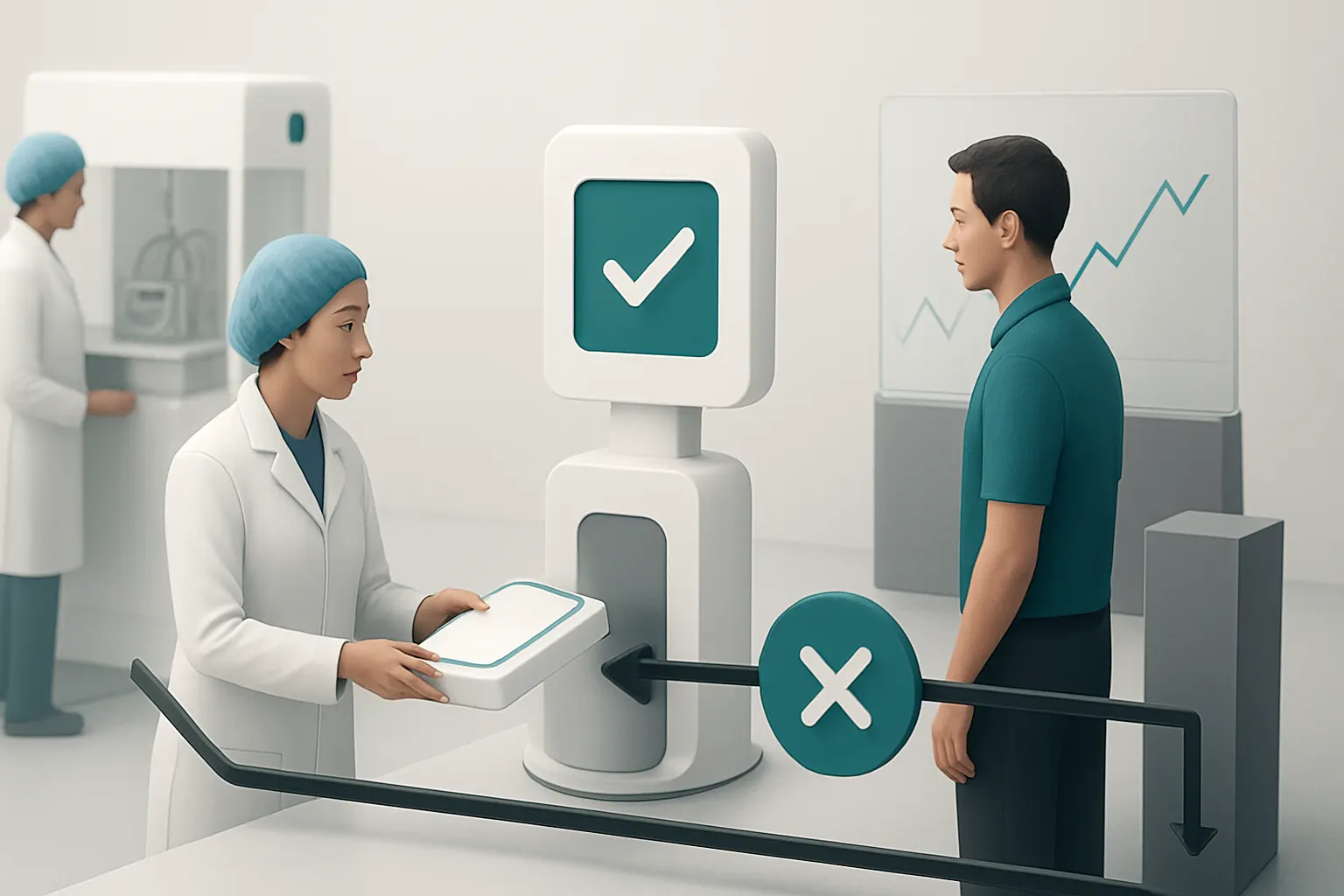
Data Consolidation for Real-Time Quality Monitoring
Quality Events are Often Recorded in Disparate Systems
Manual quality event reporting across multiple tools compromises timely detection of defects or deviations.
Connected Quality Records Enable Faster Root Cause Analysis
Consolidating quality event data into a shared dashboard enables trend monitoring and rapid escalation of critical issues.
Example: Quality Alert for Implantable Device Components
Automated capture of test failures from production lines integrates with incident reporting modules, generating immediate alerts for quality teams.
Controls to Preserve Compliance in Quality Event Reporting
Audit logs maintain full event histories. Exception-based escalation ensures management review where thresholds are crossed.

Reducing Software Sprawl with Owned Business Systems
Subscription Fatigue Obscures Workflow Clarity
Multiple SaaS solutions for scheduling, reporting and compliance often offer overlapping features, raising costs and increasing fragmentation.
Replace Avoidable SaaS with Tailored Owned Modules
We develop owned system modules that replace redundant subscriptions while fitting the exact workflow, reducing licensing fees and vendor complexity.
Example: In-house Document Control Module
Replacing a third-party document subscription with a built-in version control workspace tailored to design control documentation.
Control Mechanisms for Document Revision Governance
System-enforced locking and approval gates prevent unauthorized edits, safeguarding regulatory documentation standards.

Selective Use of AI for Complex Decision Support
Not All Tasks Suit AI Automation
Medical-device manufacturing requires strict human oversight on critical decisions such as design changes, regulatory interpretations, and production exceptions.
Using AI for Variable and Knowledge-Intensive Work
We incorporate AI selectively for tasks like classification of design documents, summarisation of quality event histories, and prioritisation of exception alerts.
Example: AI Knowledge Assistant for Support Teams
An AI assistant supports product and quality teams by providing instant answers from regulatory guidelines and previous cases, accelerating resolution times.
Controls to Maintain Human Approval
AI outputs trigger mandatory human confirmation before any change or approval that impacts compliance or production decisions.
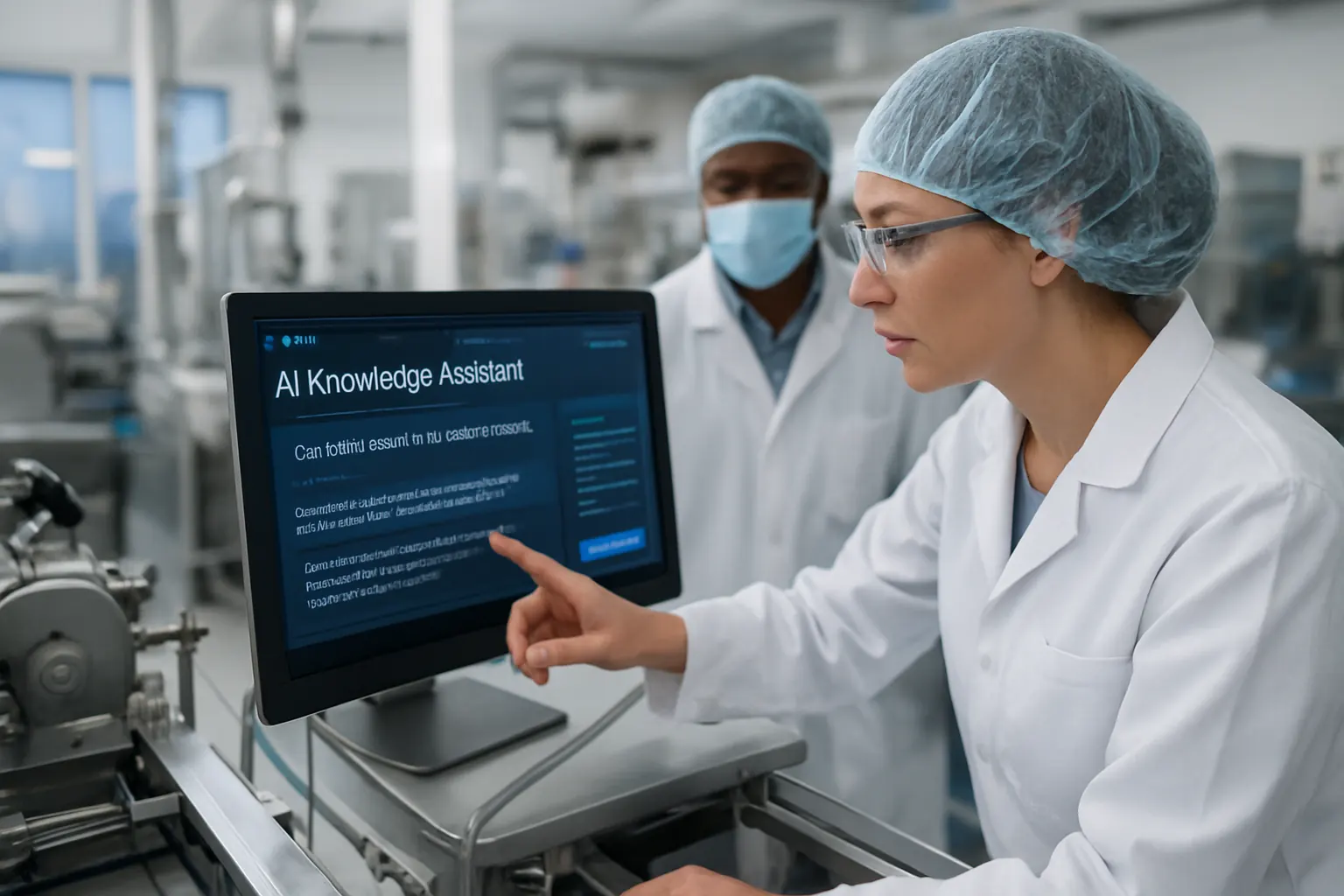
Building Custom Dashboards for Operational Transparency
Lack of Unified Visibility Hampers Decision-Making
Fragmented reporting leaves managers juggling spreadsheets and outdated status calls.
Tailored Dashboards Consolidate Data for Stakeholders
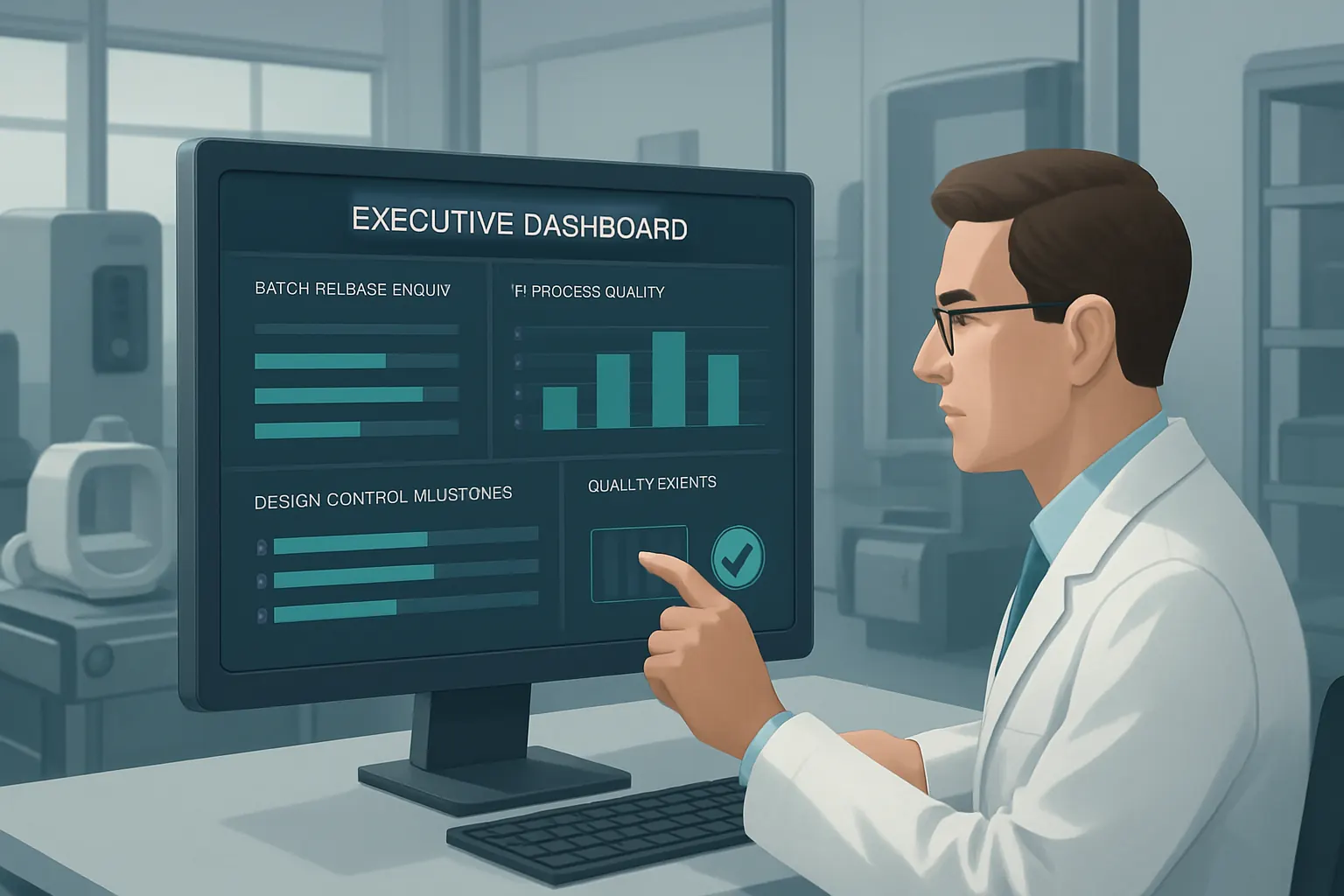
We design dashboards pulling data from all connected modules, configurable by role, showing real-time production metrics, design control milestones, and quality events.
Example Dashboard: Executive Oversight of Device Batches
An executive dashboard displays batch release status, in-process quality metrics, and outstanding design approvals.
Controls for Secure Data Access
Role-based access ensures sensitive data is visible only to authorised personnel, supporting privacy and security policies compliant with ICO guidelines.
Automating Maintenance and Calibration Scheduling
Manual Equipment Scheduling Causes Downtime Risks
Medical-device production depends on precise calibration and maintenance of machinery. Manual methods risk missed deadlines and unplanned downtime.
Connected Workflow Triggers Automated Scheduling and Alerts
Our system connects equipment data to maintenance workflows, automatically generating schedules and alerts when calibration windows approach.
Example: Automated Scheduling for Sterilisation Equipment
Sterilisation chamber maintenance tasks are scheduled and monitored via the system, with alerts sent to technicians and supervisors.
Controls to Verify Completion and Signoff
Technician input is required to confirm task completion. Escalation occurs if deadlines are unmet, preserving quality controls.

Secure Integration with Specialist External Services
Specialist Services Remain Critical Yet Often Siloed
Payment processing, external communications and supplier portals remain essential but should integrate seamlessly with core operations.
Maintaining Secure, Integrated Connections
We integrate such specialist external services via secured APIs that maintain data synchronisation without disrupting owned workflows.
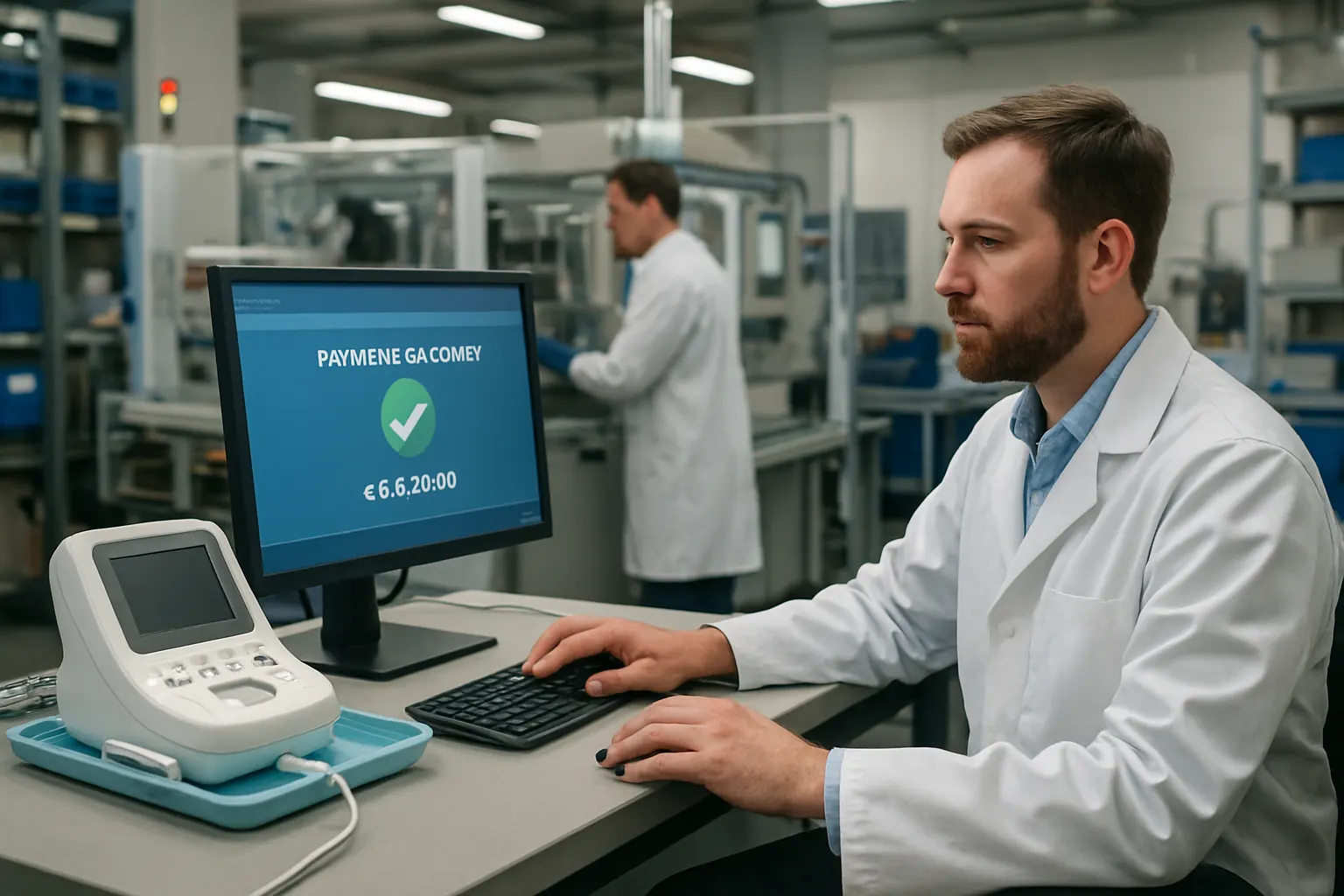
Example: Payment Gateway for Order Invoicing
Payment processing for custom device orders links directly to the sales and order management records, streamlining cash collection.
Controls Ensuring Payment Data Security
We follow PCI Security Standards for payment data handling and provide audit trails for financial transactions in compliance with GOV.UK guidance.
A 90-Day Rollout Plan for Automation Success
Weeks 1–2: Discovery and System Audit
Identify existing software, workflows and integration points. Collaborate with stakeholders to prioritise workflows for automation based on pain points and compliance risk.
Weeks 3–6: Build and Connect Owned Modules
Develop owned system modules to replace avoidable subscriptions. Connect legacy systems and set up real-time data flows. Begin configuring dashboards and exception alerts.
Weeks 7–12: User Testing, Training and Rollout
Pilot workflows with designated users, fine-tune automation rules, and deploy targeted training. Implement controls for approvals and escalations. Measure early KPIs on productivity and error reduction.

How AI Implementation UK Can Own and Automate Your Operations
Our offer for medical-device manufacturers is a single, connected, business-owned operating environment built around your actual workflows. We prioritise integrating your useful existing systems over imposing new disconnected SaaS. Our approach replaces only redundant subscriptions with modules you own and control, reducing total costs.
Operational data — whether from design controls, production orders, or quality events — flows into one trusted record that powers tailored dashboards and alerts. AI serves as a selective assistant on variable, knowledge-rich tasks like classification and summarisation, always preserving human approval on key compliance or production decisions.
This connected ecosystem supports the whole order-to-production lifecycle and quality management with embedded controls for reviews, change approvals and data security aligned to ICO and NCSC guidelines. Specialist external services such as communications and payments integrate securely to extend your capabilities without fragmentation.
To learn more about how we deliver workflow automation for medical-device manufacturers, or how we prepare your data infrastructure for reliable analytics, please get in touch. You can also explore our case studies showcasing successful automation rollouts in manufacturing sectors.
This is not a move toward more disconnected tools but an investment in one adaptable, owned system that reduces manual work, cuts costs, and strengthens traceability — all within your control and aligned to your business needs and compliance obligations.
To turn these priorities into one coherent system, map the platform your business needs or explore our workflow automation approach.