
A practical guide to letting agents automation software, connecting business systems, reducing repetitive admin and creating one operating platform the company owns.
What’s Breaking Daily in Letting Agents
Letting agents automation software should connect bookings, people, communications and reporting in one reliable operating flow.
Letting agents juggle a complex mix of enquiries, tenancy setups, maintenance, inspections, and compliance tasks every day. Each step involves multiple stakeholders—applicants, tenants, landlords, contractors—and numerous documents, deadlines, and communication channels. Fragmented IT systems or multiple silos of software slow down workflows, cause unnecessary admin, and increase the risk of errors.
Common breakdowns include:
- Missed follow-ups on new enquiries, losing potential tenants or instructions.
- Manual data entry repeated across CRM, property management, and accounting systems.
- Delayed maintenance resolution due to poor information flow between tenants, landlords, and contractors.
- Difficulty maintaining an up-to-date and easily accessible register of safety certificates and compliance records.
- Lack of transparency causing frustration and complaints from landlords and tenants alike.
These disruptions add up to wasted time, poor customer experience, and cashflow uncertainty. Letting agents need a better way to connect their daily processes, so they can cut admin and improve service.

The Cost of Manual Work in Letting Agencies
Operating with disjointed systems and manual handling drives inefficiency and compliance risks. The key costs include:
- Time lost in repetitive admin tasks. Typing the same applicant data into multiple systems, chasing overdue documents, or switching between tools for inspections drains valuable hours.
- Increased error and compliance risks. Manual data re-entry and overdue reminders cause mistakes and missed deadlines. Given tenancy is a regulated sector, audit trails and visible controls are essential.
- Reduced cashflow predictability. Delays in tenancy setup or maintenance invoicing impact rental income timing. Financial permissions and tenant privacy controls add complexity.
- Employee frustration and turnover. Letting staff spend more time on admin than client-facing activities, prompting disengagement and turnover.
- Poor service reputation. Slow enquiry response or incomplete record keeping weakens landlord and tenant trust.
A connected, automated operating system built around their workflows helps letting businesses regain control, reduce risk, and refocus on growth.
Enquiry to Instruction Automation: No Lead Left Behind
Fast and Consistent Lead Handling
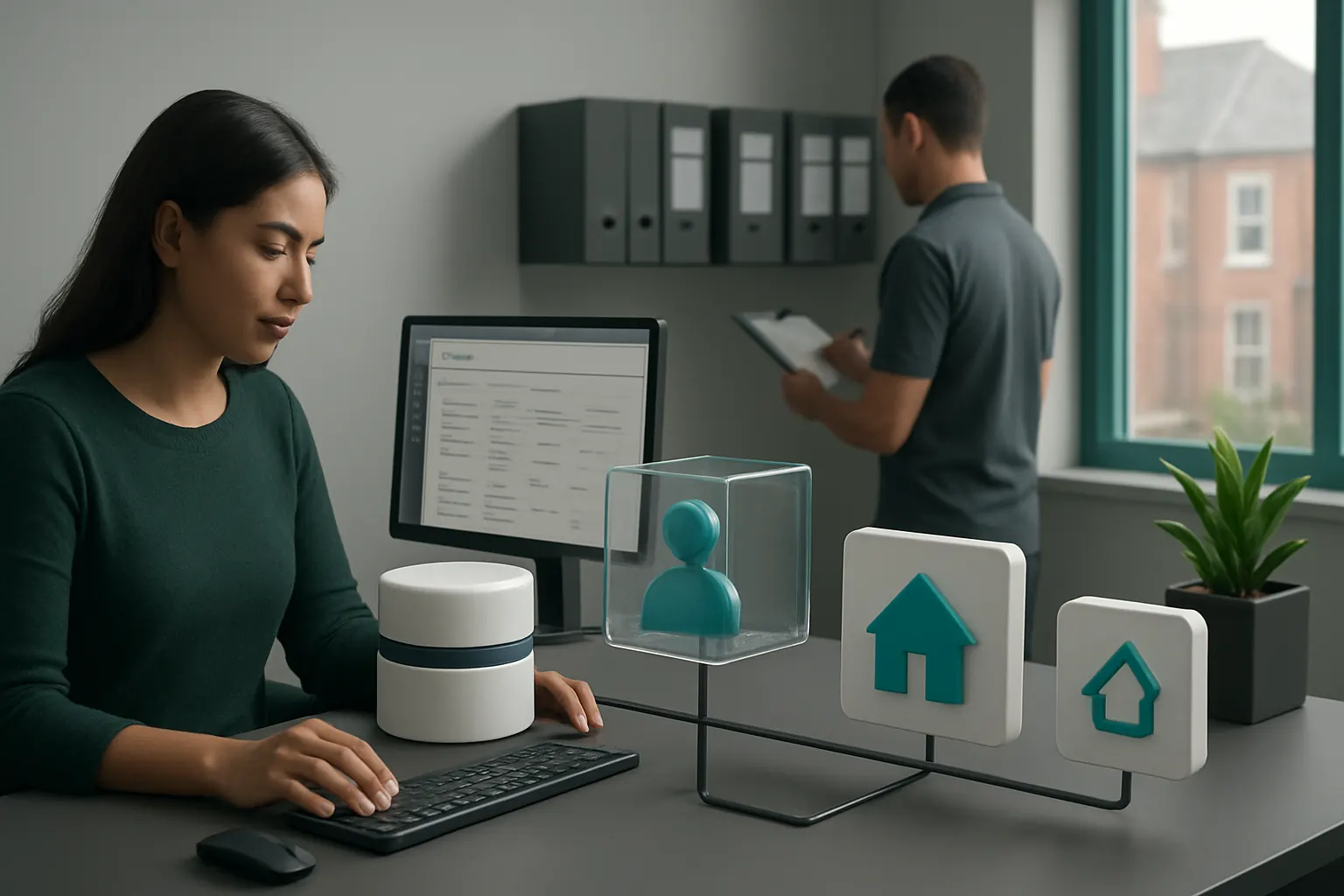
New enquiries come through multiple channels—calls, phones, emails, portals. Manually qualifying leads or chasing information causes delays and lost opportunities. Automating the lead qualification and follow-up sequence ensures every applicant receives a fast, consistent response.
Linking CRM, SMS, and Workflow
By connecting existing CRM systems with SMS communication modules, letting agents can automatically qualify leads through scripted questions and schedule viewings. Follow-ups are triggered by missed calls or unanswered messages, guiding applicants through the qualification process without agent intervention.
Practical Example in Action
A new applicant makes an enquiry online. The system sends an SMS asking key qualification questions. Based on the answers, AI classification prioritises the lead for the agent and books available viewing slots automatically. Reminders and confirmations are managed through the same automation, reducing manual booking calls.
Controls and Compliance
Agents retain oversight via dashboards tracking lead status and prioritisation. Human approval is required for enquiries flagged as high risk or needing manual intervention. Data privacy is maintained by encrypting personal data through the workflow, consistent with the ICO guidelines.

Applicant and Tenant Onboarding: Guided Paperwork and Reminders
Simplifying Complex Setup Workflows
From referencing to contract signing and deposit collection, tenancy setup involves multiple documents and compliance checks. Manual monitoring causes bottlenecks and delays, frustrating applicants and risking regulatory breaches.
Bringing Checks and Communication Together
A connected workspace integrates document issuance, e-signature modules, referencing services, and payment gateways. Automated prompts send reminders for outstanding paperwork or deposits, reducing the need for agents to chase applicants repeatedly.
Real Case Scenario
Once an applicant passes referencing, the system automatically sends the tenancy agreement and deposit slip via email for e-signature. Alerts notify the agent when documents are signed or overdue. Payments through a secure, integrated gateway ensure timely deposit and rent transfers.
Oversight and Regulatory Controls
Approval workflows ensure agents review flagged documents, such as unusual deposit amounts, before tenancy commencement. Audit logs of all applicant communications support compliance with data protection and housing regulations.

Property Maintenance Coordination: Smart Triage and Updates
Managing Reactive and Planned Maintenance
Maintenance requests require fast assessment and scheduling with landlords and contractors. Manual triage and follow-up can leave tenants waiting and landlords uninformed.
Automated Categorisation and Task Assignment
AI reads inbound maintenance reports, including photos, to assess urgency and required skills. This triggers landlord approval requests or contractor instructions automatically, streamlining the repair process.
Example of Workflow Integration
A tenant emails a maintenance issue with a photo of water leakage. AI categorises it as urgent and drafts a landlord approval message pending agent review. Once approved, instructions are sent to the preferred contractor, and tenant updates are automated through the system.
Ensuring Transparency and Safety Compliance
Human review ensures unusual or costly repairs get proper scrutiny. All interactions and approvals are logged for audit and peace of mind, supporting safety certificate requirements and GDPR tenant privacy rules.

Compliance Records and Inspection Management: Always Up to Date
The Challenge of Maintaining Accurate Records
Letting agents must keep property safety certificates, inspection dates, and compliance documents continuously updated. Manual tracking risks data gaps, missed renewals, and regulatory penalties.
Centralised Record Keeping and Automated Alerts
A connected system centralises compliance documents and inspection logs. Automated reminders notify agents and landlords well in advance of renewals and inspections, supporting proactive management.
Practical Use Case
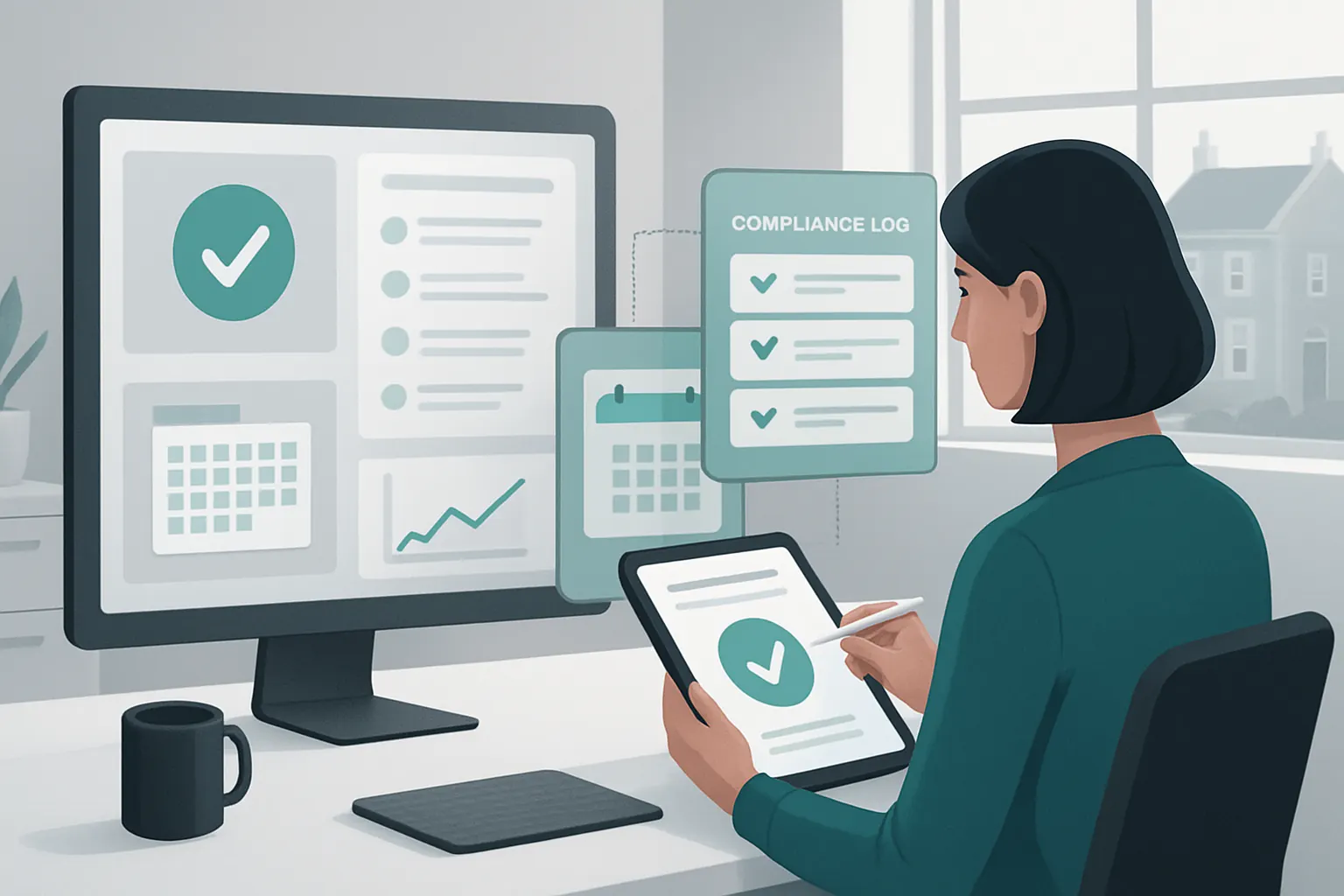
The compliance dashboard highlights properties due for gas safety inspection next month. Automated emails prompt landlords to arrange access and contractors to schedule visits. Once completed, certificates are stored and made available to authorised users.
Controls Around Sensitive Data Access
Role-based permissions restrict compliance data visibility to authorised staff only. Retention policies and access logs help meet ICO data security expectations.
Landlord and Tenant Reporting: Transparent Communication Flows
Keeping Stakeholders Informed
Regular reporting on rent payments, maintenance progress, inspections, and tenancy changes builds tenant confidence and landlord trust. Manually compiling reports is time-consuming and error-prone.
Automated Data Aggregation with Tailored Dashboards
By consolidating operational data into one reliable record, letting agents can generate customised dashboards and automated status reports for landlords and tenants. Scheduled emails or portal notifications keep everyone informed without manual effort.
Example Scenario of Timely Updates
A landlord receives monthly automated rent statements and maintenance status reports through a secure portal. Tenants are notified of upcoming inspections or changes via SMS or email alerts automatically generated from the system.
Permissions and Privacy Controls
User access to reporting is controlled granularly, ensuring tenants and landlords see only relevant information. Reporting data is secured in line with ICO guidance and audit requirements.

Document and Communication Management: One Source of Truth
Preventing Fragmented Document Storage
Emails, text messages, phone notes, and paper forms scattered across platforms make it hard to track tenancy history or audit decisions.
Unified Document Repository with Seamless Integration
The connected system automatically links communications and documents to the relevant tenancy or property record. This eliminates duplication and provides a single source of truth accessible from one screen.
Concrete Example from Practice
Contract variations, email exchanges, and inspection reports are indexed against the tenancy record. Agents can quickly retrieve relevant documents during calls or compliance checks without switching software.
Security and Retention Controls
Data encryption and scheduled backups protect records. Document versioning preserves historical changes, essential for dispute resolution or regulatory evidence.
Finance and Payment Integration: Smooth and Secure Transactions
Challenges Managing Rent and Deposit Payments
Reconciliations and chasing late payments often require manual intervention, creating cashflow uncertainty and extra workload.
Linking Owned Payment Modules with Financial Systems
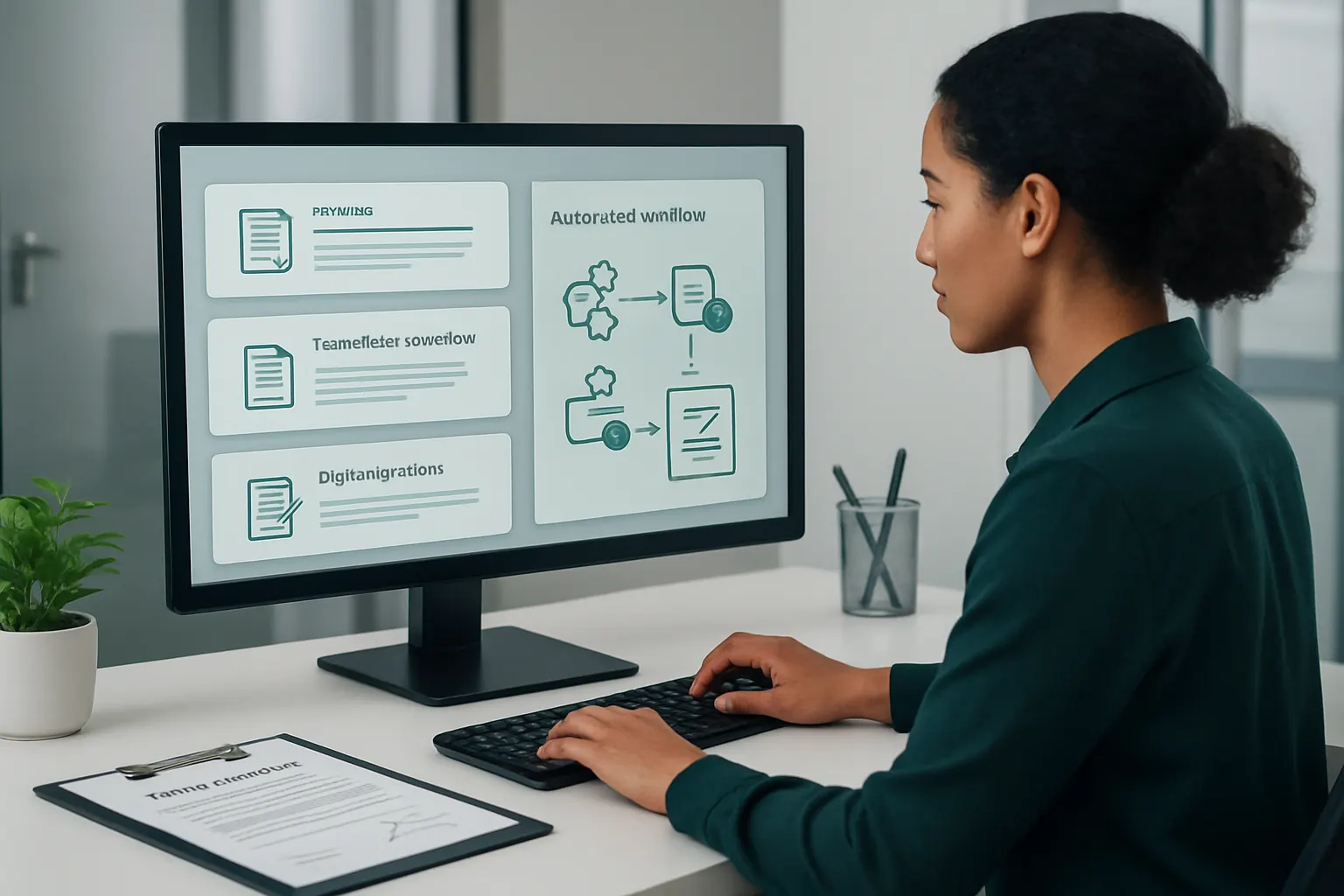
An owned payment module within the system integrates with accounting software to reconcile payments with tenancy records automatically. Automated reminders prompt rent or deposit payment, and flagged exceptions alert staff.
Practical Use Case
Tenants set up rent payment through a secure portal integrated with the agent’s system. Late payments trigger automated reminders while alerts notify agents for follow-up. Landlords receive real-time dashboards showing income flows by property.
Controls Over Financial Permissions
Payment handling complies with PCI Security Standards and uses two-factor agent approval for refund requests or unusual transactions. FCA guidance on financial controls in property agency applies for client money handling.

Inspection and Routine Process Automation: Streamlining Recurring Tasks
Managing Repetitive Compliance and Property Checks
Routine inspections and process reminders often involve manual scheduling and record updates, increasing admin strain.
Workflow Automation for Scheduling and Notifications
Automated scheduling modules generate inspection rotas, send access reminders to tenants and contractors, and update inspection records digitally. AI assists with summarising findings for agents.
Real-World Application Example
Quarterly property inspections are scheduled in advance. Tenants receive notifications, and contractors access inspection requests via the system. Inspection reports, including photos, are uploaded and classified automatically for follow-up actions.
Supervision and Quality Controls
Agents oversee exception reports and sign-off on inspection summaries. Automated task completions are logged, supporting audit and safety compliance.

A 90-Day Rollout Plan for Letting Agents Automation Software
Weeks 1–2: Assessment and Integration Mapping
- Analyse existing systems, workflows, and data silos.
- Define key integration points and identify modules to keep or replace.
- Establish data governance and compliance requirements.
- Plan user roles and access controls.
Weeks 3–6: Platform Build and Initial Automation
- Develop and connect owned modules around enquiry management and tenancy onboarding.
- Integrate communication tools (SMS, email).
- Design dashboards for lead tracking and document statuses.
- Configure approval workflows for key decisions.
Weeks 7–12: Scaling, Maintenance Automation, and Reporting
- Automate maintenance triage and landlord approval processes.
- Implement compliance records and inspection scheduling.
- Add finance integration for payment reconciliation and rent tracking.
- Roll out reporting dashboards for landlords and tenants.
- Train staff and iterate based on feedback.

How AI Implementation UK Connects, Replaces and Automates Letting Agent Operations
AI Implementation UK delivers one unified operating system designed specifically for letting agents. Our solution:
- Connects existing useful systems using secure APIs, avoiding costly migrations while bringing all data into one trusted record.
- Replaces redundant software subscriptions with owned modules tailored around your workflows, reducing ongoing costs and control loss.
- Uses AI selectively for variable tasks like enquiry classification, summarisation, and prioritisation, while deterministic rules automate predictable tasks.
- Retains human approval for important decisions to preserve compliance and ensure quality.
- Integrates specialist external services, such as payment gateways and communication tools, only where long-term stable connections are guaranteed.
- Provides clear, personalised dashboards that focus agents on what matters, reducing distractions and repetitive admin.
- Supports your organisation’s regulatory compliance by enabling visible controls, audit trails, and secure data access consistent with ICO and other UK standards.
Our modular approach and proven 90-day rollout plan help you reduce admin and errors while freeing your team to focus on clients and growing your business.
Discover how your letting agency can transform with an owned, connected platform built around the way you work. Explore the AI Implementation UK Process Automation Services and see real-world impact in our Case Studies.
For privacy and data security, consult the ICO Data Protection Resources. For payment security, review the PCI Security Standards Council guidelines.