
Learn how iT support and managed service providers can connect systems, reduce manual admin and automate lead to project with one tailored operating platform the.
It support and managed-service providers support tickets automation software: What Breaks Daily
It support and managed-service providers support tickets automation software should connect bookings, people, communications and reporting in one reliable operating flow.
Every day, IT support and managed-service providers (MSPs) grapple with numerous operational breakdowns. Tickets get overlooked or mishandled, response times lag, and communication fragments across multiple systems. Support staff juggle repetitive tasks like ticket triaging, status updates, and reporting while trying to maintain excellent client relationships. Fragmented software solutions, scattered data, and disconnected processes create inefficiency and frustrate both teams and customers. Missing visibility into workload priorities leads to delayed decisions and reactive service delivery.
Without a connected solution tailored around the way your business works, these pain points persist — lowering productivity and slowing growth for every IT support and managed-service provider.

The Cost of Manual Work: Time, Errors, Compliance, and Cashflow
Manual processes in MSP operations drag down performance in several critical ways:
- Time Wastage: Repetitive admin tasks consume hours that could be spent on proactive client support or system improvements.
- Errors and Miscommunication: Manual data entry across disconnected systems breeds inaccuracies that affect invoicing, ticket prioritisation, and SLA fulfilment.
- Compliance Risks: Poor data handling, untracked approvals, or inadequate client data separation pose regulatory and contractual risks.
- Cashflow Impact: Delayed invoicing and contract renewals caused by fragmented systems strain cashflow and limit forecasting accuracy.
The solution lies in reducing manual touchpoints, connecting existing systems, and deploying selective automation. This is achievable through one integrated operating workspace the client owns, configured specifically for IT support and managed-service workflows.
Intelligent Ticket Triage and Prioritisation
Addressing Ticket Overload from Day One
Support teams face a constant inundation of tickets needing urgent attention. Manually sorting these causes bottlenecks and delays.
Streamlining Workflow with Connected Ticket Records
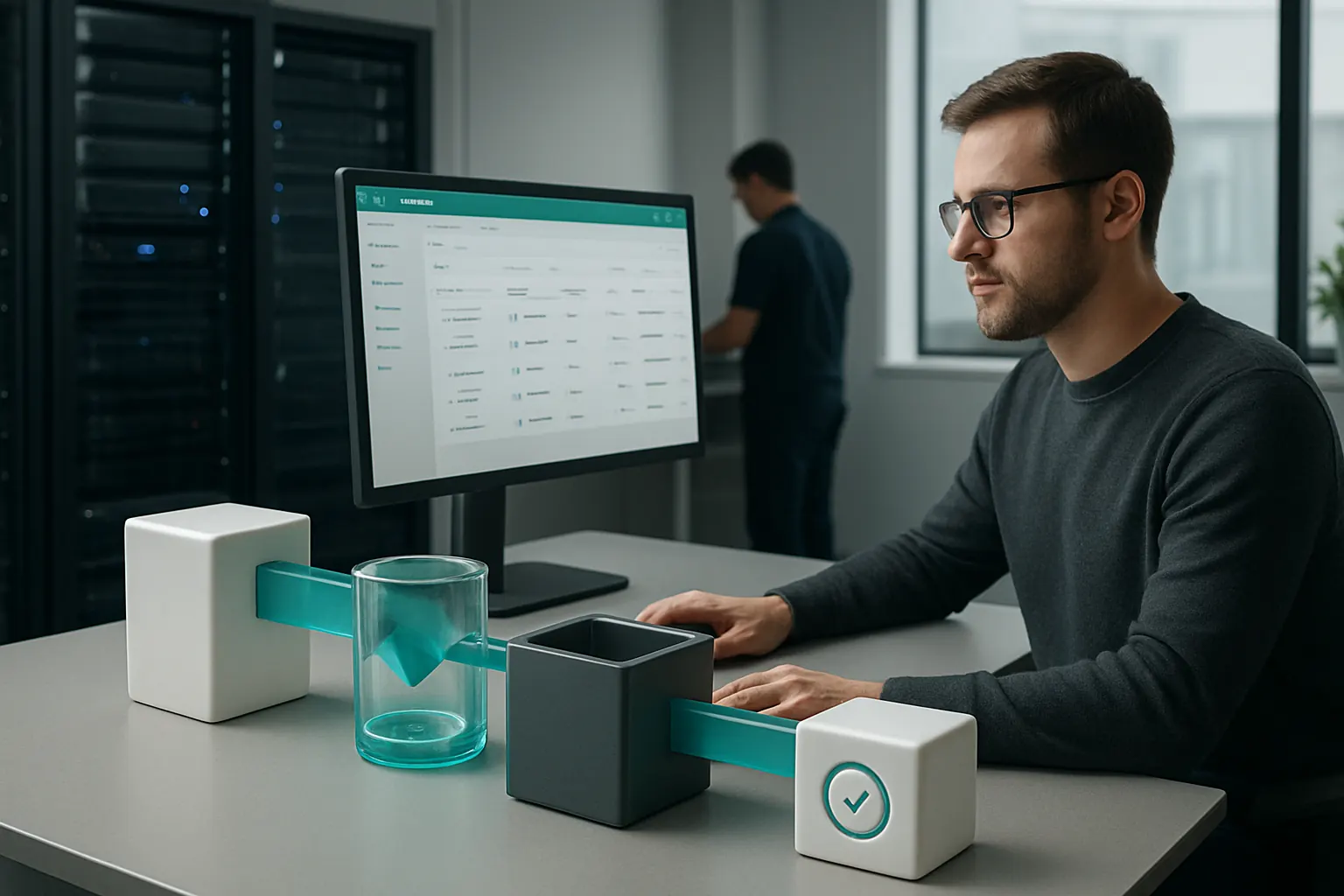
By connecting device logs, client contracts, and historical ticket data into one reliable record, you automate triage rules that classify tickets by urgency and complexity.
Integrating with Existing CRM and Monitoring Tools
Connect your existing CRM and network monitoring solutions to avoid switching platforms, enabling data to flow seamlessly into your owned ticket workspace.
Real-World Example: Prioritising Critical Network Outages
A managed service provider links device status alerts to ticket management. Network outages trigger high-priority tickets automatically routed to senior engineers with instant visibility.
Safeguarding via Custom Rules and Human Review
Deterministic rules identify and flag exceptions, but sensitive decisions like ticket escalation require manager approval to maintain control and compliance.

Automated Lead to Project Conversion for New Clients
Simplifying Lead Management and Contract Creation
Frequent switching between sales, contracts, and project onboarding tools causes delays and missed steps.
One Connected Workspace Accelerates Conversion
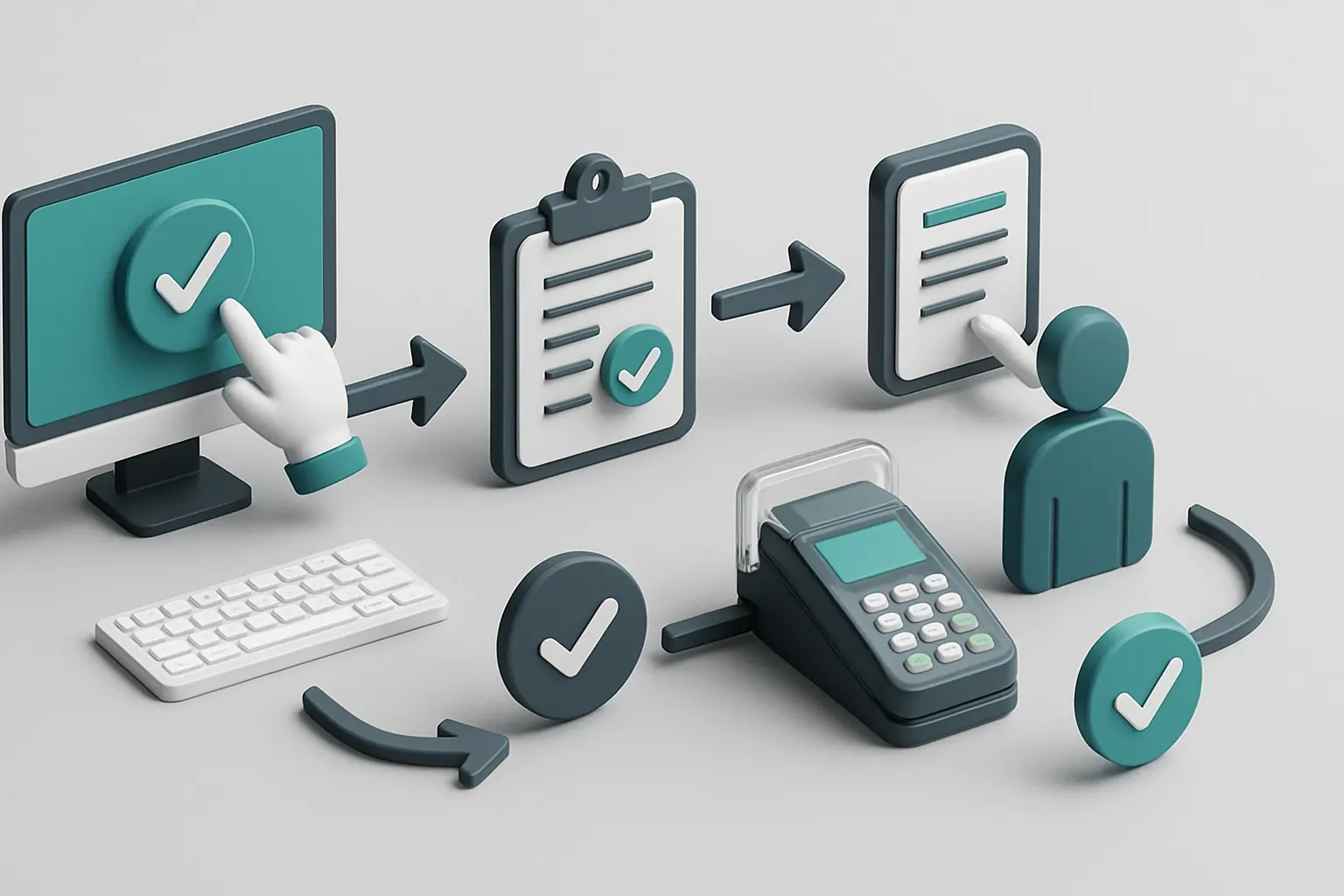
Leads captured from marketing or CRM connect directly into owned contract and project modules, automating document generation and contract approval workflows.
Integrations with Payment and Communication Providers
A secure payment gateway integration speeds deposit collection. Communication tools embed automated notifications to sales and onboarding teams.
Example: Fast Onboarding Reduces Time-to-Project
Triggering contract creation and project setup automatically upon lead approval improves turnaround and reduces manual errors.
Controls Manage Approvals and Secure Client Data
Approval gates ensure that all contracts meet compliance standards, preserving client confidentiality throughout.
Tailored Dashboards for Real-Time Service Reporting
Eliminating Manual Report Generation Hassles
Compiling reports from multiple data sources daily is time-consuming and error-prone.
Centralised Operational Data Enables Instant Insights
Collecting service metrics, ticket status, and client feedback into customised dashboards provides up-to-date visibility for teams and clients.
Syncing with Finance and SLA Tracking Systems
Integrate existing financial and SLA monitoring systems to include billing status and compliance KPIs in one report.
Example: Automated Weekly SLA Compliance Dashboard
An MSP produces weekly SLA dashboards showing contract fulfilment rates and highlighting tickets needing urgent action.
Controls Preserve Data Integrity and Client Separation
Access permissions ensure clients only see their own metrics while internal teams monitor overall performance.

Replacing Subscription Software Modules with Owned Functionality
Avoiding Subscription Fatigue and Fragmented Licences
MSPs often pay for multiple overlapping SaaS modules for ticketing, reporting, or contract management.
Building Owned, Custom Modules Saves Costs and Improves Control
Developing modules within your owned operating environment eliminates recurring fees and centralises updates and enhancements.
Selective Integration with Specialist Tools
Core workflows remain internal, but trustworthy external services like payment processors or communications platforms stay integrated.
Example: Consolidating Ticketing and Contract Renewals Under One Roof
An MSP phases out standalone ticketing subscriptions by migrating workflows to its owned system, integrated with an external payment gateway.
Governance and IT Security
Ownership of the system means stronger control over data privacy, IP protection, and audit trails.

Automated Classification and Summarisation of Support Tickets
Overcoming Data Overload in Ticket Descriptions
Support tickets come with extensive logs, client comments, and varying formats.
Selective AI Extracts Relevant Information Efficiently
Using AI for classification, summarisation, and sentiment analysis, supplemented by business rules, streamlines understanding.
Integration with Ticket Records and Assignment Workflows
Summaries feed directly into ticket updates and routing decisions, reducing human reading time.
Example: Auto-Summarising Complex Technical Issues
AI generates concise summaries stored in tickets, allowing engineers to assess issues quickly.
Oversight Through Human Verification
AI outputs are reviewed by technicians before final updates, preserving accuracy and accountability.

Priority-Based Technician Rota and Resource Scheduling
Balancing Technician Workloads with Dynamic Needs
Manual rota management often causes uneven workloads or underutilisation.
Connecting Ticket Priorities to Scheduling Modules
Schedulers link ticket urgency and skill requirements to resource availability, automating shifts and on-call assignments.
Syncing with Calendar and Communication Tools
Broadcast shift assignments and updates through integrated email or chat platforms.
Example: Automated On-Call Scheduling Adjusts for High Priority Tickets
When critical tickets spike, the scheduler dynamically adjusts on-call rosters to ensure coverage.
Audit Trails and Approval Controls Over Schedule Changes
All changes log with manager approval to meet operational compliance standards.

Seamless Service Delivery Status and Progress Tracking
Avoiding Fragmented Status Updates Across Teams
Tracking project and support ticket progress across multiple systems slows response and creates confusion.
Centralising Status Updates in a Connected Record
Every ticket and project progress update is recorded in one workspace visible to both staff and relevant clients.
Integration with Mobile and Remote Tools for Field Engineers
Field engineers update status via mobile apps, automatically syncing with the central record.
Example: Real-Time Ticket Progress Visible to Clients
Clients track resolution progress through a tailored portal linked directly to ticket updates.
Controls Restrict Access and Manage Sensitive Information
Data visibility adapts to user role and contractual confidentiality agreements.

Automating SLA Alerting and Escalation Workflows
Preventing SLA Breaches Due to Human Oversight
SLA tracking often depends on manual monitoring, prone to delays.
Automated Rules Track SLA Metrics and Trigger Alerts
Timed workflows monitor ticket ageing, triggering alerts and escalations per service agreements.
Integration with Email and Messaging for Rapid Notification
Configured alerts send SMS and email notifications to responsible staff and managers promptly.
Example: Escalations Prevent SLA Violations in Real-Time
An MSP utilises automatic SLA breach warnings to invoke escalation before deadlines.
Approval Layers Control Escalation Overrides
Human oversight manages exceptions to escalation rules, ensuring balanced responses.

Content and Approval Management for Client Communications
Coordinating Support Documentation and Client Updates
Disjointed communication channels risk inconsistent client messaging.
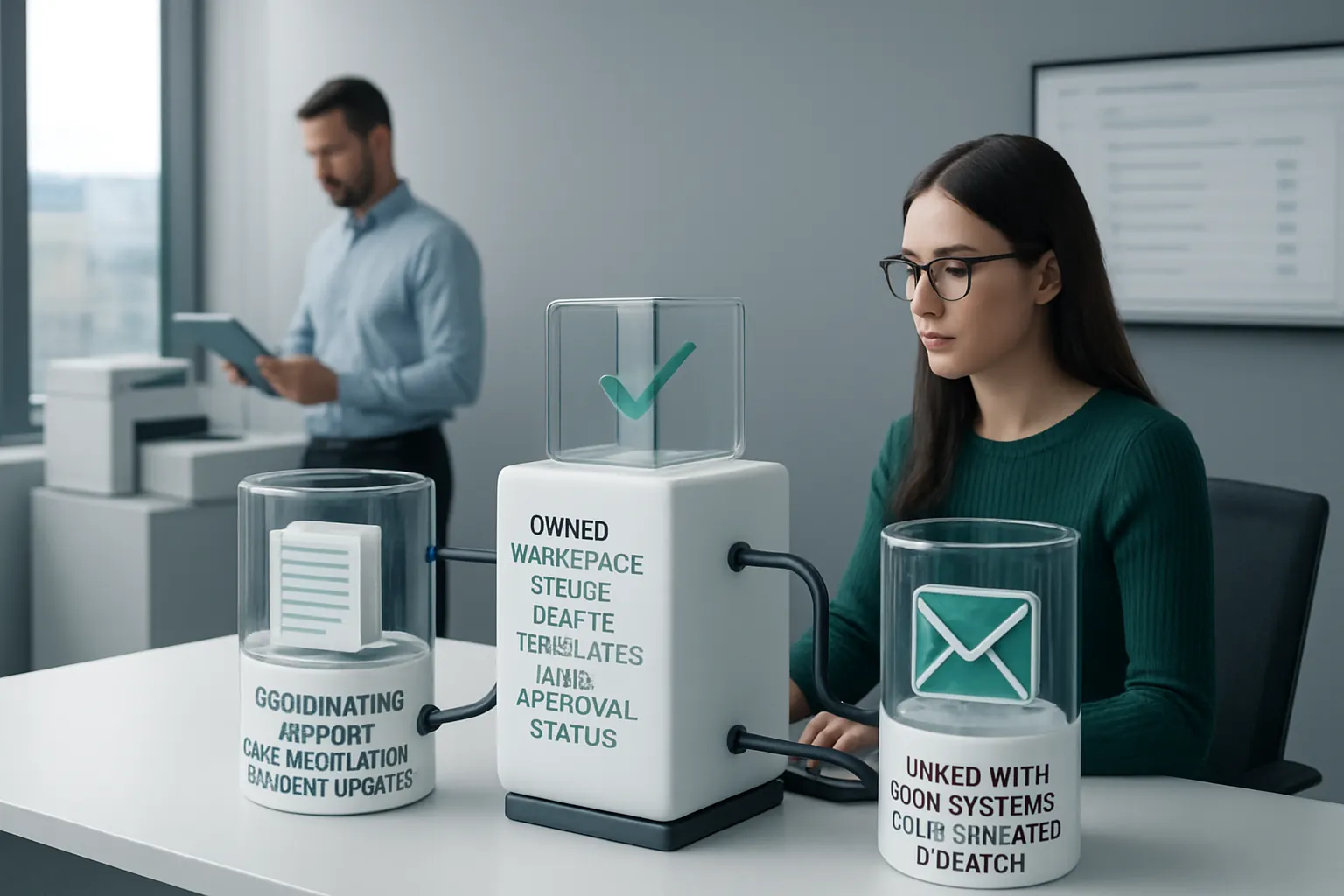
Owned Workspace Stores Drafts, Templates and Approval Status
Client updates and technical documents flow through controlled approval workflows.
Linked with Email Systems for Automated Dispatch
Approved updates are automatically sent via integrated email clients, ensuring reliable delivery.
Example: Streamlined Approval Reduces Client Update Delays
Workflow automation cuts approval time from days to hours for routine status reports.
Compliance with Data Protection and Contractual Requirements
Approval and revision history support regulatory audits such as the ICO’s guidance on client communication.
Centralised Device and Contract Record Management
Eliminating Siloed Asset and Agreement Data
Fragmented device and contract information hinders quick decision-making.
Connected, Owned Records Link Devices to Contracts and Tickets
Unified records provide a single point to view asset status, contract terms, and related tickets.
Integrations with Procurement and Finance Tools
Sync device lifecycle data with purchasing and billing modules for streamlined management.
Example: Immediate Device Status Impact on Ticket Resolution
Technicians access up-to-date contract coverage and service terms directly when handling support requests.
Data Privacy and Intellectual Property Safeguards
Client-specific data separation protects sensitive contract terms and device histories.

A 90-Day Rollout Plan to Automate MSP Support Operations
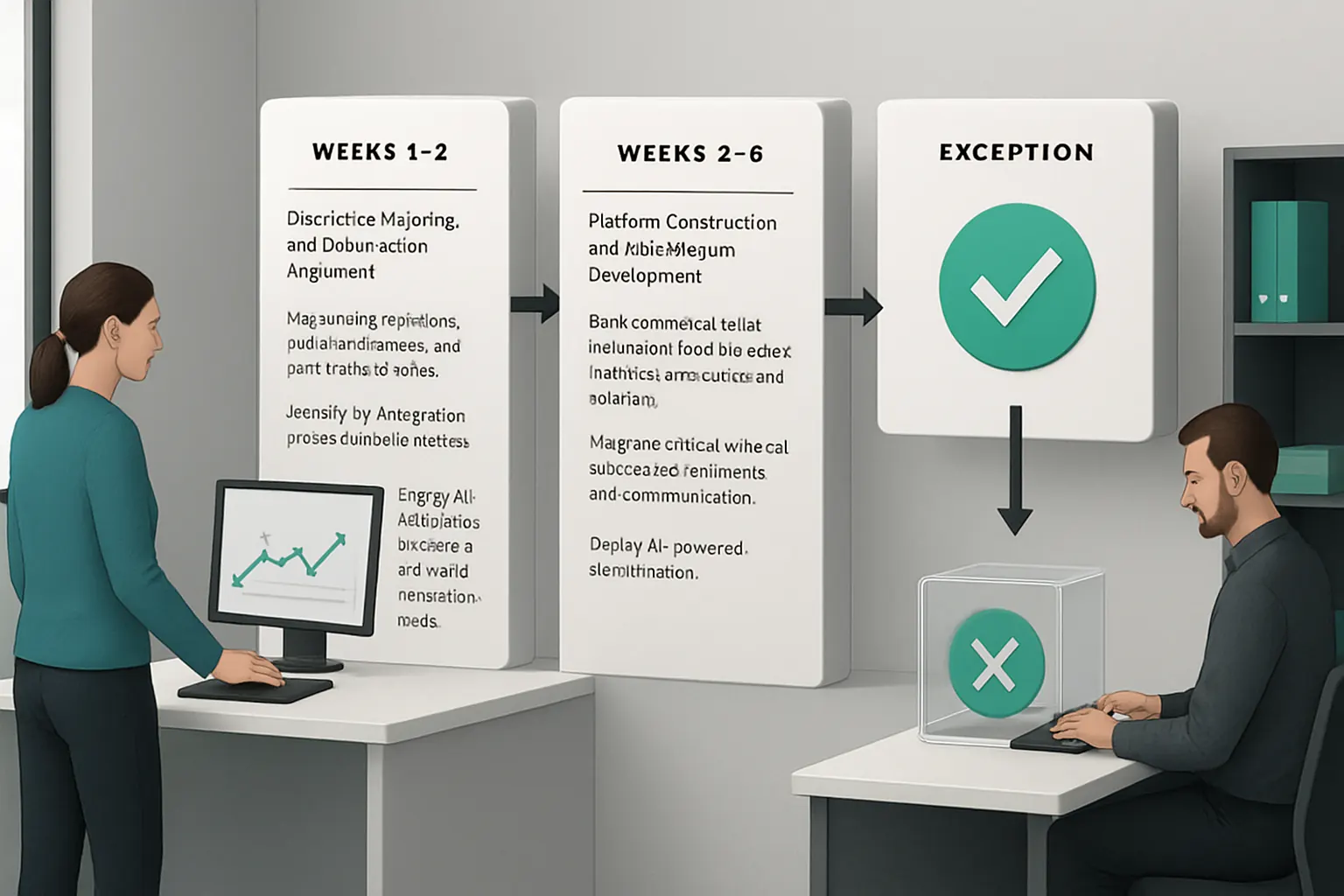
Weeks 1–2: Discovery, Mapping, and Stakeholder Alignment
- Map existing workflows, software systems, and pain points in detail
- Identify key integration points and data sources
- Engage all stakeholders for buy-in and clarify compliance needs
Weeks 3–6: Platform Construction and Core Module Development
- Build connected ticket workspace, lead to project workflow, and dashboard modules
- Integrate critical external systems for payments and communications
- Deploy AI-powered classification with human approval controls
Weeks 7–12: Testing, Training, and Phased Transition
- Validate workflows end-to-end with real-world ticket, contract, and device data
- Train support, sales, and project teams on new processes and tools
- Phase out redundant subscriptions and manual workflows progressively
Connecting, Replacing, and Automating with AI Implementation UK
Harnessing one connected operating system tailored to your MSP’s exact workflows empowers you to:
- Preserve and integrate valuable existing IT tools and data
- Replace costly, scattered subscription modules with owned, adaptable systems
- Bring operational data into a single trusted workspace with real-time dashboards
- Deploy AI selectively for complex ticket categorisation, summarisation, and decision support tasks
- Rely on deterministic business rules for predictable routing and monitor compliance via approval gates
AI Implementation UK specialises in delivering this kind of bespoke, owned system designed precisely around how you work, not forcing you into generic off-the-shelf packages. Our approach keeps specialist external providers — like payment processors or communication gateways — integrated but controlled centrally.
By embracing this connected automation framework, your MSP can reduce manual workloads, improve SLA adherence, secure client data, and enable faster lead-to-project conversion. We provide expert process automation design, data infrastructure preparation, and AI strategy roadmapping to guide your journey, ensuring technology investments deliver measurable operational gains.
For deeper insights, explore our detailed case studies showcasing MSP transformations with owned, tailored systems.
References for compliance best practices include the UK’s Information Commissioner's Office (ICO), the National Cyber Security Centre (NCSC), and the PCI Security Standards Council.