Learn how food manufacturers can connect systems, reduce manual admin and automate production planning with one tailored operating platform the business owns.
Food manufacturers batch production automation software: What Breaks Daily
Food manufacturers batch production automation software should connect bookings, people, communications and reporting in one reliable operating flow.
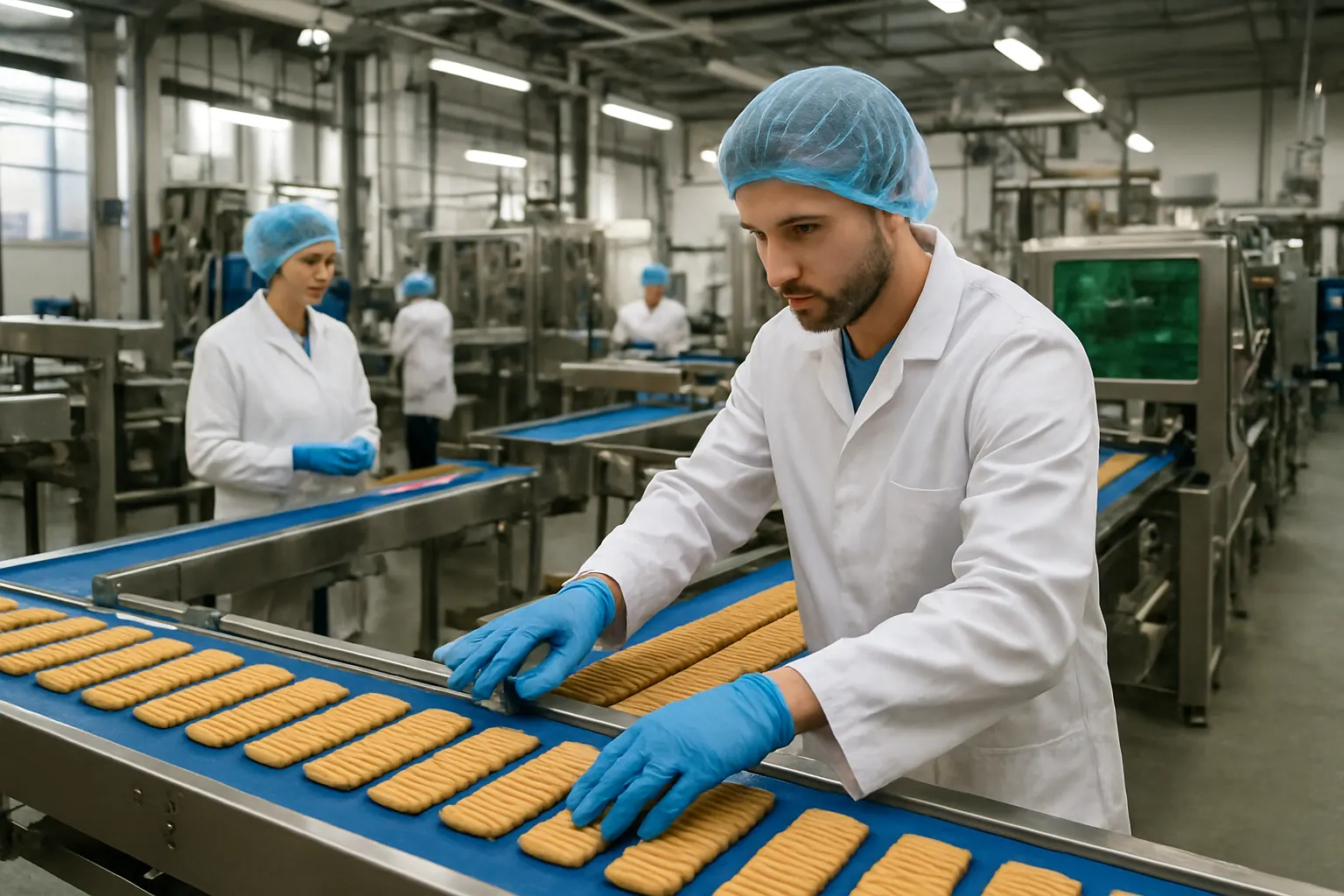
Food manufacturers operate in a demanding environment where batch production demands precision, regulatory compliance, and agility. Daily challenges include managing complex recipes, coordinating seasonal workforces, ensuring ingredient traceability, and maintaining consistent quality. These challenges are compounded by disparate IT systems that often do not communicate effectively. Manual data entry, paper-based quality checks, and siloed records lead to bottlenecks, errors, and compliance risks that sabotage efficiency and increase costs.
Many food manufacturers rely on a patchwork of legacy tools, spreadsheets, and subscription-based software modules that fail to align with their specific processes. Disconnected workflows cause delays, redundant tasks, and missed insights; operational data becomes fragmented across suppliers, production lines, and quality departments. There is an urgent need to automate batch production workflows with an owned, connected system designed around how the business actually works.
The Cost of Manual Work in Batch Production
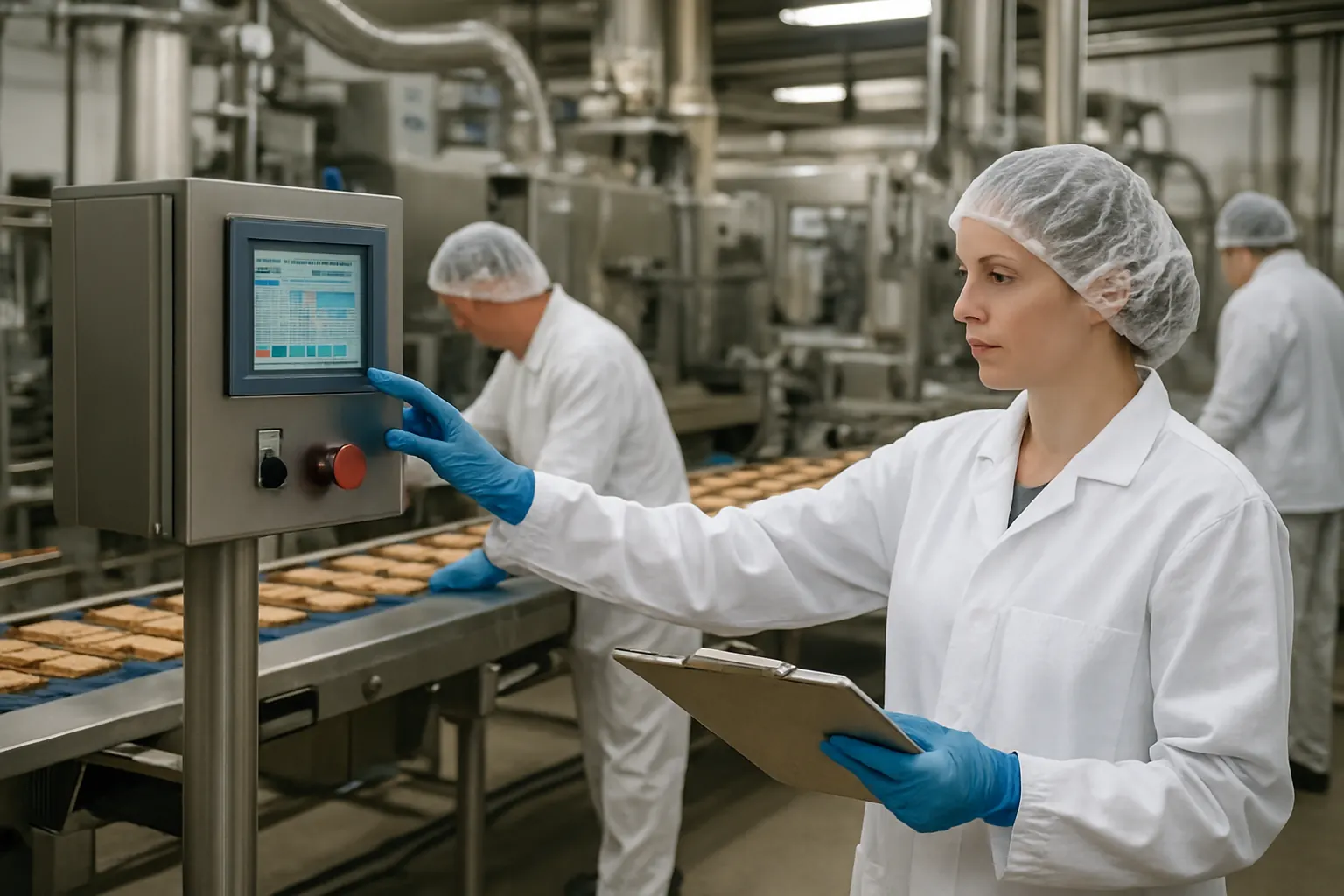
Manual processes add substantial hidden costs in food manufacturing operations:
- Time Wasted on Data Entry and Rework: Multiple inputs across orders, stock records, and quality checks increase labour hours and the risk of transcription errors.
- Errors and Non-Compliance Risk: Mistakes in ingredient traceability or batch documentation can result in costly recalls, regulatory inspections, or fines.
- Cashflow Impact: Poor visibility over raw material usage and order fulfilment delays affect purchasing and sales forecasting.
- Inefficient Workforce Management: Seasonal or temporary workers often lack easy access to task instructions, causing delays and errors.
- Excessive Software Spending: Paying for subscriptions covering multiple products, many of which do not integrate or are underused.
Moving to a single connected operating solution, custom built around your workflows, allows food manufacturers to reduce manual admin, bring data into one trusted record, and improve visibility and control.
Centralised Batch Production Scheduling
Production Planning Complexities in Food Manufacturing
Batch production planning requires synchronising raw material availability, machinery time, and workforce shifts while managing recipe parameters. Without centralised scheduling, planners juggle spreadsheets, emails, and separate tools, risking conflicts or overlooked deadlines.
Workflow Integration for Scheduling Coherence
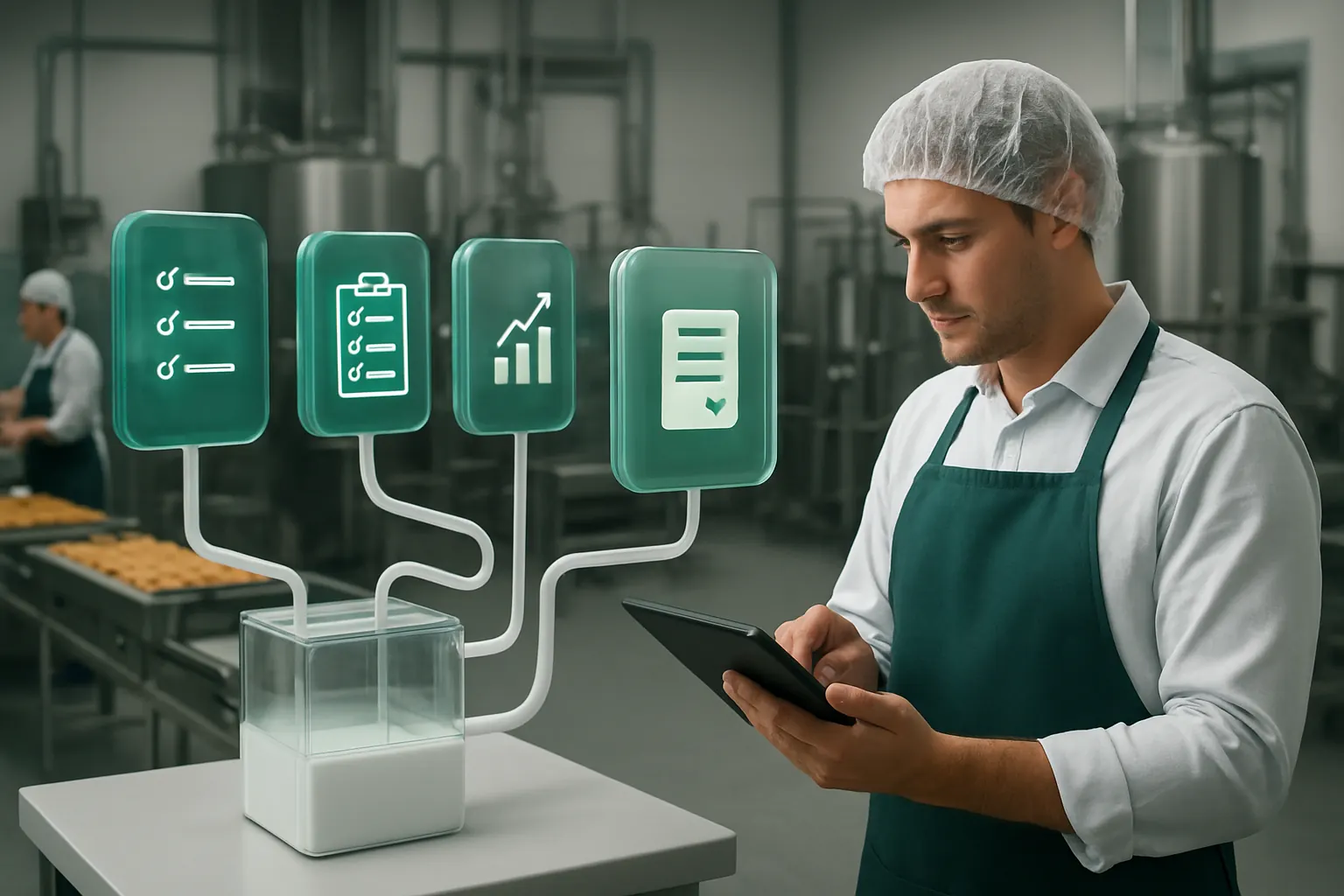
A tailored schedule workspace connects supplier deliveries, stock levels, product orders, and production runs. Automated alerts prompt planners to reorder ingredients or reschedule jobs fitting batch sizes and expiry constraints.
Relevant Integrations with Supplier and Inventory Systems
Keep existing stock management tools or supplier portals connected via interfaces. Replace redundant task trackers with a bespoke scheduling workspace designed around your batch logic and compliance documents.
Example: Synchronised Vegan Sauce Production
A vegan sauce line struggles to coordinate ingredient reception and production runs within shelf-life limits. Centralised scheduling automates deadline alerts and batch allocations based on incoming stock freshness data.
Control and Human Oversight
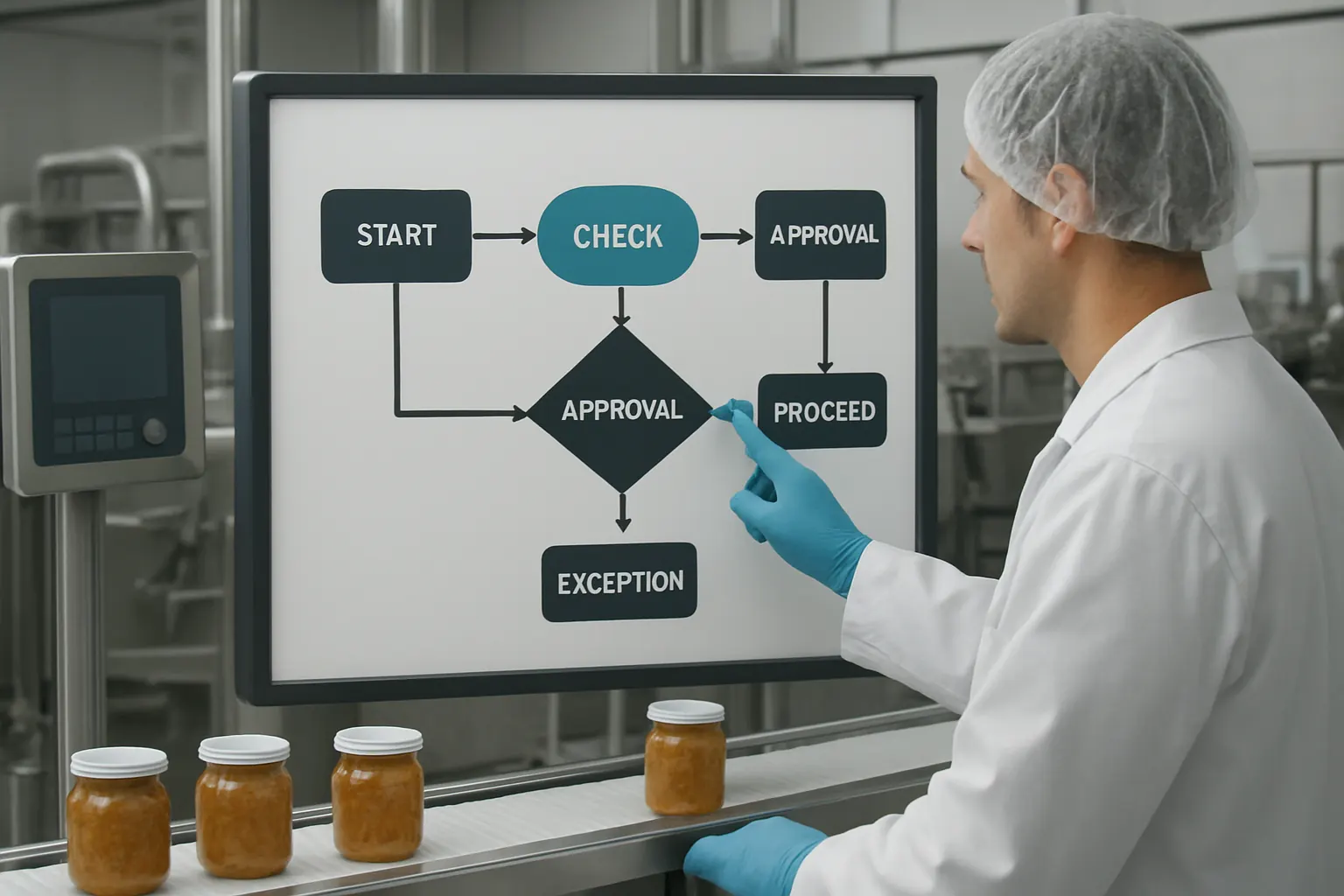
Workflow rules pre-validate batch sizes and ingredient compatibility. Planners retain approval on scheduling exceptions and rescheduling requests, ensuring oversight of critical decisions.

Connected Ingredient Traceability Capture
Traceability Challenges on the Factory Floor
Ingredient traceability has legal and safety implications. Manual recording of batch numbers, lot tracking, and supplier certificates causes delays, inconsistent records, and audit risks.
Enabling Digital Capture with Mobile Workflows
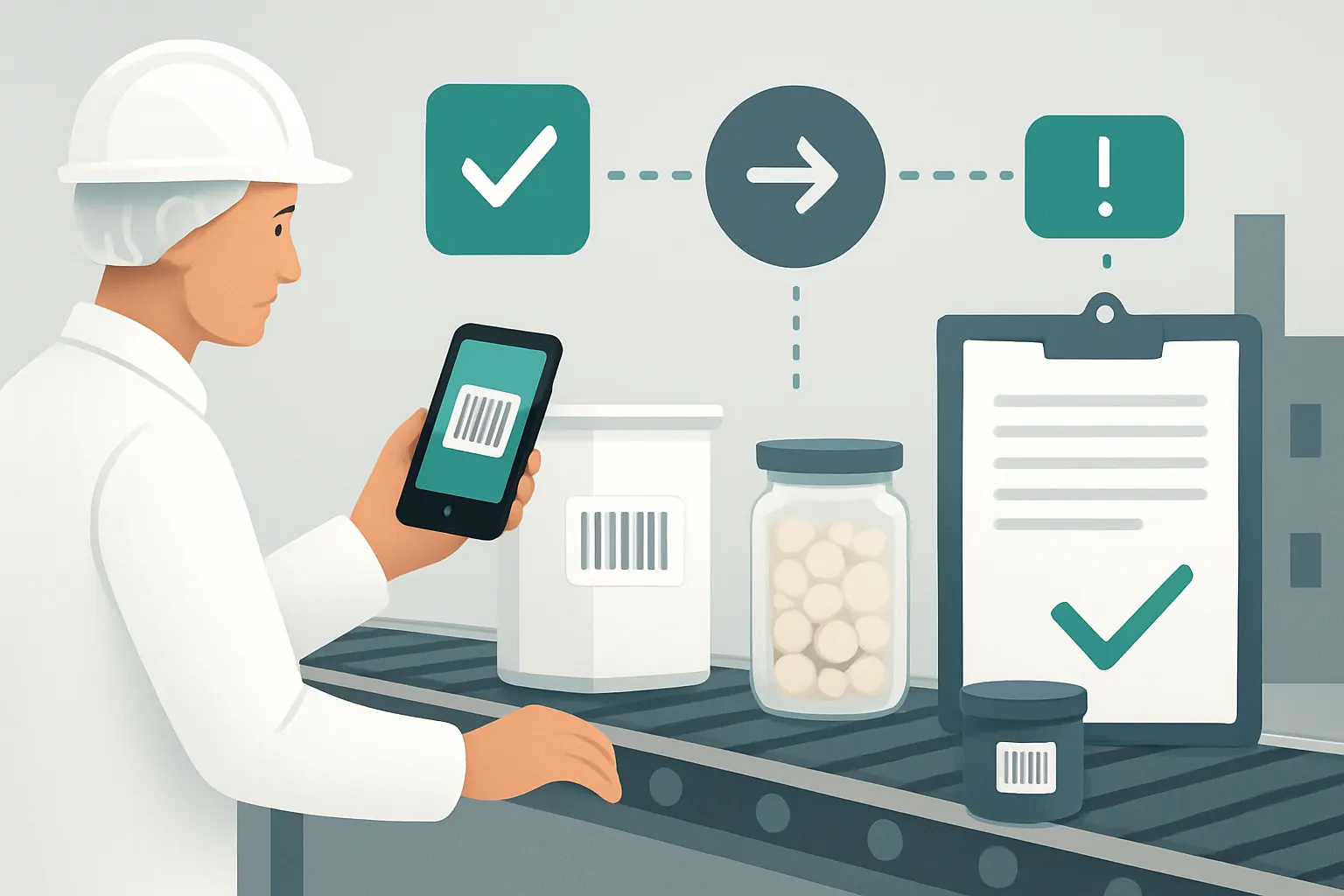
Mobile job capture apps enable workers to scan ingredient barcodes and record batch data in real time, directly updating a connected traceability record.
Useful Linkages to Supplier and Quality Systems
Integrate supplier certificate portals and quality databases to automatically attach compliance documents to ingredient records. This provides a single source for audit-ready traceability.
Example: Real-Time Traceability in Ready Meals
A ready meals producer uses mobile capture to trace chicken batch details at use and links quality checks automatically, ensuring every batch has full provenance recorded instantly.
Controls to Preserve Data Accuracy and Regulatory Requirements
Scan validations, operator identification, and exception alerts ensure traceability data is consistent and complete before batch release.
Automated Quality and Safety Checks
The Operational Burden of Paper or Disconnected QA
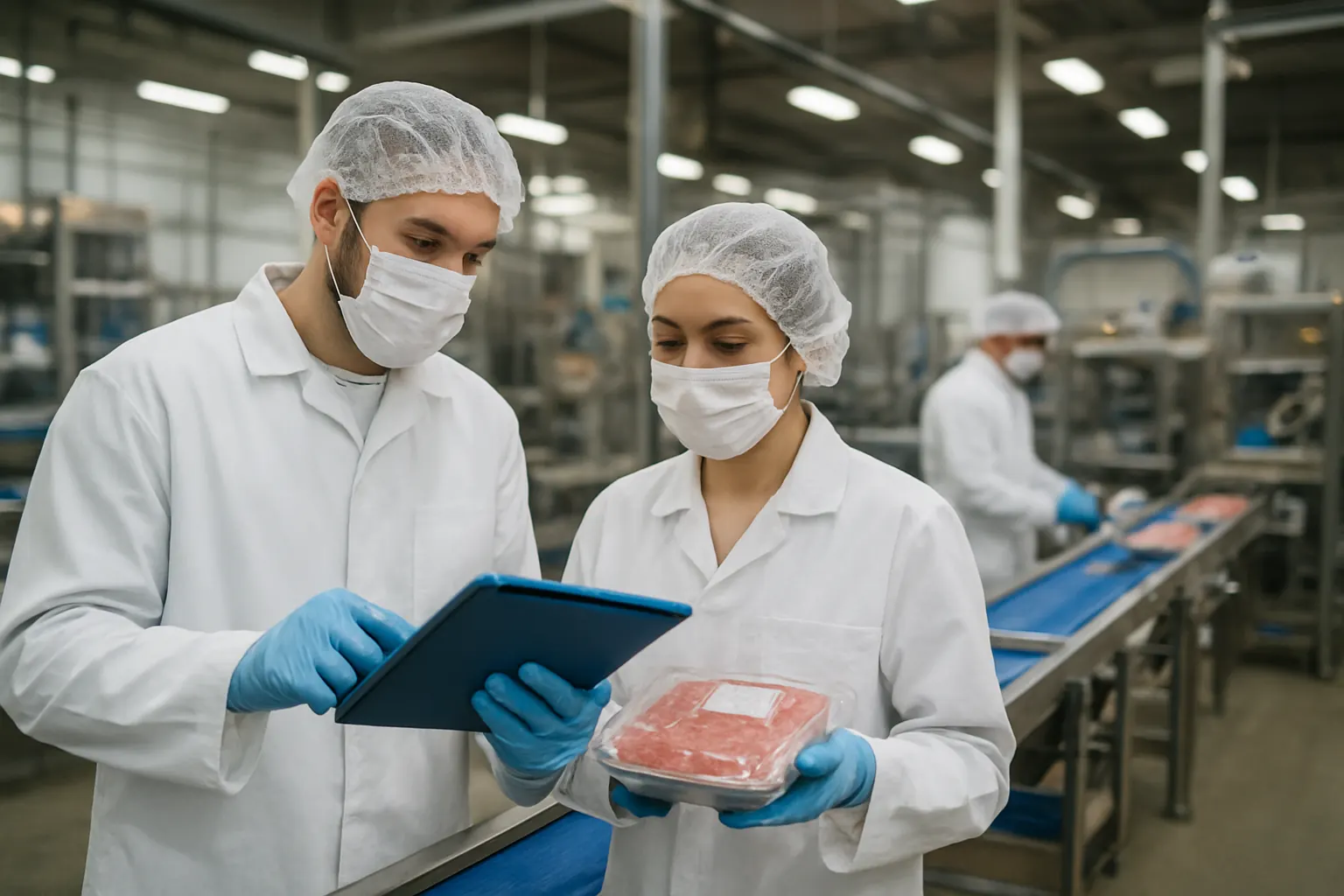
Quality assurance checks in food manufacturing often rely on separate paper forms or ad hoc spreadsheets, making it difficult to track issues, resolve defects, or prove compliance.
Automating Checks with Conditional Workflows
Configure workflows to trigger specific QA tasks at batch start, mid-point, and finish stages with predefined parameters and acceptance criteria. Digital completion feeds directly into one quality record.
Integration Points for Lab Results and External Testing
Specialist external tests or lab integrations can feed results into the quality record for ongoing analysis and exception handling.
Example: Dairy Product Microbial Test Automation
A dairy processing company automates in-line microbial checks, sets alert thresholds, and routes exceptions for supervisor approval and corrective action in-system.
Governance and Human Control
Operators and QA staff execute checklists via mobile or workstations. Supervisors sign off on exceptions and corrective actions to maintain compliance transparency.
Owned Recipe and Bill of Materials (BOM) Management
Managing Recipe Complexity and Version Control Difficulties
Recipes and BOMs for food products involve multiple ingredient proportions that frequently change due to seasonal availability, supplier changes or regulatory updates.
Tailored Recipe Workspace to Replace Disconnected Software
An owned recipe module provides version control, rules for ingredient substitutions, cost calculations, and automatic updates to related production schedules.
Continual Synchronisation with Stock and Supplier Records
Updates in supplier ingredient specifications automatically cue recipe modifications and notify planners and procurement.
Example: Seasonal Fruit Jam Recipe Adaptation
When raspberry availability drops, the recipe updates automatically to suggested blueberry ratios with impact on batch size and production timing shown in the schedule.
Recipe Changes Carefully Controlled
Only authorised users can approve changes, with audit trails preserved for regulatory and quality inspections.
Integrated Supplier and Purchase Order Coordination
Pain Points in Supplier Communication and Stock Forecasting
Multiple suppliers, lead times, and purchase conditions complicate ingredient availability, especially for perishable goods.
Connected Workspace for Purchase Orders Linked to Production Needs
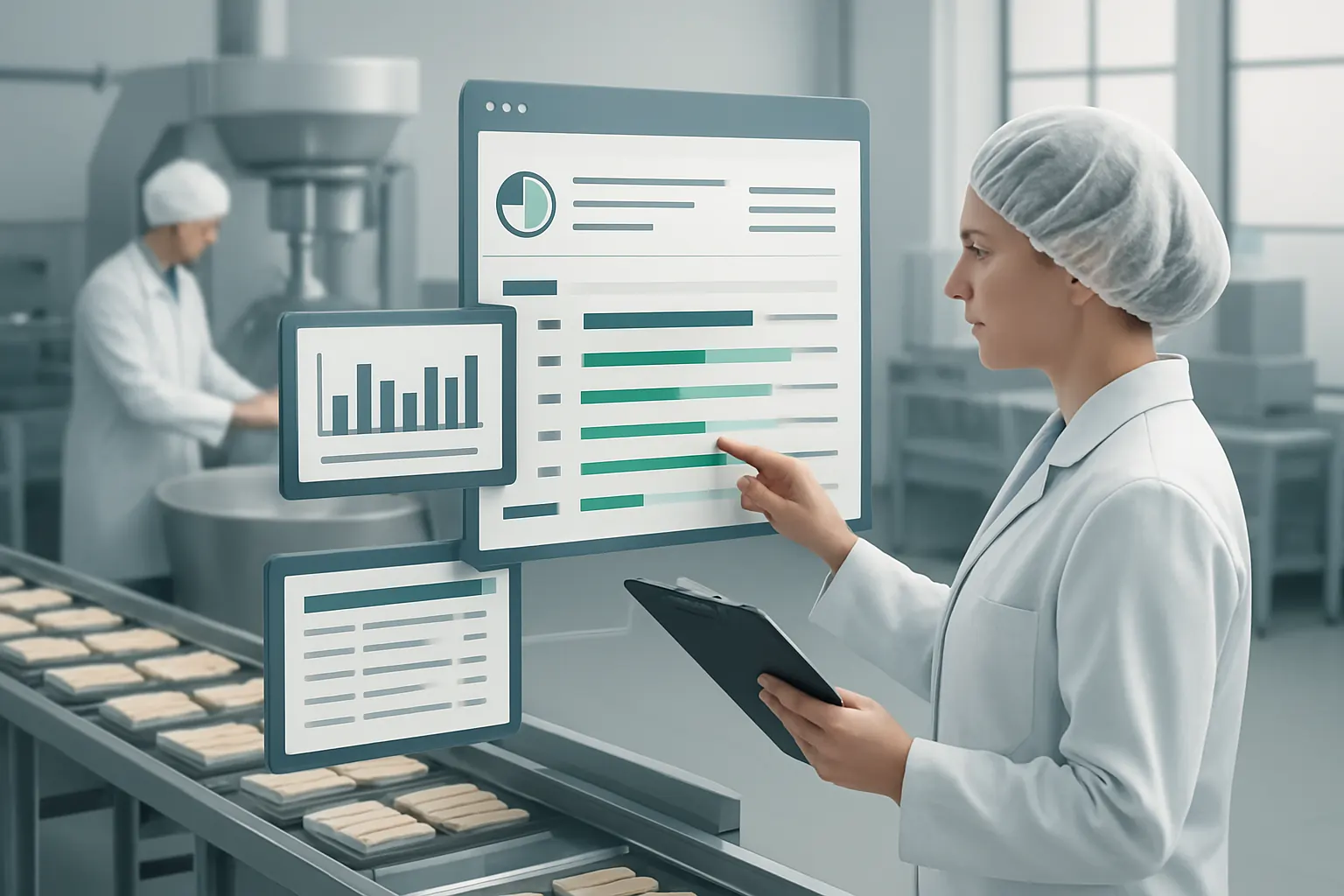
Purchase orders are generated based on automated demand from batch schedules and stock thresholds. Supplier responses and deliveries are tracked in one workflow.
Specialist External Tools Used for Payment and Communications
A payment gateway integration supports quick supplier invoice approvals and settlements. Email and messaging integrations facilitate direct supplier contact.
Example: Automated PO Creation for Flour Supplier
A bakery automatically generates and sends POs based on forecasted batch plans, adjusting for delivery delays or overstock.
Controls to Avoid Stockouts and Cost Risks
Alerts notify procurement managers of delayed deliveries or mismatched stock; purchase invoices are verified against received quantities before payment.

Streamlined Workforce Tasking and Seasonal Access
Daily Issues with Workforce Scheduling and Task Instructions
Seasonal or temporary workers lack consistent access to batch tasks or safety instructions, increasing error risk.
Digital Rotas and Task Lists Connected to Production Workflows
Workers access job capture records and production instructions via a mobile interface linked to the batch schedule, with role-based access.
Integration with HR and Timekeeping Systems
Synchronise shift patterns and attendance reporting with existing HR tools for seamless workforce management.
Example: Seasonal Packing Line Task Automation
Temporary staff receive real-time task updates and safety checklists through an app, with supervisors monitoring performance and exceptions remotely.
Supervisory Oversight and Access Controls
Role-based permissions ensure only authorised users access critical batch data. Managers approve exceptions and audit workforce activities.

Consolidated Operational Data and Reporting Dashboard
The Challenge of Fragmented Data Views
Production metrics, stock movement, quality results, and workforce data are typically scattered across systems with no single view.
Unified Live Dashboard Tailored for Food Manufacturing
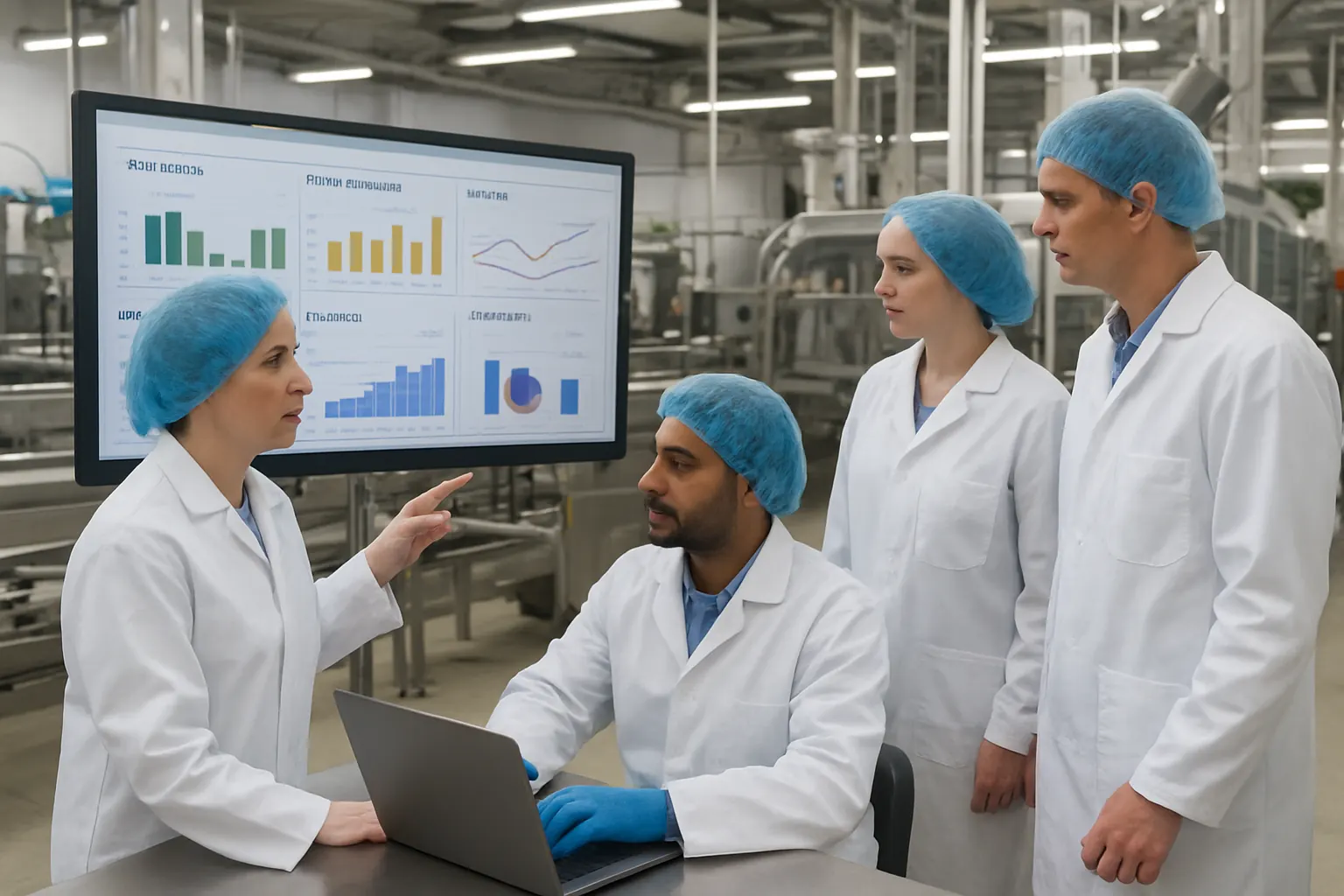
A dedicated dashboard aggregates operational data into intuitive charts and alerts adapted to each department’s needs.
Linking to Specialist External Analytics Services
When needed, export data feeds to advanced analytics or compliance reporting tools without breaking the single source of truth.
Example: End-of-Day Batch Performance Summary
A line manager reviews batch yield, defect rates, supplier delivery punctuality, and workforce efficiency in one interactive report.
Data Accuracy and Access Governance
Data is validated via deterministic rules before dashboard update; sensitive information is access-controlled to maintain confidentiality.
Selective AI Capabilities for Batch Workflows
Appropriate AI Use Cases in Food Batch Manufacturing
AI can assist with variable tasks like classification of defect images, summarisation of compliance forms, prioritisation of maintenance needs, and decision support for schedule adjustments.
Embedded AI Modules Supporting Deterministic Rules
AI modules work alongside deterministic rules for routine tasks, escalating exceptions for human review and approval.
Integration with Sensor Data and Document Management
AI classifies sensor readings, summarises quality reports, and flags anomalies linked to batch records.
Example: AI Prioritises Cleaning Tasks After High-Risk Batches
AI analyses production data to prioritise post-batch cleaning and maintenance schedules, but a supervisor signs off on final plans.
Controls to Retain Human Decision-Making
AI recommendations always require human approval for safety or compliance-related decisions, preserving accountability.
Replacing Avoidable Software Subscriptions with Owned Modules
The Burden of Multiple Disconnected SaaS Licences
Subscriptions to general task products and siloed applications inflate costs and complicate data integration and user training.
Building Owned Capabilities for Core Batch Production Functions
Replacing common modules with custom-built owned systems removes repetition and provides full control over workflows and data.
Specialist External Services Retained Where Critical
External tools continue to handle payments, communications, or specialist testing integrations that are unlikely to become internal capabilities.
Example: Replacing Expensive Scheduling Software
A producer moves from three scheduling and notification SaaS subscriptions to one owned connected scheduling record built around their batch workflow.
Controls Over Subscription Reduction and Data Integrity
Rolling migration plans minimize disruption and maintain robust data governance during the transition.
Traceable Compliance and Audit Readiness
A Real-Time Compliance Challenge
Demonstrating compliance with food safety, traceability, and labour regulations requires accessible, audit-ready records.
Connected Compliance Document Workflows
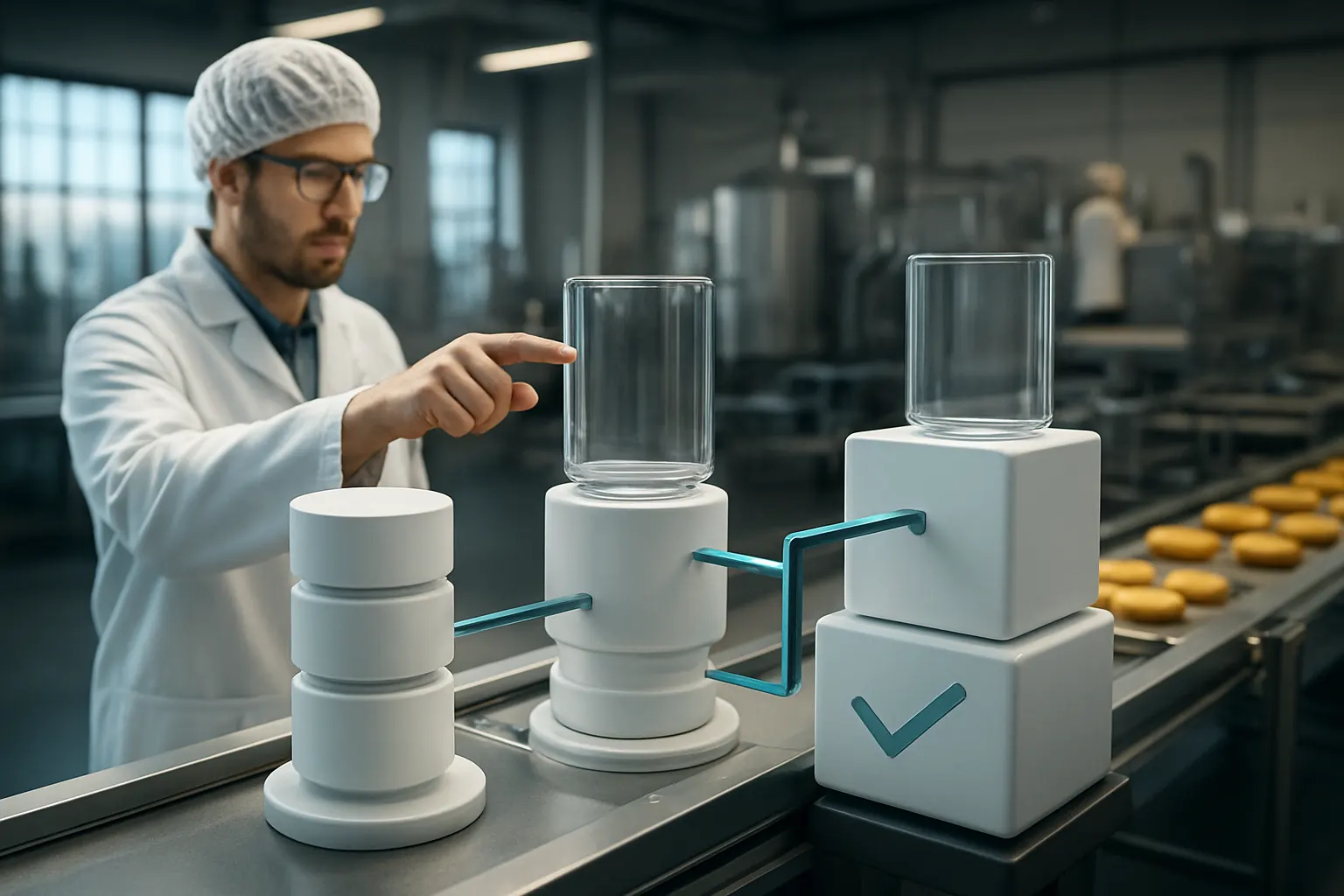
Workflows automate document creation, versioning, and distribution such as HACCP reports, inspection checklists, and training logs.
Linking to Regulatory Portal Feeds
Where feasible, integrate live feeds from regulators to ensure updated rules and inspection schedules.
Example: Automated HACCP Documentation Assembly
Batch production automatically compiles HACCP checklists, quality results, and corrective actions into audit-ready reports.
Approval Steps to Support Internal Controls
Control points require authorised personnel to sign off compliance documents before submission or storage.

How to Roll Out Batch Production Automation in 90 Days
Weeks 1–2: Assessment and Planning
- Review current batch workflows, pain points and software landscape.
- Identify key integration points and automation priorities.
- Define project ownership, compliance requirements and resource availability.
- Set measurable goals focused on reducing manual admin and improving traceability.
Weeks 3–6: Design and Initial Implementation
- Develop connected scheduling, recipe, and traceability modules tailored to your operations.
- Integrate with legacy inventory and supplier portals.
- Pilot mobile capture apps for workforce and quality checks in a selected production line.
- Train users on new workflows and gather feedback.
Weeks 7–12: Expansion, AI Integration, and Reporting
- Extend automation to purchase order coordination and workforce task management.
- Embed selective AI modules to assist classification and prioritisation tasks.
- Launch consolidated dashboards for real-time operational insight.
- Finalise subscription consolidation plan and verify compliance workflows.
- Review and optimise based on operational data and user experience.
Partnering with AI Implementation UK to Own Your Batch Automation Solution
At AI Implementation UK, we design one connected operating system that you own—built exactly around how your food manufacturing business works. Instead of adopting disconnected SaaS products that leave data fragmented, we connect your existing systems and replace subscription-based modules with embedded owned capabilities.
We prioritise deterministic rule-based workflows for repeatable processes and apply AI selectively to assist classification, summarisation, and prioritisation—never removing human oversight on important decisions. Our bespoke solutions integrate with specialist external services only where they remain necessary, such as payment processing and communications.
By consolidating operational data into a reliable, tailored dashboard, we give you control and transparency over production planning, supplier coordination, quality assurance, batch traceability, and workforce management. Our modular design adapts alongside your business evolution and ensures you retain ownership of your critical data assets.
Explore how AI Implementation UK can help you reduce manual work, sharpen compliance controls, optimise costs, and future-proof your food manufacturing operations. To learn more, start a conversation with our automation experts at plan your connected platform or review relevant automation case studies in food manufacturing at case studies.
For further guidance on data governance and compliance in food manufacturing software, consult the Information Commissioner’s Office (ICO) guidance on data processing. For secure payments, visit the PCI Security Standards Council website.
To turn these priorities into one coherent system, map the platform your business needs or explore our workflow automation approach.