Learn how hotels can connect systems, reduce manual admin and automate booking to service with one tailored operating platform the business owns.
Hotels reservations automation software: What Breaks Daily
Hotels reservations automation software should connect bookings, people, communications and reporting in one reliable operating flow.
Hotel operations often falter in the intricate dance linking reservations, housekeeping, guest services and supplier coordination. Time-sensitive or repetitive tasks such as booking confirmation, rota planning, and service requests frequently break down due to disconnected systems. Hotels typically juggle multiple independent applications—property management systems, booking engines, messaging tools and housekeeping logs—each with separate data silos.
This fragmentation leads to lost or delayed information, inconsistent guest experiences, and increased manual workload in reconciling multiple systems. Inconsistent workflows can cause booking errors, missed guest requests, and slow supplier responses. More importantly, vital operational data remains scattered, obscuring real-time insight and undermining strategic decisions.
Delivering frictionless stay experiences demands streamlining these operational flows into one connected workspace. The right hotel reservations automation software replaces fragmented tech stacks with a system built around how the business actually works—a system the hotel owns and controls.

Automated Booking Confirmation and Guest Profile Synchronisation
Booking Inconsistencies Disrupt Guest Service
Manual booking confirmation invites delays and errors. Different systems struggle to share updates on room availability, guest preferences and payment status, causing double bookings or neglecting special requests.
Connecting Workflow Efficiently Between Booking and Guest Records
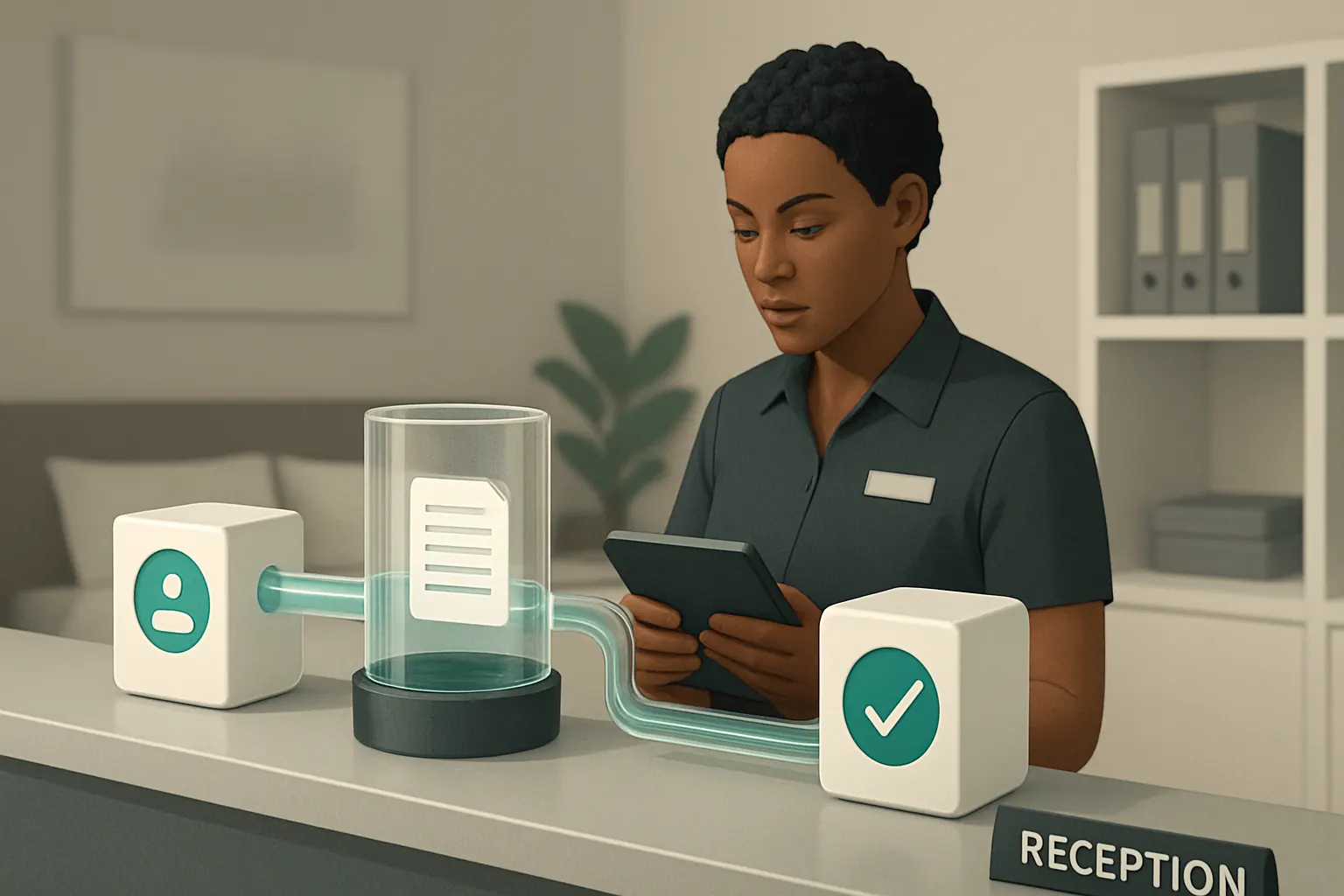
A connected system captures a booking once and updates guest profiles, room status, and billing data immediately. Information flows from online booking portals, call-centre entries, and channel managers into one owned booking record.
Useful Integrations with Existing Booking Engines and PMS
Your existing systems stay useful, connected via tailored modules replacing duplicated subscription tools. For example, integrating with specialist booking portals ensures real-time inventory updates without abandoning familiar interfaces.
Real-world Example: Seamless Guest Preferences Updates
When a guest modifies a booking online, dietary requests, arrival times and loyalty points update automatically in the housekeeping and kitchen modules—ensuring tailored service on arrival without duplicated admin.
Controls for Data Integrity and Guest Approval
Rules validate guest data and bookings automatically, flagging exceptions for human approval before confirmation. This preserves data privacy requirements and ensures accurate consent handling, aligning with ICO guidelines.
Streamlined Housekeeping Scheduling and Workload Balancing
Housekeeping Rosters Often Misaligned with Guest Needs
Manually managing housekeeping shifts around bookings, VIP guests or special maintenance requests burdens staff and increases risk of room readiness delays.
Smooth Workflow: Rota Updates Driven by Live Booking Data
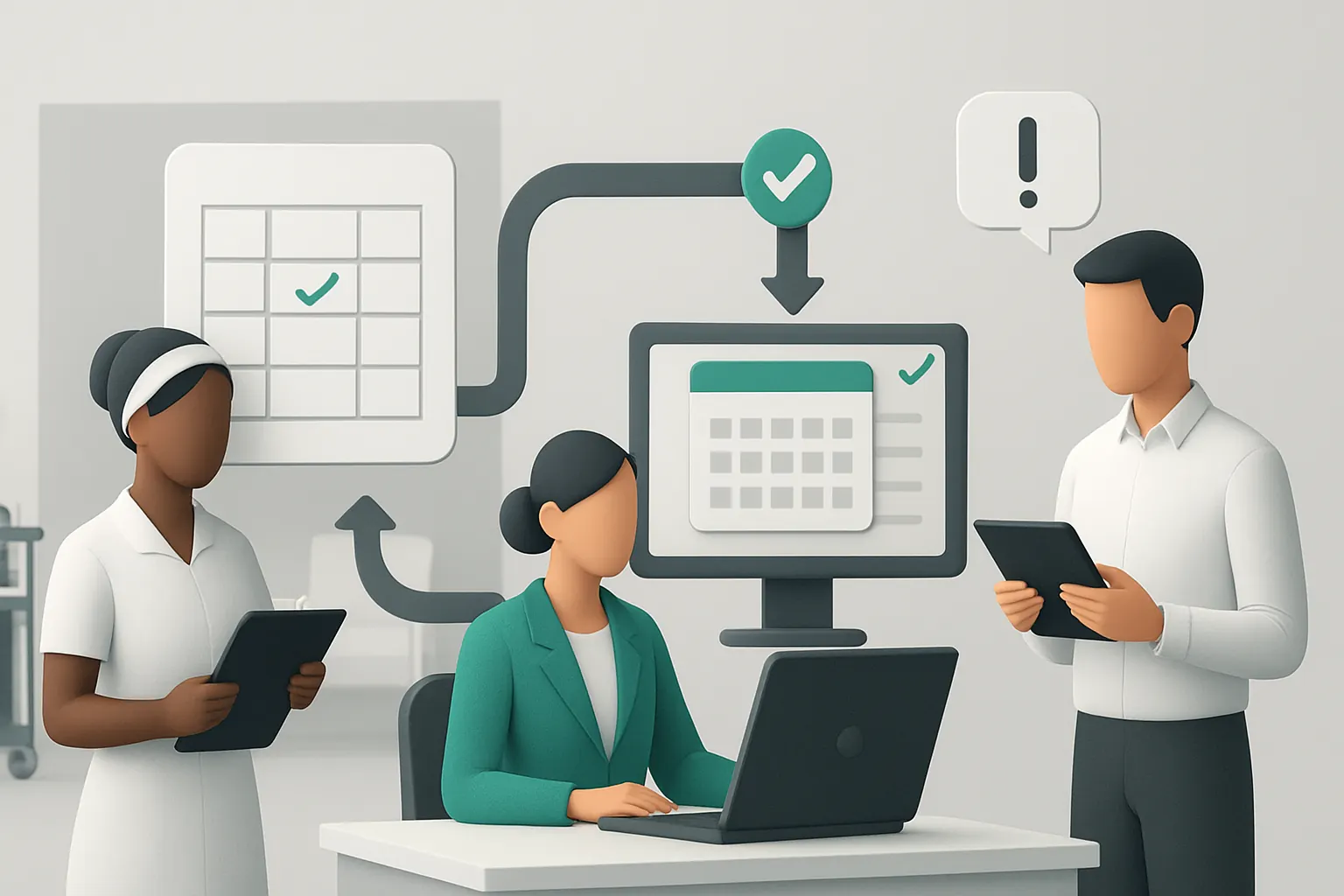
Housekeeping scheduling linked directly to current bookings and guest stay length automates daily rota adjustments based on occupancy. Notification modules alert staff of priority rooms or late checkouts.
Integration with Time and Attendance Systems
Modules connect with existing timeclock and payroll software, eliminating paper-based scheduling while preserving payroll accuracy and compliance.
Example: Automated Prioritisation of Deep-Clean Rooms
Following a guest checkout flagged as high risk (e.g. illness reported), housekeeping rota automatically prioritises deep cleaning on the next shift, reducing health risks without manual oversight.
Staff Controls and Management Oversight
Managers review automated schedules daily, manually reassigning tasks if necessary. Workforce availability constraints and union rules are configured as deterministic parameters that automate routine decisions but flag exceptions.
Real-Time Guest Communication and Service Request Handling
Manual Guest Contact Slows Response and Frustrates Experience
Front desk and service teams waste time switching between communication tools to track guest requests. Messages may slip through or be duplicated.
Unified Messaging Workspace Connected to Guest and Booking Info
An owned, consolidated communication module routes guest messages, automatically classifies requests by type (cleaning, maintenance, dining), and prioritises urgent issues. Replies are personalised using guest profile data.
Useful Integration with Specialist Communication Tools
Specialist external apps like Twilio for SMS or cloud telephony services integrate within the owned workspace, fast-tracking messages while preserving contextual data.
Case Study: Automatic Prioritisation of Lost Key Requests
If a guest texts "lost room key", the system flags the request as urgent. Housekeeping or security staff are notified immediately, supporting rapid resolution with human confirmation before actions.
Controls: Guest Privacy and Message Audit Trails
All guest communication is logged with time-stamped audit trails that support privacy obligations and retention policies under ICO standards.
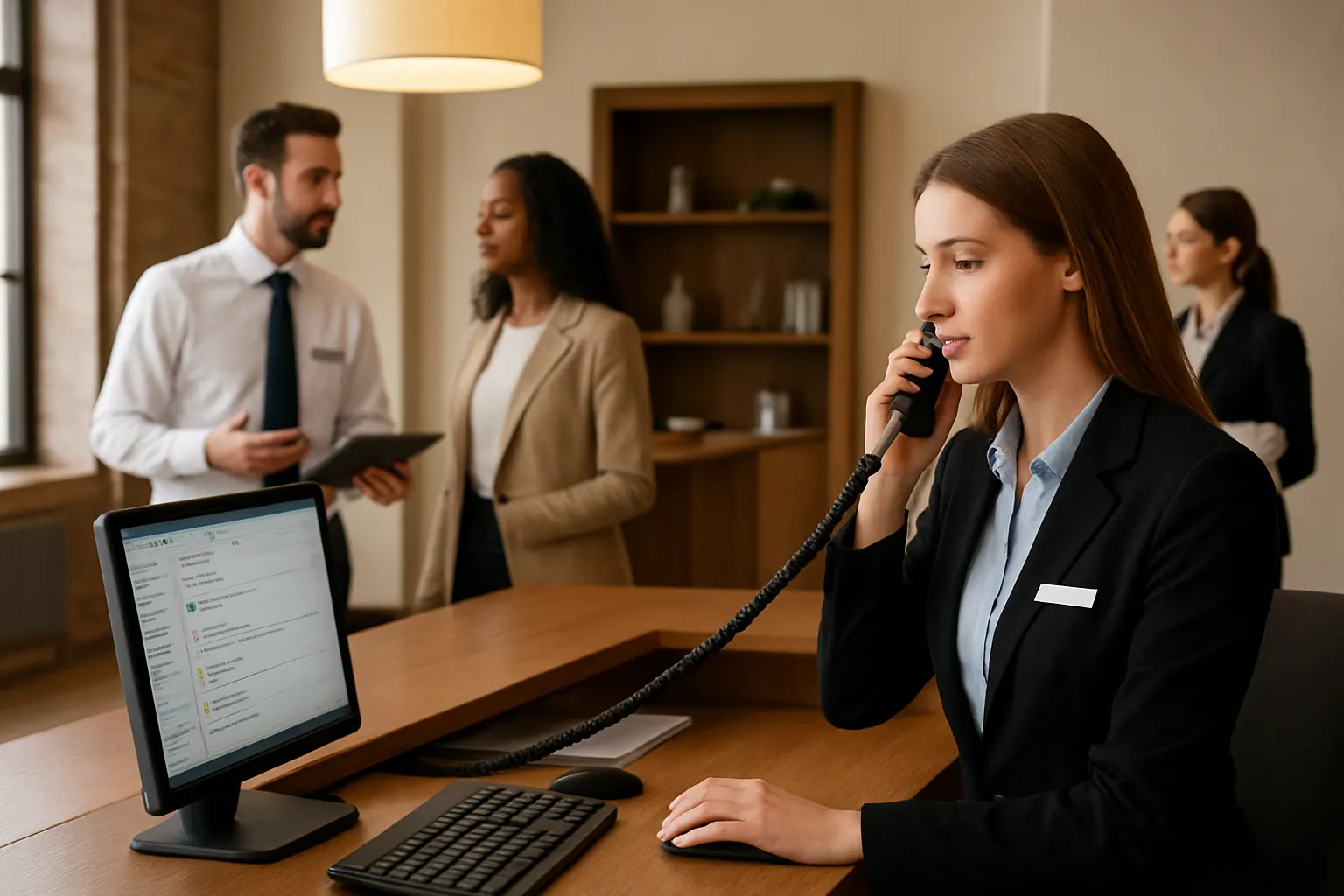
Automated Supplier Coordination and Inventory Updates
Manual Supplier Orders Risk Ingredient or Guest Supply Shortages
Without automated inventory and supplier workflows, kitchens and housekeeping risk last-minute shortages, impacting guest satisfaction.
Connected Inventory Module Synchronised with Booking Forecasts
The owned system estimates consumption based on occupancy and guest profiles, triggering purchase orders and supplier notifications automatically within configured thresholds.
Integrations with Specialist Payment Gateways and Supplier Systems
External tools such as payment processors or supply portals integrate into procurement workflows, automating invoice matching and payment scheduling without manual duplication.
Example: Timely Linen Orders Based on Forecasting
Predictive cleaning and occupancy data automatically notify linen suppliers, avoiding costly express shipments and stockouts during peak times.
Controls to Manage Budget and Payment Authorisation
Supplier orders above set limits require manager approval. Spending caps and audit trails monitor compliance with internal financial controls and safeguard cashflow.
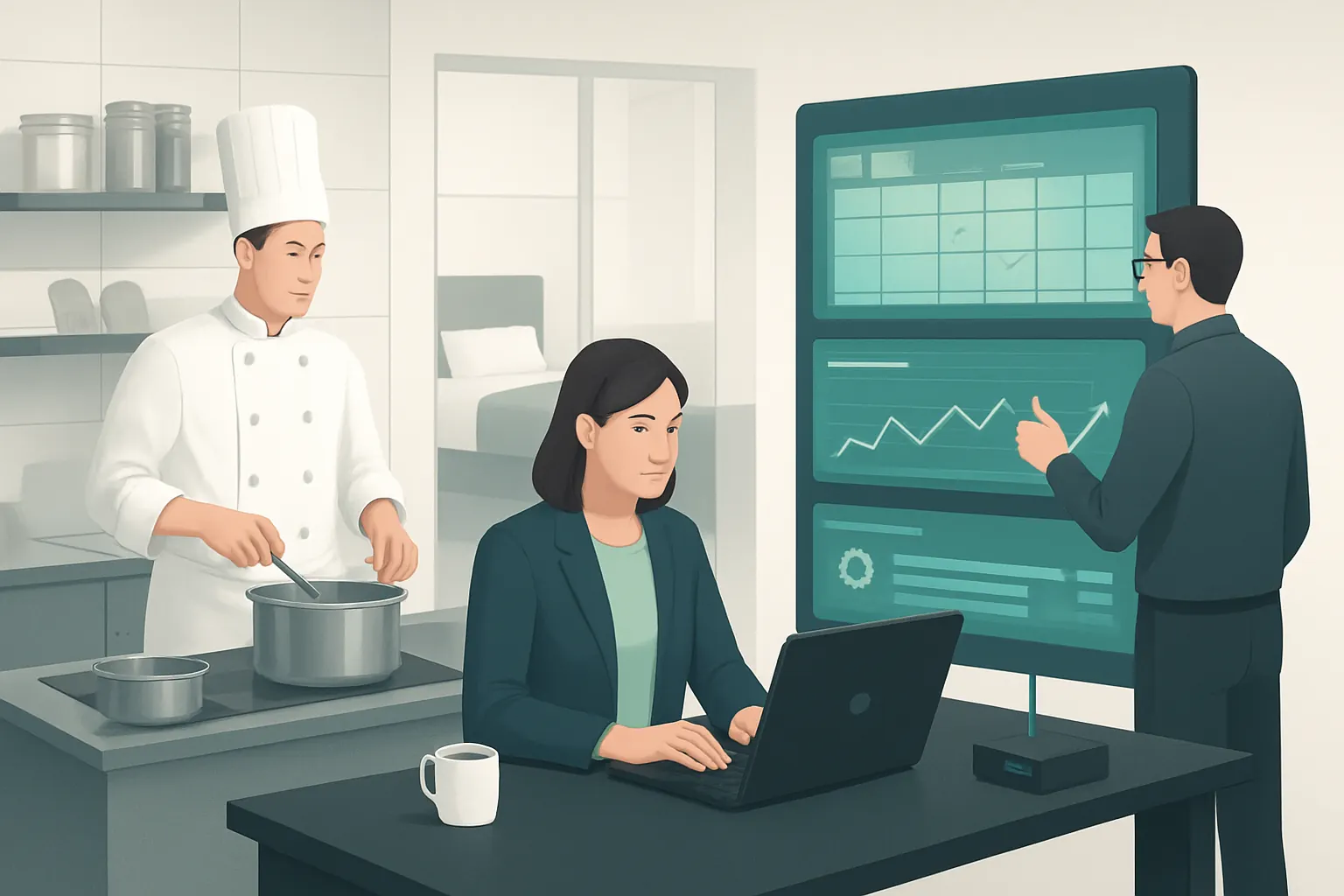
Streamlined Payment Processing and Invoicing
Manual Billing Delays Reconciliation and Revenue Recognition
Separately managed payment systems cause delays or errors reconciling guest accounts and advance deposits, impacting cashflow.
Booking-Linked Payment Workflows Automate Invoice Generation
Invoices are generated and issued automatically when stays complete, linked to pricing rules and any agreed adjustments. Payment status updates flow back to the booking records in real time.
Useful Integrations with Secure Payment Gateways
Integrations with PCI DSS compliant payment services allow online and on-site charges without duplicating data or security risks.
Practical Example: Pre-Authorisation and Final Invoice Automation
Hotels pre-authorise cards when booking is confirmed, then auto-generate final invoices with itemised charges upon check-out for fast guest billing and cashflow certainty.
Controls Preserve Human Oversight on Refunds and Disputes
Exceptions like refunds or chargebacks trigger alerts for manual investigation, maintaining auditability and compliance with financial regulations.
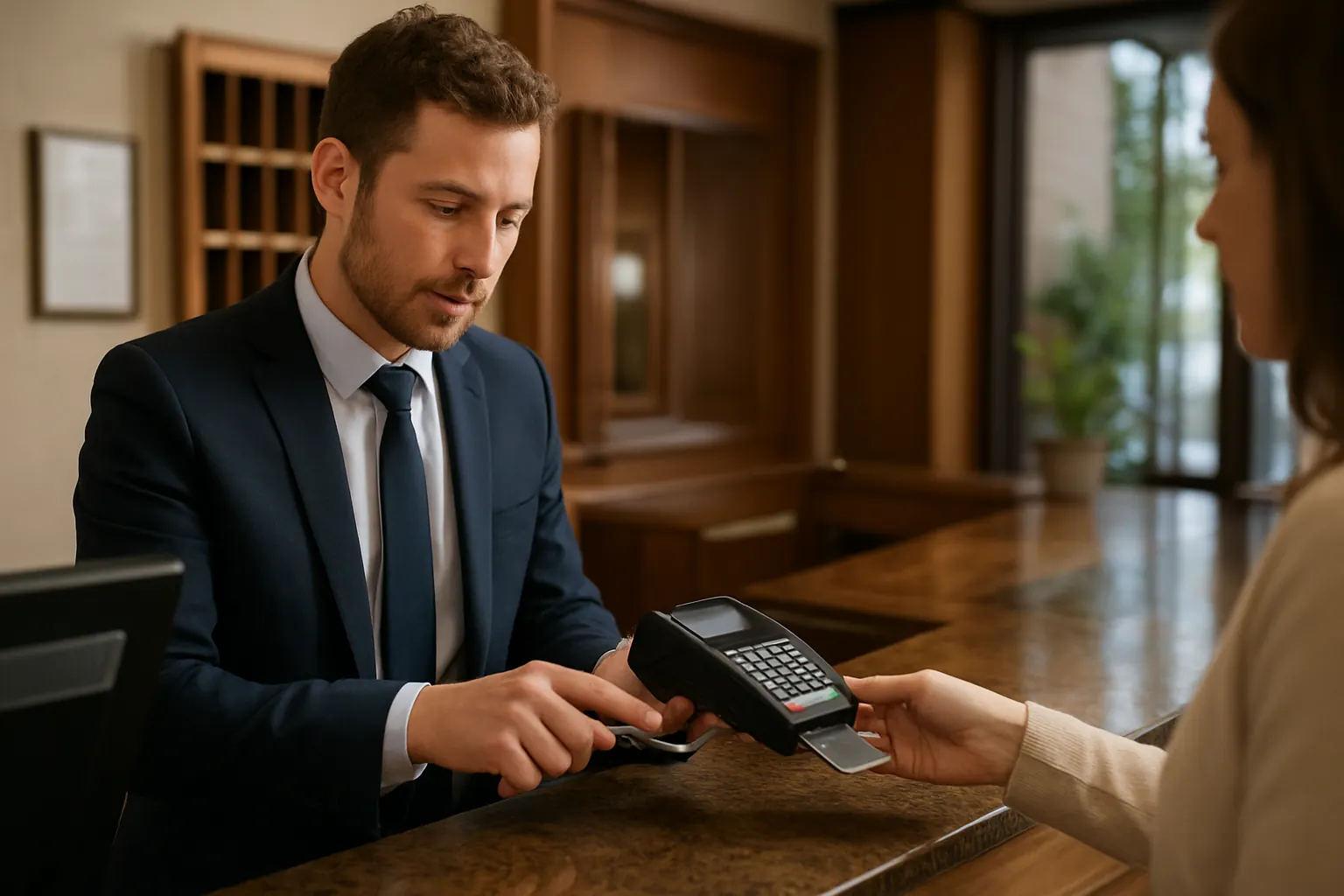
Intelligent Task Classification and Prioritisation
Overwhelming Volumes of Service Requests Cause Delays
Hotels commonly encounter high daily volumes of guest requests and internal tasks, which if handled manually become chaotic and inefficient.
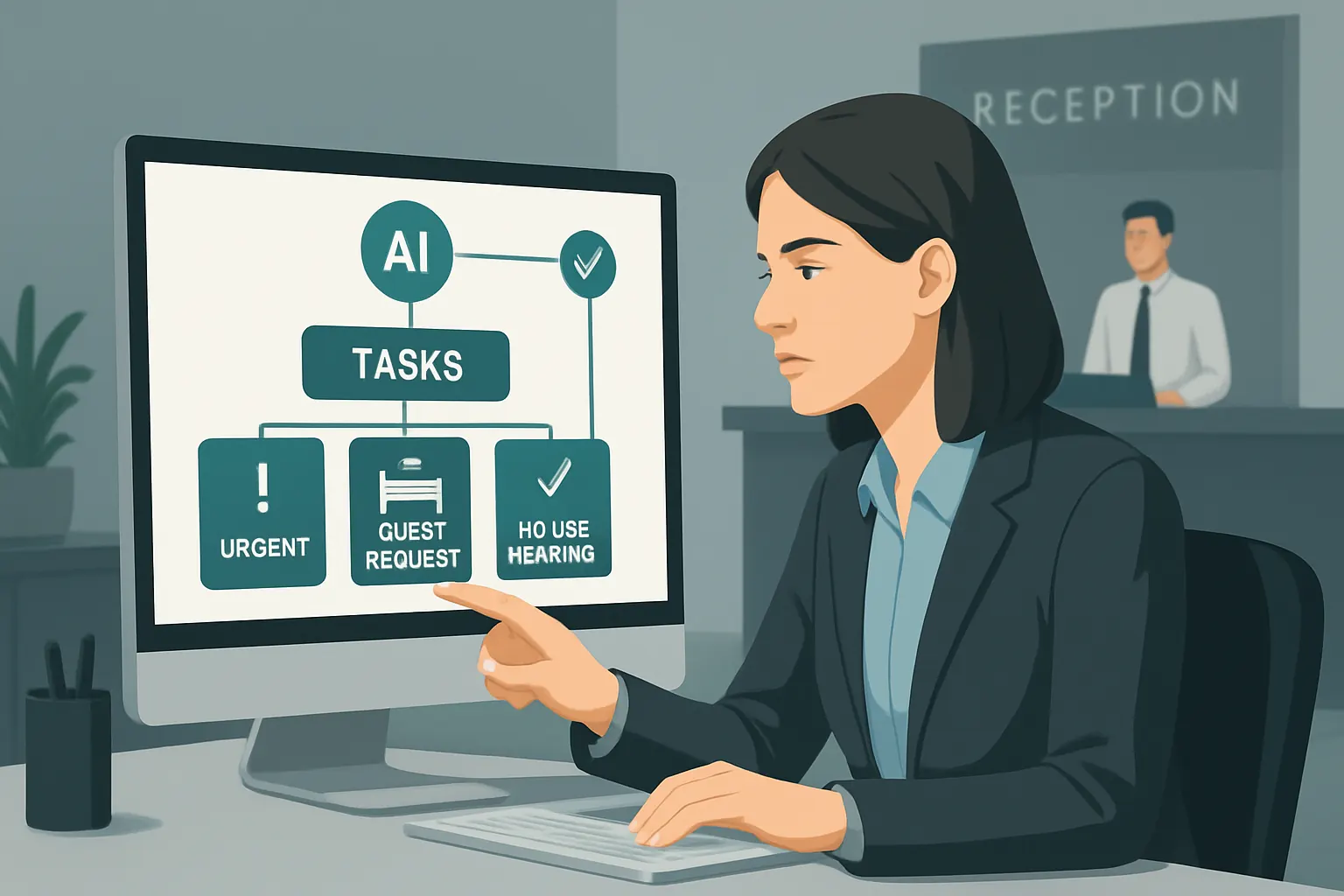
AI-Assisted Classification and Prioritisation Modules
Selective AI classifies incoming tasks by urgency and type (e.g. maintenance, guest request, housekeeping). Deterministic rules assign tasks to appropriate teams and escalate overdue issues.
Integration with Workflow Automation and Human Approval Steps
Autonomous workflows handle predictable routine work, while supervisors review flagged exceptions for quality and safety, maintaining a human control layer.
Concrete Example: Summarisation of Guest Feedback for Action
AI summarises daily guest feedback emails and surveys into key themes and flags major complaints for immediate management review, speeding up service recovery.
Controls: Escalation Paths and Transparent Decision Logs
All AI decisions are recorded with rationale logs available for human validation, reducing risk and preserving accountability in sensitive decisions.
Real-Time Dashboard Reporting for Operational Visibility
Lack of Single Source of Truth Hinders Data-Driven Decisions
Hotel managers often rely on disparate reports for reservations, occupancy, staff workloads and guest satisfaction—missing a clear operational picture.
Connected Dashboard Aggregates Live Data from All Modules
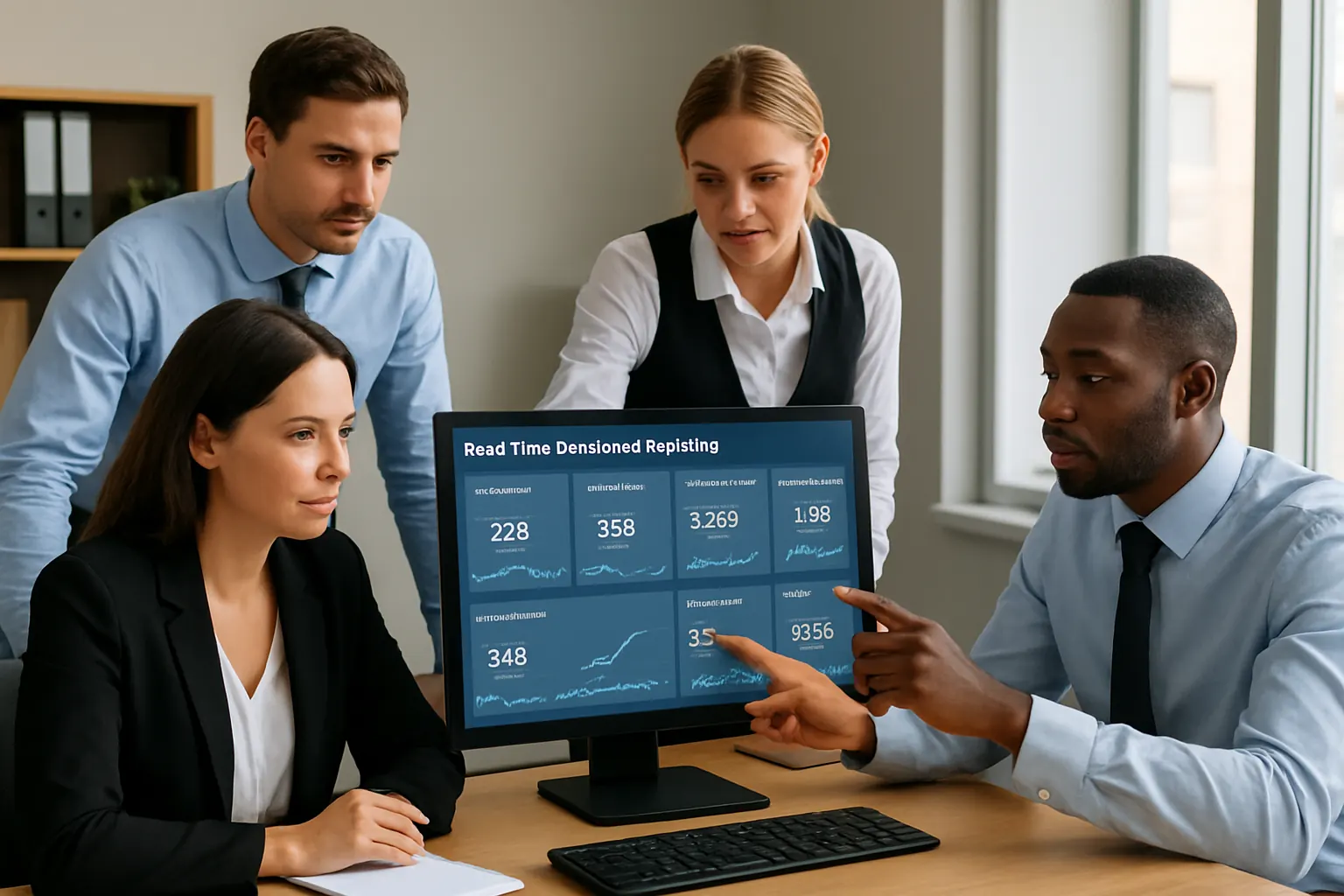
A tailored dashboard consolidates key metrics: bookings, housekeeping status, guest requests, supplier orders and financials, updated in real time from the owned system.
Useful Integrations for Benchmarking and External Data
Integration with external data sources (weather, events) helps contextualise demand spikes and adjust operations proactively.
Illustration: Daily Occupancy Trends and Service Load Visualised
Management sees widgets displaying current occupancy rates, priority tasks, and guest feedback scores—supporting timely resource allocation.
Controls Enable Secure Role-Based Access
Data views are restricted based on role, with audit trails on analytics access supporting data privacy standards and internal security policies.
Dynamic Shift and Staff Notification System
Staff Notifications Often Missed or Delayed
Crucial service updates and rota changes miscommunicated manually reduce staff responsiveness.
Automated Notification Workflows for Task and Shift Updates
Notifications for shift changes, task assignments, guest special requests or emergencies dispatch automatically via app or SMS.
Complementing Existing Workforce Management Software
The system feeds planned rosters and real-time updates into existing workforce portals, eliminating dual data entry and confusion.
Case Example: Instant Alert of VIP Arrival to Front Desk and Housekeeping
When a VIP booking is confirmed, all relevant teams receive prompt alerts with personalised instructions, improving guest readiness.
Controls to Manage Notification Preferences and Escalations
Staff set notification preferences, with escalation rules triggering repeated alerts for urgent issues, ensuring accountability.

90-Day Rollout Plan for Hotel Reservations Automation Software
Weeks 1–2: Needs Analysis and System Mapping
- Conduct detailed walkthroughs of current booking, housekeeping and service workflows.
- Identify key legacy systems for integration and modules to replace.
- Define compliance and control requirements with data privacy and payment standards.
Weeks 3–6: Core Modules Integration and Setup
- Deploy booking and guest profile synchronisation modules.
- Connect housekeeping scheduling and messaging tools.
- Pilot payment processing workflow integration with secure gateways.
- Train core staff on new workspace and control interfaces.
Weeks 7–12: Advanced Automation and Dashboard Deployment
- Roll out AI-based task classification for service requests.
- Implement supplier coordination and inventory automation.
- Launch real-time operational dashboards for management.
- Integrate dynamic shift notifications and feedback summarisation.
- Review controls and human approval points to ensure transparency and compliance.
How AI Implementation UK Connects Your Hotel Systems into One Owned Workspace
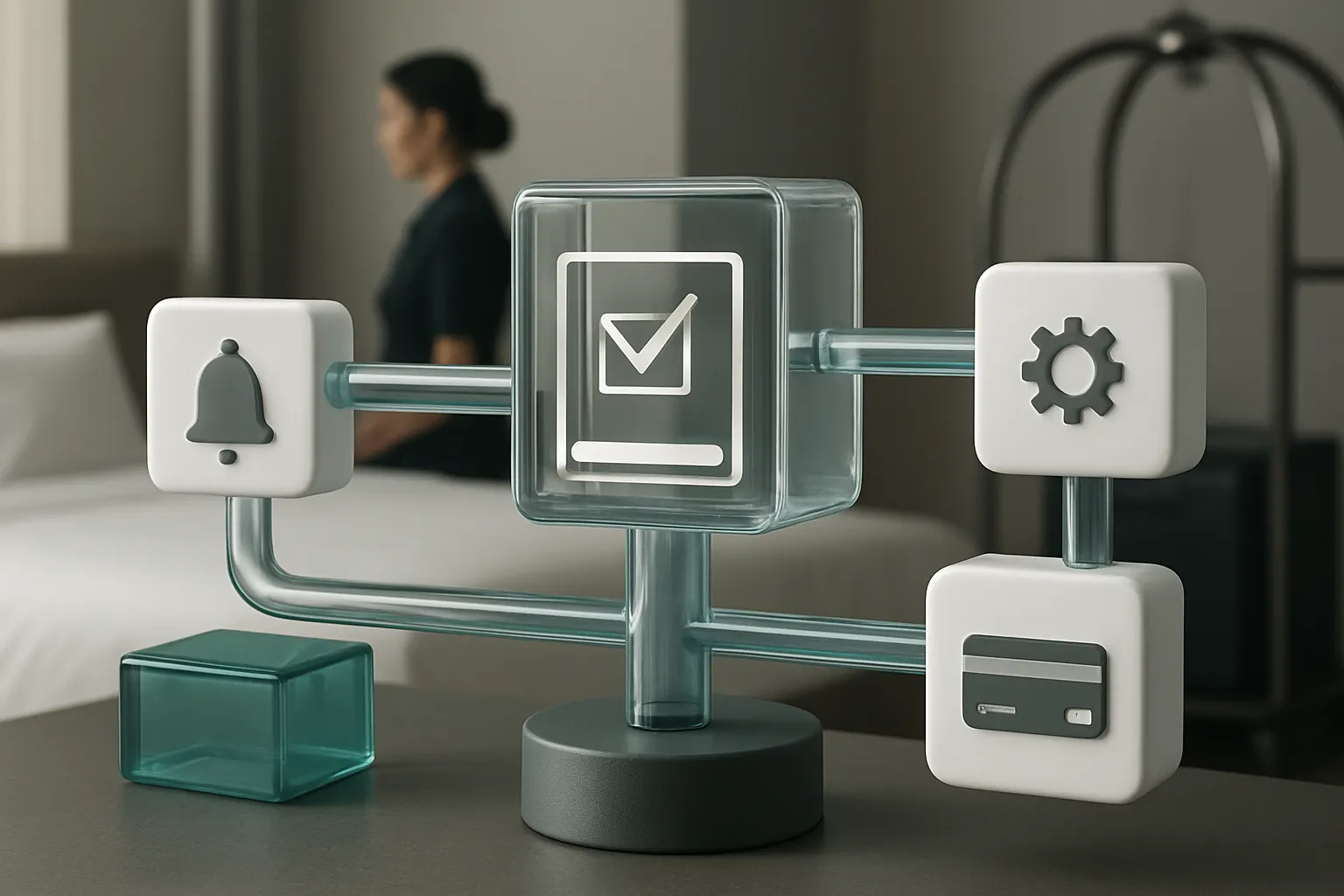
AI Implementation UK offers end-to-end design and delivery of a connected operating system built around your hotel’s specific workflow. Instead of layering disconnected SaaS products, we develop owned modules that integrate with useful existing tools—preserving investments while cutting redundant subscriptions.
We turn your scattered data into one reliable booking record linked across housekeeping, guest communication, supplier management and finance. This enables a single source of truth with tailored dashboards supporting better decisions and smooth, efficient operations.
Selective AI capabilities handle variable tasks such as classification, summarisation, prioritisation and decision support. Deterministic rules manage predictable workflows while you retain human control over sensitive decisions, protecting compliance with privacy, payment and safety requirements.
Our approach starts with a practical assessment of what requires automation versus personal touch. We sequence rollout phases for quick wins in booking and guest management, then layer on supplier and financial automation followed by intelligent task handling and real-time operational insights.
If you want to move beyond isolated hotel automation efforts, reduce admin overhead, improve guest experience and regain control over your systems, speak to AI Implementation UK. We build your owned connected hotel reservations automation software designed to scale with your business without vendor lock-in.
Visit our services on process automation and learn more about developing your data infrastructure and AI strategy to future-proof your hotel operations.
For privacy advice, see the ICO Guidelines on Data Protection and Hospitality
For payment compliance, refer to PCI Security Standards Council PCI DSS Quick Reference Guide
Make your hotel’s operational technology work for you—not the other way around.
To turn these priorities into one coherent system, map the platform your business needs or explore our workflow automation approach.