
Learn how courier and parcel delivery firms can connect systems, reduce manual admin and automate order to dispatch with one tailored operating platform the.
Courier and parcel-delivery firm workflow automation: What Breaks Daily
Courier and parcel-delivery firm workflow automation should connect bookings, people, communications and reporting in one reliable operating flow.
Courier and parcel-delivery firms face relentless operational pressures. Each day, manual job allocation errors cause dispatch delays, route exceptions create unforeseen extra miles, and delivery evidence is sometimes incomplete or inaccessible. These breakdowns disrupt workflows, trigger customer complaints, and inflate costs.
Typical pains include missed pickup slots, unclear driver instructions, inaccurate parcel records, and gaps in proof of delivery. Teams often juggle multiple separate systems—spreadsheets, GPS, manual logs and patchy communication tools—that don’t talk to each other. The absence of a single, authoritative workflow means common mistakes repeat, crucial info is scattered, and accountability blurs.
These operational hiccups not only affect customer satisfaction but also expose businesses to compliance risks, especially when handling regulated goods. Automation, implemented as one connected workspace tailored to the firm’s actual workflow, can transform these daily breakdowns into smooth, predictable operations.

The Cost of Manual Labour: Time Drains, Mistakes and Impacted Cashflow
Relying heavily on manual processes adds hidden costs:
- Time wastage: Staff spend hours updating disparate records and chasing exceptions rather than managing exceptions proactively.
- Errors and inconsistencies: Manual data entry causes mismatches in parcel weights, delivery addresses, and status updates.
- Compliance risks: Chain of custody breaches, missing delivery proofs or regulated goods mishandling lead to penalties.
- Cashflow delays: Billing and payment reconciliation slow due to unreliable dispatch data or lost delivery confirmations.
- Poor customer experience: Real-time parcel status updates are unavailable, increasing inbound inquiries and negative feedback.
The combined effect narrows margins and constrains growth. Smart automation is the logical next step for courier firms seeking scalable operations without increasing headcount.
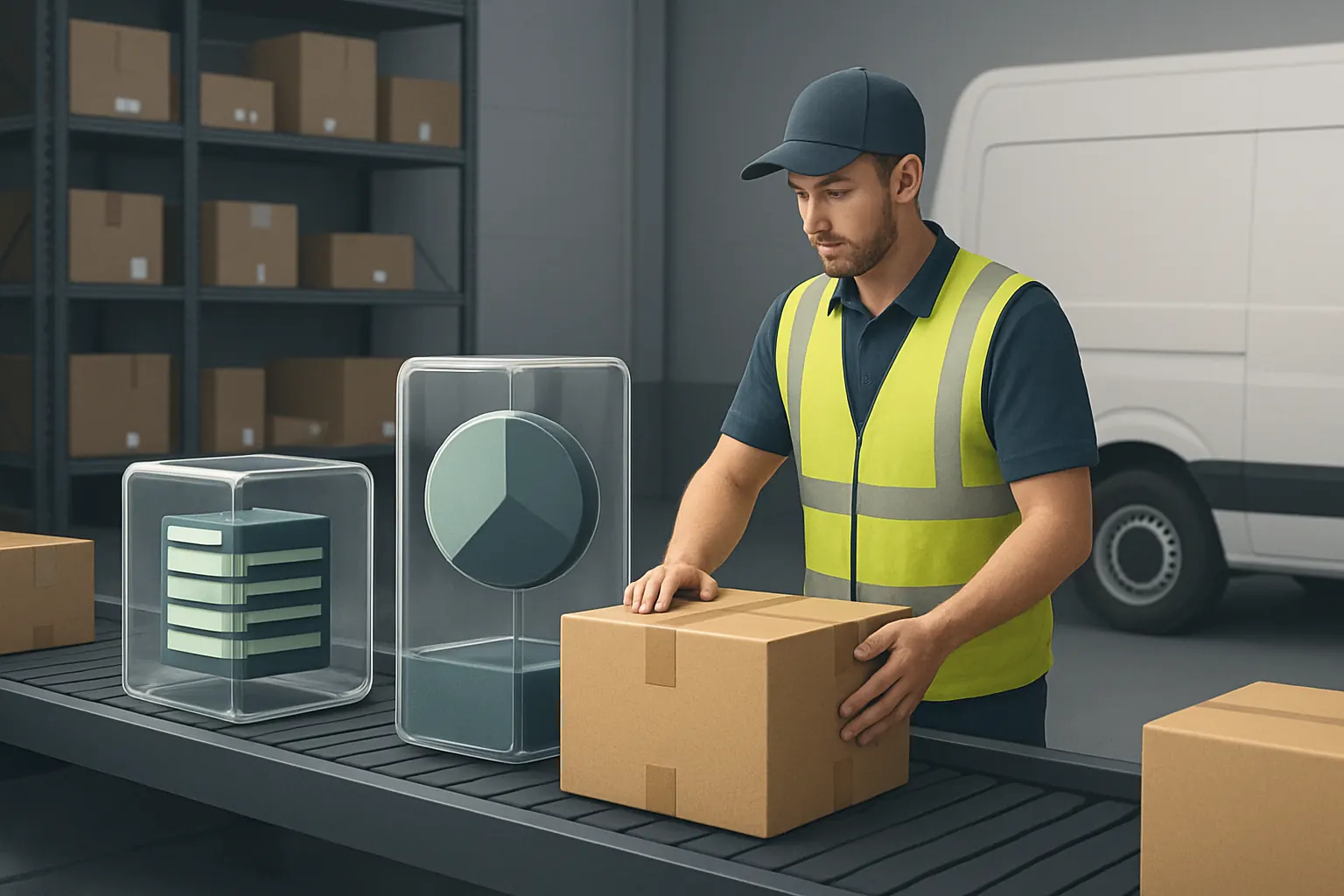
Centralised Job Allocation and Dispatch Orchestration
Coordinating Jobs Without Double Entry
Assigning jobs manually or switching between disconnected systems leads to dispatch inefficiencies. Couriers often lose track of job priorities or driver availability changes mid-shift, resulting in idle time or last-minute reassignments.
Crafting One Tailored Job Allocation Workspace
A connected working record consolidates order receipt, capacity planning, driver skills and locations. The system automates intelligent job distribution through tailored rules, reducing manual intervention. Dispatchers view real-time ETA changes and workload balances on an easy-to-reference dashboard. This integrated workspace can connect existing CRM and telephony.
Practical Integration Into Existing Systems
Rather than replacing useful existing software outright, integration brings order data, driver rosters, and route information into one owned system. Avoid multiple costly subscriptions by selectively replacing modules like job scheduling with in-house tools tailored for your workflow.
Example: Smarter First-Time Routing with Real-time Updates
A multi-site courier that struggled with delayed allocation added a rule-based booking record. It automatically assigned urgent parcels to the nearest available driver, freeing dispatchers from constant juggling. Alerts flagged route changes or driver absences, prompting swift adjustments. The proof-of-delivery capture was linked to job status, closing the dispatch loop efficiently.
Controls and Compliance Oversight
Role-based access limits driver view of only assigned jobs to protect chain-of-custody sensitive parcels. Dispatch rules enforce regulatory constraints, such as restricting certain goods to trained drivers. Exceptions trigger human review before escalating, ensuring regulatory adherence while benefiting from automation.

Streamlined Order to Dispatch Automation
Overcoming Fragmented Order Processing
Orders often arrive via multiple sales channels and require manual validation. The resulting back-and-forth wastes time and causes inconsistent parcel documentation.
Automating Workflow for Order Validation and Dispatch Prep
With order-to-dispatch automation, workflows automatically record parcel details—weight, dimensions, delivery instructions—and perform validation checks like service area coverage and pricing accuracy. The workflow orchestrates label creation, vehicle capacity checks, and assignment without operator delays.
Seamless Connection to Payment and Communication Providers
Specialist external services remain integrated for final mile payment collection and customer messaging. For example, integrated APIs send SMS or email status updates, while payment gateways handle billing securely. These connections enhance automation without increasing software subscriptions.
Example: Automatic Booking and Road-ready Preparation
A regional parcel firm implemented system-driven dispatch rules. Orders from its website populated a common booking record. Once validated, the system generated routing labels and alerts for vehicle loading. Drivers received automations on mobile apps with parcel details and delivery constraints, reducing manual hand-offs.
Built-in Controls for Data Integrity and Authorised Overrides
Automated checks flag weight mismatches or address errors for dispatcher review. Price adjustments or service level changes require manager approval before the system proceeds, ensuring operational accuracy within automated processes.
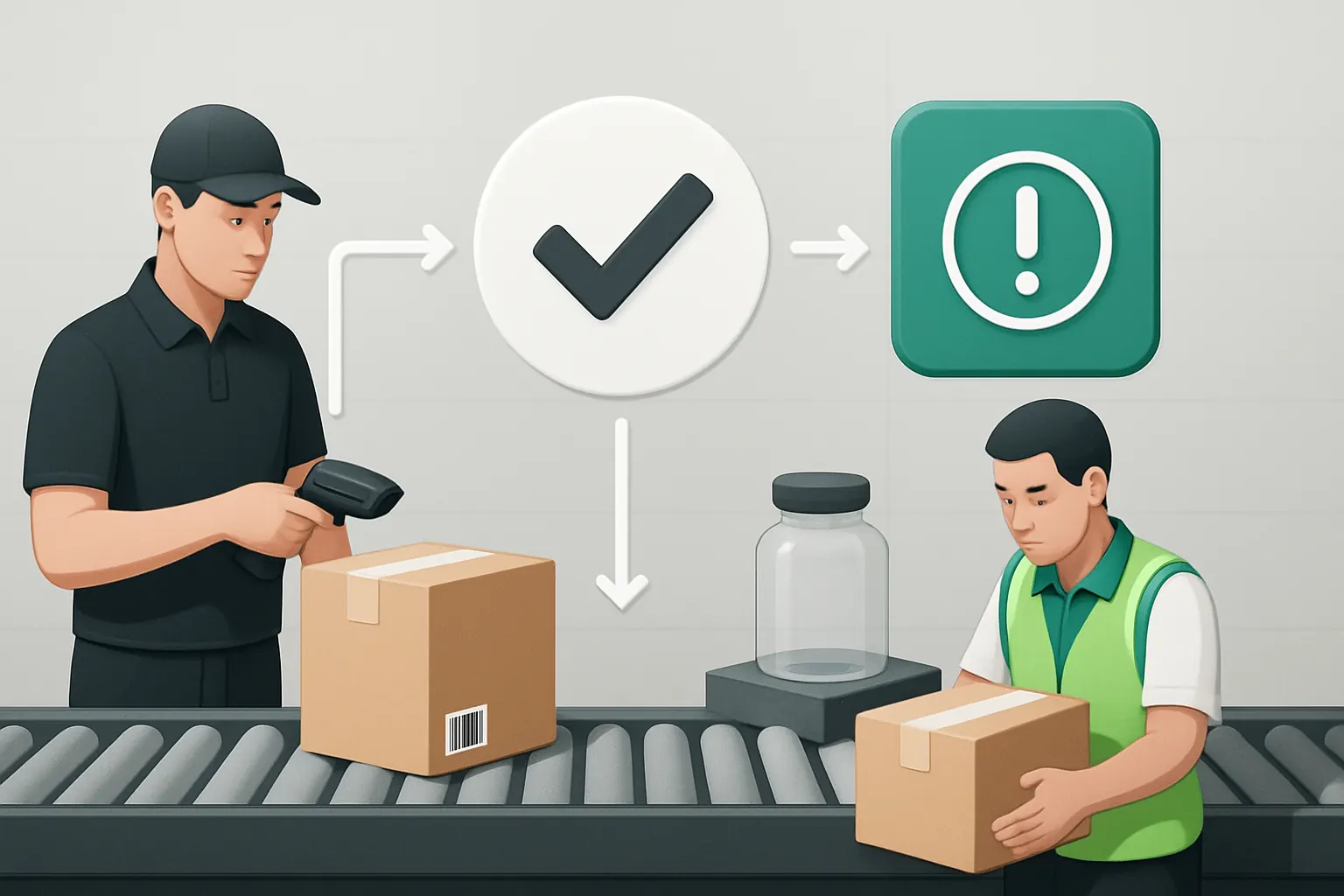
Exception and Delay Management with Notification Automation
The Impact of Unplanned Route Disruptions
Traffic delays, vehicle breakdowns, or delivery refusals create exceptions that ripple through the dispatch schedule. Without quick resolution, these increase operational costs and customer dissatisfaction.
Using Conditional Triggers for Dynamic Exception Handling
Built-in automation monitors real-time data to detect incidents—delayed pickups, route deviations, missing parcels—and triggers conditional alerts to the right teams. Notifications can batch multiple exceptions into digest emails or escalate depending on severity.
Leveraging Existing GPS and Communication Tools
Rather than replacing vehicle tracking, integration consolidates status inputs into one workflow, combining GPS data with manual condition reports. Communication tools continue handling direct driver-customer messaging but feed exception data back into the shared dispatch record.
Example: Faster Response to Delivery Exceptions
An urban courier adopted automated notification workflows that alerted operations managers immediately when drivers reported blocked access or customer rejections. The system automatically proposed reallocation or rescheduling options, streamlining real-time decision-making and cutting failed delivery rates.
Governance for Exception Handling
All automated notifications generate logged trail entries for audit and compliance. Human review remains mandatory for rerouting high-value or regulated parcels, preserving chain-of-custody traceability and legal accountability.
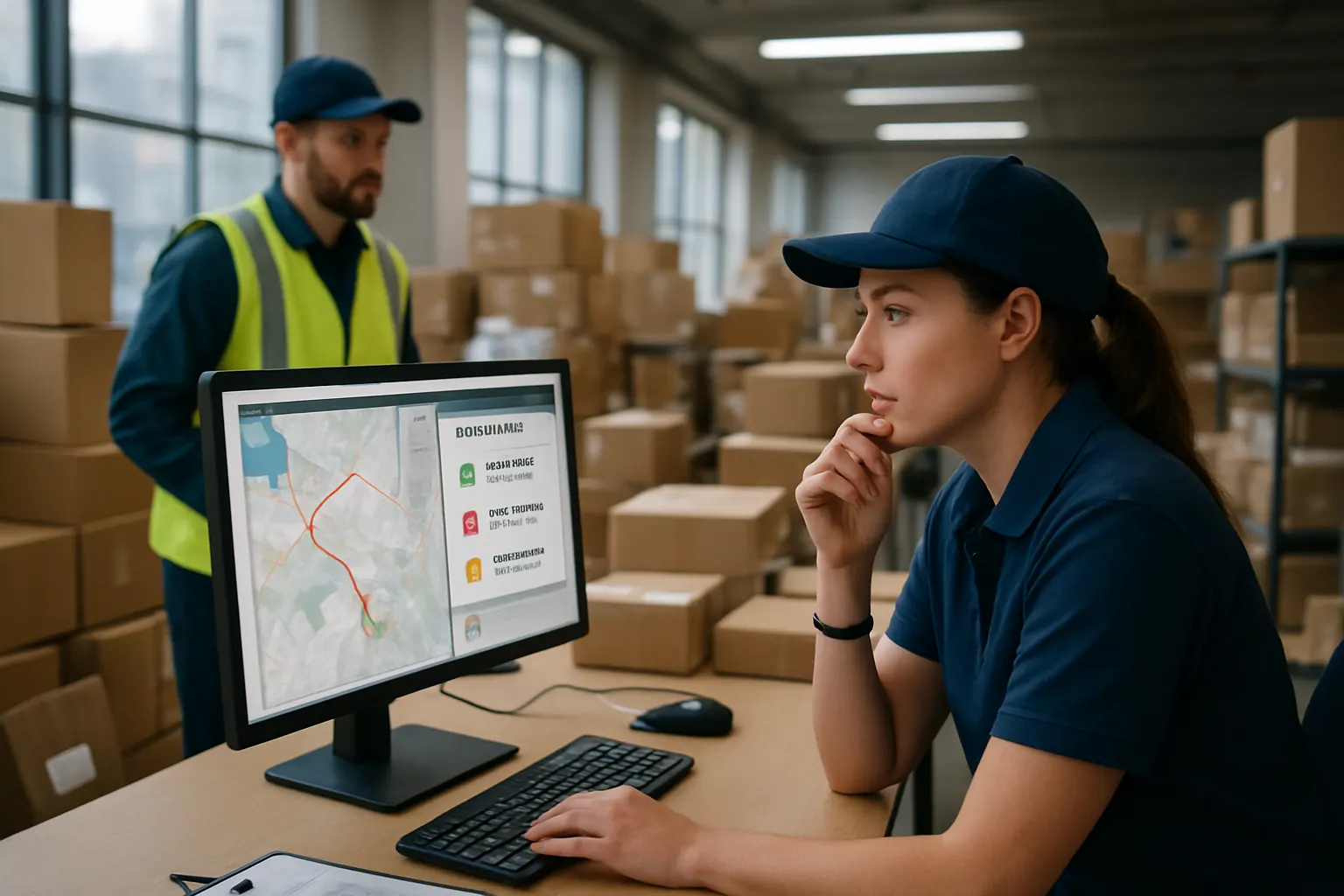
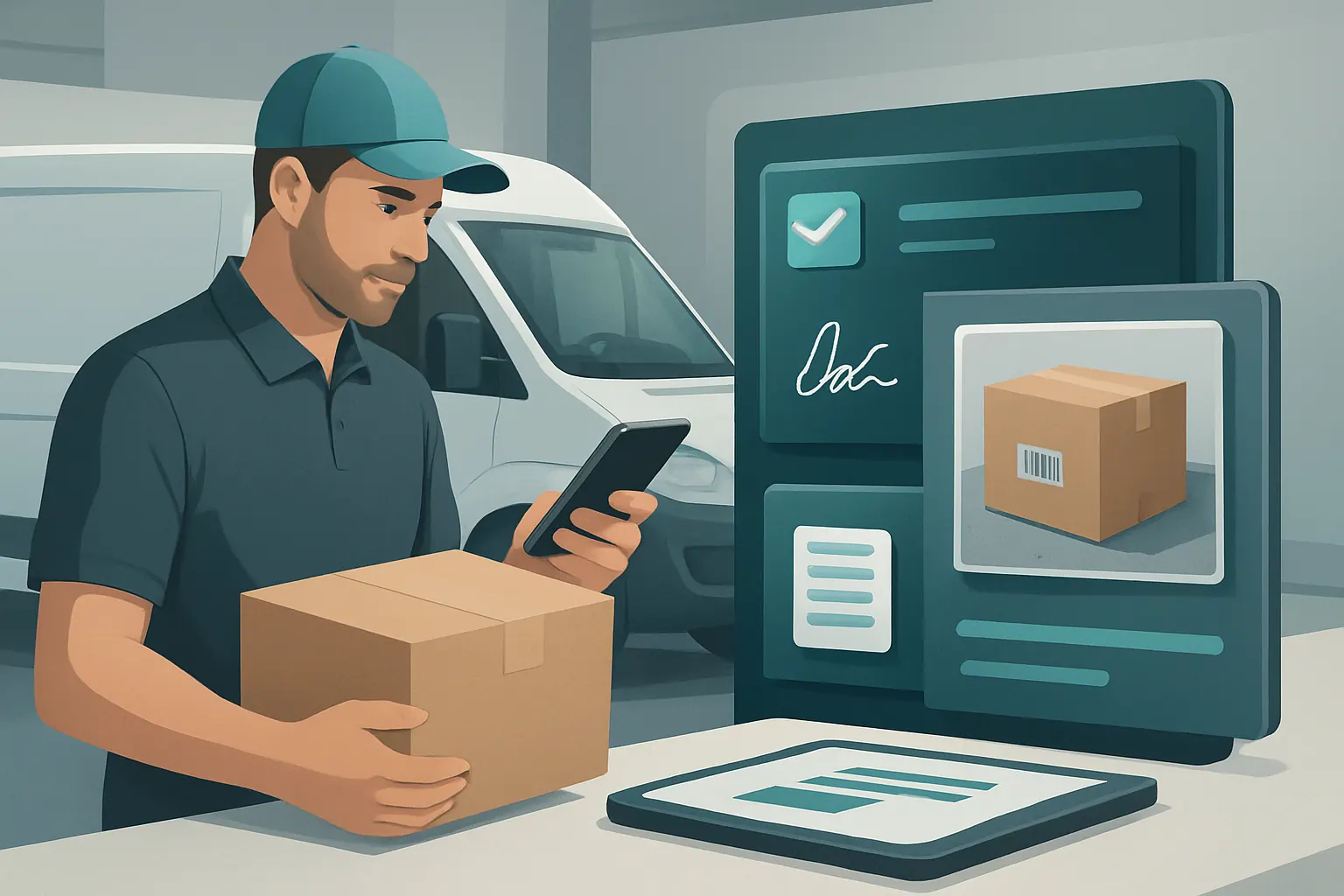
Integrated Proof of Delivery Capture and Chain-of-Custody Recording
Complexity of Securing Proof for Each Delivery
Incomplete or delayed proof of delivery (POD) creates disputes, delayed invoicing, and potential regulatory breaches. Paper processes or photo-only capture lack reliability and central visibility.
One Connected Record for Authentic Delivery Evidence
The owned system digitises POD capture—electronic signatures, time-stamped photos, barcodes—directly linked to the delivery job record. Chain-of-custody documentation and handover details are recorded transparently, allowing real-time verification.
Linking POD Data with Billing and Customer Communication
POD results trigger automated billing workflows, ensuring invoicing aligns with proof availability. Customers receive automatic confirmation emails or portal access to delivery status, improving trust and reducing queries.
Example: Digital Confirmation Fit for Regulated Shipment Requirements
A courier handling medical specimens implemented a digitised POD workflow. Each handover required driver authentication and photo capture stored securely in the same system, supporting compliance with healthcare regulations. Drivers used company devices with controlled access and encrypted data, preserving security.
Controls for Driver Access and Data Retention
The system enforces device login controls for drivers and encrypts POD data at rest and in transit. Retention policies align with regulatory requirements. Only authorised personnel can override or amend POD records, with full audit trails maintained.
Selective AI Use for Classification, Summarisation and Decision Support
Why AI is a Support Tool, Not a Standalone Solution
AI capabilities can assist in variable or complex tasks—such as classifying parcel priority, summarising delivery exception reports or highlighting urgent updates—but automated decisions must remain transparent and human-supervised.
Combining AI with Deterministic Rules for Predictability
Routine processes use deterministic, rules-based automation to prevent unpredictability. AI augments this by processing unstructured inputs or suggesting prioritisation, while critical decisions require authorised human approval.
Example: AI-Driven Prioritisation with Human Oversight
An e-commerce courier used AI to triage delivery exceptions by severity, providing dispatchers with summarised daily digests ranked by urgency. Final rerouting or human intervention remained manual, assuring decision accountability.
Embedding Controls to Avoid Automation Bias and Errors
All AI outputs include explainability features and flag anomalies for review. Human operators retain override rights. Regular audits verify that AI recommendations align with business policies and compliance obligations.
A Practical 90-Day Rollout Plan for Courier Workflow Automation
Weeks 1-2: Assessment and Solution Design
- Map existing workflows and identify manual dependencies.
- Prioritise modules for centralised job allocation and order validation.
- Define control requirements for compliance and data security.
- Plan system integrations with current CRM, GPS, and payment tools.
Weeks 3-6: Platform Build and Integration
- Develop owned workspace for job allocation with linkages to existing systems.
- Implement automated order-to-dispatch workflows with validation rules.
- Configure exception notification workflows connected to GPS and communication feeds.
- User training on new tools focusing on alerts and mobile operator usage.
Weeks 7-12: Rollout and Incremental AI Introduction
- Launch the integrated platform live with close support.
- Pilot AI-driven prioritisation in exception summarisation, retaining manual approvals.
- Digitise proof-of-delivery capture with secure device access.
- Continuously review control logs and user feedback for iterative improvements.
How AI Implementation UK Connects and Automates Your Courier Operation
We specialise in creating one connected operating system that your business owns and controls fully. We build this system around how your courier or parcel-delivery firm actually works—not by layering multiple disconnected SaaS products.
Our approach:
- Connect valuable existing systems so you keep investment in proven tools like CRM, GPS, or communications platforms.
- Replace costly software subscriptions with owned workflow modules tailored for dispatch orchestration, job allocation, POD capture, and exception management.
- Bring operational data together into one reliable record and customised dashboard that provides managers and drivers clarity in real time.
- Use AI selectively, applying it as a capability for classification, summarisation and decision support while retaining deterministic rules where repeatability and compliance matter.
- Handle payment and external communication integrations in a tightly controlled way to maintain operational cohesion while leveraging specialist providers.
Our platform design respects legal and compliance frameworks such as data privacy guidelines from the ICO, security best practices via the NCSC, and payment controls aligned with PCI DSS standards for secure card handling.
To explore how we can help automate your courier and parcel-delivery firm’s workflows and grow efficiency while safeguarding compliance, consider our detailed services in process automation and data infrastructure preparation. See success stories in our case studies and start planning your bespoke system with our platform planning support.
Courier and parcel-delivery firm workflow automation is within reach when you focus on connected and owned systems that reflect your operational reality. By automating intelligently and controlling workflows through one trusted record, you improve performance, reduce risk and streamline daily operations sustainably.
To turn these priorities into one coherent system, map the platform your business needs or explore our workflow automation approach.