Learn how cosmetic and aesthetic clinics can connect systems, reduce manual admin and automate referral to appointment with one tailored operating platform the.
Cosmetic and aesthetic clinic workflow automation: What Breaks Daily
Cosmetic and aesthetic clinic workflow automation should connect bookings, people, communications and reporting in one reliable operating flow.
Cosmetic and aesthetic clinics face unique operational challenges every day. The business is client-facing, highly regulated, and involves sensitive healthcare data. From managing incoming referrals and booking consultations to maintaining detailed consent records and scheduling treatment follow-ups, the workflow is complex and prone to friction.
Common daily disruptions include:
- Manual data entry and duplication between fragmented software.
- Missed or delayed appointment reminders causing no-shows.
- Inefficient referral triage leading to scheduling bottlenecks.
- Difficulty in consolidating operational data for compliance and performance insight.
- Over-reliance on multiple SaaS subscriptions increases cost and system complexity.
To overcome these, clinics need more than piecemeal tools; they require a connected, tailored system that reflects their unique processes and complies with regulatory and clinical safeguards.
Seamless Referral to Appointment Automation
Managing Referral Overload Without Chaos
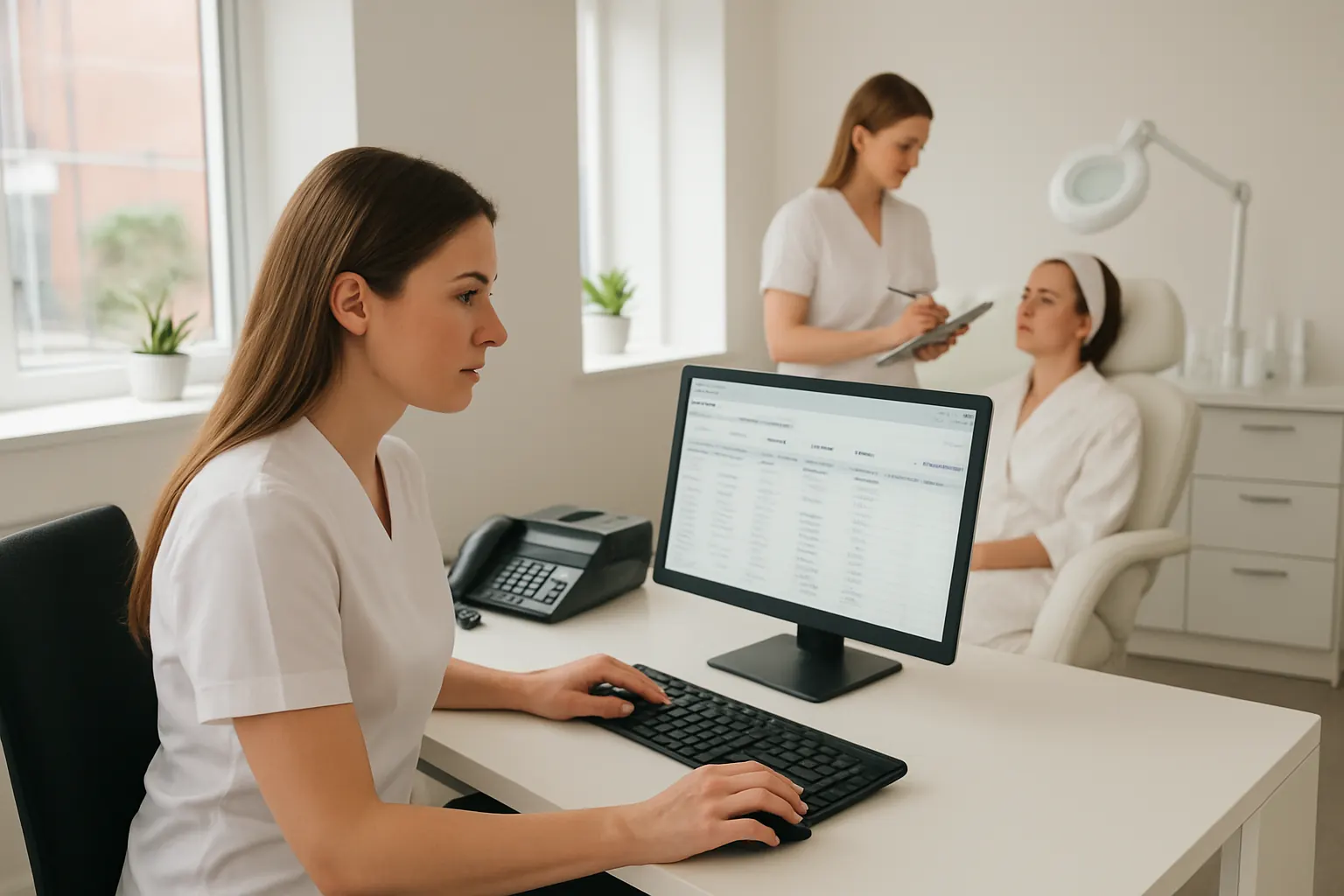
Clinics often receive referrals via email, phone, or web forms, with manual triage draining staff time and risking delays. Automated workflows can streamline referral intake, validate data, prioritise cases, and schedule consultations faster.
Workflow Connectivity from Lead to Booking
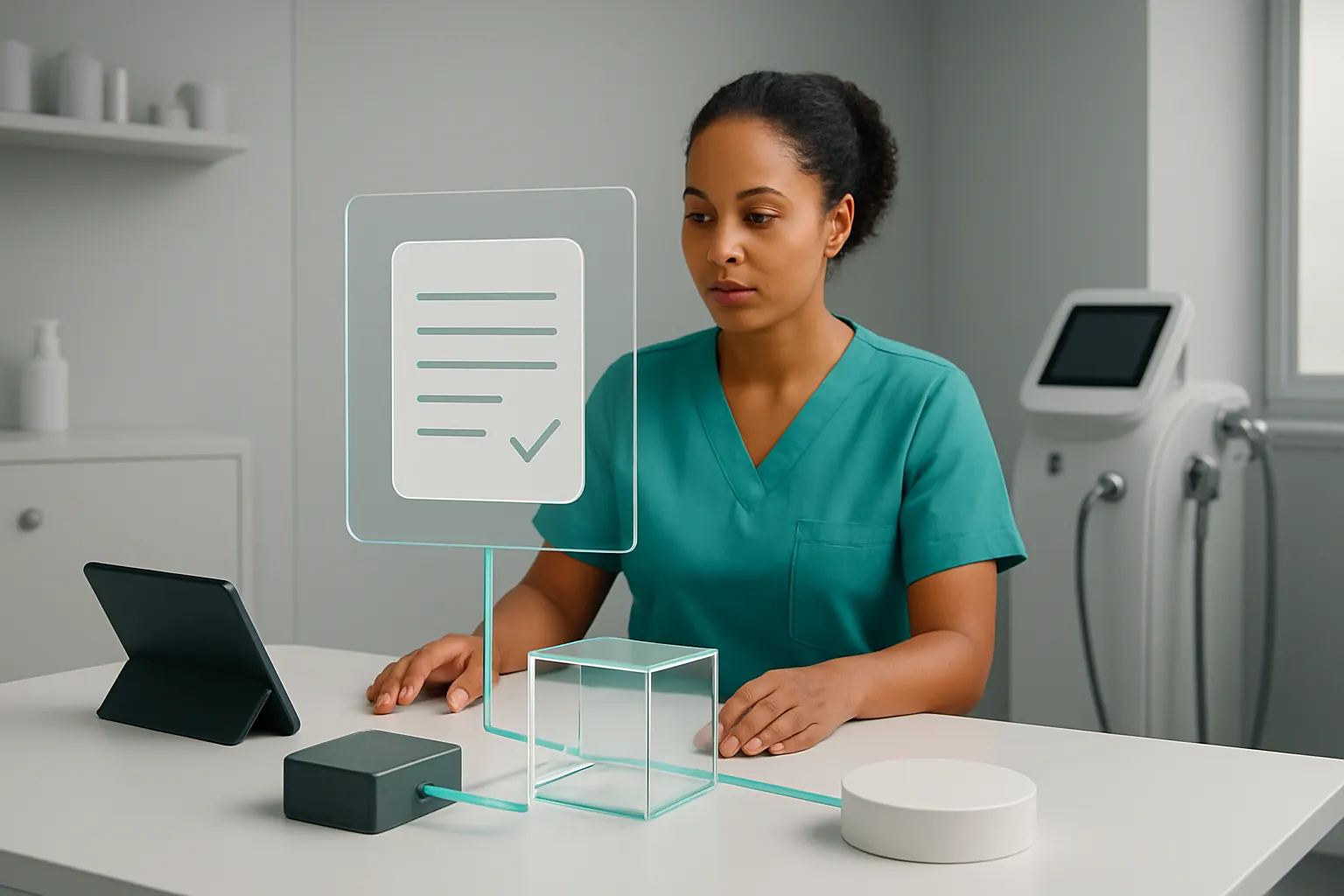
Referral information feeds directly into a central booking record designed around clinic-specific criteria. Triaging can combine AI-powered classification and deterministic rules, highlighting urgent cases while flagging incomplete data for human review.
Integrating Existing Tools with Owned Modules
Current web inquiry forms or NHS referral systems stay in place and feed data into the owned booking system. Payment requests or secure SMS confirmations integrate using trusted providers like Stripe and Twilio, but scheduling and recordkeeping remain internal.
Real Example: Auto-Triage and Booking Confirmation
A London-based aesthetic clinic integrated their web referrals into a custom booking module that sent automated SMS reminders and pre-appointment questionnaires. This halved the lead handling time while preserving GDPR controls and clinic-specific approval points for complex cases.
Built-in Controls and Audit Trails
Clinicians oversee triage rules and receive alerts for ambiguous referrals requiring review. Every booking and communication is logged to support audit and compliance, ensuring human judgement governs important steps.
Consolidated Client and Consent Records
Overcoming Fragmented Patient Data
Patient details, historical consents, and clinical notes often sit across multiple systems or files. This fragmentation increases admin overhead and risks non-compliance with data protection and audit requirements.
A Single, Reliable source of Truth
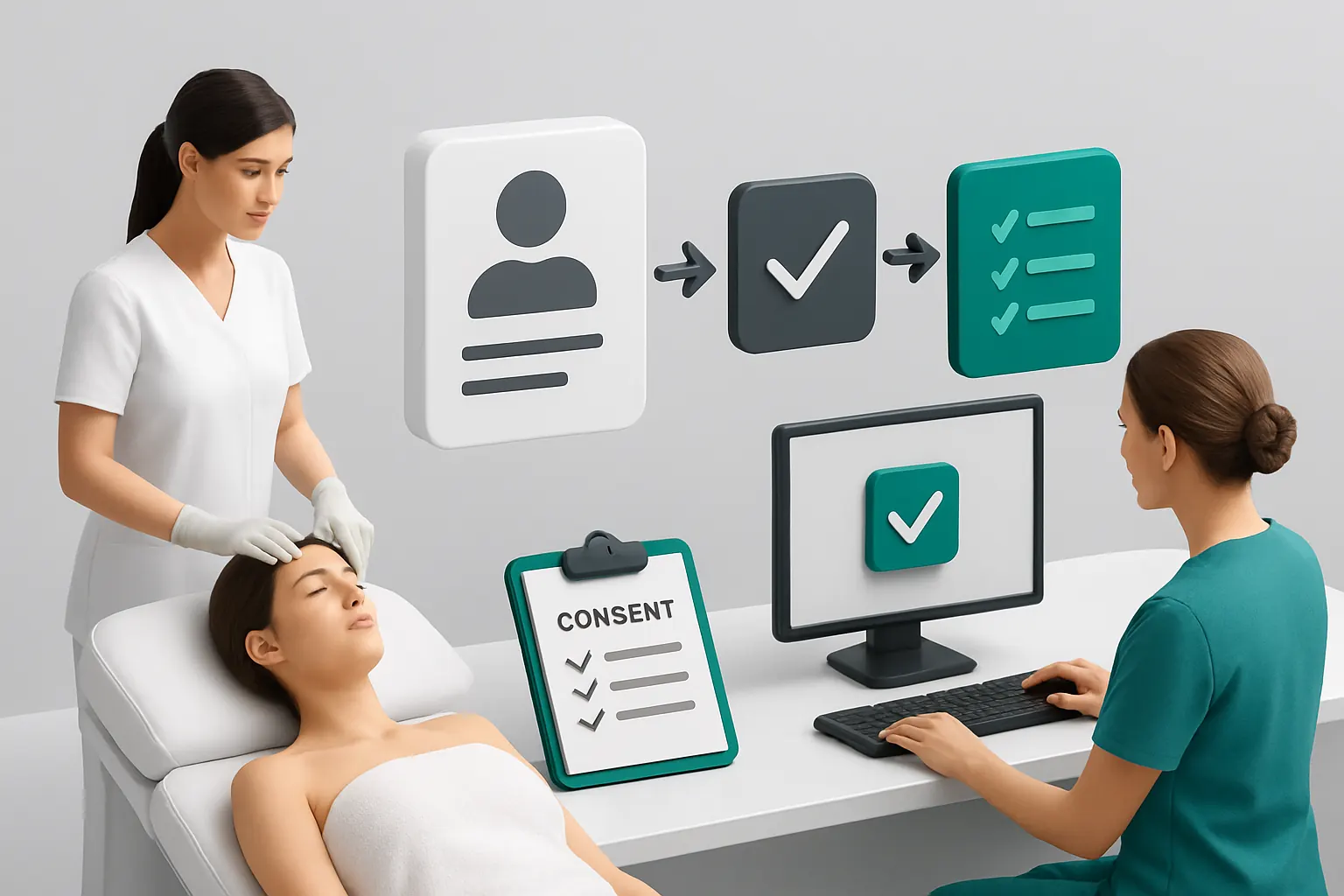
By connecting all patient records into one owned system, clinics maintain a consistent, up-to-date care history. Modules within the system allow authorised clinical staff to add consent details post-consultation, capturing signature and version updates electronically.
Keeping Vital External Systems Connected
Existing clinical imaging or specialist documentation tools complement the core records. These remain accessed as necessary while the master record coordinates data flow and visibility. This avoids costly subscription duplication.
Concrete Case: Streamlined Consent & Care Continuity
A Birmingham clinic replaced spreadsheet-based consent tracking with a digital consent module linked to patient appointments. This linkage reduced retrieval time by 60% and ensured that all treatment proceeded on documented, current authorisation.
Rules and Human Oversight
Automated alerts flag missing or expired consents. Clinical leads retain final approval over record amendments, supported by audit logs demonstrating authorisation history.
Follow-up and Treatment Monitoring Workflow
Avoiding Missed Post-Treatment Checks
Patient follow-ups are critical for ongoing care and legal safeguards but are often overlooked due to heavy clinical schedules and manual tracking.
Automated Scheduling and Reminder Module
Follow-up appointments and client communications fit into a connected workflow aligned with treatment types and care plans. Notifications are timed per clinic protocols and sent through integrated messaging systems.
Specialist Integrations with Communication Tools
While clinical notes and care plans remain on the in-house system, SMS and email reminders use external APIs known for reliability and security, such as NHSmail and approved telecom services.
Practical Scenario: Reducing No-shows and Enhancing Patient Experience
A Glasgow aesthetic practice embedded automated follow-up scheduling triggered by treatment completion. Their system sent tailored reminders and pre-appointment health checks, doubling follow-up attendance.
Controls for Quality and Compliance
The system tracks response rates and escalates no-shows for staff intervention. Patients can confirm or reschedule appointments through secure portals, maintaining data privacy and audit trails.
Tailored Operational Dashboard and Reporting
The Challenge of Disconnected Data Views
Clinic managers struggle with delayed or inaccurate data on bookings, referrals, revenue, and compliance status because different software outputs are siloed.
One Dashboard to Rule Clinic Operations
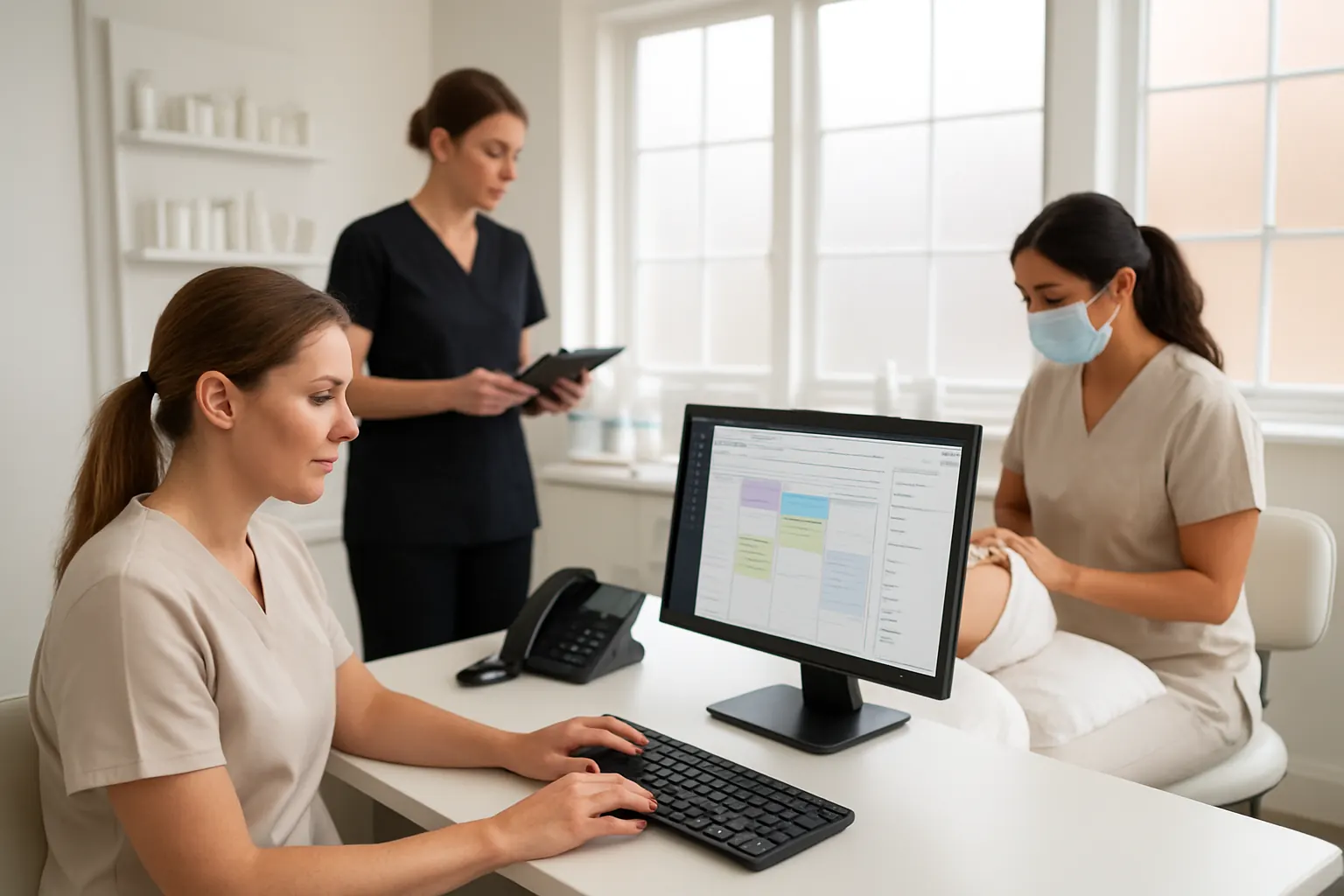
A central dashboard draws operational data into customisable views: KPI charts, appointment stats, outstanding consents and task lists. This supports quick decision-making and performance tracking.
Integration Touchpoints for Holistic Insights
Financial data from payment platforms can be summarized in the dashboard, while HR rota modules connect workforce availability with clinic schedules, providing a full operational picture.
Example: Data-driven Operational Improvements
A Midlands clinic used their dashboard to identify a pattern of late cancellations and adjusted staff rotas and reminder timing. This reduced downtime and improved client throughput.
Configurable Controls and Data Governance
Users have role-based dashboard access. Data protection policies and encryption standards align with ICO guidelines to safeguard patient and staff information.

Selective AI for Enhanced Decision Support
Using AI Where It Adds Value
AI capabilities assist in variable tasks such as automatically classifying referral urgency, summarising patient histories for clinicians, prioritising workload queues, and supporting decision points. AI does not replace clinical judgement.
Combining AI with Deterministic Business Rules
Predictable tasks like appointment reminders use fixed logic. AI focuses on less rigid tasks, providing recommendations that humans vet before approval.
Practical AI: Smart Referral Classification
An AI module predicts the complexity and priority of incoming referrals based on free-text analysis. Staff receive these insights within their workflow, speeding case handling without bypassing clinical oversight.
Ensuring Transparency and Accountability
AI suggestions always include confidence scores and explanations. Users are empowered to accept, modify, or reject recommendations, preserving compliance with healthcare governance standards.

A Practical 90-Day Rollout Plan for Clinics
Weeks 1-2: Assessment and Foundation
- Map current workflows and data sources.
- Identify key systems to keep and modules to replace.
- Establish compliance requirements and human oversight points.
- Design initial automation workflows and connection endpoints.
Weeks 3-6: Development and Integration
- Build referral intake and booking automation.
- Connect payment and communication APIs.
- Develop consent and treatment follow-up modules.
- Deploy early dashboards for operational visibility.
Weeks 7-12: Testing, Training, and Refinement
- Run pilot automation with staff feedback loops.
- Adjust rules, AI parameters, and interfaces.
- Train clinical and admin teams on new workspace.
- Launch full system with monitoring and governance controls.

How AI Implementation UK Supports Your Connected Clinic Operating System
AI Implementation UK specialises in delivering tailored, owned workflow systems for cosmetic and aesthetic clinics. Our approach avoids the common trap of expanding SaaS subscriptions with disconnected tools. Instead, we:
- Connect your existing systems intelligently, preserving investments and familiar processes.
- Replace unnecessary software with owned modules designed around how your clinic actually works.
- Automate your key workflows from referral triage through to follow-up using combined AI and deterministic rules.
- Provide a reliable single operational record and tailored dashboard, bringing clarity and control to your clinic’s performance.
- Embed strong clinical and compliance controls, supporting human judgment for all regulated or safety-critical decisions.
By partnering with AI Implementation UK, you gain a scalable, secure system that grows with your business—reducing manual overhead, enhancing patient experience, and improving financial and operational outcomes.
Discover how we can help transform your workflow with one connected operating system tailored precisely for your clinic’s needs. Visit our process automation and RPA services or explore our platform planning consultation to start your journey.
Further reading and governance references:
- ICO guide to healthcare data sharing: ICO data protection guidancefor-organisations/health/
- NHS Digital Security Standards: https://digital.nhs.uk/data-and-information-security
- PCI Security Standards Council for payments: PCI Security Standards Council guidance
By grounding your cosmetic and aesthetic clinic workflow automation in an owned, connected operating system, you ensure operational resilience and compliance without overburdening your teams or budget.