
Vehicle rental businesses operate in a high paced environment where every minute counts. Daily challenges such as inaccurate bookings, inconsistent fleet availability, and the complexity of handling rental agreements and damage records p...
What’s Breaking Daily in Vehicle Rental Businesses
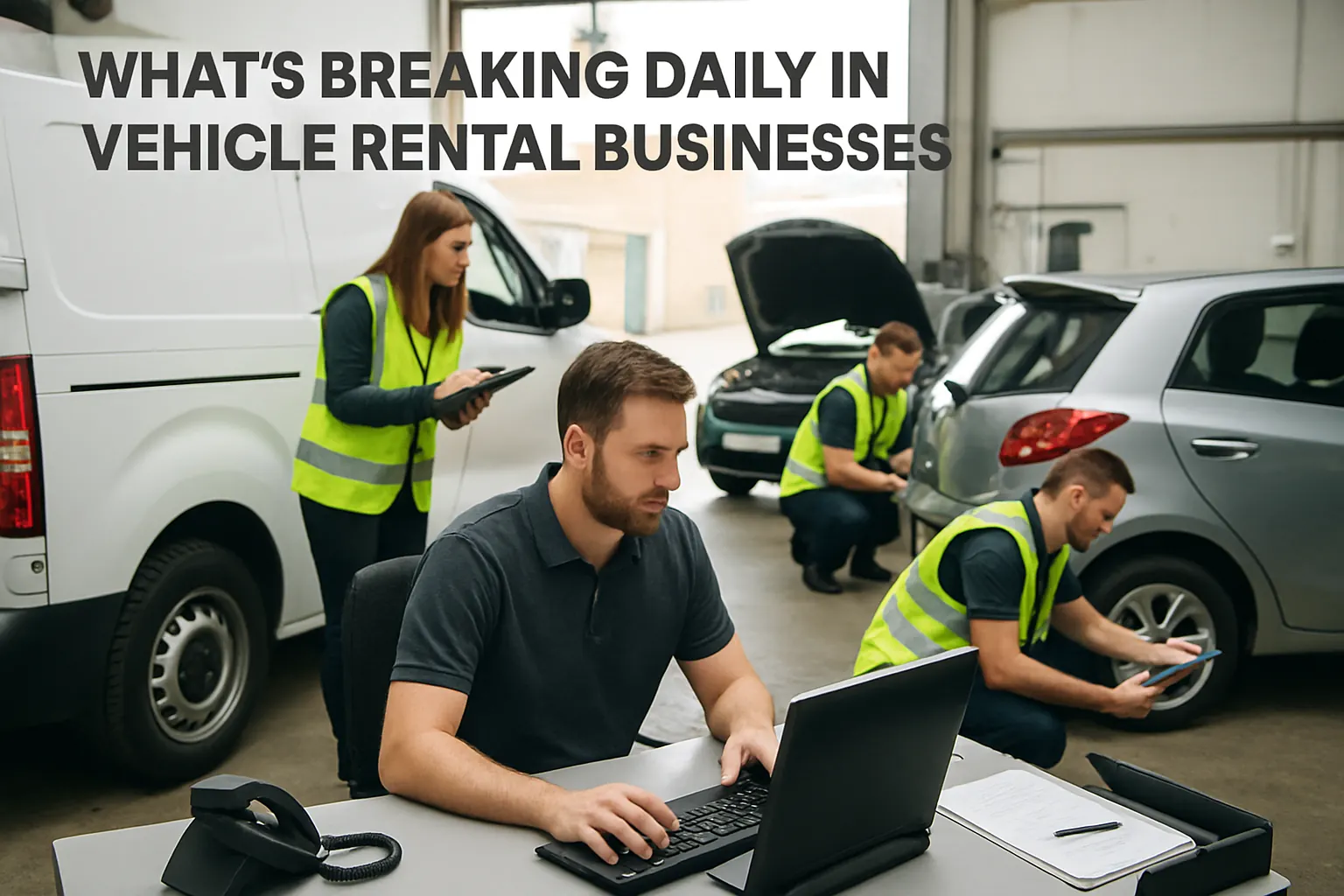
Vehicle rental businesses operate in a high-paced environment where every minute counts. Daily challenges such as inaccurate bookings, inconsistent fleet availability, and the complexity of handling rental agreements and damage records place operational teams under intense pressure. The cycle from booking through to workshop servicing and vehicle handover is often slowed by disjointed systems and manual tasks. This friction leads to customer dissatisfaction, wasted time, and lost revenue.
The root cause is rarely one isolated fault but rather the interconnected failure of current systems to provide a single reliable source of truth. Managers and staff waste time reconciling spreadsheets, switching between siloed software applications, and manually double-entering data. This outdated approach causes visible slowdowns, hidden errors, and compliance risks that intensify as the fleet and customer base grow.
The good news is that automation, when deployed through an owned and integrated platform tailored to the business, can fix these daily breakdowns. By connecting existing systems and replacing avoidable subscriptions with bespoke modules, a business can restore flow and accuracy while retaining essential human oversight.
The Cost of Manual Work: Time, Errors, Compliance, Cashflow
Manual administration in vehicle rental is expensive in every dimension:
- Time wasted: Re-keying bookings, juggling spreadsheets, chasing inspections, and manually verifying parts availability add hours daily.
- Errors multiply: Mistakes in bookings or billing, double-booked vehicles, or forgotten damage records lead to costly rectifications and lost reputation.
- Compliance risk: Vehicle safety checks, finance permissions, and audit trails can be inconsistent, exposing the business to legal and insurance penalties.
- Cashflow delays: Billing errors and disconnected payment processes slow revenue realisation and obscure financial control.
Without automation, these costs compound invisibly. The solution is not more disparate SaaS applications but one coherent platform—owned and adapted by the business for its unique workflows.

Manual Booking Processes Delay Every Step
The Real Daily Problem
Booking vehicles manually over phone, email, or spreadsheets creates frequent errors, missed reservations, and operational delays. Without real-time updates, staff double-book vehicles or allocate assets wrongly. This inconsistency frustrates customers and reduces fleet utilisation.
The Automation/AI Approach
Automate booking confirmations, reminders, and availability updates using deterministic workflow rules that replicate the booking logic. AI can assist with classification and prioritisation—for example, flagging urgent requests or summarising booking details for staff review.
Owned Platform Pattern and Useful Integrations
The key is a connected booking module embedded in the owned platform, communicating live with fleet status records. Integrations with payment gateways such as Stripe or Worldpay enable seamless deposits and payments without disrupting core operations.
A Simple Implementation Example
A digital booking form on the company website feeds directly into the platform, updating fleet availability automatically and triggering an SMS reminder to the customer 24 hours before rental start. Manual follow-up calls are reduced and errors avoided.
Risks and Controls (Data Privacy, Approval, Audit Trail)
All customer data handled complies with GDPR, with secure user permissions controlling who can view or alter bookings. Every change is logged, allowing auditing and human approval, especially where special pricing or exceptions apply.

Poor Fleet Visibility Inhibits Decision-Making
The Real Daily Problem
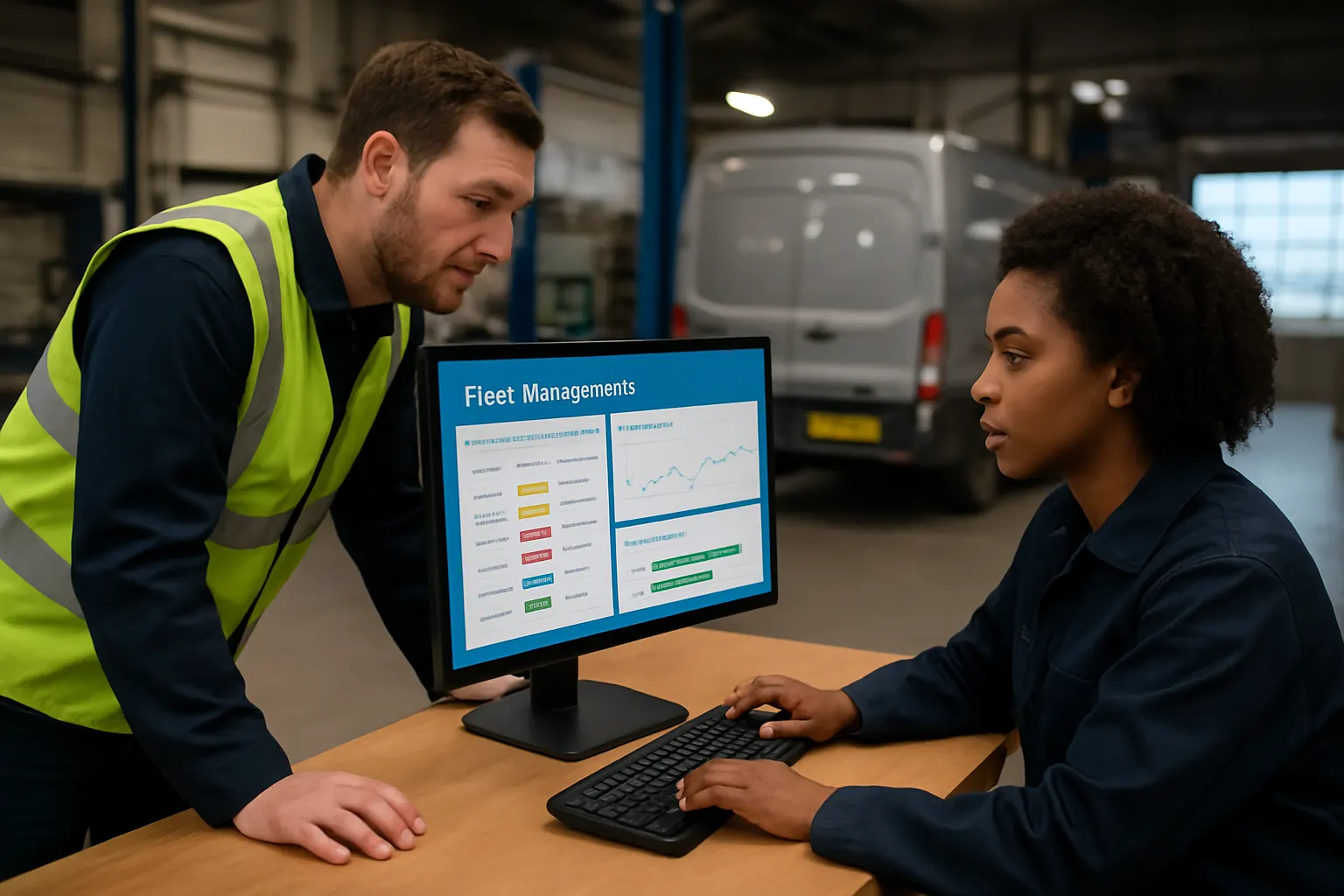
Using paper logs, spreadsheets, or disconnected systems makes it impossible to see at a glance which vehicles are available, undergoing maintenance, or reserved. This leads to inefficient asset use and slow customer response.
The Automation/AI Approach
Centralise fleet data into a live dashboard that collates input from existing telematics, workshop software, and booking records. AI models classify vehicle status and predict availability windows based on usage patterns.
Owned Platform Pattern and Useful Integrations
Connect existing telematics providers (specialist) for location and status data, workshop management systems for repair updates, and servicing schedules within the owned platform to maintain one trusted source.
A Simple Implementation Example
A rental controller using a dashboard sees instantly which vehicles need imminent servicing or are awaiting customer pickup, enabling prioritisation and quick decisions without calling multiple teams.
Risks and Controls (Data Privacy, Approval, Audit Trail)
Access control ensures only authorised staff can adjust vehicle statuses. Planned maintenance schedules require supervisor approval to avoid unauthorised service delays. Logs provide visibility over all status changes.
Fixed Pricing Limits Flexibility and Profitability
The Real Daily Problem
Rigid, non-adaptive pricing structures reduce the ability to respond to demand spikes or competition. Pricing spreadsheets are cumbersome and error-prone to update and apply.
The Automation/AI Approach
Use rule-based dynamic pricing modules within the platform to adjust rates based on factors such as seasonality, fleet utilisation, customer loyalty, or booking lead time. AI assists market segmentation and summarises pricing trends for managers.
Owned Platform Pattern and Useful Integrations
Replace external pricing tools with an owned pricing engine integrated with booking, billing, and customer records. External payment processors handle final transactions.
A Simple Implementation Example
The system automatically adjusts daily rental prices during holiday periods or slow seasons, optimising revenue while notifying sales staff of changes for customer communication.
Risks and Controls (Data Privacy, Approval, Audit Trail)
Pricing rules and changes require management approval workflows. Sensitive financial data is protected under company data policies. Each pricing decision is logged for audit and regulatory compliance.

Double-Keying Costs Time and Introduces Errors
The Real Daily Problem
Staff frequently need to enter rental and customer data multiple times into different software, leading to inconsistent records and slow processing.
The Automation/AI Approach
Eliminate double-keying through central data capture in the owned platform. Use AI classification for documents such as driver licences or insurance certificates, summarising and verifying data to accelerate input.
Owned Platform Pattern and Useful Integrations
Centralise data entry with modular forms that feed directly into rental agreement records, fleet availability, billing, and workshop systems. Specialist external OCR/AI services may be integrated but retain data within the platform.
A Simple Implementation Example
When a rental agent uploads a scanned driver’s licence, the platform’s AI extracts relevant details and populates the rental agreement, requiring only staff approval to proceed.
Risks and Controls (Data Privacy, Approval, Audit Trail)
Driver’s licence and personal data are encrypted and only accessible to authorised staff. Human verification ensures no critical decision is automated without oversight. All edits are tracked for audit requirements.

Disconnected Damage Records Delay Claims and Repairs
The Real Daily Problem
Damage inspection records are often recorded on paper or separate apps, causing delays in uploading the data, disputing liability, and initiating repairs.
The Automation/AI Approach
Capture digital damage records with photos linked automatically to rental contracts. AI-assisted image classification helps flag damage severity and prioritises repair orders.
Owned Platform Pattern and Useful Integrations
A damage module integrated within the platform collects inspection data at handover. Workshop software integration automates parts ordering and repair scheduling. Photos and notes form a secure evidence trail.
A Simple Implementation Example
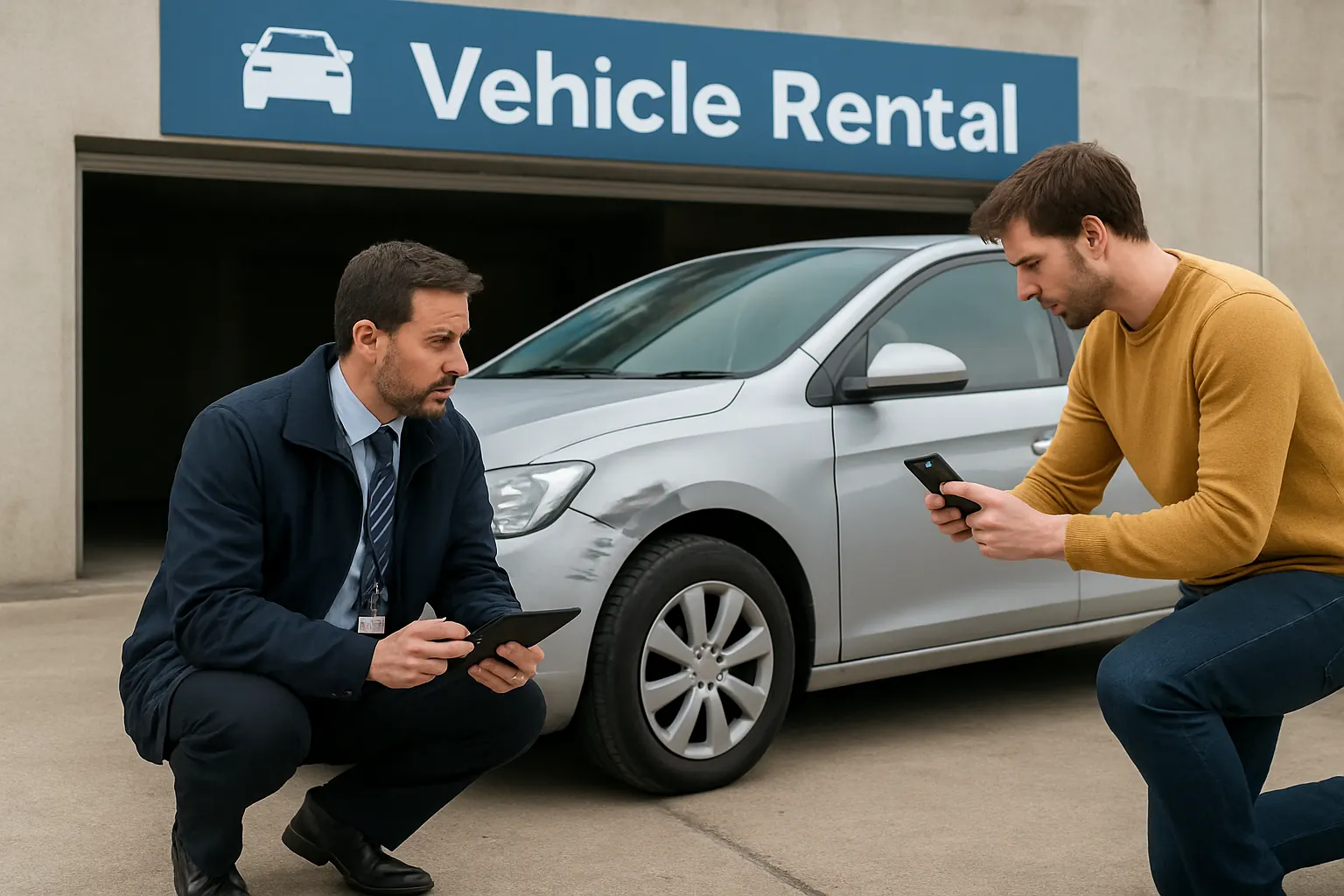
Upon vehicle return, staff use a tablet to record damage photos and comments, automatically triggering alerts if damage exceeds predefined thresholds and booking workshop slots.
Risks and Controls (Data Privacy, Approval, Audit Trail)
Inspection records are time-stamped and signed off by both customer and staff. Damage assessment rules ensure human approval for claims or disputes. Secure storage complies with data protection and insurance requirements.
Slow Billing and Payment Reconciliation
The Real Daily Problem
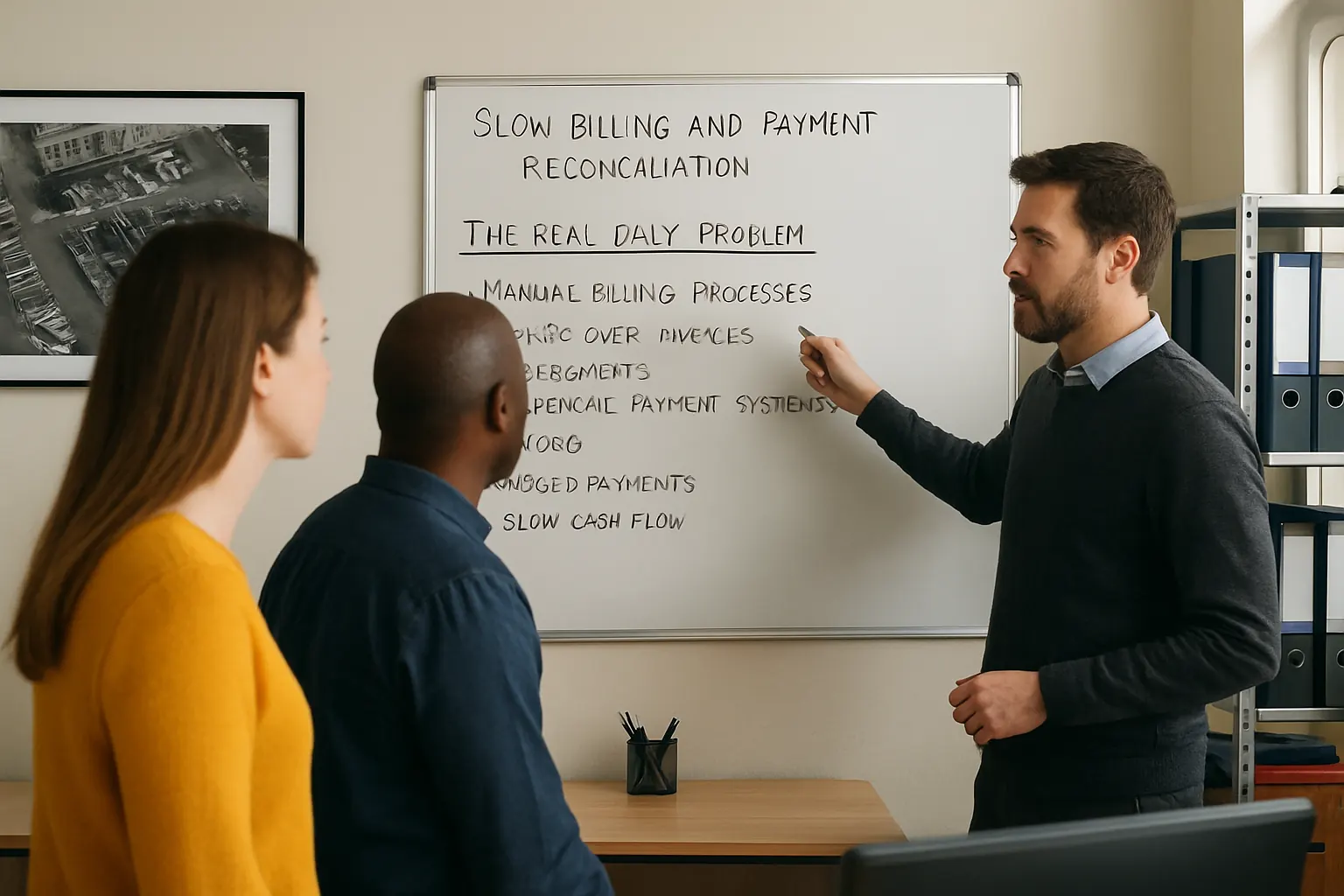
Manual billing processes spread over invoices, spreadsheets, and separate payment systems lead to errors, missed payments, and slow cash flow.
The Automation/AI Approach
Automation of billing generation linked to rental activity logs with integrated payment processing and reconciliation. AI summarises payments overdue and suggests prioritisation.
Owned Platform Pattern and Useful Integrations
An invoicing and payment module within the platform connects to payment gateways (e.g., Worldpay), ensuring real-time reconciliation of funds received and financial records stored centrally.
A Simple Implementation Example
When a rental closes, an invoice is generated automatically and emailed to the customer, with payment links embedded. The system marks invoices paid on receipt and updates accounts.
Risks and Controls (Data Privacy, Approval, Audit Trail)
Financial data is secured under company standards. Billing adjustments require manager approval. Payment logs generate a full audit trail for finance teams and compliance auditors.
Parts and Asset Tracking is Fragmented
The Real Daily Problem
Workshops struggle to keep accurate track of parts usage, especially with separate inventory and service systems, causing repair delays and cost overruns.
The Automation/AI Approach
Centralised parts inventory management with automated alerts for stock levels, linked to repair orders. AI supports classification of parts usage trends to forecast replenishment needs.
Owned Platform Pattern and Useful Integrations
Owned module tracking parts movement is integrated with workshop and fleet repair workflows. Specialist suppliers can be linked for direct ordering but records remain within the platform.
A Simple Implementation Example
Technicians scan parts used via mobile app during repairs. When stock runs low, automatic purchase requests are generated, ensuring no repair delays due to unavailable parts.
Risks and Controls (Data Privacy, Approval, Audit Trail)
Parts usage is logged with responsible technician details and verified by workshop supervisors. Purchase orders require financial approval before submission.

Inspection and Handover Workflows Lack Consistency
The Real Daily Problem
Vehicle inspections and handovers rely on paper checklists or disconnected apps, generating inconsistent records and loss of inspection evidence needed for disputes and compliance.
The Automation/AI Approach
Digitise inspection workflows using a coordinated platform module with mandatory fields, photo capture, and step-by-step process enforcement. AI helps prioritise inspections flagged for attention.
Owned Platform Pattern and Useful Integrations
Inspection data feeds directly into rental agreements and damage records within the platform. Digital signatures and timestamps provide tamper-proof evidence.
A Simple Implementation Example
Before renting a vehicle, staff complete digital inspection checklists on-site via mobile devices. Any issues found trigger alerts and block rentals until resolved.
Risks and Controls (Data Privacy, Approval, Audit Trail)
All records are securely stored, time-stamped and accessible to authorised personnel only. Compliance checks ensure human review before finalising handovers.

A 90-day Rollout Plan for Fleet Automation Success
Weeks 1–2: Assessment and Planning
- Map current workflows, highlight key bottlenecks.
- Identify existing systems to integrate with—booking, telematics, workshop, payments.
- Define roles, data privacy needs, and approval processes.
- Agree measurable objectives and quick-win automation targets.
Weeks 3–6: Core Platform Build and Integration
- Configure the owned operating platform with modules for booking, fleet visibility, pricing, and billing.
- Connect key existing tools (e.g., payment gateway, telematics).
- Develop data migration plans from legacy spreadsheets and paper logs.
- Pilot key automation (booking, fleet dashboard) with select teams.
Weeks 7–12: Expansion, Training, and Optimization
- Extend platform with damage recording, asset tracking, and inspection workflows.
- Train all users, establishing standard procedures and safeguards.
- Implement AI features selectively (classification, summarisation, prioritisation).
- Monitor performance closely; adjust rules and workflows based on feedback.
- Establish reporting and audit functions for compliance.

The Natural Next Step: How AI Implementation UK Connects and Automates Your Operation
Vehicle rental businesses need a digital backbone that mirrors the way their teams work—reliable, integrated, and fully controlled by them. AI Implementation UK specialises in delivering one connected operating platform tailored to your unique workflows. This platform owns your data, replaces unnecessary subscription tools with custom modules, and brings operational insights into one trusted record and dashboard.
Our approach avoids disjointed SaaS collections that fragment the operation, instead building a cohesive foundation that connects your best existing systems—whether workshop software, telematics, or payment gateways—under a single user experience. Deterministic automation handles predictable tasks like booking reminders or parts alerts, while AI provides selective capabilities for variable work such as classifying damage images, summarising inspection notes, prioritising service orders, and supporting decision-making. Importantly, humans retain final approval for critical financial and safety decisions.
The result is improved operational efficiency, fewer errors, faster cashflow, consistent compliance, and a better customer experience—all achieved through a platform you own and control, not a patchwork of external tools.
If you’re ready to move beyond manual bottlenecks and fragmented software, AI Implementation UK can guide you through the 90-day rollout plan and beyond, connecting your vehicle rental teams with automation that works for you—today and for the future.