
Learn how marketing agencies can connect systems, reduce manual admin and automate lead to project with one tailored operating platform the business owns.
Marketing agencies campaign briefs automation software: What Breaks Daily
Marketing agencies campaign briefs automation software should connect bookings, people, communications and reporting in one reliable operating flow.
Marketing agencies handling campaign briefs regularly face operational disruptions. Manual data entry errors, uncoordinated updates between teams, late content approvals, and delayed reporting disrupt schedules and client relationships. Deadlines stretch as briefs get lost or miscommunicated, leading to frantic catch-ups and frustrated stakeholders.
These breakdowns stem from using disconnected systems or multiple SaaS tools that don’t share data well. Teams rely heavily on manual coordination via emails, spreadsheets, and messaging apps, resulting in overlapping tasks, duplication, and missed information.
Automation software designed for marketing agencies’ campaign briefs must address these precise issues by connecting workflows end-to-end without causing new fragmentation. A single owned system built around the agency’s processes can reduce friction and streamline work, improving client satisfaction and margins.

The Real Cost of Manual Marketing Operations
Manual workflows in marketing agencies come at a high price:
- Time wasted on repetitive tasks such as copying campaign details, chasing approvals, and updating multiple tools.
- Errors from miskeyed information, outdated brief versions, and untracked content changes.
- Compliance risks including mishandling client data, intellectual property leaks, or publishing without proper approvals.
- Cashflow delays due to sluggish project starts, inaccurate invoicing, or missed billing milestones.
Deloitte research highlights that automating business processes can reduce costs by 25–40% in agencies. Yet, off-the-shelf SaaS suites often add complexity and recurring subscription fees rather than simplifying operations.
A bespoke, connected operating system owned and tailored by the agency eliminates avoidable subscriptions, keeps existing useful applications integrated, and builds one reliable record of operational data accessible via customised dashboards. This leads to faster project turnarounds, better resource allocation, and improved compliance assurance.

Centralised Campaign Brief Intake and Validation
Resolving Disconnected Brief Submissions
Agencies often receive campaign briefs through various channels—email, forms, client portals—with inconsistent formats and missing details. This demands manual validation and data entry before teams can start work.
Seamless Workflow Integration
A connected intake module standardises submission formats and validates mandatory fields via deterministic rules. It channels the briefing data directly into the project record, reducing manual work.
Leveraging Existing Tools
Form builders like Typeform or client portals can feed data into the owned system through APIs. Email parsing tools are replaced by built-in connectors, eliminating extra subscriptions.
Practical Example
A marketing agency receives briefs via client email and online forms. Using a connected intake system, submissions automatically populate the campaign workspace, flag incomplete key fields, and alert the account manager within minutes.
Control and Compliance Mechanisms
Rules ensure no brief progresses without approval of data completeness. Client data segregation is enforced, enabling dashboards to show only authorised users’ information, supporting GDPR obligations and intellectual property safeguards.

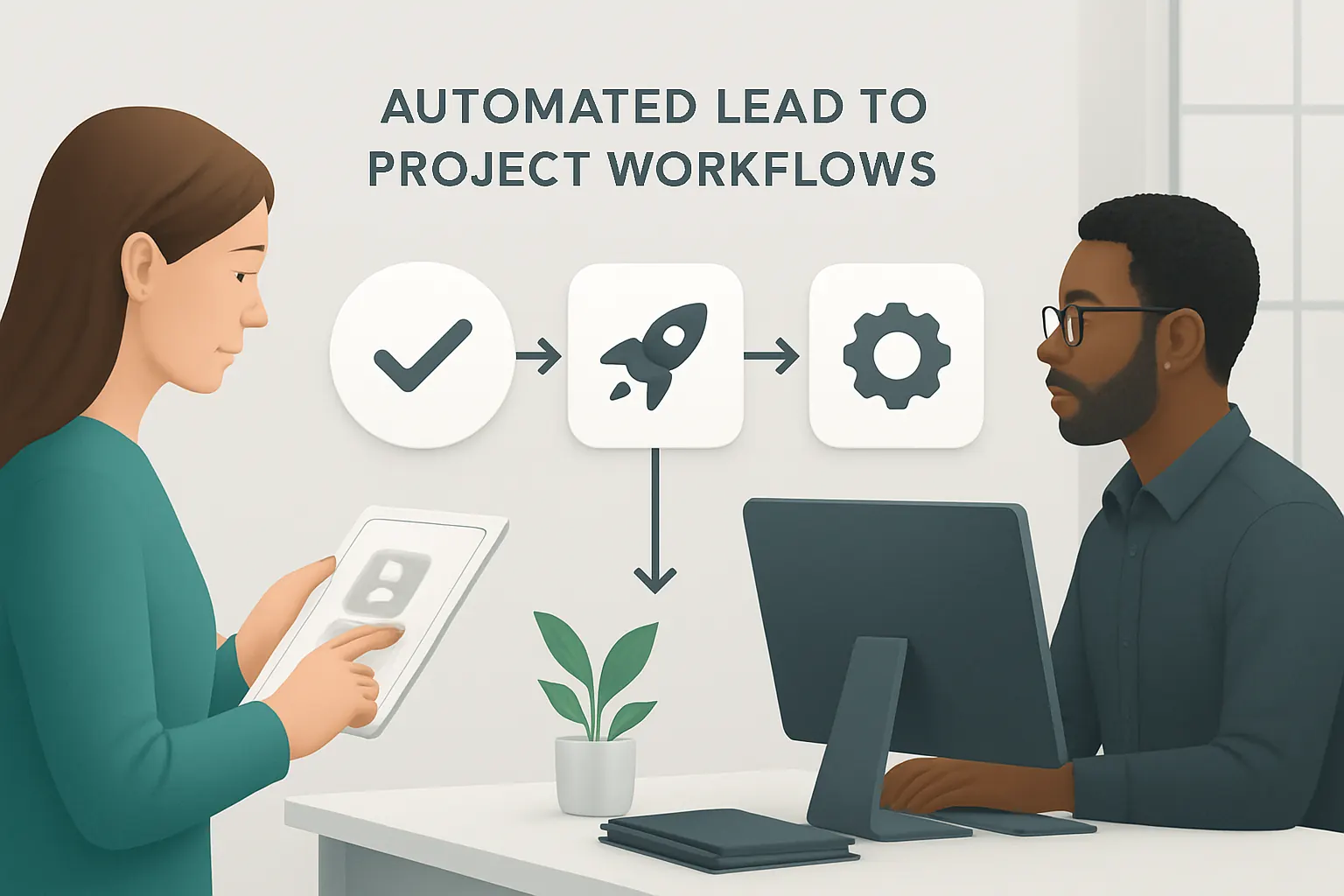
Automated Lead to Project Workflows
Addressing Manual Lead Conversion
Leads converted into projects involve many manual steps: inputting data, assigning teams, drafting scopes, and scheduling kickoffs—all prone to error and delay.
Connecting Workflow Steps Reliably
Automation flows link lead information directly to project creation modules. Assigned roles are notified through integrated communications, tasks generated, and project timelines activated automatically.
Useful Integrations
CRM systems like HubSpot or Salesforce can share lead data, but only as inputs feeding the owned operating system that controls project progression and resource allocation.
Example in Practice
When a qualified lead reaches a threshold, the system creates a new campaign project, assigns a project manager, and schedules initial briefing meetings without manual intervention.
Ensuring Human Oversight
Automated status updates include checkpoints requiring manager approval before resource commitments or client communications are activated.
Collaborative Content Approval Management
Tackling Fragmented Approval Cycles
Content approval workflows frequently get stuck in email threads or chat apps, causing delays and version confusion.
Building a Traceable, Connected Workspace
An approval module integrated into the agency’s central system captures all content drafts, comments, and approvals on one timeline. Notifications prompt stakeholders for timely review.
Supplementing Rather Than Replacing Specialist Tools
Where clients use platforms like Google Drive for content collaboration, connectors pull status updates into the owned dashboard, eliminating duplicated tracking.
Concrete Scenario
Creative teams upload digital assets to the system, which automatically routes them to clients and internal reviewers via customised alerts and deadlines. Approval is logged, and pending items escalate if overdue.
Maintaining Control
The system enforces release approval rules: content cannot be published without explicit signoff. Intellectual property and client confidentiality settings restrict access appropriately.

Real-Time Campaign Performance Reporting
Overcoming Reporting Lag and Data Silos
Manual aggregation of campaign KPIs from ad platforms, social media, and analytics tools wastes time and risks inconsistent data presentation.
One Dashboard for Campaign Insights
Connected data pipelines consolidate performance data into a single dashboard tailored to agency and client needs. Automated summaries highlight critical metrics for different user roles.
Integrating Specialist Analytics
Rather than replacing tools like Google Analytics or Facebook Ads, the owned system regularly imports key data points and performs routine calculations and data cleansing.
Example Use Case
Project managers access dashboards showing real-time ROI, engagement rates, and budget utilisation, enabling immediate adjustments or detailed client updates.
Ensuring Data Integrity and Authority
Reports are generated under controlled rules but always subject to manual validation before client distribution to maintain accuracy and professional standards.

Automated Ticketing and Query Triage
Managing Internal and Client Requests Efficiently
Marketing agencies juggle numerous queries—content changes, creative requests, troubleshooting—that overwhelm small teams.
Workflow Automation for Ticket Handling
Incoming tickets automatically classify using AI-driven text classification and urgency prioritisation rules. Tickets route to appropriate team members with estimated resolution times.
External Tools in Support Roles
Integrated email or helpdesk platforms like Zendesk can push tickets into the owned system while the connected workspace handles workflow tracking.
Scenario in Context
A client submits a change request. AI module classifies it as urgent content update and re-assigns it automatically to the design team, adding the task to daily standups.
Control Points
Prioritisation algorithms are overseen by staff, who can override or escalate tickets manually. Client data protection and task confidentiality maintained at all stages.

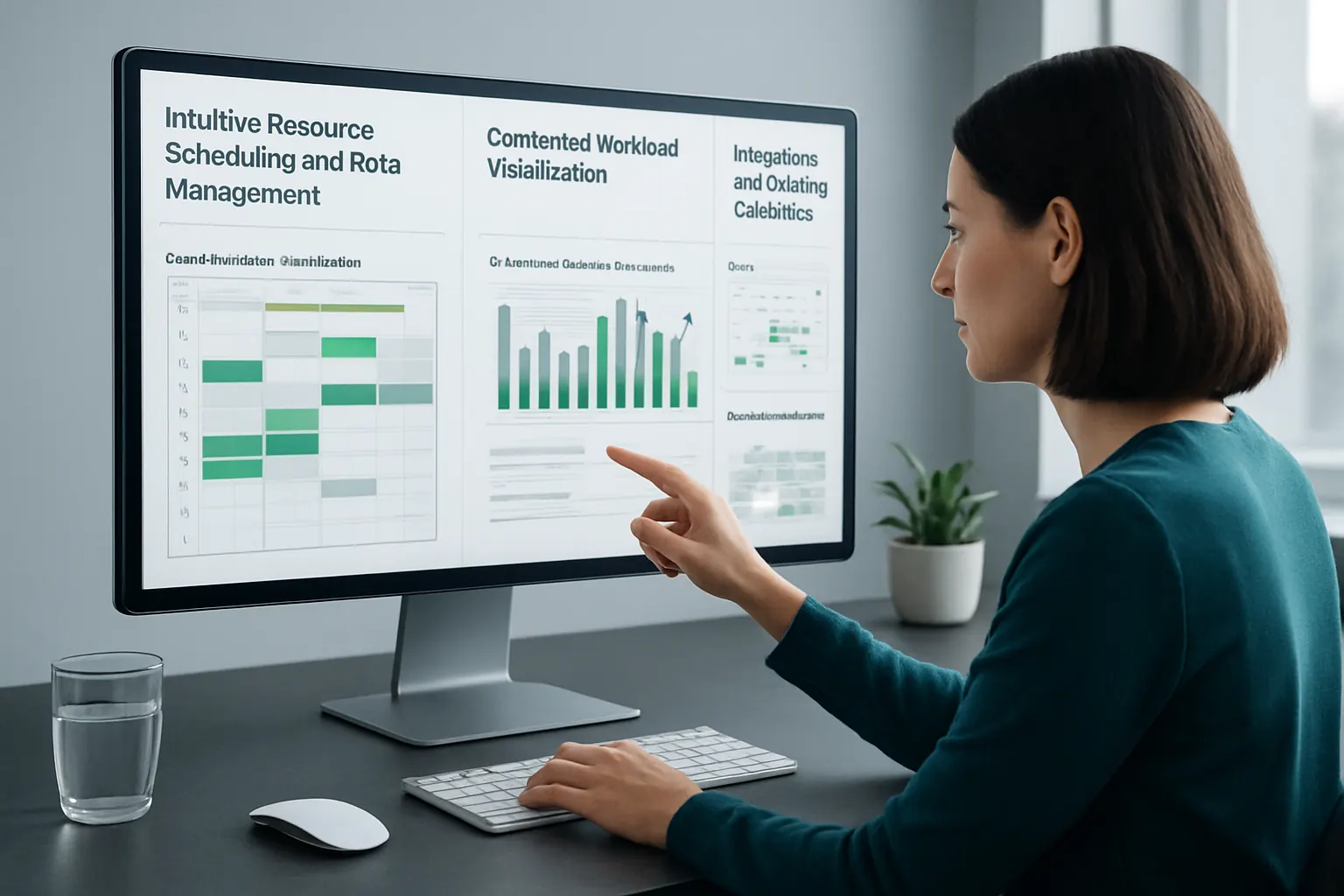
Intuitive Resource Scheduling and Rota Management
Difficulty in Managing Cross-Project Staff Allocation
Balancing competing priorities and availability manually results in staff overload or idle time, impacting delivery consistency.
Connected Workload Visualisation
A resource scheduler integrated with campaign project data delivers live availability dashboards. Auto-generated rota suggestions optimise workload distribution.
Integration with Existing Calendars
Synchronisation with Outlook or Google Workspace calendars preserves existing habits while avoiding double bookings.
Practical Example
Project managers receive a daily view of upcoming deadlines with resource gaps highlighted. The system suggests reassignments or extra capacity booking.
Ensuring Fairness and Transparency
Rota adjustments follow defined rules respecting work hours and contractual limits, with all changes logged for auditability and fair allocation.
Centralised Asset and Contract Management
Preventing Lost or Misused Intellectual Property
Agencies risk losing control over creative assets and contract versions spread across personal drives and emails.
Owned System as the Single Source of Truth
A centralised library manages version control, access permissions, and audit trails on assets and contracts. Integration with commonly used storage services enable smooth content migration.
Specialist Software for Payment Processing
Contract milestones triggering payment workflows link with PCI DSS-certified payment gateways for client invoicing while records remain in the agency’s owned system.
Use Case Scenario
A contract update automatically prompts finance to generate updated invoices and schedules signoff from legal and client teams.
Controls for Security
Role-based access ensures only authorised users view or edit contracts. Automated alerts flag unusual access or modification patterns.

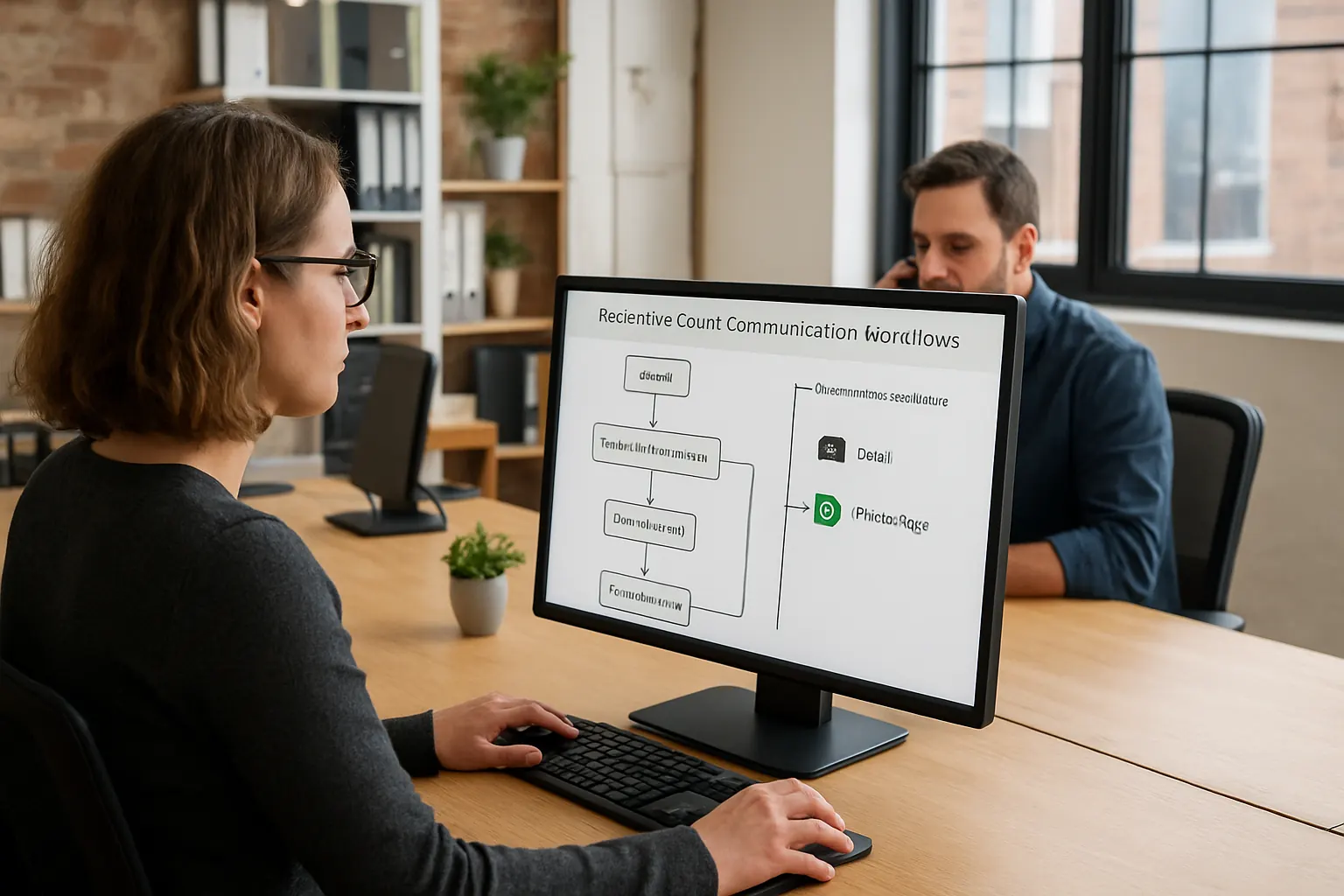
Automated Client Communication Workflows
Reducing Delays and Inconsistencies in Client Updates
Regular client updates often depend on manual compilation and selection of appropriate information, leading to delays or omissions.
Workflow-Driven Communication Sequences
Triggered automations send status summaries, milestone alerts, and overdue notices. Templates and personalisation ensure consistent messaging.
Integrations with Email and Messaging Platforms
Authorized communication channels such as Microsoft Teams, WhatsApp Business, and email remain external but integrate tightly to ensure messages always reference the latest data.
Example
Completion of a campaign phase triggers automated personalised emails sent to client contacts, summarising achievements and next steps.
Maintaining Oversight
All outgoing communications require human approval in sensitive cases, with audit trails supporting compliance with client confidentiality.
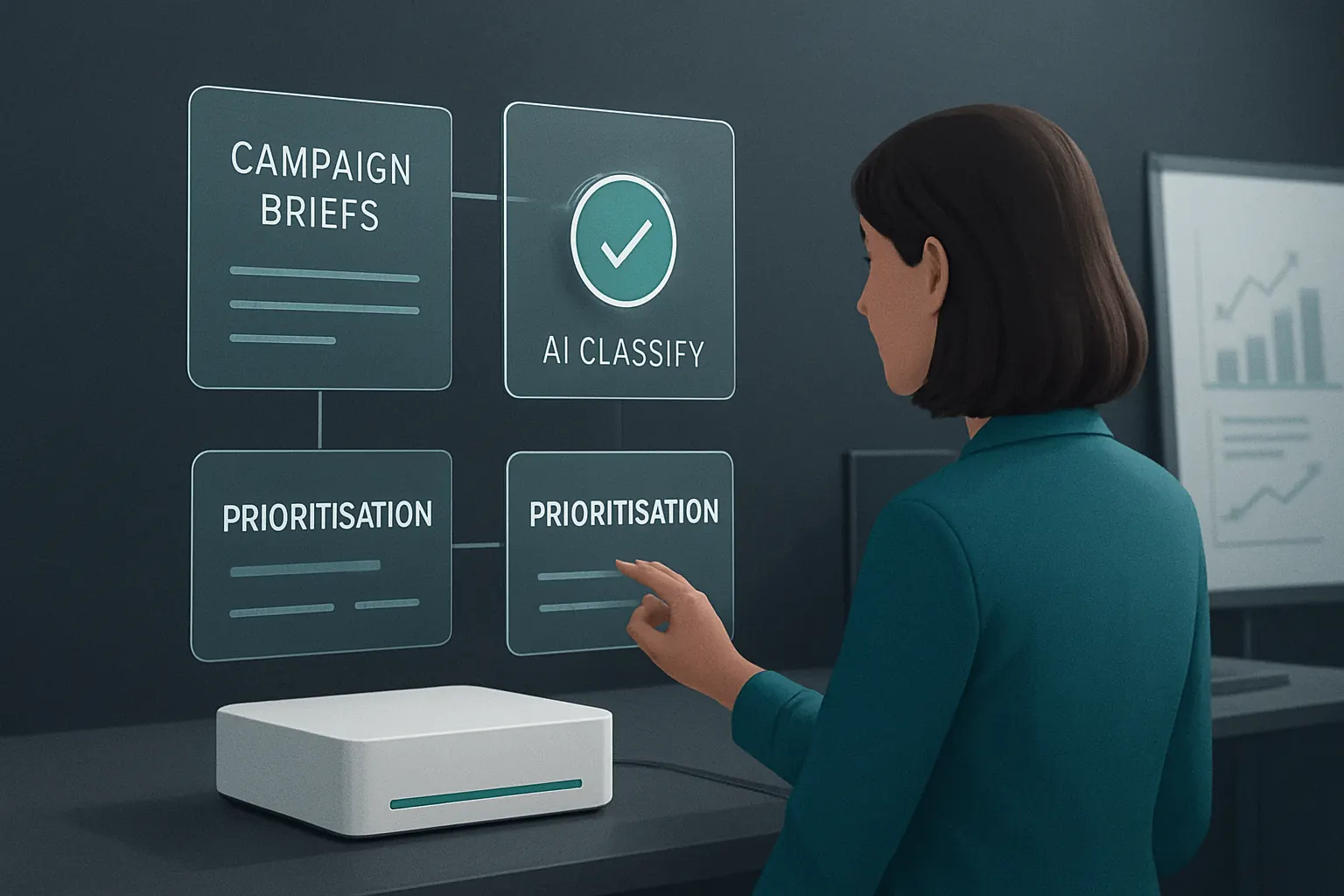
AI-Assisted Brief Classification and Prioritisation
Reducing Manual Sorting of Campaign Requests
Agencies receive a variety of briefs differing in complexity and urgency, requiring initial sorting and prioritisation.
Selective AI Capabilities within the Owned System
Machine learning models classify briefs by campaign type and urgency. These outputs support but don’t replace human decision-making.
Retaining Deterministic Rules for Predictability
Rules prioritise briefs related to high-value clients or fast-turnaround schedules. Human reviewers approve or override final prioritisation.
Practical Implementation
An AI model flags social media campaigns with tight deadlines for fast-tracking, while low-priority briefs populate later schedules.
Safeguards and Transparency
AI operations are logged with explanations, enabling staff to understand and audit classifications for quality and fairness.
Integrated Compliance and Release Control Framework
Avoiding Regulatory and Client Breaches
Marketing campaigns involve client data, intellectual property, and regulated sectors, requiring strict control over approvals and release schedules.
Consolidated Compliance Workflows
The system enforces mandatory checklists, digital signoffs, and client release authorisations before publishing or making claims live.
Connections to External Validation Tools
Specialised plagiarism or content verification tools connect into the workflow, scanning assets before clearance without disrupting core operations.
Real-World Example
A campaign targeting financial services clients requires compliance signoffs embedded in the approval workflow before social media publication is permitted.
Enforcing Responsibility and Traceability
All approvals are timestamped and linked to user IDs, providing audit trails that assist compliance with ICO guidance and advertising standards.

90-Day Rollout Plan for Marketing Campaign Automation
Weeks 1–2: Discovery and Process Mapping
- Conduct detailed workshops to document agency-specific workflows, pain points, and existing tools.
- Identify must-have integrations and functional modules for campaign briefs, approvals, and reporting.
- Define compliance requirements and data protection needs.
Weeks 3–6: Development and Integration
- Build core intake, project creation, and approval management modules tailored to the agency.
- Configure connectors for key internal systems (CRM, content storage, communications).
- Establish dashboards and reporting views for project and resource managers.
Weeks 7–12: Testing, Training and Go-Live
- Pilot the system on a select set of campaigns to validate workflows and controls.
- Train teams on automation benefits, overrides, and data governance.
- Ramp up usage agency-wide, monitor KPIs, and refine automation rules and dashboard layouts.

How AI Implementation UK Transforms Agency Operations Through Owned Automation
Marketing agencies do not need another disconnected SaaS suite that fragments data and multiplies subscriptions. Instead, AI Implementation UK delivers one connected operating system designed around the way your business works. This system:
- Connects existing workflows and important external tools, allowing you to retain valuable software investments like CRM or billing systems while replacing avoidable subscription tools with owned modules.
- Brings operational data into a single reliable record and tailored dashboards, empowering all teams to work from a shared “source of truth”.
- Applies AI selectively to classification, summarisation, prioritisation, and decision support, augmented by deterministic rules and retaining human oversight for critical decisions.
- Enables automation of lead-to-project workflows, content approvals, performance reporting, and more, reducing manual cost while increasing quality and speed.
- Preserves data privacy, intellectual property safeguards and compliance controls, meeting UK and industry standards guided by official regulators such as the ICO and NCSC.
With a proven implementation playbook, we help marketing agencies drive scalable growth efficiently and securely. Learn how to replace scattered tools with one system owned by your agency, tailored precisely to your campaign workflows, by exploring our process automation services and data infrastructure preparation.
Let us help you transform your campaign briefs handling into a streamlined, connected operation — reducing costs, improving margins, and enhancing client satisfaction.
For further insights on AI’s role in workflow automation and operational strategy, see our AI strategy roadmapping and browse our case studies.