
Learn how engineering consultancies can connect systems, reduce manual admin and automate lead to engagement with one tailored operating platform the business owns.
Lead to engagement automation for engineering consultancies: What Breaks Daily
Lead to engagement automation for engineering consultancies should connect bookings, people, communications and reporting in one reliable operating flow.
Engineering consultancies operate in a demanding environment where precision, timeliness, and compliance are essential. Yet, daily challenges disrupt these priorities. Leads get trapped in disconnected systems; proposal production stalls in email threads; project data is scattered across siloed tools. Valuable staff time drains into repetitive manual tasks such as chasing information, updating multiple records, and reconciling disparate documentation.
Decisions delay while colleagues wait for approvals caught in complex workflows. This fragmentation also creates risk—errors creep into proposals and deliverables, conflicts and compliance requirements may be overlooked, and cash flow suffers from slow engagement conversions.
Breaking these habits requires a fresh approach tailored to how engineering consultancies actually work: a connected, owned operational system that unites key functions from lead capture through engagement without sacrificing control or agility.

The Cost of Manual Work in Engineering Consultancies
Manual processes incur far-reaching costs across engineering firms:
- Time wasted on repetitive tasks such as data entry, chasing stakeholders, or duplicating effort wastes skilled staff hours that could focus on expertise-driven work.
- Increased errors and oversights result from juggling multiple spreadsheets, emails, and legacy systems lacking cross-checks, putting professional privilege and compliance at risk.
- Longer sales cycles and slower cash flow as leads stall and bottlenecks emerge in proposal approval or contract execution.
- Poor visibility into operations because data is scattered, making it difficult to prioritise work and track project health accurately.
- Rising software spend as overlapping SaaS subscriptions accumulate without integrated data, driving inefficient – often unnecessary – fees.
Addressing these costs starts with streamlining workflows using a single connected operating system that you own and control, built around your business needs.

Lead Capture and Qualification: From Scattered Information to Unified Records
Capturing Leads Without Data Loss or Duplication
Leads often arrive through multiple channels—website forms, email enquiries, calls—and are immediately stored across disparate systems or spreadsheets. This fragmentation slows qualification, delays follow-up, and risks lost opportunities.
Connecting Lead Channels into Your Owned System
A tailored capture module can connect these channels into one reliable lead record, preserving context and history. Existing CRMs or marketing tools can be integrated rather than replaced, preserving your prior investment.
Example of Streamlining Lead Qualification
An engineering consultancy set up form and email integrations into their owned lead workspace, replacing a costly lead management SaaS subscription. New leads automatically trigger qualification workflows that tag high-value prospects and route them instantly to business development staff.
Controls and Compliance for Lead Data
Built-in permission controls protect lead confidentiality and manage GDPR obligations, preserving professional privilege throughout early engagement.

Proposal Generation: Automating Document Assembly with Expert Review
The Hassle of Manual Proposal Creation
Proposal drafting traditionally involves copying information across documents, updating scope and pricing manually, and gathering input from engineers by email. This process is slow and error-prone.
Leveraging Configured Templates and Data Integration
An owned proposal module can assemble proposals automatically by pulling data from the lead record and project database, utilising template components for modular reuse. Engineers review and approve with a simple workflow.
Concrete Proposal Automation Example
One firm replaced multiple software subscriptions by building their proposal builder into their owned working system. Project and client data flow directly into accurate scope and fee tables. The automated output is reviewed and authorised by a senior engineer before client sharing.
Approval Controls to Retain Expertise Oversight
Structured workflows implement clear approval checkpoints ensuring expert sign-off before submission, with full version histories to maintain audit trails.

Resource Planning: Aligning Skills and Availability Seamlessly
The Fragmented Reality of Staff Scheduling
Engineering consultancies often manage resource planning on spreadsheets disconnected from project data, causing double bookings, under-utilisation, or last-minute scrambling.
Linking Resource Data with Project Workflows
A connected rota module integrated into the owned system syncs staff availability, skills, and project assignments. This ensures each engagement is staffed optimally, with requests and approvals managed transparently.
Staffing Alignment Practical Example
By replacing multiple standalone scheduling tools, one consultancy deployed an integrated resource planner that displays real-time utilisation metrics. Project managers balance workloads proactively, reducing overtime and avoiding conflicts.
Controls for Permissions and Conflict Checks
The system includes configurable rules to prevent assignment conflicts (e.g., client conflicts, specialist availability) and flags exceptions for human review.

Document Routing and Version Control: Streamlining Collaboration with Traceability
The Challenge of Distributed Document Workflows
Deliverables often circulate by email, losing version history and creating confusion over latest drafts. Important technical inputs may be delayed or lost.
An Owned Document Module Linking Automated Notifications
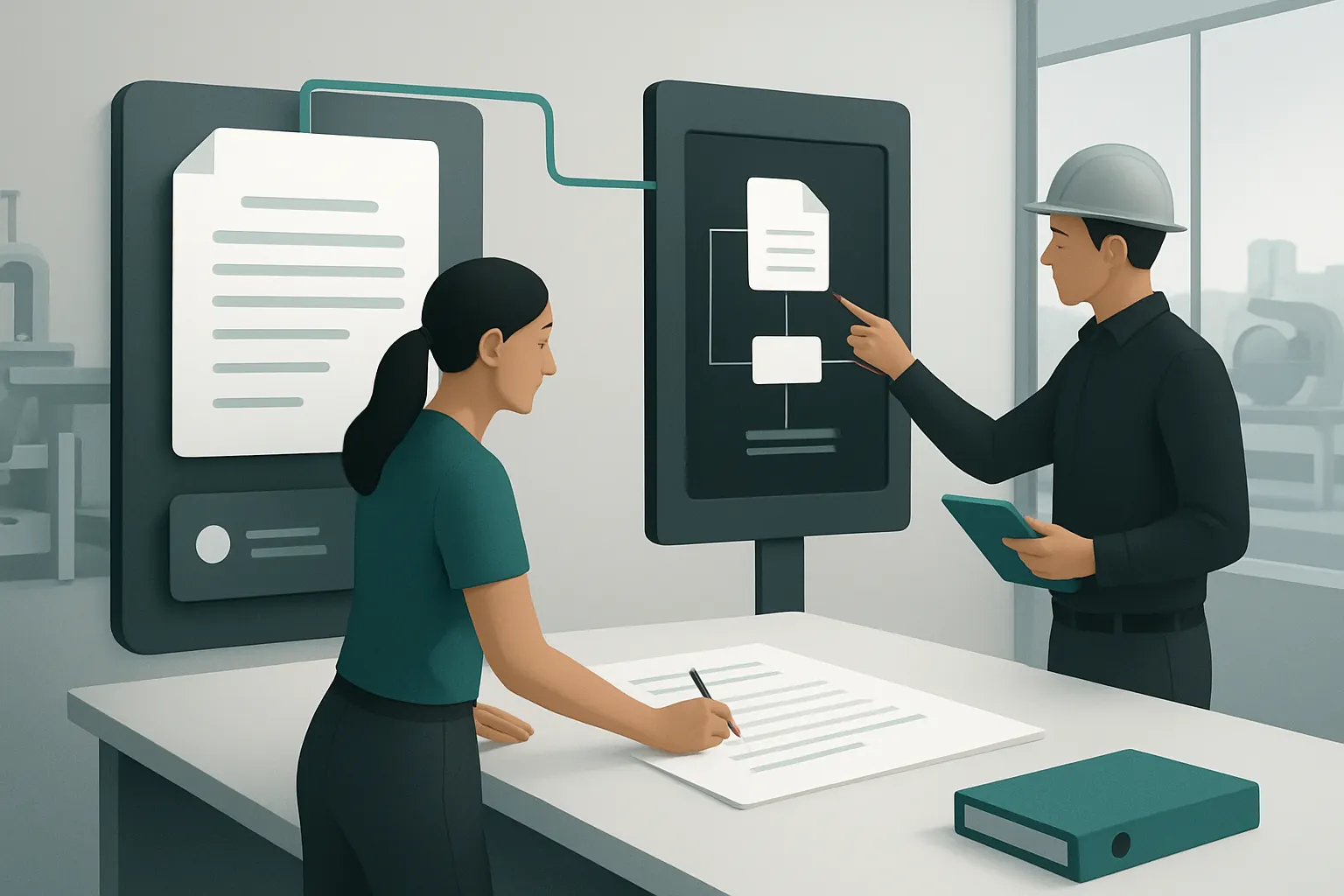
A central document routing workspace keeps all project documents in a controlled repository, with automated routing rules directing drafts to the right experts for input. Changes and comments are logged.
Example of Document Routing in Action
In a mid-size consultancy, moving document workflows into an owned system halved turnaround time for technical reviews, as staff received automated reminders and accessed latest versions without searching emails.
Controls Ensuring Professional Privilege and Permission Levels
Access rights enforce confidentiality and restrict editing to authorised personnel only, with audit trails supporting compliance and retention policies.
Time and Activity Tracking: Accurate Data Feeding into Utilisation Dashboards
The Manual Time-Tracking Burden
Engineers often track time on different tools or paper logs, leading to incomplete or inaccurate records and missed billing opportunities.
Embedding Time Recording into Workflows
A bespoke time capture module within the owned system prompts staff to log time tied directly to projects and tasks, connecting timesheets to project progress dashboards automatically.
Practical Time Tracking Improvement
A firm integrated their time tracking into their workflow system, eliminating the need for separate software. Managers access dashboards that highlight utilisation rates and bottlenecks in near real-time.
Configured Rules for Validation and Supervisor Approval
Timesheets trigger flags for outliers or inconsistencies, ensuring supervisors verify before processing. This maintains accuracy and auditability while preserving operational efficiency.

Automated Prioritisation and Decision Support Using Targeted AI
Difficulties in Sorting Tasks and Leads by Urgency
Busy teams struggle to manually prioritise workloads and triage new leads effectively, impacting responsiveness.
AI as a Selective Capability to Support, Not Replace, Judgment
Limited AI functionalities embedded into the owned system classify incoming queries, summarise document batches, and suggest priorities based on business rules. Importantly, key decisions require human approval.
Example of AI-Driven Prioritisation Support
Engineering consultancies use AI modules to summarise lengthy technical submissions and prioritise leads by value prediction, but a project lead must authorise the next step manually.
Controls Ensuring Transparency and Human Review
AI outputs are displayed with explanations and confidence scores. The system requires manual overrides before actions that impact engagement status or contracts proceed.

Avoiding Multiple SaaS Fees by Replacing Redundant Tools with Owned Modules
The Hidden Expense of Overlapping Software Subscriptions
Many firms accumulate a stack of specialised SaaS products, many of which duplicate functionality or overlap.
Consolidating Functions into One Owned Operating System
Replacing subscription tools with owned modules reduces ongoing costs and improves seamless data flow between operational areas.
A Concrete Example of Cost Reduction
A consultancy saved significant annual fees by building their own document management and time capture modules within their operating system, which linked directly to leads and projects without manual imports or exports.
Controls to Maintain Modular Flexibility and Integration Points
The owned system supports continued use of specialist external tools for payments or communications, integrating via secure APIs to avoid vendor lock-in or data silos.

Real-Time Dashboards for Transparent Project and Business Oversight
Lack of Holistic Visibility Creates Operational Blind Spots
Data scattered across systems limits the ability of leadership to monitor project status, resource utilisation, and financial health in one place.
Bringing Operational Data into One Reliable Dashboard
Connecting lead data, proposals, resource allocation, time tracking, and document status into a tailored visual dashboard empowers timely and informed decision-making.
Dashboard in Practice: Early Risk Detection
A firm combined project delivery and utilisation dashboards within their owned system, enabling managers to detect engagement delays early and reallocate resources accordingly.
Controls Supporting Data Security and Role-Based Access
Dashboards expose sensitive data only to authorised users, configured to reflect relevant permissions and client confidentiality requirements.

A Practical 90-Day Rollout Plan for Engineering Consultancy Automation
Weeks 1–2: Discovery and Design
- Identify critical workflows from lead capture through project initiation.
- Map existing systems, subscriptions, and pain points.
- Define key integration points and control requirements.
- Begin designing owned operational modules tailored to business needs.
Weeks 3–6: Development and Integration
- Build and connect owned modules for lead capture, proposal generation, and resource planning.
- Integrate with legacy tools where feasible (e.g., communication platforms).
- Configure user permissions and approval workflows.
- Conduct initial user training and testing in pilot teams.
Weeks 7–12: Deployment and Refinement
- Roll out modules across the business.
- Implement AI capabilities selectively for prioritisation and summarisation.
- Monitor usage and feedback; iterate on workflows and controls.
- Launch dashboards providing leadership real-time operational visibility.
- Review SaaS subscriptions for consolidation opportunities.

How AI Implementation UK Connects, Replaces, and Automates Your Operation
AI Implementation UK provides a uniquely tailored service to engineering consultancies by delivering one connected operating system designed specifically around your existing workflows. We focus on creating owned modules that integrate with your current functional tools—carefully replacing avoidable subscriptions without fragmenting your operational data.
Our approach respects your need for control and compliance. We apply AI as a targeted, selective tool to support classification, summarisation, and prioritisation, always preserving human oversight for professional judgement and important approvals. We integrate external specialist tools securely where necessary, such as payments or communication services, maintaining a seamless operational flow.
Through expert consultation, design, and implementation we enable engineering consultancies to reduce manual work, improve accuracy, speed up lead to engagement cycles, and gain a single source of operational truth via tailored dashboards. Your business owns the entire system, not a collection of disconnected subscriptions. This architecture strengthens data integrity, security, and regulatory compliance while offering operational agility.
Learn more about streamlining your engineering consultancy’s process automation and RPA, preparing your data infrastructure for integration data infrastructure preparation or how AI can fit into your strategic roadmap with our AI strategy roadmapping services.
Implementing lead to engagement automation tailored to your consultancy means taking control of your workflows, avoiding unnecessary software costs, and bringing clarity and speed to your business operations. Partner with AI Implementation UK to build an owned, connected operational system that delivers practical, measurable results.