
Learn how funeral directors can connect systems, reduce manual admin and automate enquiry to booking with one tailored operating platform the business owns.
Funeral directors automation software: What Breaks Daily
Funeral directors automation software should connect bookings, people, communications and reporting in one reliable operating flow.
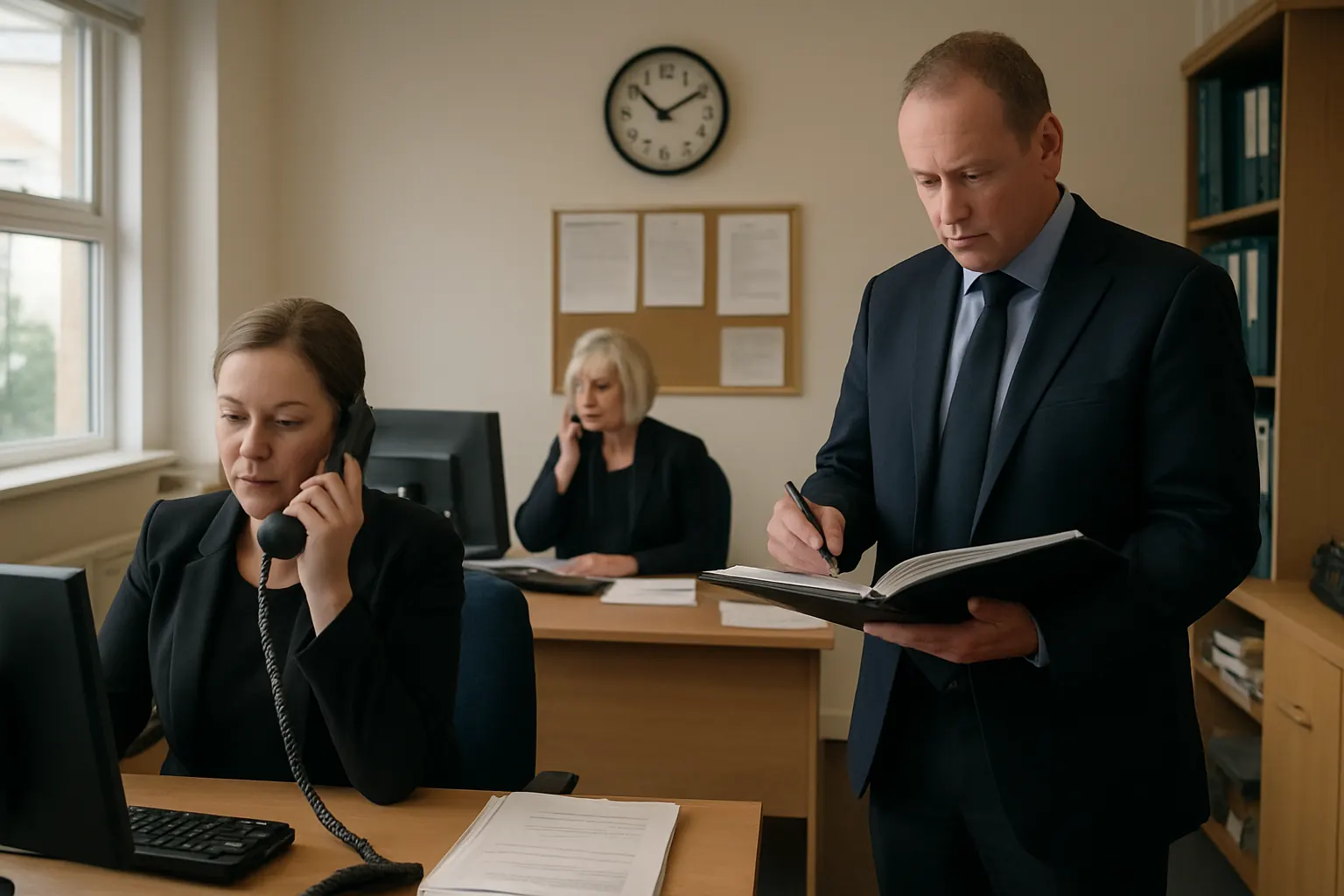
Funeral directors juggle a complex workflow with task cascades that start from family enquiries and run through to booking, arranging services, managing suppliers, and conducting follow-ups. Each stage involves a mix of sensitive communication, document coordination, compliance checks, and logistics. Mistakes, missed steps or delays create distress for families and risk reputational damage. The daily challenge is keeping all moving parts aligned across front-office enquiry handling, back-office administration, and external partner coordination.
A significant pain point lies in disconnected systems: enquiry management, memorial websites, billing software, supplier portals and scheduling tools often operate independently. This fragmentation forces manual reconciliation, duplicate data entry and obscure visibility over key operational data. Funeral directors need an intelligent way to unify workflows—minimising manual bottlenecks and reducing administrative strain.
Streamline Enquiry to Booking as One Connected Workflow
Overcoming Fragmented Family Enquiries Handling
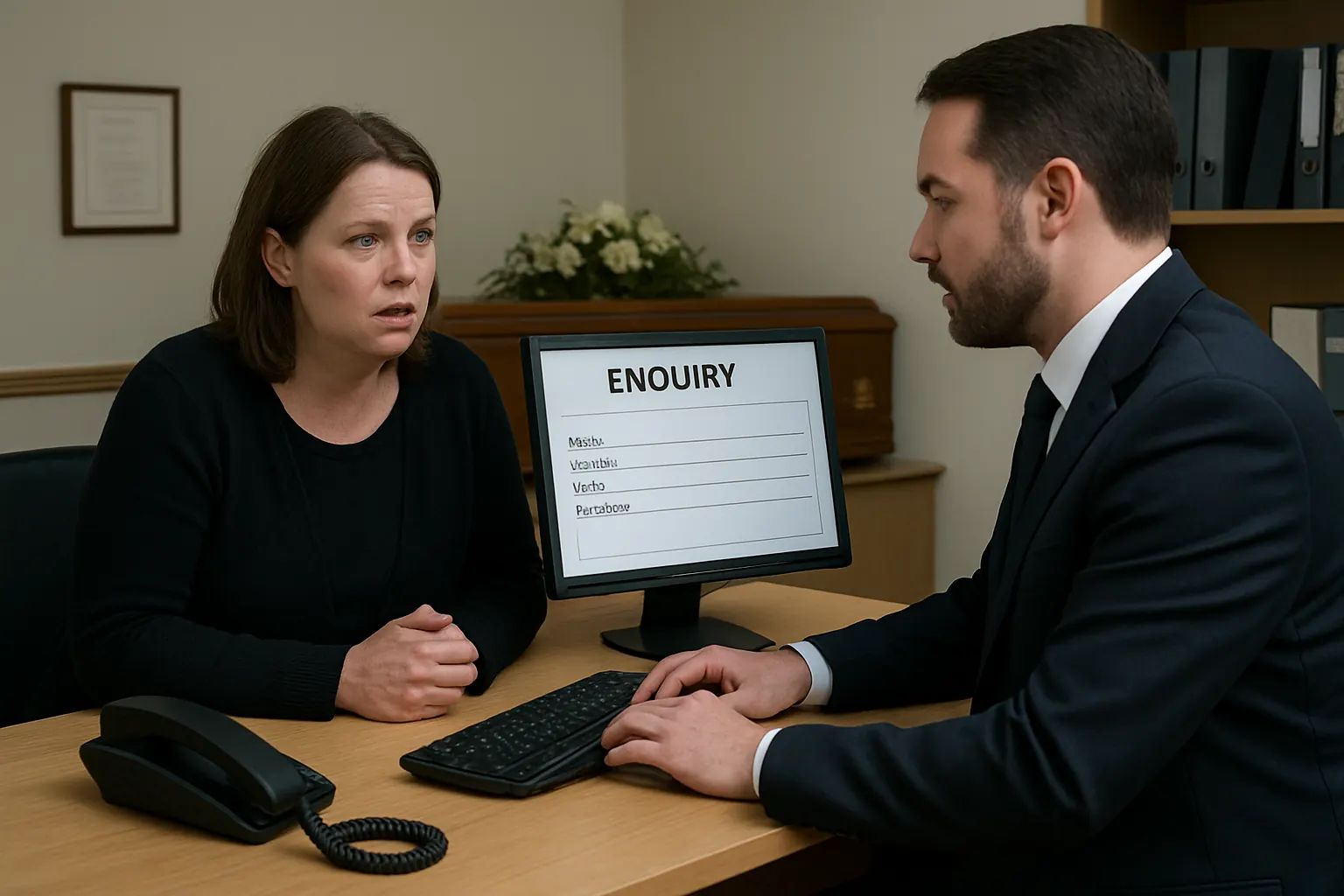
Many funeral homes use separate enquiry logging, email follow-up, booking spreadsheets, and memorial website tools. This disperses knowledge and multiplies admin. With connected enquiry to booking automation, funeral directors streamline each enquiry’s progress through custom workflows.
Connecting Available Systems Into a Single Workstream
Rather than replace all systems, your existing enquiry logging or CRM tools can integrate with owned modules handling booking records and documentation scheduling. This keeps familiar interfaces in place and avoids costly subscription bloat.
Practical Example: Automating Booking Confirmations
When a family enquiry arrives, the system creates a task list automatically — assigning follow-ups, generating draft paperwork, and preparing pricing details. Once confirmed, the booking is recorded in the owned system. Email reminders and payment links (via specialist external tools like Stripe or GoCardless) are sent automatically.
Controls to Maintain Service and Security
You retain oversight through dashboard alerts and manual checkpoints for pricing, safeguarding, and approval of sensitive customer decisions. This ensures human review where needed and secure handling aligned with ICO data protection principles.
Replace Multiple Subscription Tools with Owned Modules
Daily Burden of Managing Various SaaS Tools
Between memorial websites, document management platforms, scheduling apps, and online payments, funeral homes often pay for multiple subscriptions. Each requires separate logins, training and reconciliation.
Consolidating Functions into Owned, Tailored Modules
Our approach replaces routine SaaS subscriptions with owned software components tailored to your exact needs—for example, in-house document routing or task checklists. This reduces ongoing costs and creates a sustainable operating ecosystem.
Example: Centralising Documentation and Supplier Coordination
Instead of forwarding forms via email or third-party portals, the arrangement workflow routes documents electronically in your owned system. Suppliers receive accurate, consistent instructions directly from the platform, speeding up the delivery process.
Control Points for Data Integrity and Privacy
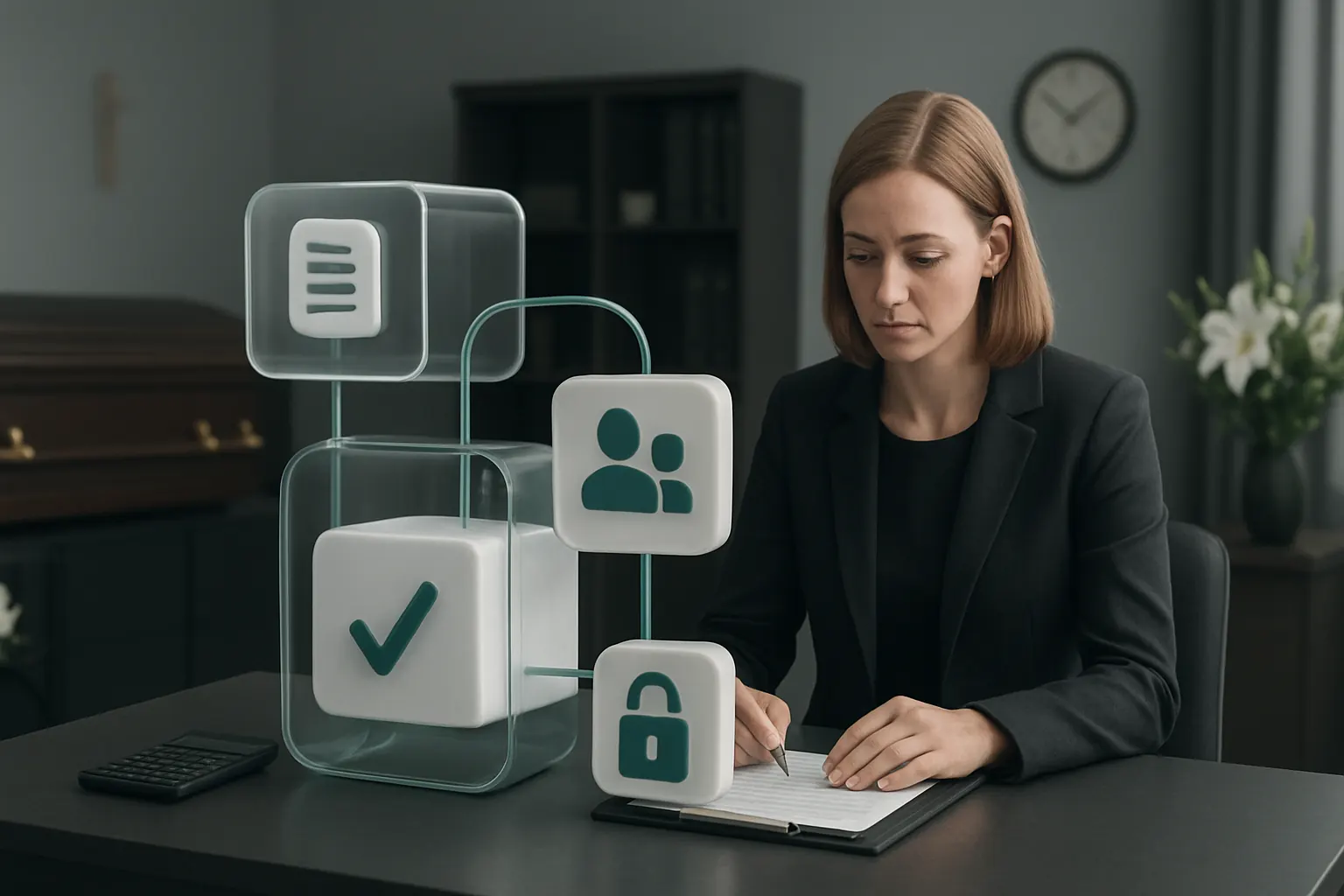
All document movements are logged and encrypted, with permissions aligned to roles. You configure approval gates for sending sensitive data externally, matching your compliance and safeguarding policies.

Create One Reliable Record with a Tailored Dashboard
Problems with Dispersed Data
Funeral directors often rely on spreadsheets, multiple database exports and disconnected tools for insight. This fragmentation muddles decision-making, obscures workload visibility and delays administrative tasks.
Building Your Single Source of Truth
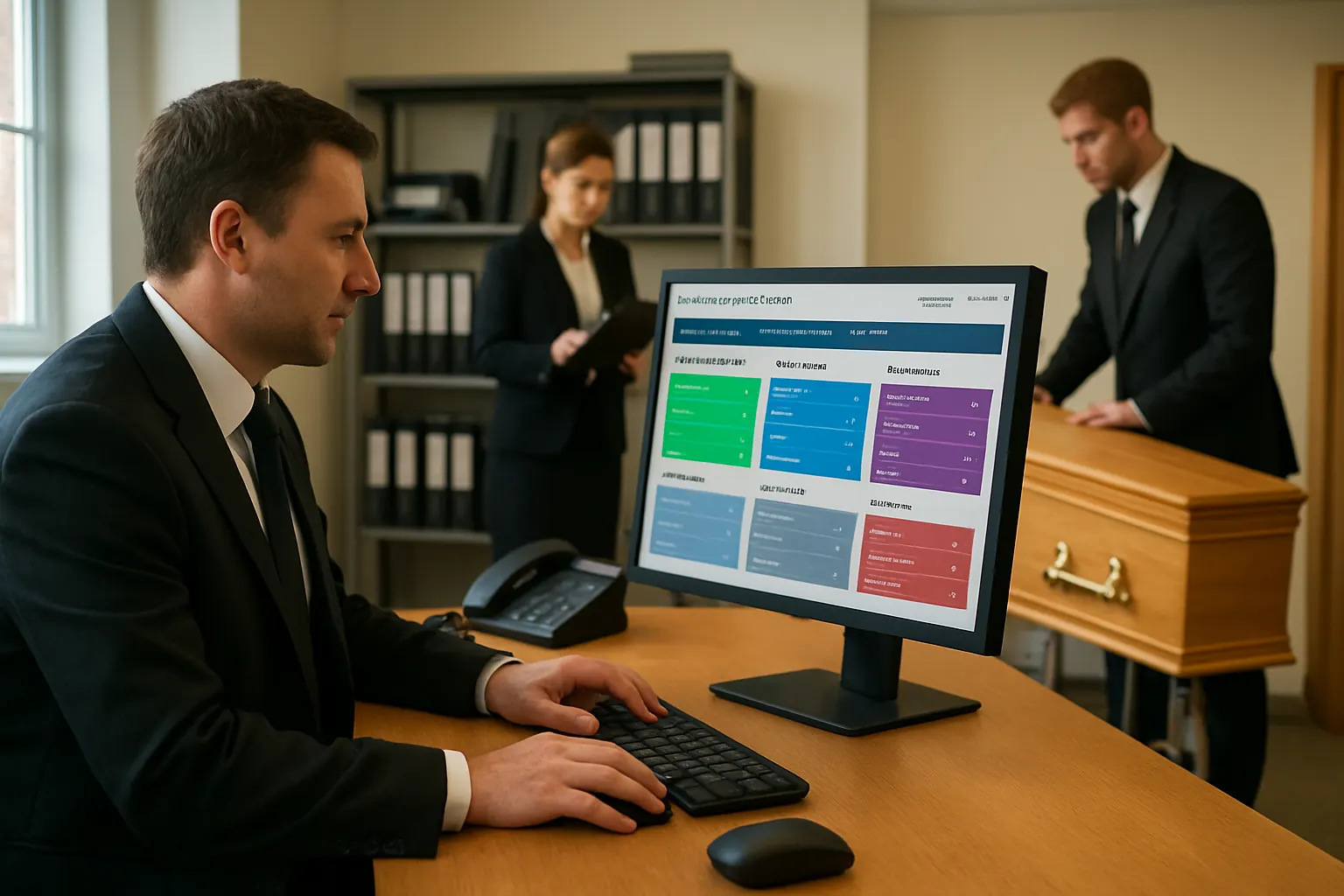
A centralised record consolidates family details, booking status, supplier info, invoicing and service notes. The live dashboard is customised per role: front-office sees enquiry pipelines, back-office monitors billing status.
Application in Practice: Monitoring Follow-Up and Retention
Post-service follow-ups, membership renewals or remembrance invitations become visible on the dashboard as due tasks. Automated flags ensure nothing slips through between family contact points.
Safeguarding Controls on Sensitive Data Access
Role-based access limits sensitive information visibility, protecting customer privacy and enabling compliance with data protection laws. Audit trails document who accessed or modified records.
Use AI Selectively for Classification, Summarisation, and Prioritisation
Tackling Variable and Complex Tasks
Certain funeral director tasks benefit from AI-supported assistance without ceding total control. Handling classification of enquiry types, summarising case notes or prioritising urgent requests illustrate ideal AI use.
Combining AI with Deterministic Rules
Predictable, repetitive tasks—such as scheduling reminders or routing payments—use deterministic automation. Meanwhile, AI assists with variable tasks that need contextual understanding while preserving human approval for key decisions.
AI in Action: Classifying Enquiry Urgency
AI can analyse incoming enquiries for urgency markers or specific needs, triggering priority workflows. Staff review flagged cases manually before confirming next steps.
Controls to Retain Empathy and Compliance
Humans retain final approval on sensitive issues, and AI outputs remain transparent for audit. This balance supports ethical handling and compliance with relevant ICO guidelines on automated decision-making.

Integrate Specialist External Tools Where Necessary, Not Across the Board
Avoiding Unnecessary SaaS Expansion
Funeral homes often accumulate many small SaaS tools for payments, communications, or SMS reminders. While these do have value, showering the operational landscape with many systems reduces control.
Targeted Integrations for Core Specialist Functions
Focus integration effort on a few key external services likely to remain critical—such as online payment processors (e.g., Stripe for PCI security), SMS notification providers, or secure email platforms.
Concrete Example: Streamlined Payments Without Lost Workflow Visibility
Payment confirmation data flows automatically into your owned booking record, removing manual reconciliation and screenshot chasing. Families receive secure links without exposing internal data.
Controls for Security and Regulatory Adherence
Integrations are configured with robust API security, maintain a documented permission matrix and enable monitoring through system logs—maintaining FCA and PCI DSS expectations where applicable.
A 90-Day Rollout Plan to Connect and Automate Your Funeral Home
Weeks 1–2: Discovery and Baseline Assessment
- Audit current software tools and map workflow pain points.
- Identify must-keep systems vs. replaceable subscriptions.
- Define critical compliance and safeguarding requirements.
Weeks 3–6: Build Core Connected Operating System
- Develop owned enquiry to booking workflow module integrated with current tools.
- Set up centralised booking and documentation routing.
- Begin phased migration off redundant SaaS subscriptions.
Weeks 7–12: Deploy AI Toolkit and Specialist Integrations
- Introduce AI functions for enquiry classification and summarisation.
- Integrate payment and communication modules with transaction visibility.
- Train staff on new workflow dashboard and implement control audits.
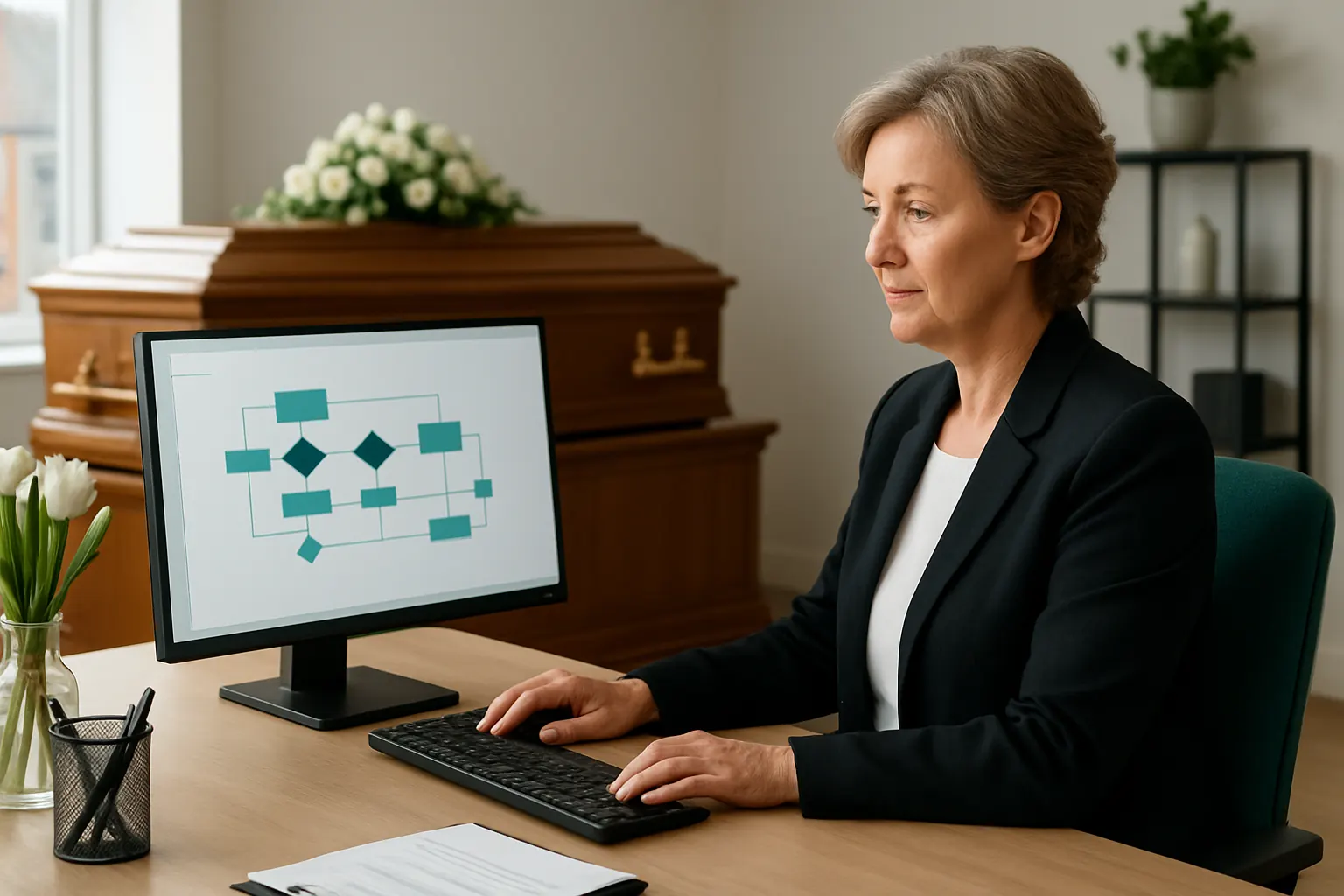
How AI Implementation UK Connects, Replaces, and Automates for Funeral Directors
AI Implementation UK does not promote patchwork solutions built from disconnected apps. Our offering is one connected operating system the business owns, designed around how the funeral director operates daily.
We deliver:
- System Connection: Integrating existing useful tools into one coherent workflow.
- Subscription Replacement: Substituting avoidable monthly software costs with owned modules tailored to your processes.
- Data Consolidation: Bringing operational data into a reliable, role-specific dashboard.
- Selective AI Application: Using AI to assist with complex, variable tasks alongside deterministic automation for reliable routine processes.
- Prudent Integrations: Incorporating specialist external services—for payments, communications—and maintaining end-to-end workflow control.
By doing so, we help funeral directors save time, reduce costly errors, improve family experience, and support compliance with data protection and payment standards. Careful process automation also frees staff to focus on personal support—critical in this sensitive service sector.
To explore tailored automation solutions for your funeral home, visit our funeral directors process automation service and see how we prepare data infrastructure for smooth changeovers: data infrastructure preparation.
For an in-depth and structured approach, see our AI strategy roadmapping to plan your technology adoption confidently and sustainably.
Data privacy and security are paramount; for best practice guidance, refer to the Information Commissioner's Office (ICO) and the UK National Cyber Security Centre (NCSC) for protecting sensitive customer and operational data in funeral services.
By connecting systems rather than adding complexity, funeral directors can cut admin and devote more compassionate attention to families when it matters most.