
Learn how commercial cleaning companies can connect systems, reduce manual admin and automate enquiry to contract with one tailored operating platform the business.
Commercial cleaning company workflow automation: What Breaks Daily
Commercial cleaning companies face complex and fast-moving operational challenges every day. Site rotas often require last-minute adjustments owing to unexpected staff absences. Service evidence, such as clients’ sign-offs or photo verification, can be incomplete or lost. Enquiries from prospects slip through the cracks, and contract documentation is slow to finalise. Meanwhile, multiple systems—ranging from spreadsheets to fragmented software subscriptions—make it difficult to get a consistent view of operational data.
These breakdowns add up: time slips away, errors grow, and compliance obligations become harder to verify. Without a connected workflow, teams spend hours on manual admin, while key decisions are based on partial or outdated information.
Commercial cleaning company workflow automation offers a practical path to solve these everyday headaches—and reclaim control.

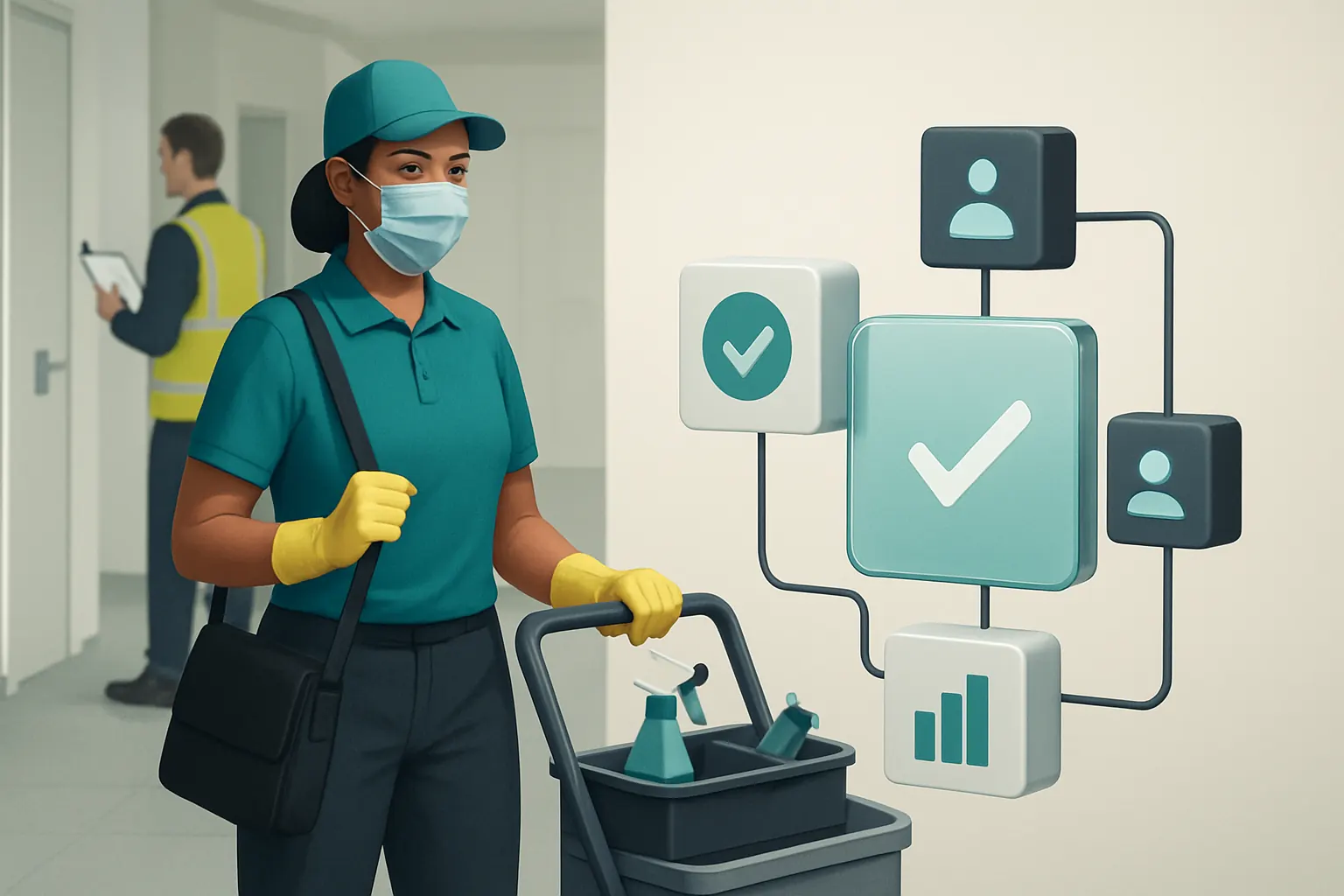
Automate Enquiry to Contract Workflow
Streamlined Client Onboarding from Start to Finish
The initial enquiry phase often involves manual tracking across email, telephone, and CRM tools. This fragmentation leads to lost follow-ups or long delays in contract setup.
By implementing a tailored workflow to automate enquiry tracking, quote generation, and contract creation, companies can own this process end-to-end within one workspace. This reduces human error and accelerates conversion rates without losing control to external SaaS.
Smart Connection to Existing CRM and Document Systems
Rather than rip-and-replace, the enquiry to contract automation connects your existing CRM data and document management. Integrations can import lead details, send templated emails, and generate PDF contracts—replacing subscription-based quoting tools with owned modules.
Example: Auto-quoting and E-signature within the System
A commercial cleaning company receives an enquiry via web form. The system classifies the request and auto-generates a tailored quote. Upon client acceptance, the platform triggers a contract draft, sends an e-signature request, and stores the signed contract as a secure record—all without manual handover.
Built-in Controls for Compliance and Approval
While automation manages process flow, contract terms and pricing rules remain subject to human review. Alerts flag unusual requests, and approvals are required before client onboarding is complete, supporting governance and regulatory obligations.

Simplify Site Rota and Workforce Scheduling
Pain Points in Scheduling Across Multiple Sites
Scheduling cleaners across diverse locations is a challenge. Shifts change unexpectedly due to sickness or client needs. Paper rotas or disconnected digital tools struggle to stay updated, causing double bookings or missed assignments.
One Consistent Rota Module with Real-time Updates
With workflow automation built around business rules, your owned system handles shift allocation using deterministic rules, including skills, location, and availability. Mobile interfaces keep staff informed instantly and allow real-time shift swaps—all connected in a single rota record.
Seamless Integration with Attendance and Payroll Systems
Integration ensures that clock-ins feed directly into attendance records and payroll, eliminating manual timesheet collection. This reduces errors and speeds up payment processing.
Operational Example: Auto-notification of Shift Changes
If a cleaner calls in sick, the system triggers automated alerts to supervisors and eligible replacement staff. The rota updates dynamically, and confirmations flow back through the mobile app.
Controls Maintaining Staff Access and Site Security
Access permissions ensure only assigned staff see sensitive site details. Shift changes trigger security verifications such as client sign-off requirements to maintain compliance with site policies.
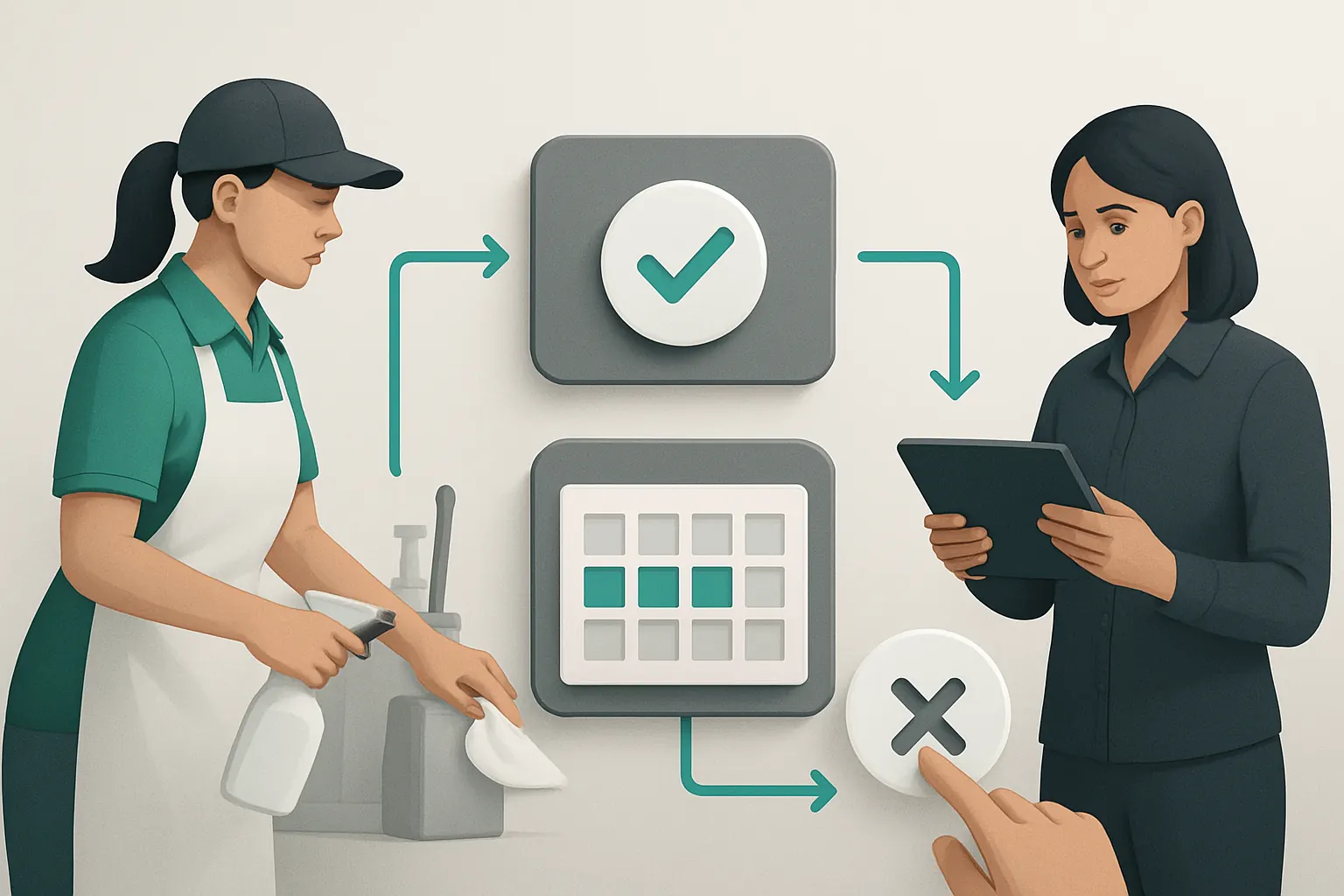
Automate Service Evidence Capture and Verification
Challenges in Gathering Complete Service Records
Evidence such as logged cleaning tasks, photos, and client signatures are critical but often collected inconsistently. Manual collation causes delays and compliance issues.
Connected Mobile Service Records Linked to Client Sites
A connected system fields mobile entry of cleaning reports, photo uploads, and client feedback in real-time. These records consolidate to a single operational dashboard for supervisors and clients to monitor performance.
Smart Use of AI for Classification and Prioritisation
AI classification helps verify photo content or flag incomplete records for follow-up. Summarisation modules condense daily service data for management reviews.
Real-Life Scenario: Instant Verification after Each Shift
After completing a cleaning slot, staff upload photos and task checklists on a dedicated app. AI flags any missing critical evidence. Supervisors review summaries before approving invoicing.
Safety and Compliance Controls Built-in
Every record includes timestamping and geo-validation to assure site presence. Verification steps align with Health & Safety Executive (HSE) guidelines, supporting audits.
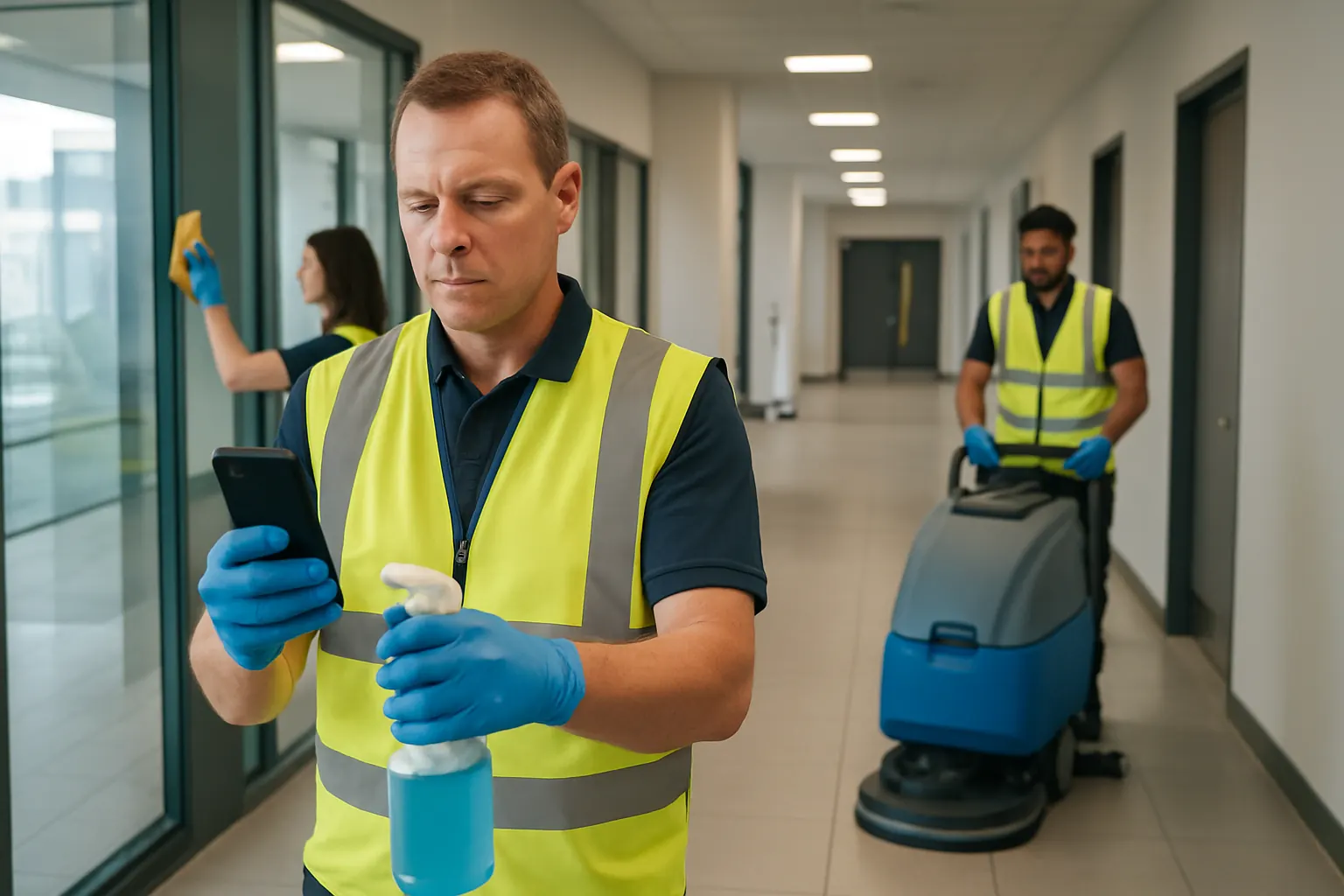
Centralise Invoicing and Payment Tracking
Manual Invoicing Slows Cashflow and Increases Errors
Billing based on inconsistent service records often requires manual rechecks and follow-ups, delaying payments and creating disputes.
Owned Invoicing Modules Connected to Service Data
Automation links service completion records directly to invoicing creation. Custom invoice templates streamline client-specific requirements while retaining ownership of your financial documents.
Integration with Specialist Payment Gateways
Where needed, integration with established payment services (such as Barclaycard or PayPal) handles secure transactions. These remain embedded within your system for seamless workflows.
Example: Auto-generation of Invoices Post-Approval
Once service evidence is approved, invoices generate automatically and issue to clients with payment reminders. Outstanding invoices trigger alerts for accounts staff.
Controls Supporting Finance and Data Security Standards
Access rights restrict who can edit invoices. Transactional data is encrypted and retained per ICO guidance, consistent with data protection principles.
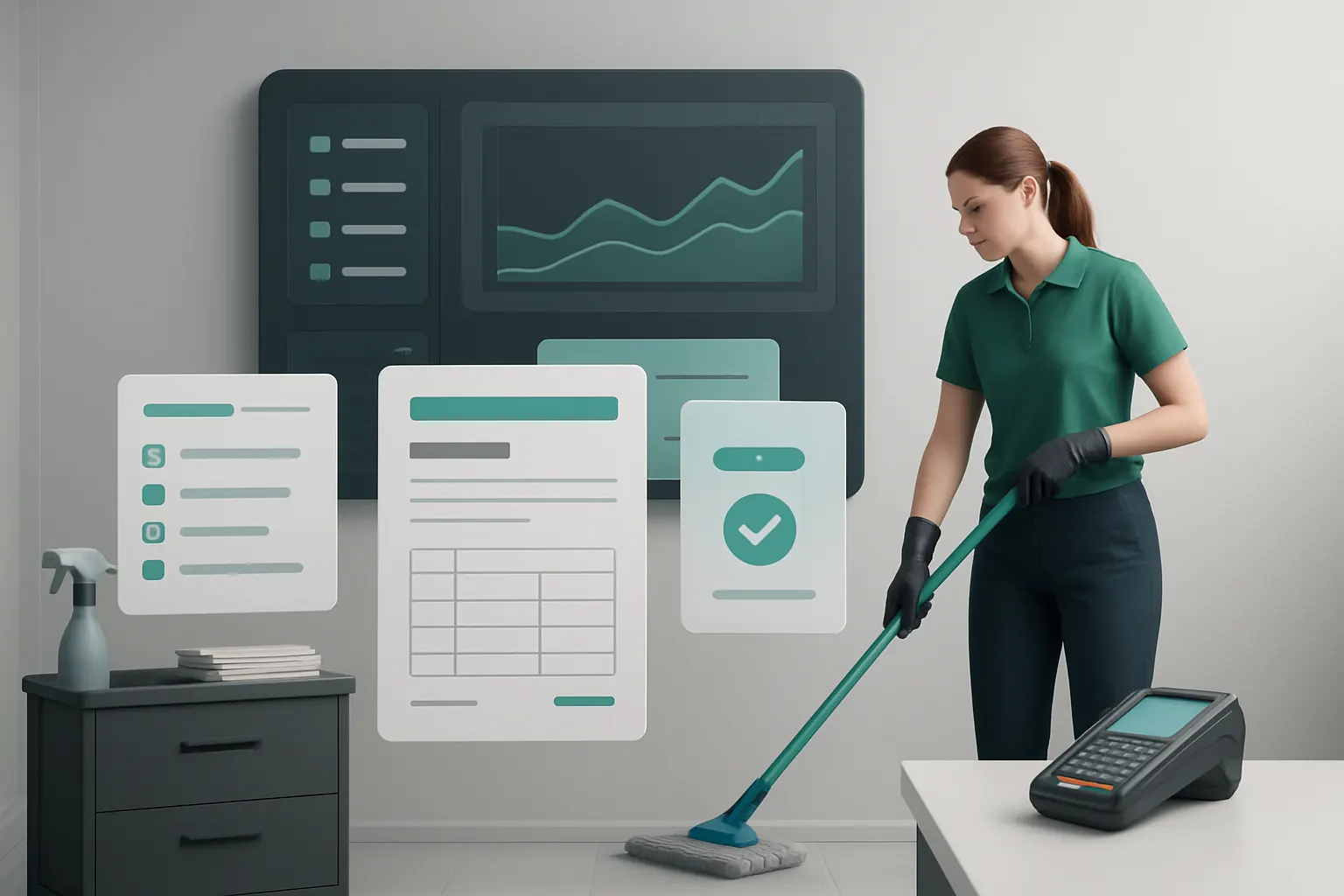
Replace Overlapping Subscriptions with Owned Modules
Costs and Complexity from Multiple SaaS Subscriptions
Many cleaning firms subscribe to separate systems for job management, CRM, scheduling, or marketing, inflating costs and fragmenting workflows.
Building Owned Modules Around Core Processes
Our approach creates integrated modules that your business owns outright—tailored precisely around how you operate. This reduces dependency and recurring fees while improving data reliability.
Example: Replace External CRM with an Integrated Booking Record
Instead of paying monthly for a CRM external to scheduling or invoicing, your owned system links customer and job records in one place. AI-driven workflows automate routine communications, reducing marketing tool reliance.
Centralised Data Improves Business Insight
A single data record surfaces trends, operational bottlenecks, and commercial opportunities on a custom dashboard—without exporting data to third-party tools.
Controls on Data Access and Change Management
Role-based permissions protect sensitive customer information and transactional records, complying with GDPR controls for commercial operators.
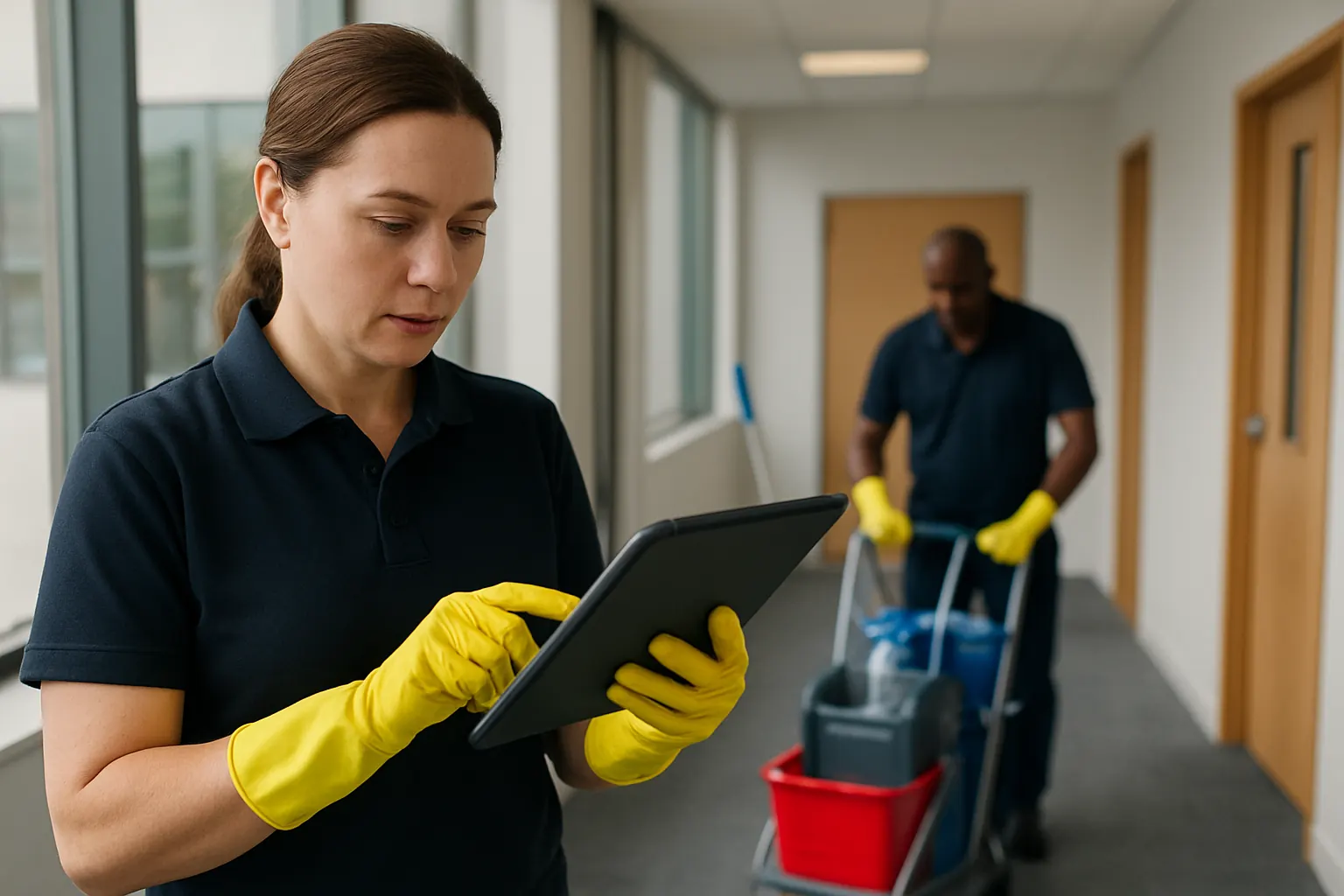
Use AI Selectively for Variable Workloads
Avoid AI Overreach on Predictable Tasks
Automation is best when applied selectively. Deterministic rules efficiently handle predictable tasks such as rota allocation or invoice generation. AI complements by tackling less structured tasks like text classification or summarisation.
AI Capabilities for Prioritisation and Decision Support
AI agents assist with triaging incoming enquiries, summarising client feedback, and suggesting priority actions to human managers. This increases responsiveness without removing human oversight.
Example: AI Supplements Human Approvals in Contract Workflow
AI pre-screens enquiry details and contract clauses for exceptions, highlighting those needing human review. Humans remain accountable for final decisions.
Controls Ensure Accountability and Transparency
All AI outputs remain auditable and editable. Decision logs support compliance with UK data and business governance standards.

Integrate Specialist External Tools Where They Add Value
When External Services Are Essential and Stable
Certain functions such as payments, SMS communication, or signature capture remain best provided by established specialist services likely to remain stable and integrable.
Secure Embedment Rather than Replacement
Instead of adopting disconnected SaaS stacks, specialised tools embed within the central system to maintain seamless workflows.
Example: Embedded Payment Gateways and Communication APIs
Payment platforms process transactions securely, while communication tools deliver appointment reminders or client alerts directly from your owned system.
Compliance with Industry Security and Privacy
These integrations respect PCI security standards or ICO privacy rules, enforced through careful access controls and encrypted data flows.

Harness the Power of One Reliable Operational Dashboard
The Challenge of Fragmented Insights
Multiple disconnected tools create blind spots and complicate reporting, hindering timely decisions.
One Tailored Dashboard Unifies Operational Data
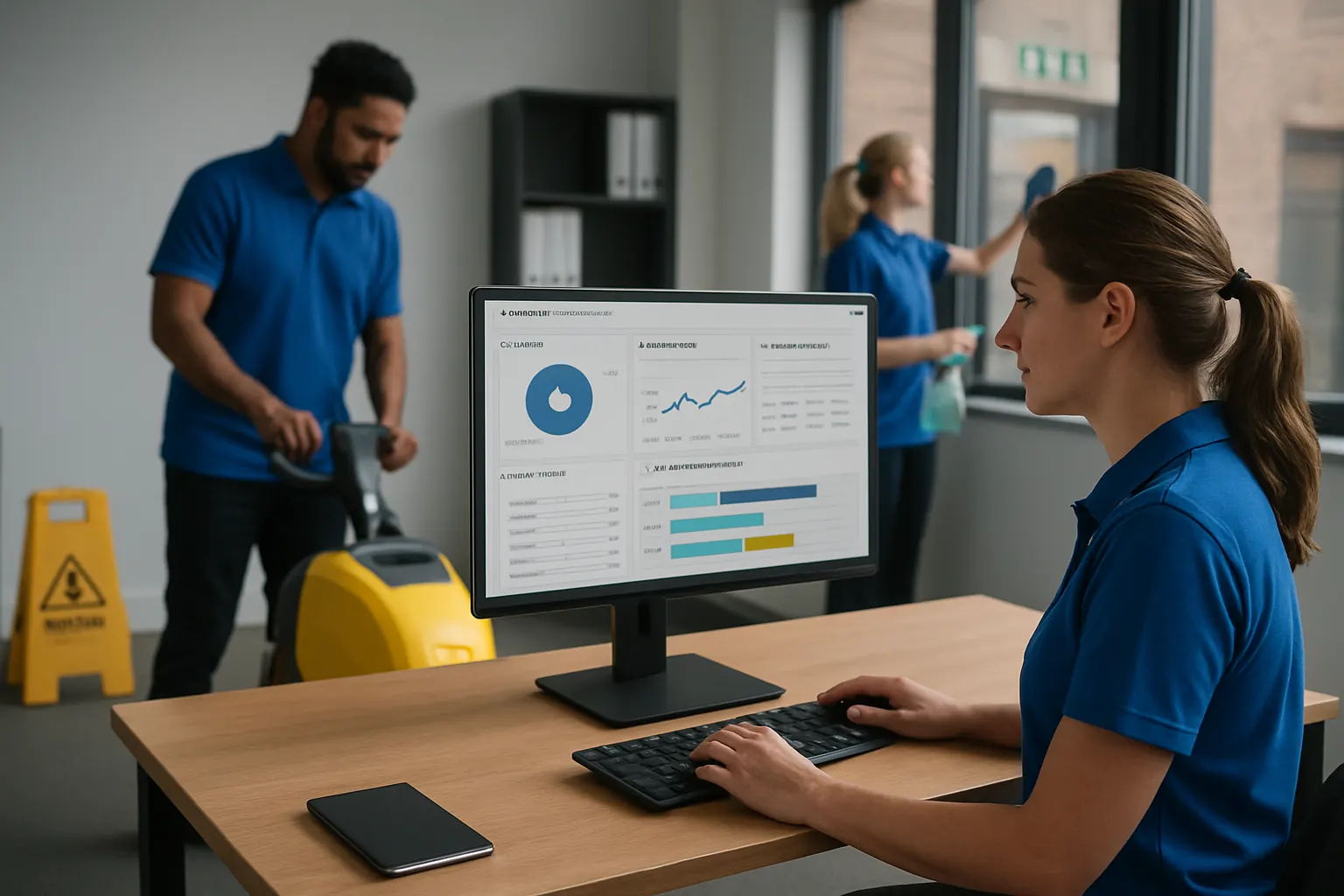
A custom dashboard consolidates enquiries, rotas, service records, invoicing status, and key performance indicators into one trustworthy workspace.
Real-World Impact: Faster Issue Resolution and Resource Allocation
Managers spot rota gaps, service anomalies, or delayed payments immediately, enabling proactive intervention before problems worsen.
Controls Guard Data Accuracy and Access
Dashboards refresh in real-time from owned data sources, with user permissions tuned to roles, ensuring a single version of the truth without exposing sensitive information unnecessarily.
A 90-Day Rollout Plan to Automate Your Workflow
Weeks 1–2: Assessment and Planning
- Conduct operational audits to map current enquiry, scheduling, service, and invoicing workflows.
- Identify key pain points and existing system capabilities to retain.
- Define integration points and data flow needs.
- Collaborate to design tailored modules—especially for enquiry to contract and rota automation.
- Establish governance controls and compliance checks.
Weeks 3–6: Build and Integrate Owned Modules
- Develop enquiry tracking and contract automation integrated with existing CRM/document sources.
- Implement rota scheduling linked to attendance and payroll data.
- Configure AI capabilities for classification and summarisation aligned with human workflows.
- Embed specialist payment and communication tools.
Weeks 7–12: Pilot, Train and Refine
- Pilot workflows with core users on live sites, capturing feedback.
- Refine automation rules and approvals based on operational experience.
- Deliver staff training and rollout mobile service evidence capture.
- Launch centralised dashboard and reporting.
- Support go-live with ongoing monitoring and adjustment.
Connecting, Replacing and Automating with AI Implementation UK
Commercial cleaning company workflow automation pays long-term dividends only when built around the business’s actual ways of working—and owned to retain control. Off-the-shelf SaaS packages tend to fragment data and multiply subscriptions without solving core integration issues.
AI Implementation UK specialises in delivering one connected operational system designed and tailored for the commercial cleaning sector. Our approach conserves useful current systems by integrating them into a connected workflow. Redundant subscriptions are replaced with owned modules that automate enquiry to contract, scheduling, service verification, and invoicing workflows.
We apply AI selectively—supporting variable and unstructured tasks such as classifying client enquiries and summarising service reports—while deterministic rules handle predictable jobs like rota assignment and invoice creation. Importantly, human approval remains central to key decisions, preserving compliance and operational governance.
Our implementation safeguards security, site access, and service verification through built-in controls tied directly to your operation. We embed specialist tools only where stable third-party integration strengthens payments or communications without fracturing the workflow.
With a phased 90-day rollout, our team supports discovery, development, pilot and launch, ensuring your automation delivers practical, scalable enhancements and a single reliable record for operational insight.
Explore how AI Implementation UK can help with your journey in process automation & RPA and data infrastructure preparation. Review our practical AI strategy roadmapping and see case studies of commercial cleaning companies transformed by connected workflow automation.
By partnering with us, your commercial cleaning business gains an owned, tailored operating system to reduce manual admin, cut errors, and scale with confidence.
For legal and data security guidance relevant to commercial operators, see the Information Commissioner’s Office (ICO) and National Cyber Security Centre (NCSC). On secure payments, consult the PCI Security Standards Council.
To turn these priorities into one coherent system, map the platform your business needs or explore our workflow automation approach.