
Across the UK, GP clinics and private healthcare providers are struggling under the weight of manual, paper based processes that slow operations, frustrate patients, and add avoidable costs. From appointment bookings to patient record ma...
What’s Breaking Daily in GP Clinics and Private Healthcare
Across the UK, GP clinics and private healthcare providers are struggling under the weight of manual, paper-based processes that slow operations, frustrate patients, and add avoidable costs. From appointment bookings to patient record management, the daily inefficiencies not only tie up staff time but also delay care, increase errors, and threaten compliance in a tightly regulated sector.
Despite widespread awareness of digital transformation, many practices still rely heavily on manual workflows. The consequence? Staff burnout, mounting operational expenses, cash flow constraints, and ultimately, a diminished patient experience. This article explores eight specific reasons healthcare providers fall behind and how automation offers practical, risk-managed fixes to regain lost time, reduce errors, and improve financial and care outcomes.
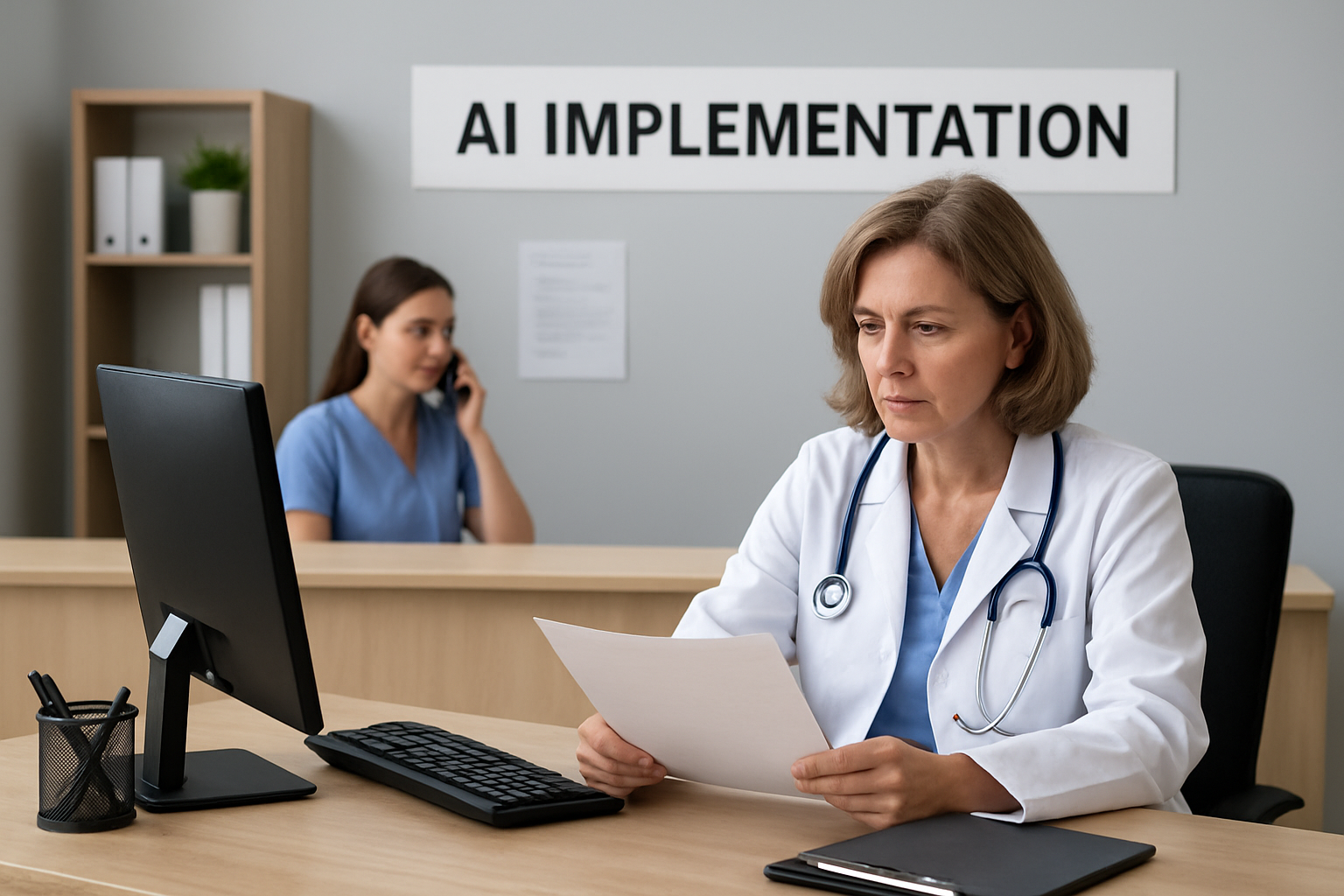
The Cost of Manual Work in UK Private Healthcare
The daily reliance on manual processes impacts GP clinics and private healthcare teams in multiple costly ways:
- Time wasted: Up to 88% of appointments and bookings are still manually handled, leading to delays of weeks or months for patient care.
- Errors: Manual data entry and paper handling introduce errors that compromise patient safety and raise compliance risks.
- Compliance risks: Inadequate audit trails and lack of standardised protocols increase regulatory exposure.
- Cash flow issues: Delays in billing and slow document processing tighten cash flow, impacting clinic viability.
- Staff burnout: Repetitive low-level administrative work drains valuable clinical talent away from patient care.

8 Reasons GP Clinics And Private Healthcare Teams Fall Behind — And How Automation Fixes Them

Appointment Scheduling Bottlenecks
The real daily problem:
Front desk staff manually juggle phone calls, emails, and walk-ins, leading to double bookings, long patient wait times, and high rates of no-shows.
The automation/AI approach:
Deploy automated scheduling systems that integrate online booking portals, calendar synchronisation, and SMS/email reminders.
Suggested tools / system pattern:
Cloud-based appointment management platforms with AI-powered scheduling assistants.
Example of implementation:
Set up an online portal where patients book appointments directly; system auto-allocates slots based on doctor availability; patients receive automated reminders.
Risks/controls:
Ensure patient data is encrypted; obtain patient consent for reminders; maintain audit logs on scheduling changes to track manual overrides.

Referral and Follow-up Delays
The real daily problem:
Manual tracking of referral letters and follow-ups causes patients to wait weeks or even months between GP referral and specialist consultation.
The automation/AI approach:
Use workflow automation to track referral status, send alerts for overdue actions, and auto-generate follow-up tasks.
Suggested tools / system pattern:
End-to-end referral management systems integrated with EHR (Electronic Health Records).
Example of implementation:
Automated referral status dashboard shows pending actions; system sends alerts to relevant clinicians or admin staff when follow-ups lapse.
Risks/controls:
Implement role-based access; encrypt referral data; create audit trails for referral processing.

Paper-Based Patient Records and Documentation
The real daily problem:
Paper records lead to lost data, difficulties in accessing patient history quickly, and a risk of breaching confidentiality.
The automation/AI approach:
Digitise patient records and implement document management systems with searchable, secure digital storage.
Suggested tools / system pattern:
Cloud-based EHR systems combined with Optical Character Recognition (OCR) for legacy paper documents.
Example of implementation:
Scan historic paper records into digital EHR; staff access patient history remotely and securely during consultation.
Risks/controls:
Comply with GDPR data protection standards; regular data backups; control user access with strict authentication.

Manual Billing and Claims Processing
The real daily problem:
Billing errors and delays in claims submission reduce cash flow and increase administrative overhead.
The automation/AI approach:
Automate invoicing, fee coding, and claims submission to insurers or NHS payment gateways.
Suggested tools / system pattern:
Integrated practice management and billing software with automated claim workflows.
Example of implementation:
At consultation close, system automatically generates invoices and submits health insurance claims; payment status tracked in real-time.
Risks/controls:
Secure all patient financial data; ensure transparency with audit logs; cross-check automated claims before submission to reduce disputes.

Inefficient Prescribing and Medication Management
The real daily problem:
Paper prescriptions and manual drug interaction checks can lead to medication errors and delays at pharmacies.
The automation/AI approach:
Electronic prescribing (e-Prescribing) systems combined with AI-driven medication safety checks.
Suggested tools / system pattern:
EHR-integrated prescribing modules with clinical decision support.
Example of implementation:
Clinician electronically prescribes medication; system alerts for potential drug interactions or allergies; prescription sent securely to pharmacy.
Risks/controls:
Ensure system is compliant with NHS electronic prescription standards; implement role-based access; keep audit trails on prescription modifications.

Staff Rostering Challenges
The real daily problem:
Manual rota management causes scheduling conflicts, understaffing, and staff dissatisfaction.
The automation/AI approach:
Automated rostering tools that optimise shifts based on staff availability, skills, and patient demand.
Suggested tools / system pattern:
Cloud rostering platforms with AI-driven demand forecasting.
Example of implementation:
System suggests weekly shift plans; staff confirm availability online; auto-adjustments alert managers for gaps.
Risks/controls:
Protect staff personal data; maintain transparent data change logs; implement approval workflows for schedule changes.

Inefficient Internal Communication
The real daily problem:
Important messages and updates are lost in email overload or informal chat, causing clinical and operational errors.
The automation/AI approach:
Use collaborative communication platforms with task assignment, alerts, and integration into patient workflows.
Suggested tools / system pattern:
Healthcare-grade team communication apps with secure messaging and task tracking.
Example of implementation:
Clinical queries and admin tasks assigned within chat group; automated escalation if no timely response.
Risks/controls:
Data encryption; strict user authentication; archiving for legal compliance and audit.

Lack of Data-Driven Decision Making
The real daily problem:
Limited visibility into clinic performance metrics, patient outcomes, and operational bottlenecks prevents continuous improvement.
The automation/AI approach:
Implement analytics platforms that integrate clinical, financial, and operational data to generate actionable insights.
Suggested tools / system pattern:
Business intelligence (BI) dashboards connected to EHR, billing, and scheduling systems.
Example of implementation:
Dashboard shows appointment wait times, revenue trends, patient satisfaction scores; flags underperforming areas.
Risks/controls:
Anonymise patient data where possible; ensure data accuracy; restrict access to sensitive analytics.

90-Day Rollout Plan for Successful Automation Adoption
Implementing automation in GP clinics and private healthcare requires a careful phased approach to avoid disruption and gain quick wins.
Weeks 1–2: Assessment and Planning
- Conduct workflow audits to identify high-impact manual processes.
- Engage clinical and administrative teams to understand pain points.
- Define automation goals, data privacy requirements, and compliance parameters.
Weeks 3–6: Pilot Implementation
- Choose one or two priority areas (e.g., appointment scheduling and digital records).
- Deploy selected automation tools in a controlled pilot.
- Train staff on new systems and gather real-time feedback.
- Define control mechanisms such as audit trails and approval workflows.
Weeks 7–12: Full Deployment and Optimization
- Gradually scale automation across additional processes.
- Monitor KPIs such as appointment turnaround, billing cycle time, and patient satisfaction.
- Refine workflows based on user feedback and risk assessment.
- Establish ongoing governance for compliance, data security, and system maintenance.

Take the Next Step with AIImplementation.uk
Manual processes are costing UK healthcare providers millions every year and risking patient care delays. Automation is not just a luxury—it’s a necessity for future-proofing your practice.
Book a free consultation or workflow audit with AIImplementation.uk today. Let us show you how intelligent automation can unlock efficiency, reduce errors, and improve your cash flow—all while keeping patient data safe and compliant with UK regulations.
Contact us now to make the first move toward a smarter, faster, patient-centred practice.