
Electronics manufacturing stands at the frontline of global supply chain complexities, tightening regulatory regimes, and rapidly evolving customer demands. For UK electronics manufacturers, daily operations often buckle under persistent...
What’s Breaking Daily in Electronics Manufacturers
Electronics manufacturing stands at the frontline of global supply chain complexities, tightening regulatory regimes, and rapidly evolving customer demands. For UK electronics manufacturers, daily operations often buckle under persistent challenges: unpredictable component shortages, long lead times, and overreliance on singular suppliers. Assembly lines frequently face delays where tracking status and test results is fragmented across siloed systems. Quality and compliance pressures intensify risks as manual record keeping limits traceability and slows problem resolution. Meanwhile, cascading disruptions fuel costly inventory gluts or stockouts, throwing cashflow and planning into disarray.
This high-stakes environment demands operational agility. Yet many manufacturers wrestle with disconnected software tools that only complicate workflows—multiple SaaS subscriptions, spreadsheets, and ageing ERP systems unable to talk to one another. The result is data chaos, manual rework, error-prone handoffs, and compliance vulnerabilities. Without a reliable, connected platform aligned to how these businesses actually work, teams cannot swiftly respond to production exceptions or maintain quality assurance under cost pressure.
To thrive in 2026, UK electronics manufacturers need automation that cuts complexity, unifies operations, controls risk, and enables selective AI where it genuinely adds value—not just more software.
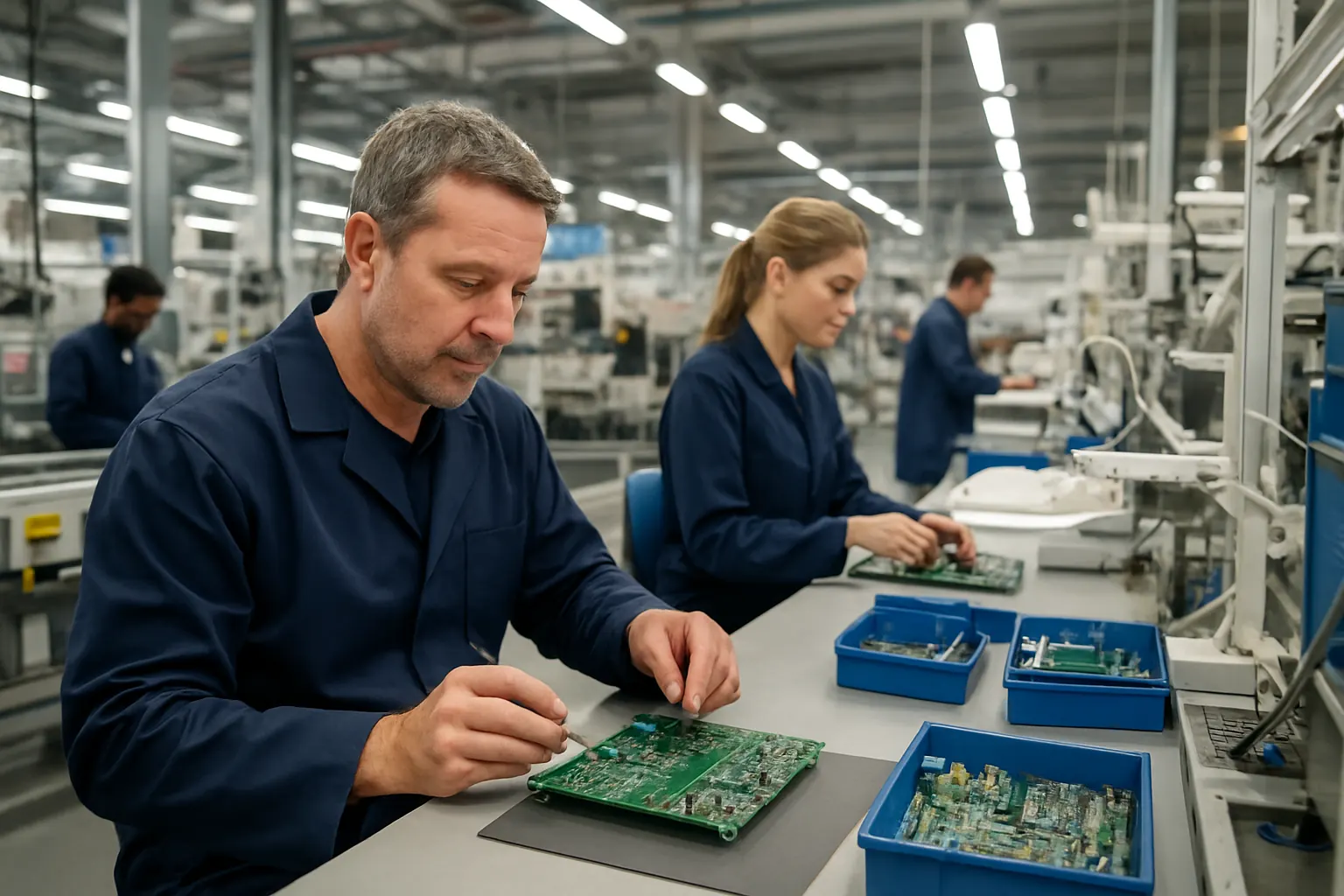
The Cost of Manual Work: Time, Errors, Compliance, Cashflow
Manual processes dominate many electronics manufacturing workflows:
- Time drains: Tracking component availability, updating production status, or collating test results manually wastes hours daily.
- Error risk: Hand-keying data invites mistakes that propagate through supply, assembly, and QA functions.
- Compliance weaknesses: Paper or spreadsheet-based quality records lack consistent audit trails, increasing regulatory exposure.
- Cashflow strain: Poor visibility into order fulfilment and inventory leads to overstocking or lost sales.
- Fragmented insights: Teams struggle to prioritise actions or identify bottlenecks without a single trusted data source.
Manual work slows decision-making when speed and accuracy are paramount. Yet replacing disconnected SaaS tools with another patchwork software suite typically fragments data further and escalates costs.
What UK manufacturers need instead: one owned, connected operating platform designed around how their production and supply teams actually work. A platform that leverages automation and selective AI capabilities — but always with clear rules, human oversight, and integration to essential external systems such as payments or communications. This approach speeds workflows, improves data reliability, enforces controls, and reduces software subscription overheads.
Below we explore five essential automations that electronics manufacturing teams must implement for operational resilience and competitive agility.
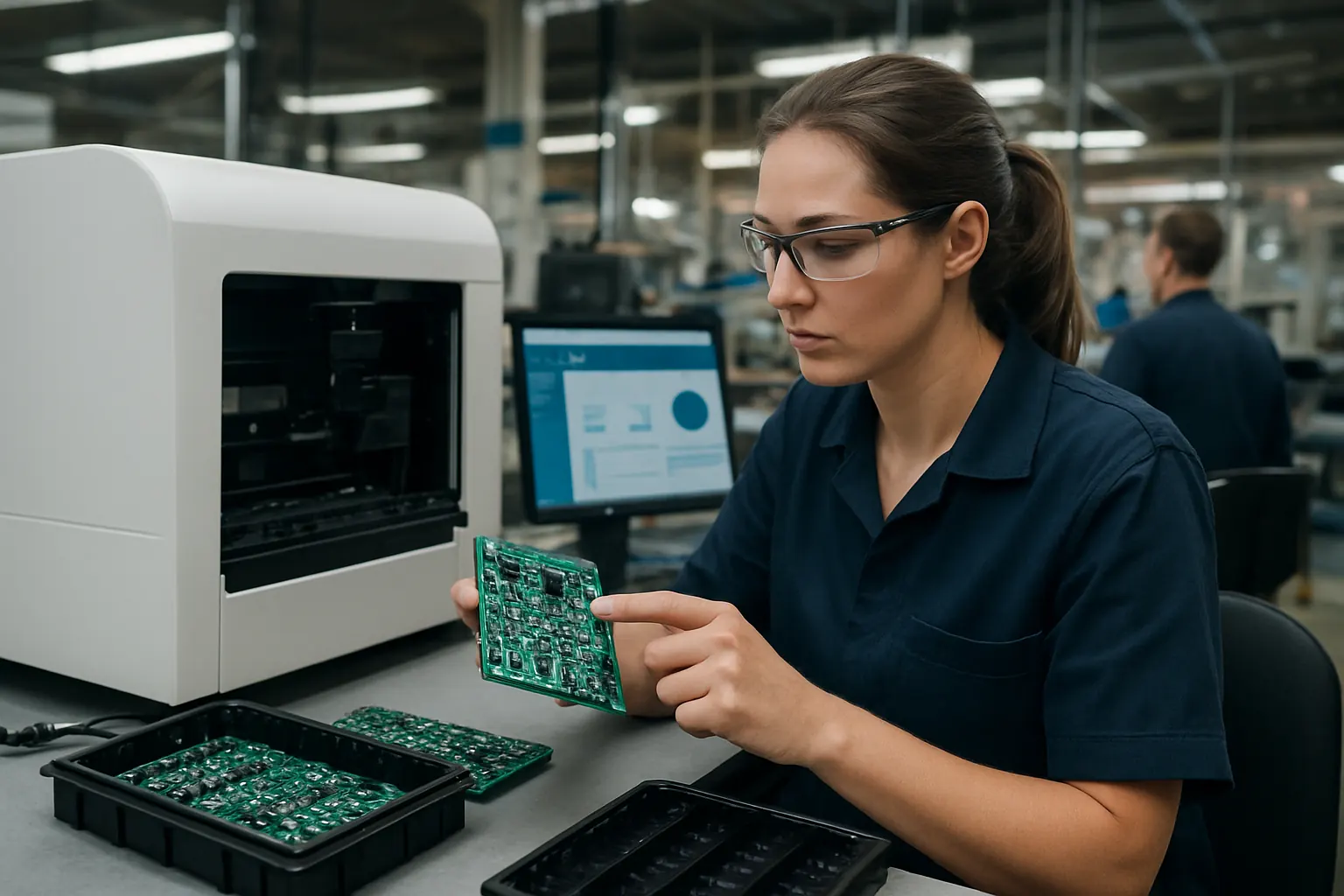
Real-Time Component Supply Tracking and Exception Alerts
The Real Daily Problem
Component shortages and vendor delays regularly disrupt production schedules. Supply data often lives in supplier portals, emails, multiple spreadsheets, or ERPs that do not sync in real time. Teams scramble to reconcile stock availability, leading to last-minute sourcing crises or production line stoppages.
The Automation/AI Approach
Automate continuous monitoring of component orders and deliveries, with exception alerts triggered for delays or shortfalls. Use rules-based logic to match incoming supplier data to production plans and flag discrepancies immediately. AI can classify supplier updates and prioritise alerts by criticality, but human teams approve final actions.
Owned Platform Pattern and Useful Integrations
Build an owned supply tracking module connected to existing procurement systems and supplier APIs where available. Replace subscription tracking tools with this central module to reduce costs and data silos. Integrate notifications via email or MS Teams for proactive communication. Specialized external payment gateways remain integrated for procurement transactions.
A Simple Implementation Example
An electronics firm configures the platform to import weekly supplier delivery records automatically. The system compares quantities against planned component usage and flags shortfalls. Notifications are sent to purchasing and production leads who can authorise alternative sourcing promptly.
Risks and Controls
Data privacy governed by supplier agreements ensures only necessary data is imported and distributed. All exception alerts and approvals create a full audit trail within the platform. Human approval is mandatory for any supplier change decisions to maintain accountability.
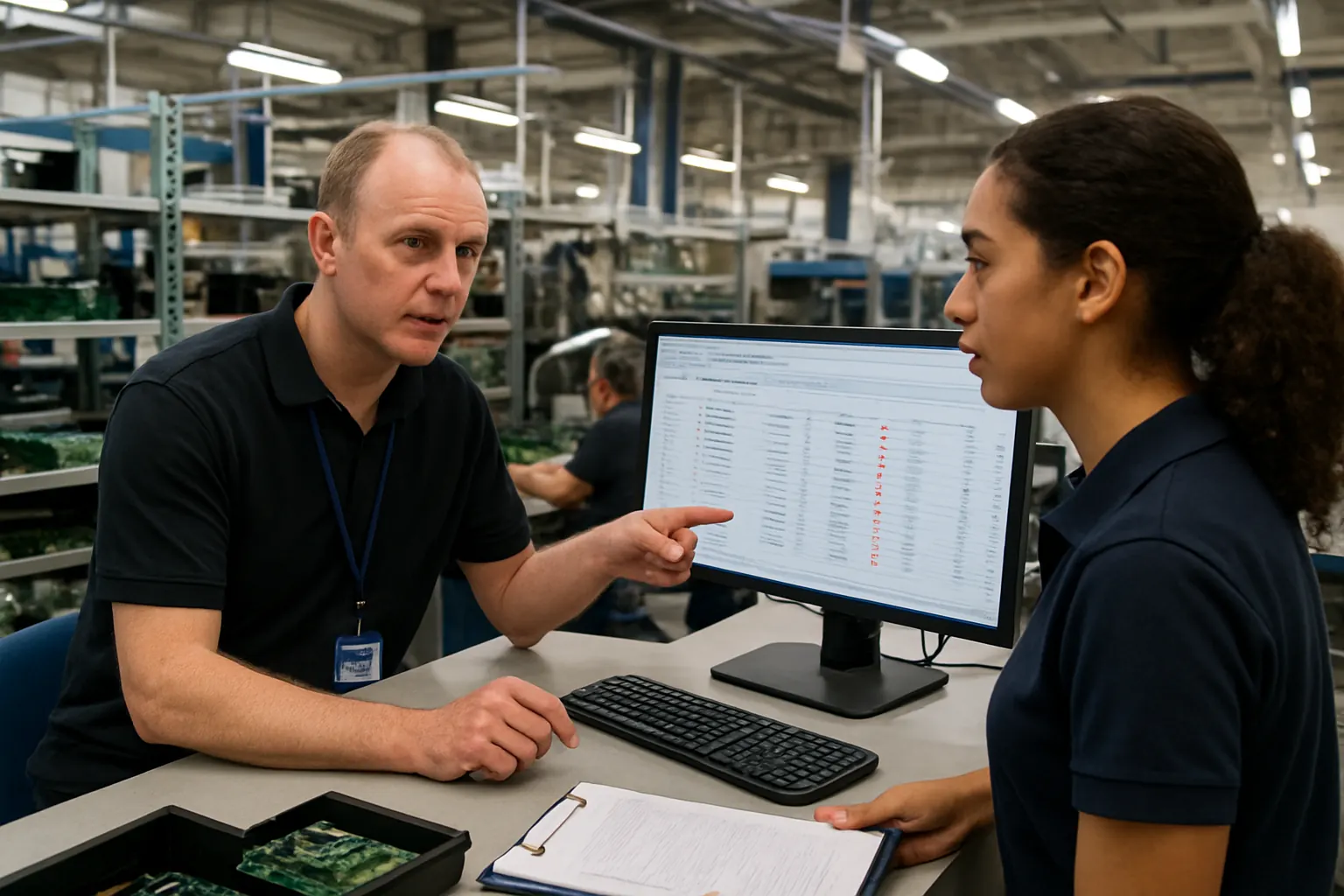
Automated Assembly Progress Dashboard and Exception Reporting
The Real Daily Problem
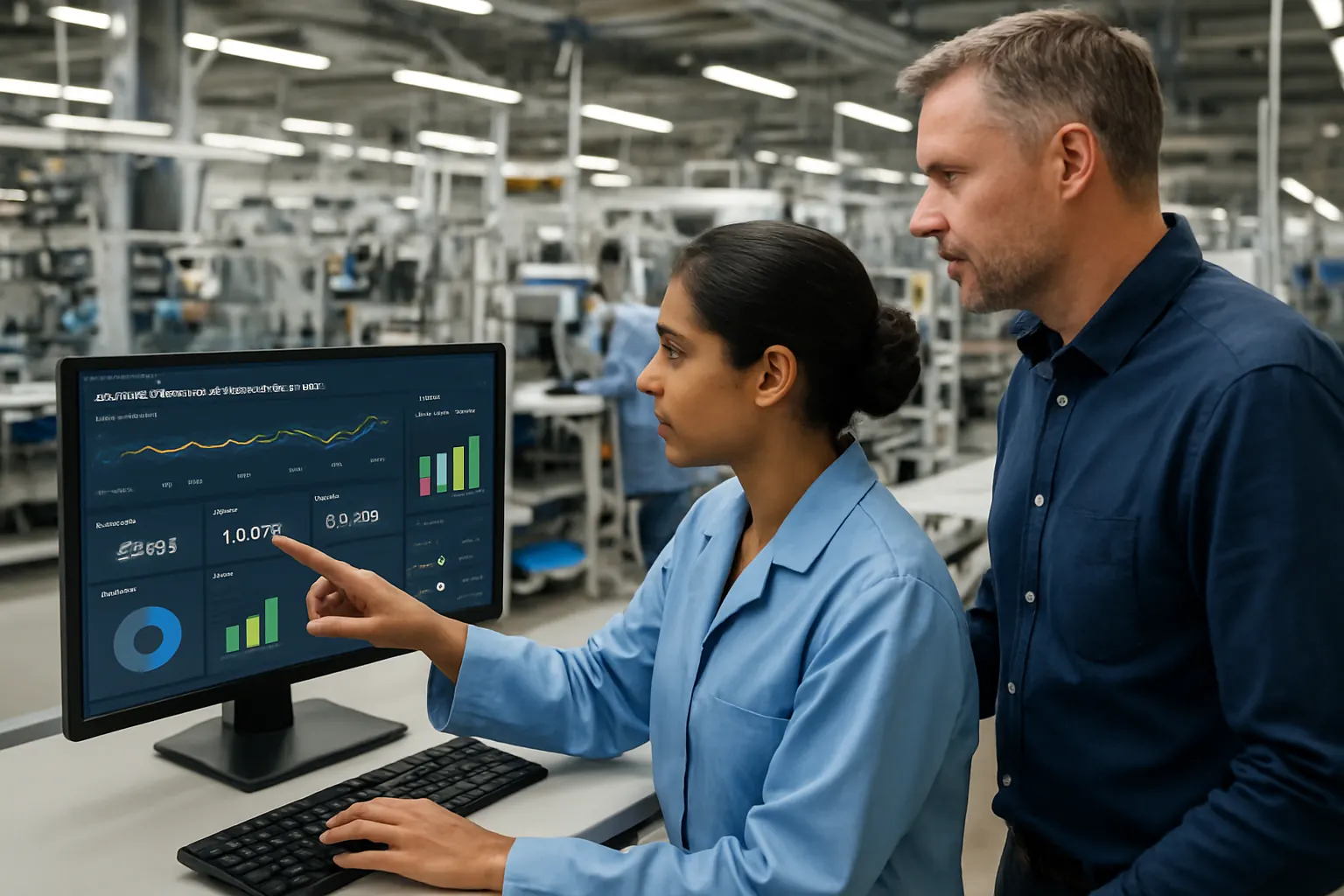
Production lines operate around the clock but lack unified visibility of real-time assembly progress. Manual updates spread across paper logs, spreadsheets, and fragmented MES systems mean delays often go unrecognised until failures occur. This undermines supply commitments and wastes effort chasing status.
The Automation/AI Approach
Implement deterministic automation to pull assembly status data from shop floor sensors and manual inputs into one connected platform dashboard. Use AI selectively to summarise exceptions—such as machines offline or delays—prioritising alerts for rapid human action.
Owned Platform Pattern and Useful Integrations
Create a platform module that consolidates assembly line statuses linked to factory MES or machine data. Replace or overlay existing MES dashboards to deliver a tailored, central production view. Integrate with scheduled maintenance software and communications services like MS Teams for real-time incident reporting.
A Simple Implementation Example
A manufacturer establishes sensors and manual checkpoints feeding into the platform’s dashboard. If an assembly line station falls behind schedule, the system sends an alert to production supervisors who then trigger corrective maintenance or resource rebalancing.
Risks and Controls
Machine access controls controlled within the platform protect against unauthorised adjustments. All status updates and issue resolutions are logged with timestamps for compliance. Human approval gates override escalations for any production changes impacting product specifications.
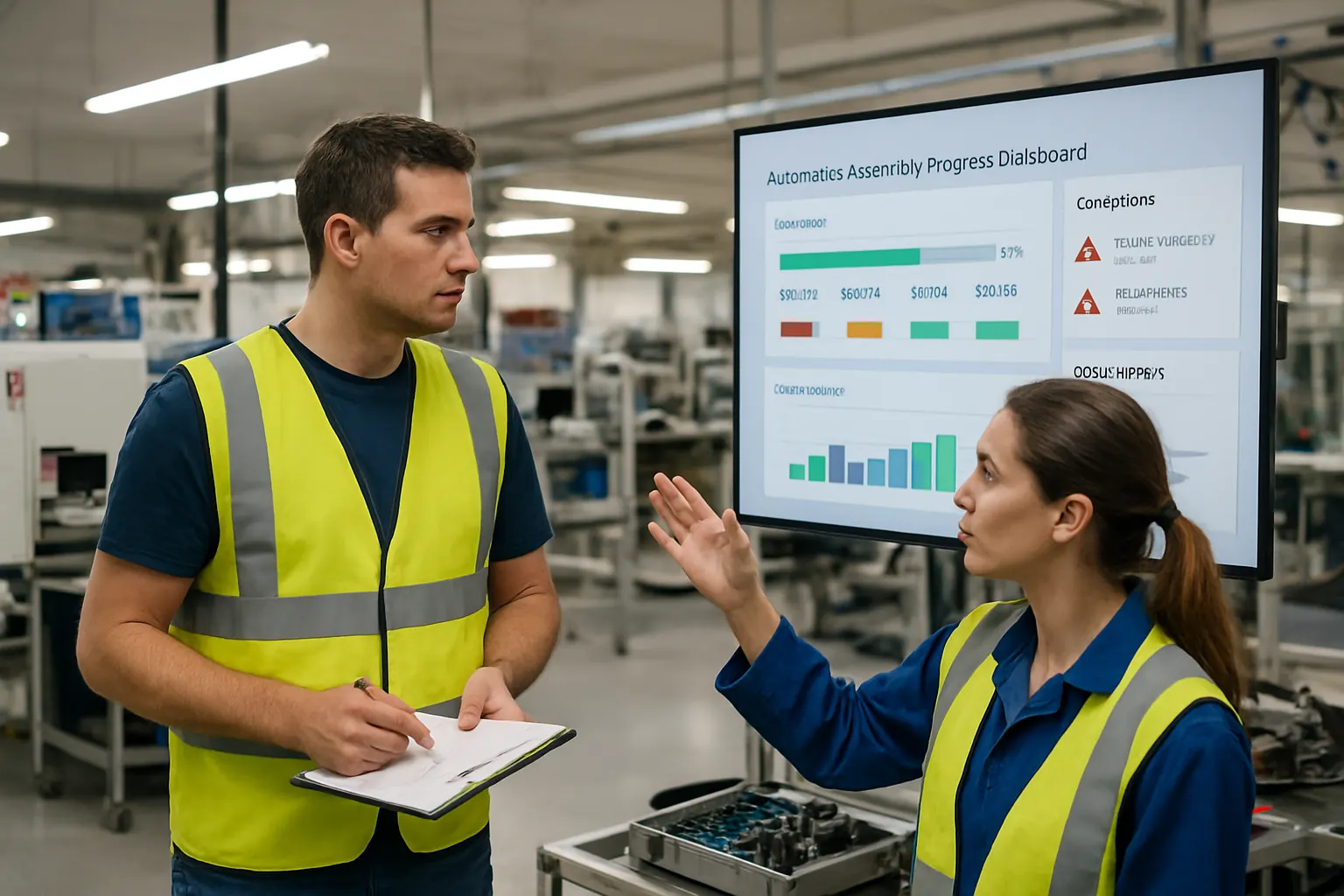
Quality Record Automation with AI-Assisted Summarisation
The Real Daily Problem
QA teams spend excessive time collating test results, inspection logs, and compliance documents across multiple systems. Manual data entry causes errors or overlooked defects, raising the risk of recalls or regulatory penalties. Quality audit preparations are onerous and prone to gaps.
The Automation/AI Approach
Automate capture and aggregation of test results and inspection data into one reliable quality record. Use AI selectively to summarise test outcomes, classify anomalies, and prioritise quality alerts for human review. Employ deterministic rules for quality gate approvals and defect classification.
Owned Platform Pattern and Useful Integrations
Develop a quality management module within the platform replacing spreadsheet and disconnected QA tools. Interface with production test equipment and ERP quality flags for automatic data feed. Integrate document storage and reporting tools internally, minimising external software subscriptions.
A Simple Implementation Example
QA staff use the platform to upload test data directly from testing machines. The system highlights components failing acceptance thresholds and alerts quality engineers who review and approve remediation steps within the same interface.
Risks and Controls
Quality record data stored under strict security and GDPR protocols. Change approval workflows built into the platform ensure no QA record changes bypass documented authorisation. Full audit trails support future audits and defect traceability.

Maintenance Scheduling and Automated Work Order Generation
The Real Daily Problem
Unplanned equipment downtime causes costly disruptions. Maintenance scheduling often relies on manual calendars or disconnected spreadsheets prone to neglect or delays. Work order creation and tracking are inefficient, hampering rapid resolution and compliance documentation.
The Automation/AI Approach
Use deterministic rules based on machine runtime, test outcomes, or operator input to trigger maintenance work orders automatically. AI can help classify the severity and type of maintenance required, prioritising critical tasks for human oversight.
Owned Platform Pattern and Useful Integrations
Add a maintenance module connected to the assembly dashboard and quality data streams. Replace paper/e-mail order processing with platform-based task creation, assignment, and status tracking. Integrate with calendar and communication services internally to coordinate teams efficiently.
A Simple Implementation Example
After a test failure on an assembly machine, the platform generates a maintenance work order automatically. The assigned technician acknowledges the task via the platform, updates progress, and logs the fix, feeding data back into production readiness status.
Risks and Controls
Access controls limit work order creation and approval authority to qualified personnel. The audit trail records all maintenance actions for compliance and continuous improvement. Human approval remains required for major maintenance decisions or budgeted repairs.

Centralised Inventory and Cashflow Dashboard Integration
The Real Daily Problem
Inventory fluctuations and unpredictable demand create cashflow pressures. Fragmented data across ERPs, procurement, sales, and finance systems make it difficult to forecast liquidity needs or optimise stock holdings. Manual reconciliations delay critical financial decisions.
The Automation/AI Approach
Automate the consolidation of inventory levels, outstanding orders, and sales forecasts into a single operational cashflow dashboard. Use AI summarisation to prioritise key variances or stock ageing alerts; deterministic rules govern reorder points and financial approvals.
Owned Platform Pattern and Useful Integrations
Create an owned inventory and cashflow dashboard module that pulls data from existing ERP and financial systems via secure APIs. Replace duplicate forecasting tools with this unified interface focused on production realities. Integrate with payment gateways for real-time cashflow tracking.
A Simple Implementation Example
Procurement data, stock movements, and sales orders feed into a single dashboard updated in real time. Finance teams receive automated alerts if inventory exceeds thresholds risking cashflow constraints, enabling timely purchasing or sales decisions.
Risks and Controls
Strict data governance ensures financial data privacy under UK regulations. Platform permissions restrict financial approvals to authorised personnel only. Comprehensive audit logs maintain a verifiable transaction history for external review.
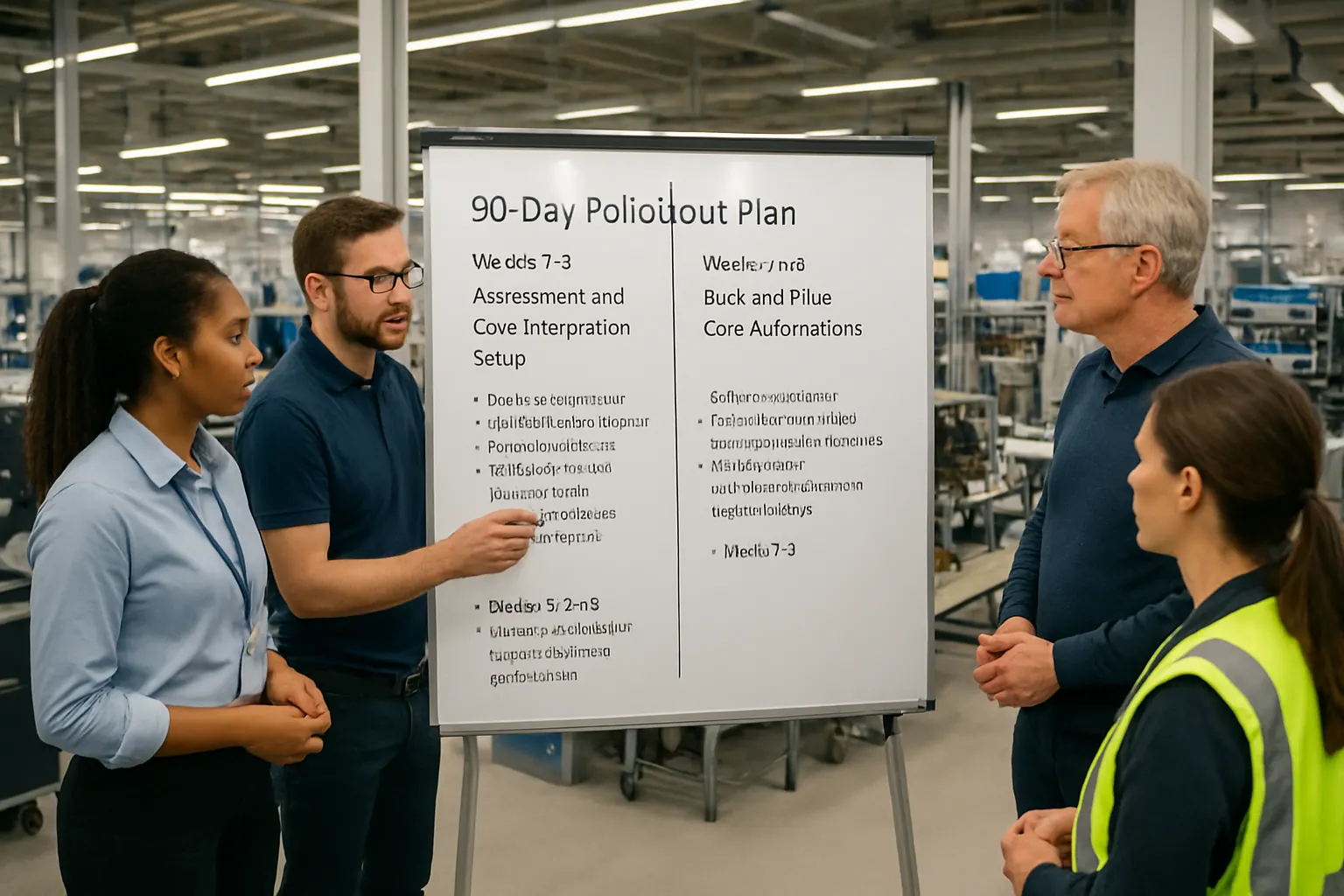
90-Day Rollout Plan
Weeks 1–2: Assessment and Core Integration Setup
- Analyse current workflows, pain points, and existing systems.
- Define data sources and integration points for key modules.
- Deploy the owned platform base and configure core user roles.
Weeks 3–6: Build and Pilot Core Automations
- Develop component supply tracking and assembly dashboard modules.
- Integrate notification systems and external specialist tools.
- Pilot with production and procurement teams, gather feedback.
Weeks 7–12: Extend and Optimise with QA, Maintenance, Cashflow
- Deploy quality record automation and maintenance scheduling.
- Implement centralised inventory and cashflow dashboards.
- Train users, establish approval workflows, and fine-tune AI assistance.
- Stabilise operations with full audit trails and risk controls.
How AI Implementation UK Connects, Replaces and Automates Operations
AI Implementation UK delivers a connected operating platform uniquely built around how your electronics manufacturing business works—not forcing generic software onto your processes. Our approach focuses on:
- Connection: Integrate your valuable existing systems—ERPs, procurement portals, MES, test equipment—with a platform that unifies data into one reliable record.
- Replacement: Eliminate avoidable subscriptions by embedding owned modules directly supporting procurement tracking, assembly progress, quality management, maintenance scheduling and cashflow monitoring.
- Automation: Use deterministic rules and selective AI to automate routine data processing, classification, alerts and reporting while maintaining human control over critical decisions.
- Tailored dashboards: Visualise real-time operational status in one place customised to your supply chain and production flows.
- Risk management: Build in privacy controls, change approval workflows, machine access restrictions and a comprehensive audit trail to maintain compliance and quality assurance.
This single platform that you own empowers UK electronics manufacturers to reduce manual errors, improve operational agility, accelerate decision-making, and future-proof against evolving industry pressures—all without the overhead of managing multiple disconnected tools.
Partnering with AI Implementation UK means gaining a scalable technology foundation that supports growth through automation, not complexity. Our proven 90-day rollout ensures fast, practical adoption focused on delivering tangible production and supply chain improvements from day one.
In today’s challenging electronics manufacturing environment, operational resilience is not optional. It requires automation strategies built on a connected, owned platform aligned to how your business truly works—precisely what we deliver. Let us help you build the foundation for performance excellence in 2026 and beyond.