
Cybersecurity consultancies are facing growing operational friction every single day. Manual assessments dominate workflows, creating bottlenecks. Engineers and analysts spend hours juggling fragmented systems — spreadsheets, emails, tic...
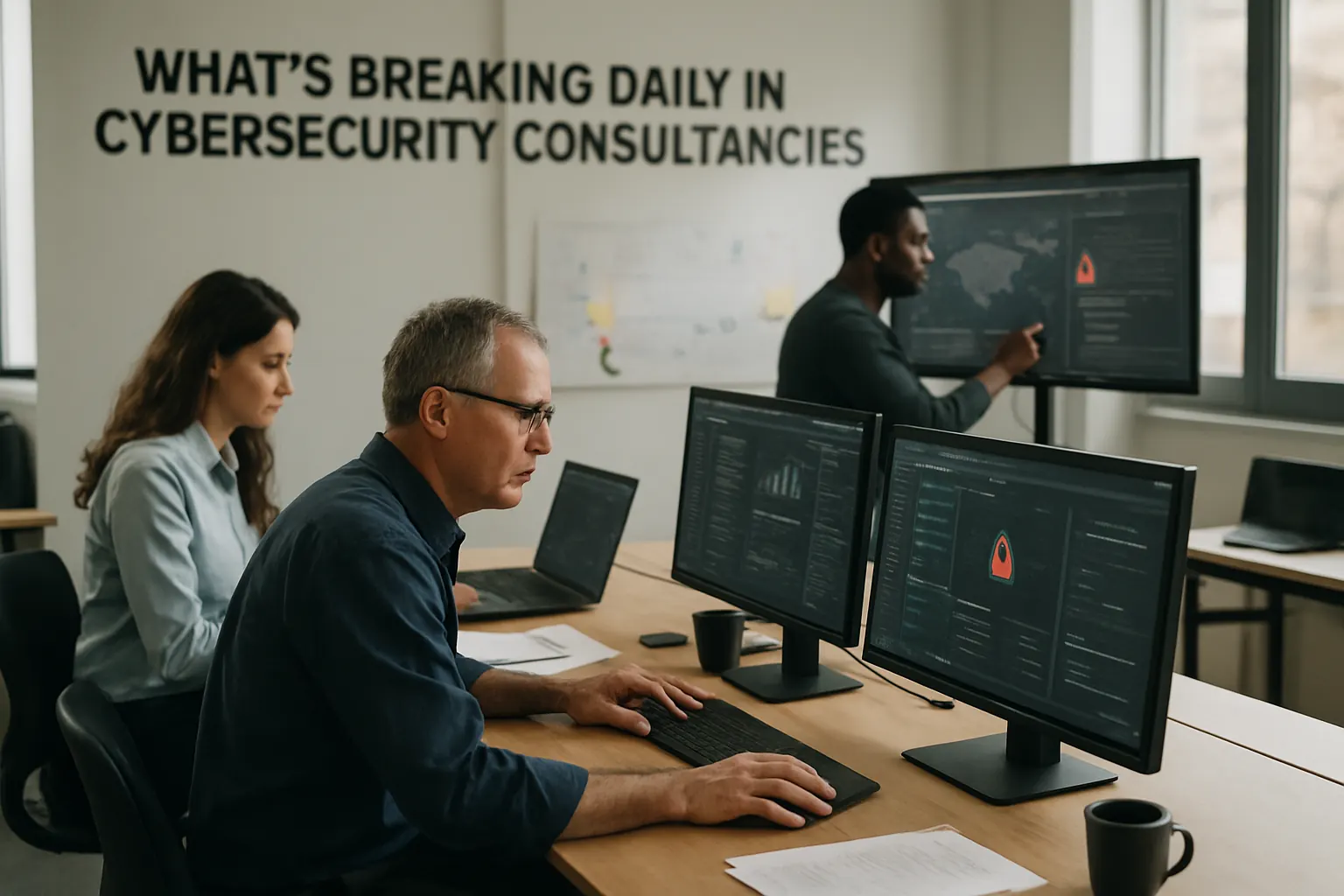
What’s Breaking Daily in Cybersecurity Consultancies
Cybersecurity consultancies are facing growing operational friction every single day. Manual assessments dominate workflows, creating bottlenecks. Engineers and analysts spend hours juggling fragmented systems — spreadsheets, emails, ticketing tools, and siloed reports — all of which are disconnected and prone to error. These patchwork processes lead to duplicated efforts, missed risks, and slowed service delivery. They hinder the ability to scale operations efficiently, delaying remediation tasks and extending project timelines.
Client expectations only add pressure. With increasing demand for continuous monitoring and live risk data, static reports produced a few times a year are no longer sufficient. The need for seamless approval workflows, secure evidence management, and rapid project status updates further complications. Without a central, reliable operational platform, consultancies struggle to manage IP protection, client data separation, and audit requirements effectively.
The Cost of Manual Work: Time, Errors, Compliance, Cashflow
The fractured workflows in most cybersecurity consultancies come at a high price:
- Time lost: Reports suggest consultants waste over 30% of their available time on mundane administration, ticket triage, and data collation.
- Errors introduced: Manual transcription and duplicated data entry increase risk of errors, which can compromise compliance and quality.
- Compliance risk: Inconsistent record-keeping and client approval processes leave consultancies exposed to non-compliance and audit failures.
- Cashflow impact: Project delays from manual bottlenecks slow invoicing and erode margins, making it harder to scale profitably.
Without tightly integrated tools and automation designed around the real way teams work, these costs accumulate daily. Here’s how cybersecurity consultancies can systematically automate, simplify, and control their operations with a single, owned operating platform.

Automated Ticket Triage and Prioritisation
The real daily problem
Engineers spend valuable hours reviewing incoming service tickets, searching logs, assessing ticket sentiment and context, then manually assigning priority and ownership. This process is slow and inconsistent, allowing critical issues to slip through and wasting skilled resource time.
The automation/AI approach
AI selectively assists with classification and prioritisation based on ticket content and historical data. Deterministic rules apply to clearly defined criteria (e.g., client SLAs, ticket type), while higher complexity tickets trigger human review and approval.
Owned platform pattern and useful integrations
A connected platform ingests tickets from existing tools (e.g., Jira, ServiceNow) and chat/email systems, applying AI-based triage modules within a single dashboard. Specialist integrations retain external frameworks only where needed (e.g., payment gateways or email delivery).
A simple implementation example
An AI module flags tickets containing keywords indicating a critical vulnerability, auto-escalating them to senior analysts while routing routine requests to the service desk. Managers track patterns through real-time dashboards.
Risks and controls
Client data separation is enforced at ingestion, and all triage decisions require human validation for final assignments. Full audit trails document who reviewed and approved ticket prioritisation to ensure compliance.

Streamlined Security Assessment Scheduling
The real daily problem
Scheduling assessments across multiple clients and consultants is a manual chore, relying on email coordination and spreadsheets that breed conflicts and double-bookings.
The automation/AI approach
Rule-driven scheduling algorithms consider consultant availability, client priorities, and resource requirements. AI assists with resolving conflicts and proposing the optimal schedule based on historical project durations.
Owned platform pattern and useful integrations
The central platform connects with calendar providers (Microsoft 365, Google Calendar) and current CRM systems, embedding scheduling inside the owned workflow module to replace external apps and reduce subscriptions.
A simple implementation example
A consultancy automatically generates monthly assessment calendars, notifying consultants of updates and linking bookings directly to project and ticket records for seamless tracking.
Risks and controls
Access controls prevent cross-client schedule visibility, and manual override options ensure human decision-making for urgent or exceptional bookings. An audit log tracks changes and communications.

Centralised Evidence and Report Management
The real daily problem
Evidence collected during assessments is often dispersed across teams in emails, shared drives or disparate tools, increasing risk of loss, version confusion, and breaches.
The automation/AI approach
A central repository auto-tags and organises evidence by client, project, and task. NLP modules assist in summarising large documents and flagging sensitive content for review.
Owned platform pattern and useful integrations
The platform includes built-in content management, replacing multiple subscriptions, while integrating securely with document-signing tools and client portals for approval workflows.
A simple implementation example
Upload of vulnerability scan results triggers automated classification and summarisation, with flagged items sent to project leads for release approval before inclusion in client reports.
Risks and controls
Data encryption and client-specific folders ensure confidentiality. Release workflows require multi-step human authorisation with time-stamped audit trails to protect IP and client data privacy.

Automated Project Status Reporting
The real daily problem
Status reporting is currently manual and inconsistent—project managers compile emails and spreadsheets, causing delays and reducing clarity for clients and internal stakeholders.
The automation/AI approach
Deterministic logic collates progress data across project phases and tasks, while AI synthesises summaries of anomalies or delays for inclusion in reports.
Owned platform pattern and useful integrations
The platform combines project management, ticketing, and document modules to generate live dashboards and export formal status reports, reducing reliance on multiple third-party tools.
A simple implementation example
Clients access a tailored dashboard showing live remediation status, risk trends and upcoming milestones, with automated weekly report emails generated from the platform.
Risks and controls
Access permissions limit client visibility to their own projects. All report generation is logged, with human editing before publication to maintain accuracy and compliance.

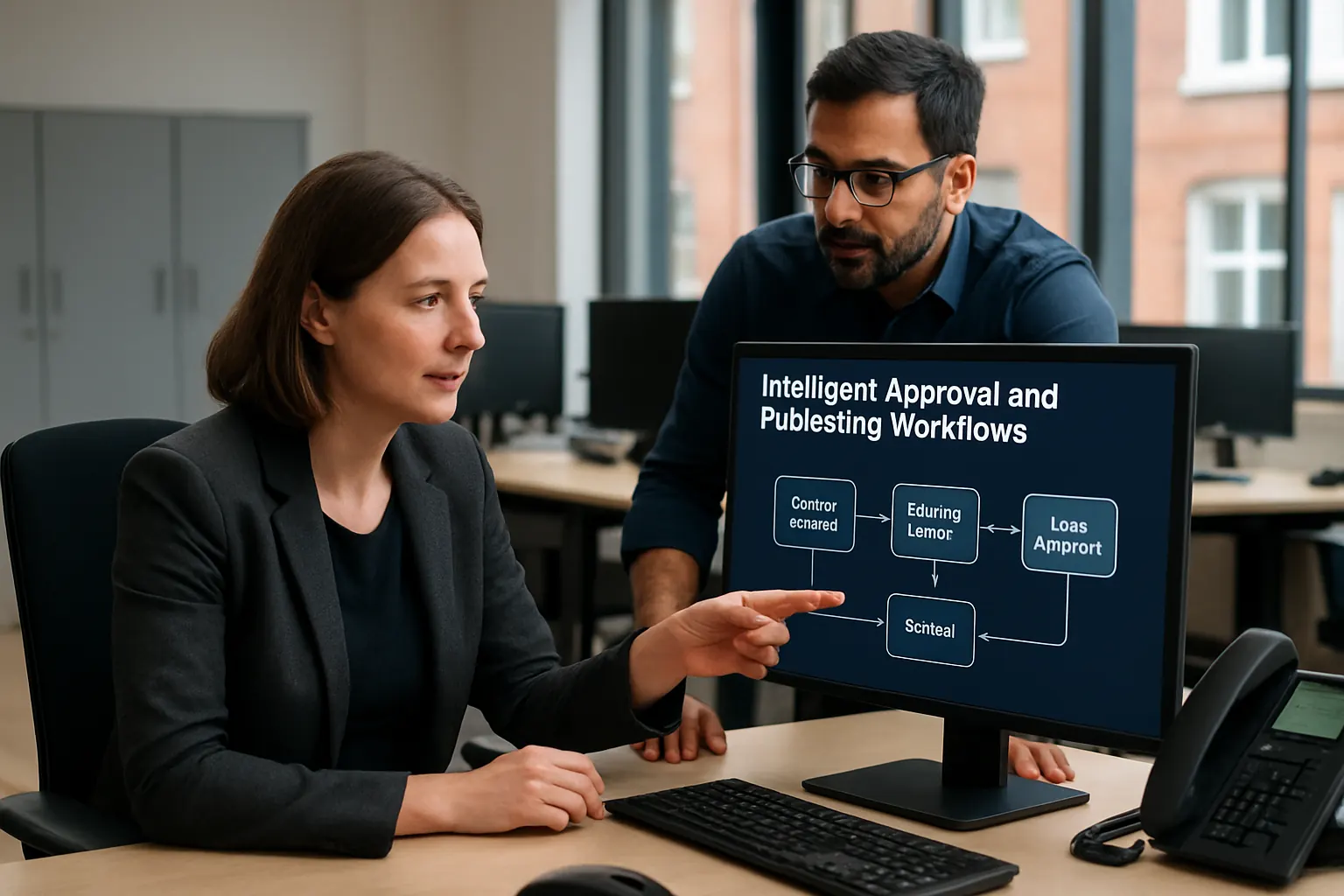
Intelligent Approval and Publishing Workflows
The real daily problem
Approval cycles for deliverables and reports are fragmented, handled across multiple emails and tools, slowing client communication and risking miscommunication or unauthorised information release.
The automation/AI approach
Structured workflows automate routing of draft documents for internal review, client sign-off, and legal approval, with AI-based reminders and prioritisation to keep processes on track.
Owned platform pattern and useful integrations
The platform’s native workflow engine replaces disconnected approval tools, integrating with secure client portals and digital signature providers for seamless publishing.
A simple implementation example
A draft remediation report triggers a workflow alerting assigned reviewers, with an embedded tracker that shows current approval stage and pending sign-offs for all stakeholders.
Risks and controls
Role-based access control ensures only authorised personnel can approve or publish content. A full audit trail records every action and comment for transparency and compliance.
Automatic Compliance Checklist Generation
The real daily problem
Consultancies create compliance checklists manually for each client and project, a time-consuming process prone to error and inconsistency.
The automation/AI approach
Templates driven by deterministic rules generate compliance checklists aligned to specific standards (e.g., ISO27001, GDPR), adjusted dynamically based on client requirements.
Owned platform pattern and useful integrations
Checklists are managed within the platform, connecting to risk and ticketing modules to track remediation progress, eliminating the need for external checklists stored separately.
A simple implementation example
Upon project initiation, a compliance checklist tailored to the client’s sector and contract is populated automatically, with clear visibility of outstanding remediation items.
Risks and controls
Modification of checklist templates requires authorised administrators. Checklist status updates are logged to preserve the audit trail necessary for client and regulator scrutiny.

Secure Data Separation by Client
The real daily problem
Multiple clients’ data stored inadequately on shared tools can lead to accidental data leaks or IP mixing.
The automation/AI approach
The platform enforces strict data segmentation by design, ensuring that data for each client is logically and physically separated.
Owned platform pattern and useful integrations
Data separation is baked into the platform’s architecture, with role-based access and encryption rather than relying on fragile manual controls typical in multi-tenant SaaS environments.
A simple implementation example
Each client’s project workspace operates as a fenced environment within the platform, visible only to authorised users aligned with that client.
Risks and controls
Periodic security audits validate access controls; automatic logging tracks any cross-client data access attempts, triggering alerts.

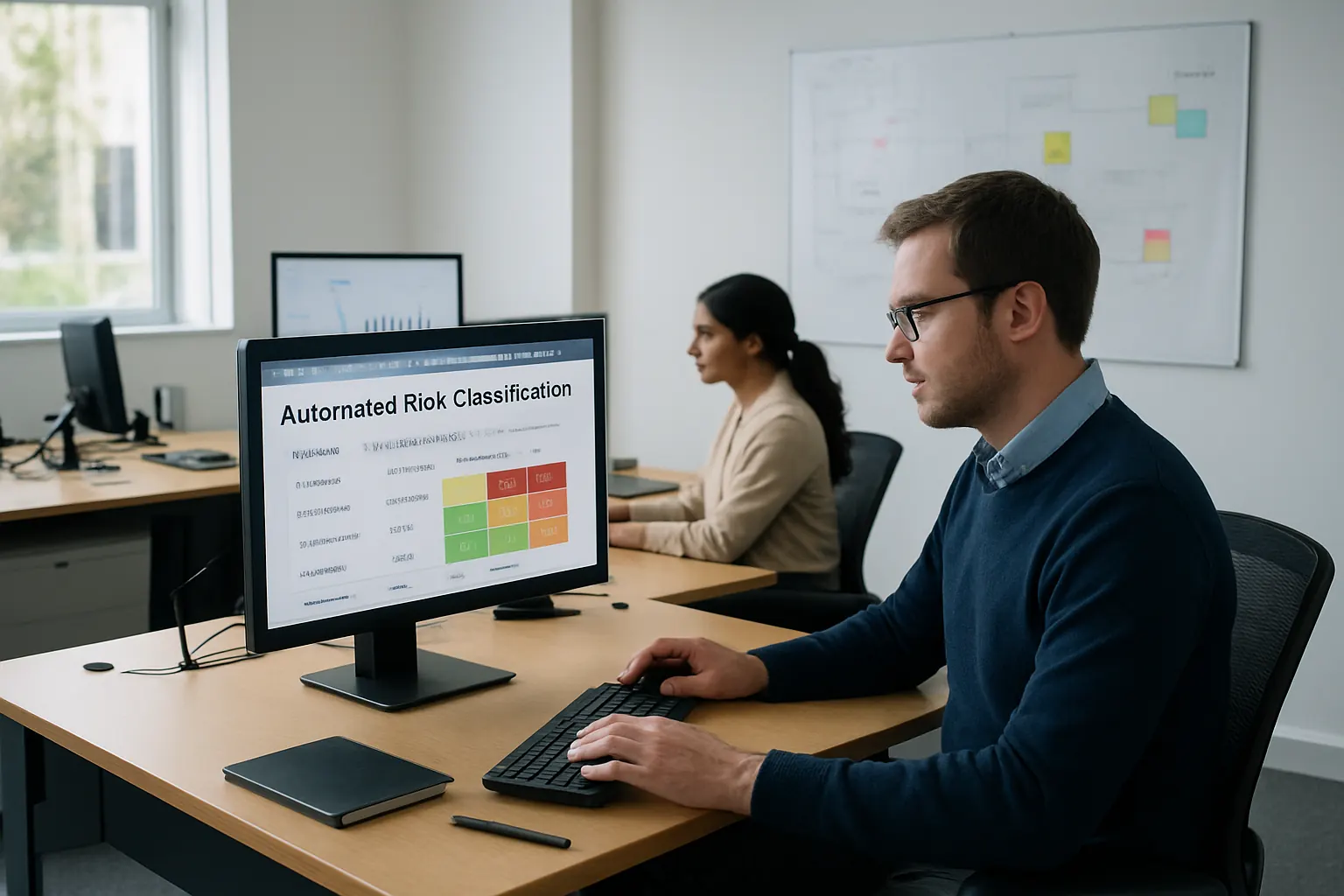
Automated Risk Classification and Prioritisation
The real daily problem
Risk assessment is often subjective and inconsistent, with manual classification affecting remediation prioritisation and client communication.
The automation/AI approach
AI models classify risks based on severity, exploitability, and potential impact, standardising prioritisation while highlighting cases needing human validation.
Owned platform pattern and useful integrations
Risk classification modules link directly to ticketing and reporting modules in the owned platform, replacing disjointed analysis spreadsheets.
A simple implementation example
Detection of a high-severity vulnerability triggers automated ticket escalation and recommended remediation timelines, which are reviewed and finalised by analysts.
Risks and controls
Classification decisions require human sign-off before action. Detailed audit logs capture AI recommendations, analyst comments and final decisions for compliance.
Real-Time Collaboration and Communication Hub
The real daily problem
Teams communicate across multiple channels — email, Slack, WhatsApp — causing loss of information, miscommunication, and inefficient knowledge sharing.
The automation/AI approach
A purpose-built collaboration module consolidates messages, document sharing, and alerts, archiving communications within project contexts and providing AI summarisation for long discussions.
Owned platform pattern and useful integrations
The platform embeds collaboration tools fully integrated with project and ticket data, while allowing selective integration only with specialist communication platforms like Twilio for client messaging.
A simple implementation example
Project-related messages are automatically grouped and summarised daily, enabling managers to capture key discussion points without reading long conversation threads.
Risks and controls
All communication is encrypted and logged. Access is strictly controlled by role and project association, supporting regulatory and contractual confidentiality requirements.

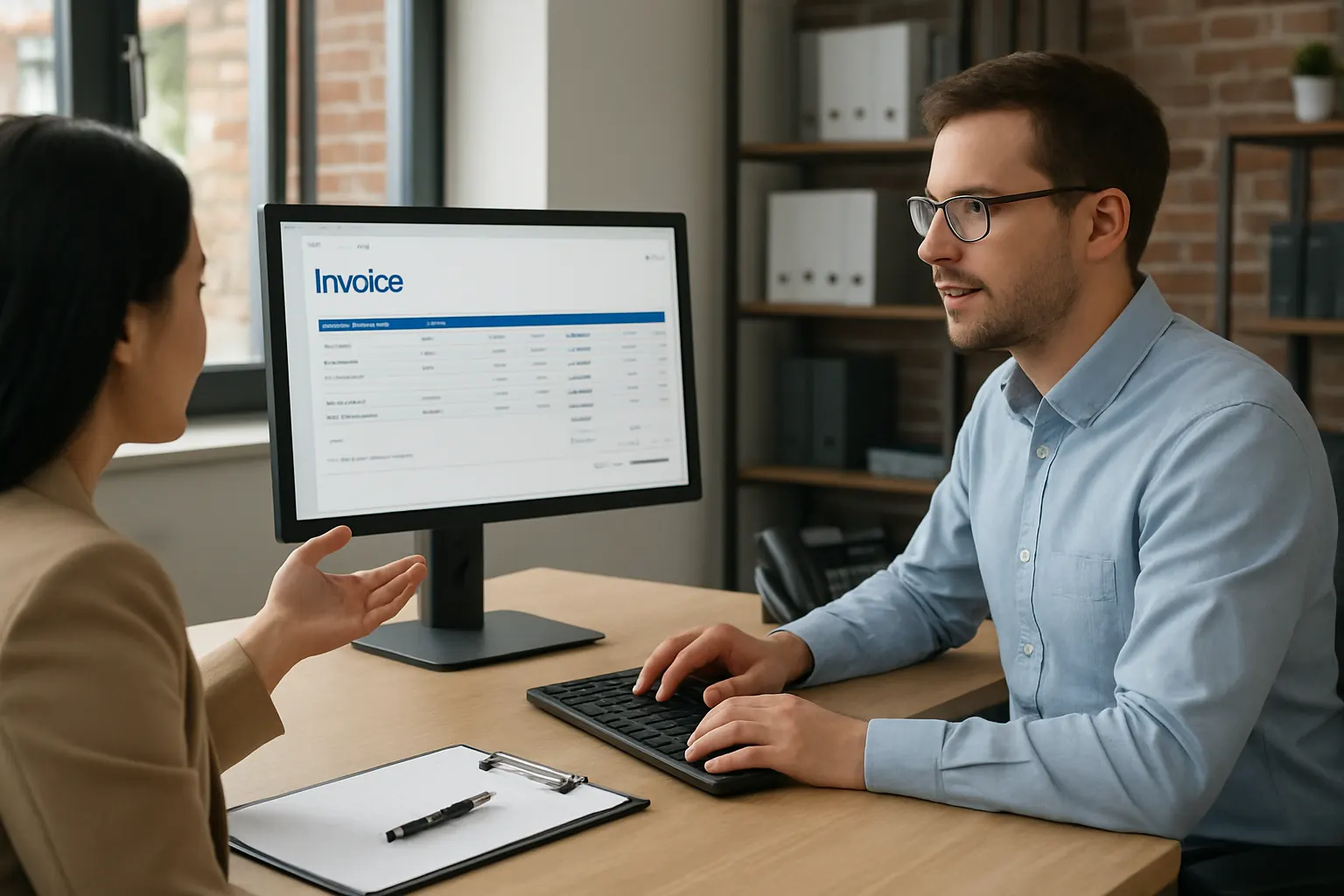
Automated Invoicing Preparation and Tracking
The real daily problem
Manual invoicing preparation involves cross-referencing time logs, project milestones, and approval dates, often resulting in delays and disputes.
The automation/AI approach
Data-driven invoicing modules pull information directly from project and ticket records, using deterministic rules for billing milestones and client-specific pricing.
Owned platform pattern and useful integrations
The platform links to accounting or enterprise resource planning (ERP) tools for final invoicing, minimizing manual transcription and improving cashflow predictability.
A simple implementation example
At project closure, billing details are automatically compiled and routed to finance teams, with dashboards tracking outstanding invoices and payments by client.
Risks and controls
Invoicing data visibility is restricted by finance role. Audit logs track invoice generation, adjustments, approvals, and payment reconciliation to comply with financial regulations.
90-Day Rollout Plan for Platform Implementation
Weeks 1–2: Assessment and Planning
- Conduct detailed process mapping to identify key workflows and pain points.
- Inventory current IT assets, software subscriptions and integration points.
- Define data segregation, approval and compliance requirements.
- Agree on platform scope, integrations, and modular rollouts.
Weeks 3–6: Core Platform Deployment and Integration
- Deploy core platform modules focusing on ticket triage, scheduling and evidence management.
- Start integration with existing systems like calendars, CRM, payment gateways.
- Move manual checklists and reporting templates into the platform.
- Train selected teams on new workflows and user interfaces.
Weeks 7–12: Expansion, Automation and Optimisation
- Roll out collaboration, risk classification and approval workflow modules.
- Introduce AI assistance for classification, summarisation, reminder alerts.
- Migrate remaining manual tasks such as invoicing preparation and compliance tracking.
- Conduct audits, review performance metrics, and refine automation rules and controls.

How AI Implementation UK Connects, Replaces and Automates Your Entire Operation
At AI Implementation UK, we don’t offer isolated tools or a patchwork of point solutions. Instead, we deliver one connected and owned operating platform designed specifically around how your cybersecurity consultancy works—from assessments to remediation, evidence handling to reporting.
Our platform enables you to connect current systems you trust, replace avoidable software subscriptions with tailored modules you control, and bring your operational data into one single source of truth. This ensures seamless workflows, real-time data reliability and comprehensive audit trails.
AI is applied thoughtfully, assisting tasks like classification, summarisation, prioritisation and decision support where variability and complexity demand it. Predictable routine tasks run on deterministic rules, with every crucial client-facing or IP-sensitive decision retaining human approval.
We integrate only specialist external services (e.g., payments, messaging) where necessary, ensuring your core operation remains owned, secure and scalable. This approach reduces costs, improves accuracy, speeds up delivery, and safeguards compliance.
By partnering with AI Implementation UK, your consultancy gains a future-proof, integrated platform that automates critical daily admin, cuts errors, protects sensitive data and enables your experts to focus on what they do best—delivering cybersecurity excellence.