
5 How To Automations Every Hospitality Restaurant Business Should Set Up Running a restaurant today is an intricate balancing act. Behind the scenes, managers juggle everything from stock levels, staff schedules, menu updates, and compli...
What’s Breaking Daily in Hospitality Restaurants?
5 How-To Automations Every Hospitality Restaurant Business Should Set Up
Running a restaurant today is an intricate balancing act. Behind the scenes, managers juggle everything from stock levels, staff schedules, menu updates, and compliance demands to customer service flow and financial controls. Yet, many hospitality businesses, particularly restaurants, remain hamstrung by legacy manual processes—mostly relying on spreadsheets to manage critical data.
The result? Recurrent breakdowns in daily operations: inventory errors, delayed orders, inconsistent menu pricing, unexpected waste, GDPR compliance risks, and ultimately, leakage of profits. Add multi-site complexity and the risk multiplies.
The hospitality sector needs efficiency rooted in real-time insight and automation. Without it, painstaking manual data entry, siloed systems, and disconnected workflows will continue to erode margins, frustrate teams, and confuse customers.

The Cost of Manual Work: Time, Errors, Compliance, and Cashflow
Depending on manual data processes in hospitality presents four significant costs:
-
Time: Managers can spend hours upon hours just updating spreadsheets, pivoting data, or reconciling stock discrepancies instead of focusing on guest experience and strategic decisions.
-
Errors: Manual input and formula misconfigurations introduce errors. One misplaced decimal or forgotten modifier can skew stock reports, lead to erroneous orders, or cause financial misstatements.
-
Compliance Risks: GDPR and food safety regulations require accurate, auditable data handling. Spreadsheets often lack adequate control, risking privacy breaches, regulatory fines, and bad publicity.
-
Cashflow Drain: Errors and delays cascade into overordering, spoilage, overlooked discounts or promotions, and inaccurate payroll—all bleeding cash quietly but relentlessly.
To compete and grow, restaurants must automate their data integrations and workflows — ensuring accuracy, real-time visibility, and scalability across locations.

Automate Stock and Waste Tracking
The Daily Problem:
Manual stocktaking with pen, paper, or spreadsheets is slow and prone to errors. Waste often goes unrecorded or underreported, inflating costs and reducing profitability.
The Automation/AI Approach:
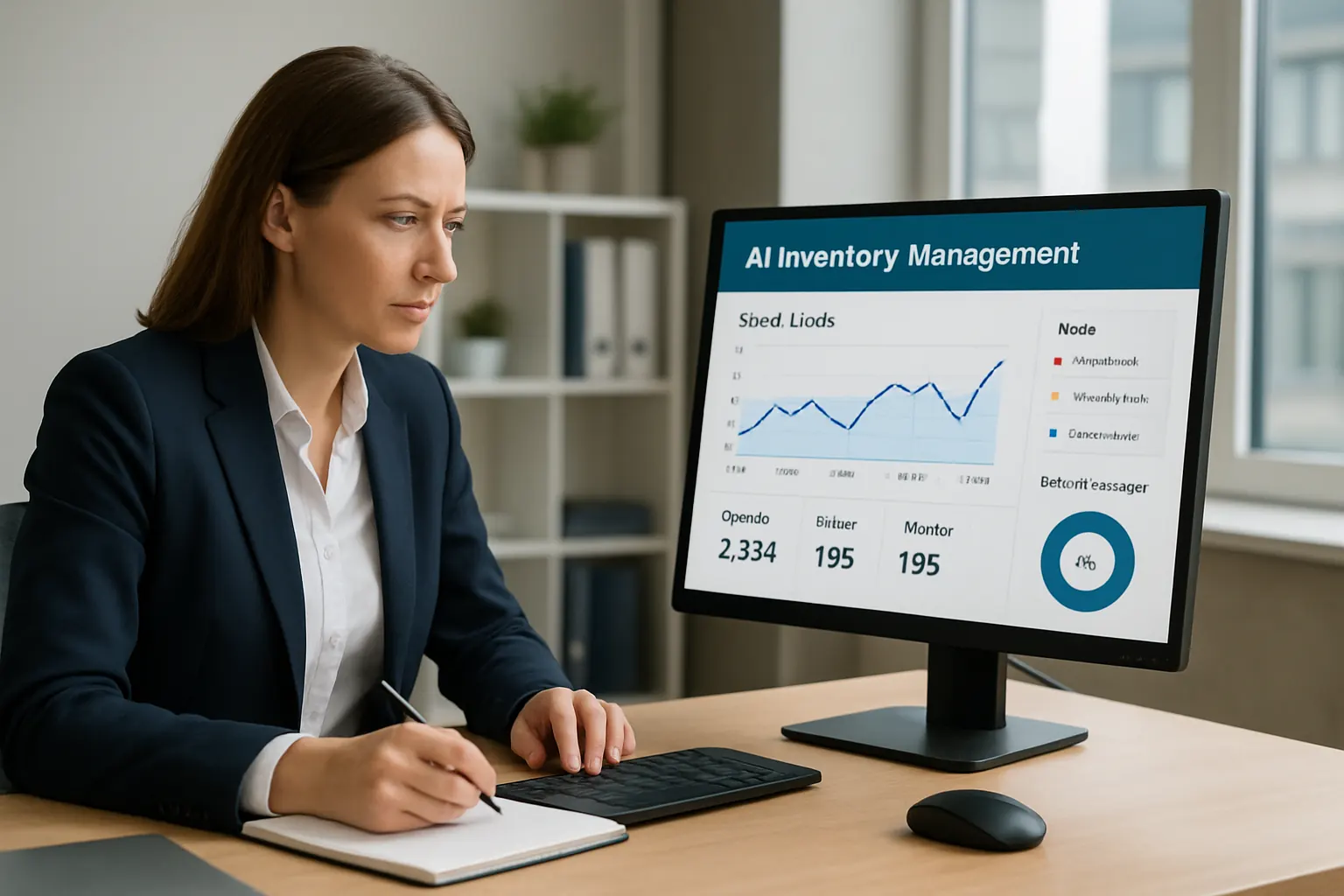
Use AI-powered inventory management systems integrated with POS (Point of Sale) data to automatically track stock withdrawal and flag waste in real-time. AI models analyse patterns to predict optimal ordering and reduce spoilage.
Suggested Tools/System Pattern:
- Cloud-based inventory software with built-in waste tracking
- POS integration for automatic deduction of sold items
- Barcode or RFID scanning for stock accuracy
- AI-driven forecasting engines for order optimisation
Implementation Example:
A multi-site restaurant adopts an automated inventory platform linked with its POS. When an item is sold, the system deducts stock accordingly. Staff input waste reasons via mobile app. AI analyses waste reports weekly, recommending adjustments, preventing overstocking or expiry.
Risks/Controls:
- Ensure data privacy via secure cloud platforms compliant with GDPR
- Introduce staff approval steps for waste entries to deter misuse
- Maintain audit trails for all stock movements to support internal controls and inspections
Automate Menu Engineering and Pricing Optimisation
The Daily Problem:
Pricing menus manually based on intuition or outdated data can hurt margins. Frequent price changes across multiple sites are operationally complex and prone to inconsistency.
The Automation/AI Approach:
Leverage machine learning algorithms to analyse sales, cost, and competitor pricing data automatically, identifying profitable item mixes and optimal prices to maximise revenue.
Suggested Tools/System Pattern:
- Menu management software with AI analytics
- Integration with POS sales data and supplier pricing feeds
- Cloud dashboards for real-time insights and scenario testing
Implementation Example:
A chain restaurant deploys AI-powered menu engineering software. The system highlights underperforming dishes, recommends price points balancing cost and demand elasticity, and syncs updates to all digital menus and POS terminals across sites.
Risks/Controls:
- Validate AI recommendations with human input before implementing price changes
- Protect proprietary sales and supplier data with role-based access controls
- Document pricing changes for audit and customer transparency

Automate Staff Scheduling and Timekeeping
The Daily Problem:
Manual roster planning and paper-based time sheets lead to scheduling conflicts, excessive overtime costs, and payroll errors.
The Automation/AI Approach:
AI-driven scheduling tools analyse forecasted business volumes, employee availability, skill sets, and labour laws to automatically build optimised rosters.
Suggested Tools/System Pattern:
- Cloud workforce management platforms
- Payroll integration for automated hours logging and payment calculation
- Mobile apps for on-the-go shift swaps and notifications
Implementation Example:
A busy restaurant uses AI scheduling software that forecasts demand using historical sales and local event calendars. It automatically creates fair rosters, sends shift reminders, and flags overtime risks. Staff submit availability through an app, and payroll syncs with time records.
Risks/Controls:
- Ensure compliance with UK working time regulations and GDPR on personal employee data
- Enable manager approval for exceptions or shift swaps to control labour costs
- Preserve shift and payroll audit trails for internal review and statutory inspections

Automate Customer Feedback Analysis
The Daily Problem:
Thousands of online and in-person feedback messages across review sites, social media, and comment cards overwhelm teams, making it hard to prioritise improvements or spot trends.
The Automation/AI Approach:
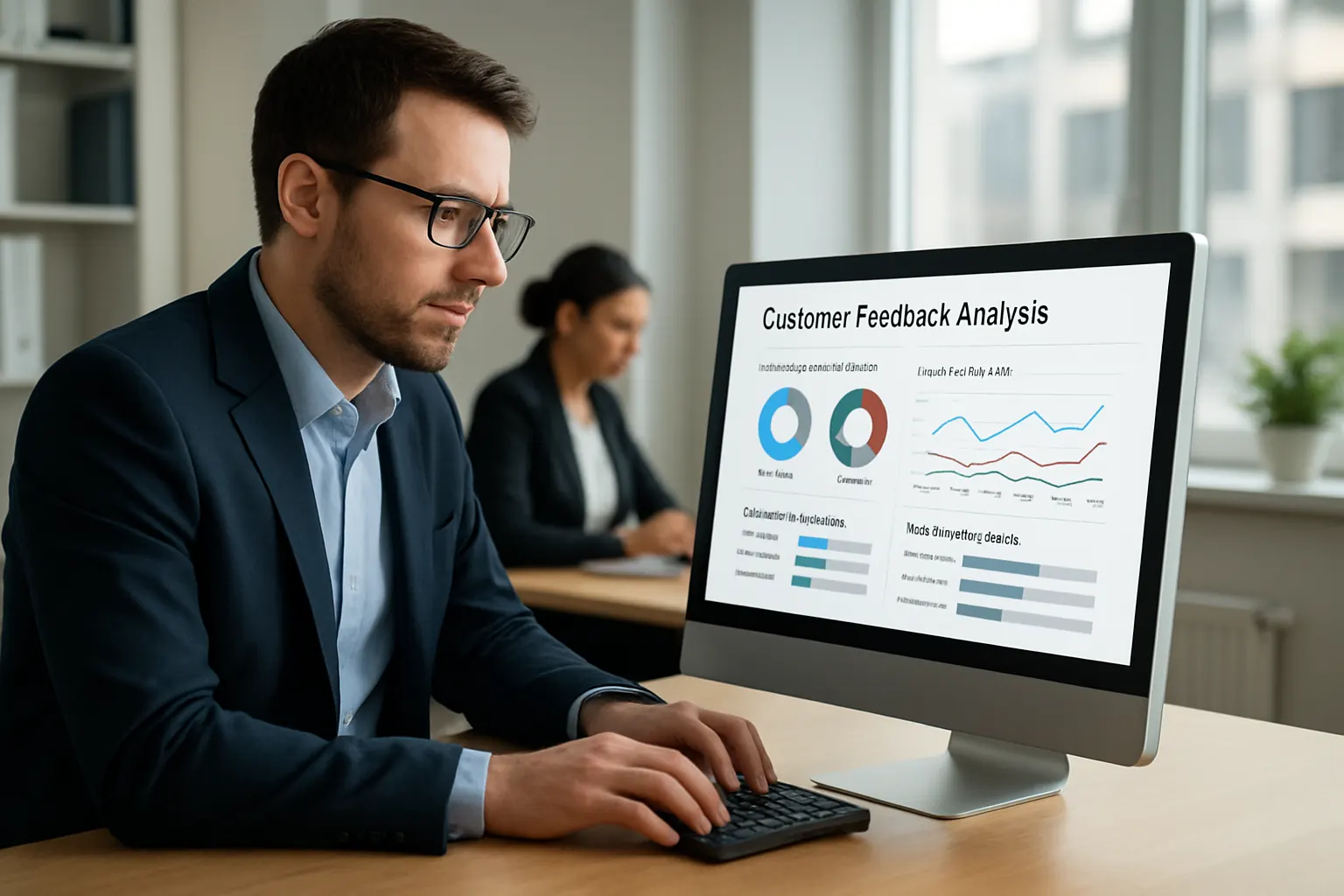
Natural Language Processing (NLP) tools can automatically analyse and categorise customer feedback, identifying sentiment trends, recurring complaints, and areas for service improvements.
Suggested Tools/System Pattern:
- AI-driven customer sentiment analysis platforms
- Integration with online review aggregators and survey tools
- Dashboard alerts for negative feedback spikes
Implementation Example:
A restaurant group implements NLP software that monitors TripAdvisor, Google Reviews, and post-meal surveys. The system highlights common issues such as slow service or menu preferences, sending weekly reports plus immediate alerts on negative spikes to management.
Risks/Controls:
- Respect customer privacy by anonymising feedback data
- Moderate AI flagging to prevent false positives or reputational damage
- Ensure transparency with customers about data usage and feedback handling
Automate Compliance and GDPR Records Management
The Daily Problem:
Manual tracking of compliance activities—food safety audits, hygiene checks, GDPR data requests—results in missed deadlines and audit failures.
The Automation/AI Approach:
Compliance management solutions trigger automated reminders, digital record-keeping, and audit trail creation for all regulatory activities.
Suggested Tools/System Pattern:
- Cloud compliance management platforms
- Automated checklist workflows with e-signatures
- Centralised document repositories with access controls
Implementation Example:
A restaurant chain deploys compliance software that schedules food safety inspections, sends alerts to responsible staff, and requires digital sign-off. GDPR data requests are logged and fulfilled automatically, with all records archived securely for audit purposes.
Risks/Controls:
- Use encryption and secure access to protect sensitive compliance documentation
- Set multi-level approvals to prevent unrecorded or unauthorised compliance sign-offs
- Regular audits of compliance data access and integrity maintained by internal team

90-Day Automation Rollout Plan for Hospitality Restaurants
Weeks 1–2: Assessment and Planning
- Conduct an operational audit to identify manual pain points and priority areas
- Map existing data flows and systems, noting integration gaps
- Define objectives for automation and select initial tools based on business size and tech maturity
- Communicate rollout plan and benefits with key stakeholders and teams
Weeks 3–6: Pilot Automation Processes
- Implement automation for one or two high-impact areas (e.g., stock tracking and scheduling) at a single site or segment
- Collect feedback and closely monitor operational impacts
- Train staff thoroughly on new systems and protocols
- Begin initial integration of POS and data sources for seamless workflows
Weeks 7–12: Expand and Refine
- Roll out automation solutions across multiple sites following early successes
- Integrate further systems such as menu engineering and compliance management
- Establish continuous monitoring and set KPIs for process improvements
- Document learnings and adjust controls to mitigate risks identified during pilot

Ready to Transform Your Restaurant Operations?
Manual spreadsheets and disconnected systems are a hidden drain on restaurant efficiency and profitability. Smart automation cuts errors, saves time, ensures compliance, and unlocks valuable insights — helping you run smoother, scale easier, and delight customers consistently.
At AIImplementation.uk, we specialise in helping UK hospitality businesses transition painlessly into AI-powered automation, tailored for your operations and compliance needs. Book a call or request a free digital audit today — and start transforming how your restaurant business works from the inside out.