Care homes and domiciliary care providers face relentless operational pressures every day. Care workers juggle demanding workloads, high staff turnover persists despite recent improvements, and compliance with Care Quality Commission (CQ...
What’s Breaking Daily in Care Homes and Domiciliary Care?
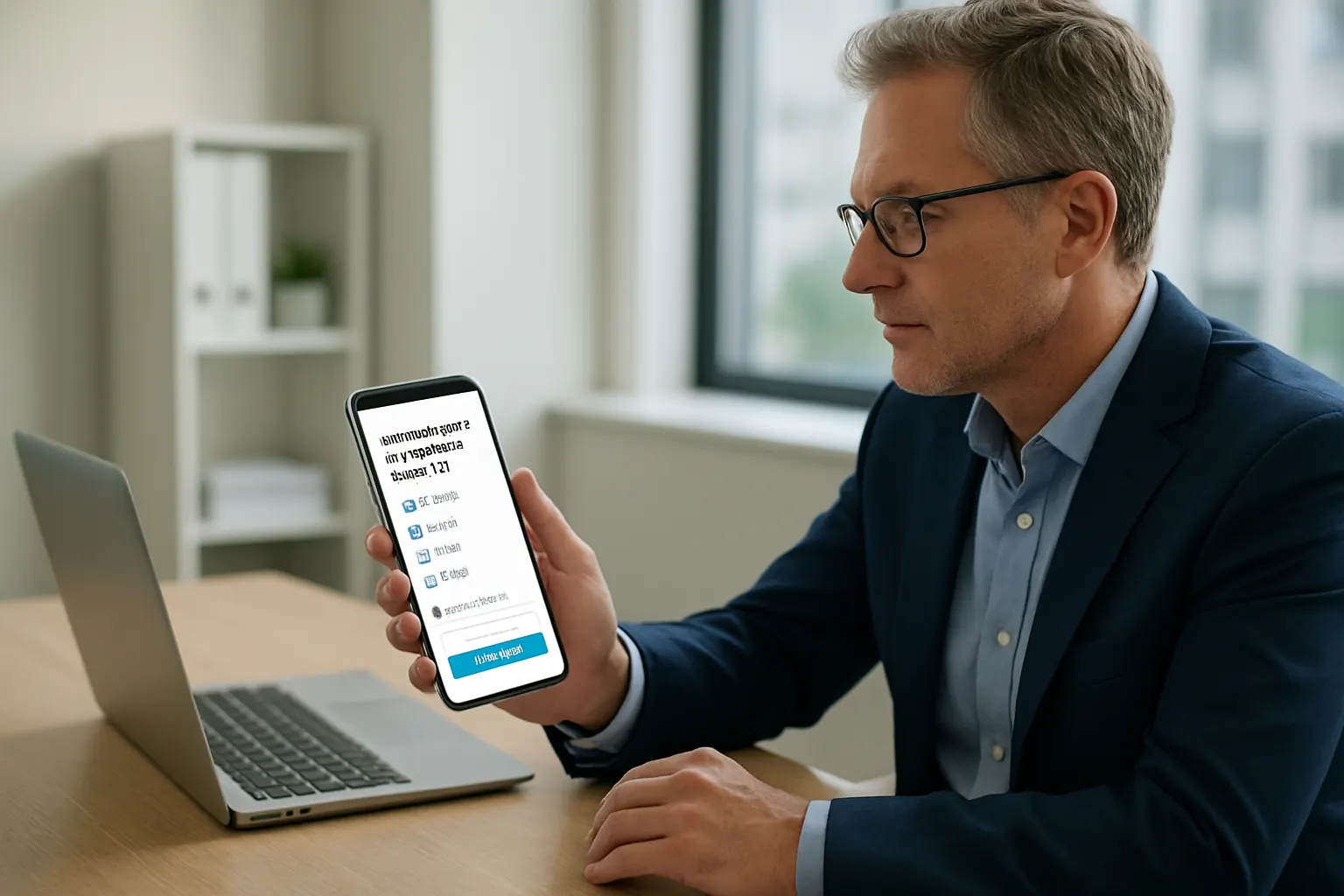
Care homes and domiciliary care providers face relentless operational pressures every day. Care workers juggle demanding workloads, high staff turnover persists despite recent improvements, and compliance with Care Quality Commission (CQC) standards remains non-negotiable. Yet, one critical pain point consistently disrupts smooth operations: administrative burden.
The excessive time dedicated to paperwork, manual data entry, and report compilation often diverts care workers’ attention away from residents and clients. Mistakes creep into records, delays in billing and funding processes cause cash flow issues, and critical information silos create risks for compliance inspections.
This operational friction contributes to poor staff morale and, worryingly, undermines business viability. Over a third of new care homes fail within five years, frequently citing inefficiencies and financial strain linked to administration as key factors.
Is there a simple, cost-effective way to relieve these burdens, improve accuracy, and free up staff time? Yes. Intelligent automation and AI-driven systems are reshaping care home and homecare admin, delivering measurable impact.

The Cost of Manual Work: Time, Errors, Compliance, Cashflow
Manual admin in care settings comes at a steep price:
- Time drain: Care staff spend up to 30-40% of their shifts on paperwork rather than direct care.
- Error-prone: Handwritten notes and duplicate entries introduce inaccuracies in records.
- Compliance risk: Late or incomplete reporting jeopardises CQC audits and funding reviews.
- Financial impact: Billing errors delay payments, reducing cash flow and financial stability.
- Staff morale: Frustrating admin tasks add to turnover and recruitment challenges.
The right automation approach can systematically address these issues, reducing overhead and enabling care teams to focus on what matters most – quality care delivery.
10 Ways to Automate Daily Admin and Cut Errors in Care Homes & Domiciliary Care
Each item below covers a common real-world problem, an automation or AI-based solution, recommended tools or system patterns, a practical implementation example, and important risks and controls.

Automating Care Plan Documentation
Problem: Care workers spend excessive time manually updating care plans and daily logs, increasing risk of incomplete or inaccurate information.
Automation Approach: Use digital care management platforms with AI-assisted voice-to-text and smart form templates that auto-fill repetitive content.
Tools / Pattern: Care management software (e.g., Nourish, Servelec), integrated voice recognition modules, rule-based auto-populate fields.
Example: Care staff use a tablet app that listens during visits, automatically transcribing observations into structured care notes, flagged for review before submission.
Risks/Controls: Ensure data encryption, user access controls, and audit trails for each edit. Gain explicit consent for voice recording. Supervisors approve final records before acceptance.

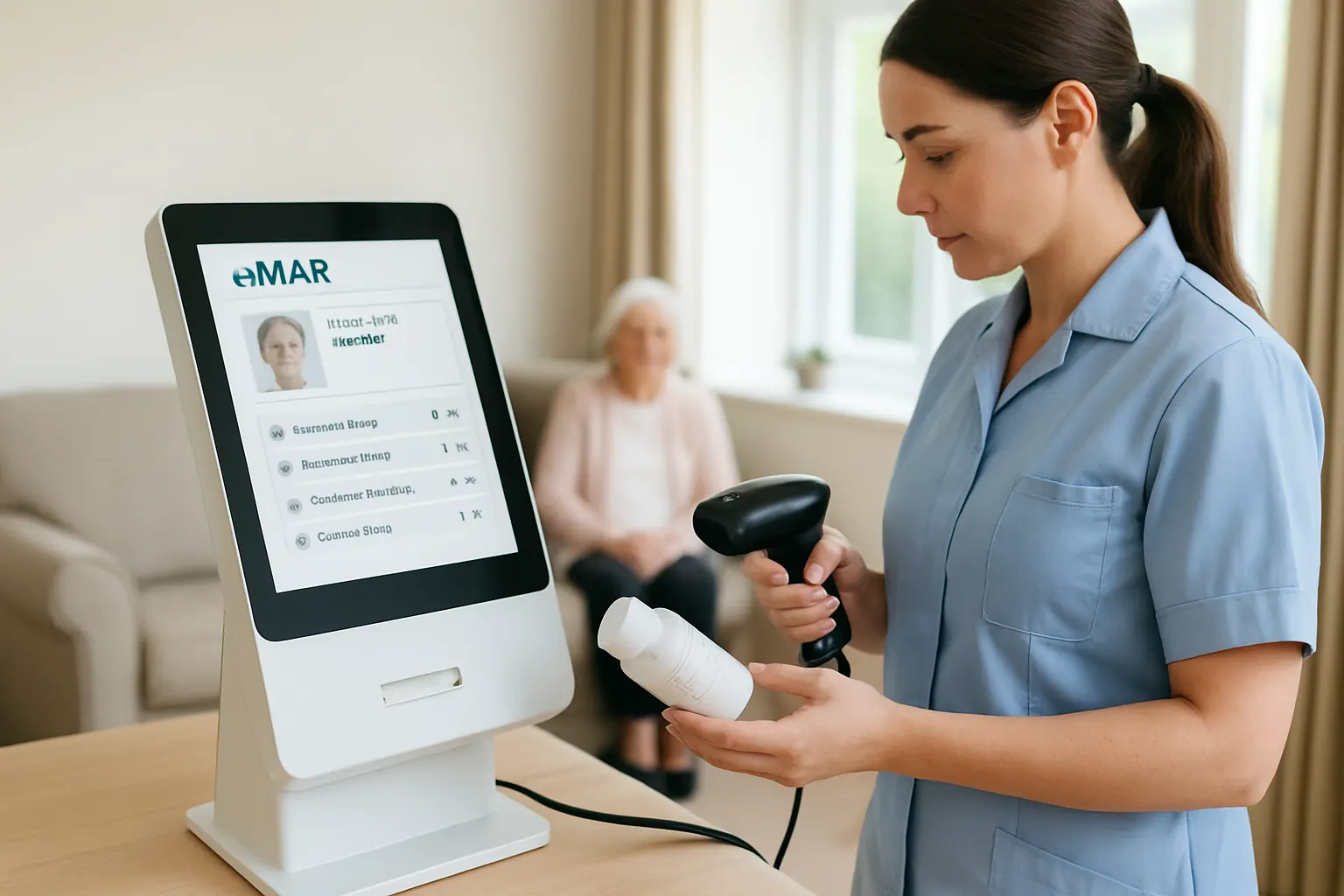
Streamlining Medication Administration Records (MAR)
Problem: Manual MAR charts are time-consuming and prone to missed doses or transcription errors.
Automation Approach: Deploy electronic MAR (eMAR) systems that scan medication barcodes and prompt reminders.
Tools / Pattern: eMAR kiosk or mobile app, barcode scanners integrated with pharmacy databases.
Example: Care workers scan resident wristbands and medications on rounds, with the app alerting if a dose is missed or timing is off.
Risks/Controls: Require two-factor authentication to confirm identity. Data stored under strict NHS or GDPR-compliant standards. Audit logs track every medication event.
Automating Staff Scheduling and Attendance Tracking
Problem: Complex shift patterns with last-minute changes lead to manual rota adjustments and under/over staffing.
Automation Approach: AI-driven rota optimisation linked to biometric attendance scanners or mobile check-ins.
Tools / Pattern: Workforce management platforms with AI forecasting (e.g., Deputy, Connecteam), biometric or geolocation attendance tools.
Example: The system analyses historical demand and staff preferences to propose optimal shift patterns, notifying workers automatically and logging actual start/finish times.
Risks/Controls: Protect employee privacy on location tracking. Allow manual overrides with audit trail. Secure login and multi-level approvals for schedules.

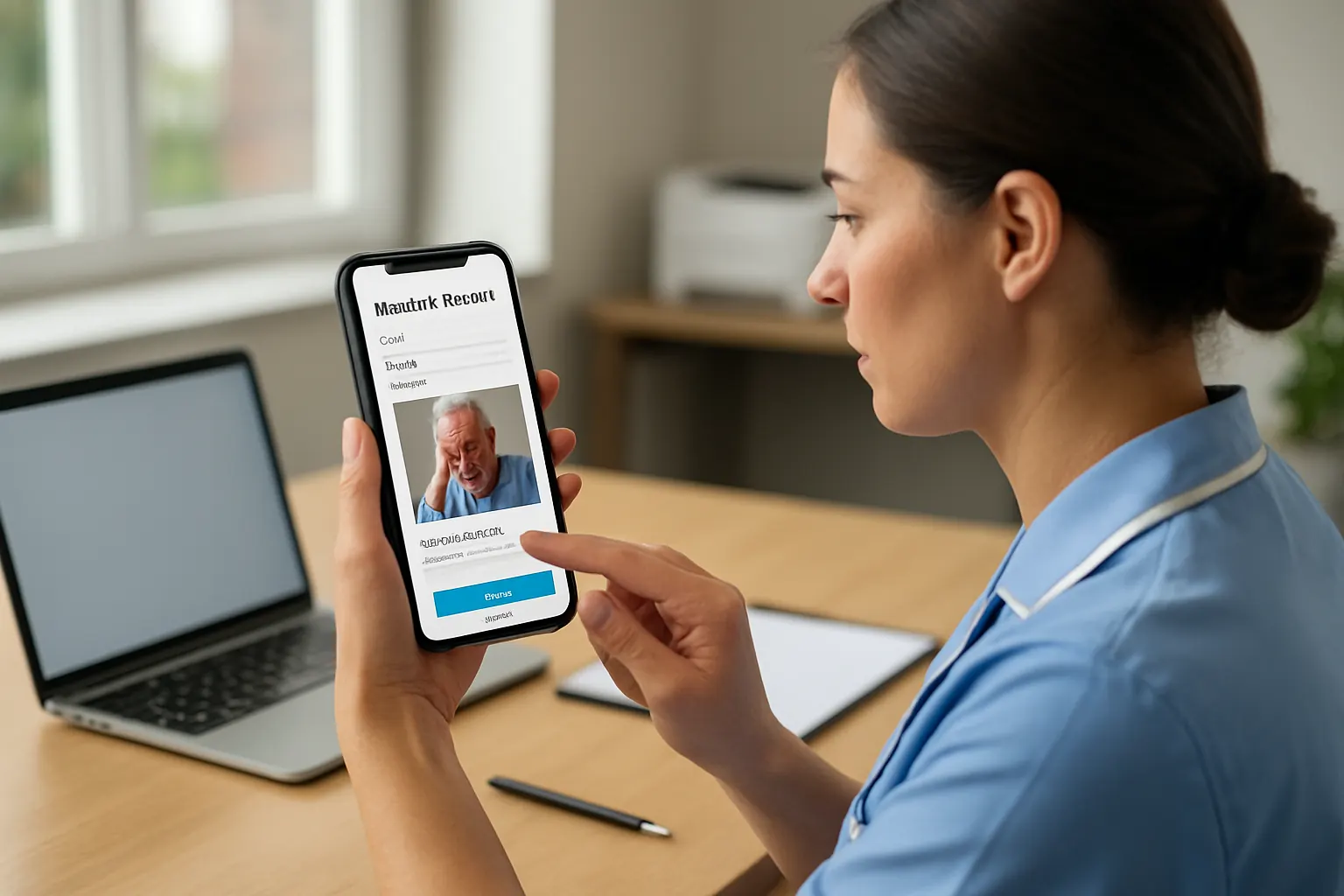
Digital Incident and Safeguarding Reporting
Problem: Incident reports are delayed or incomplete, lowering response effectiveness and compliance evidence.
Automation Approach: Mobile apps enable immediate incident capture with AI-assisted classification and priority scoring.
Tools / Pattern: Incident management systems with structured digital forms and AI text analysis engines.
Example: A care worker records an incident via phone app, including photo evidence; AI suggests incident severity and routes automatically to appropriate manager.
Risks/Controls: Secure data with end-to-end encryption. Limit report visibility based on roles. Maintain immutable timestamps and version history.
Billing and Payment Processing Automation
Problem: Manual billing often results in invoicing errors, delayed payments, and cash flow challenges.
Automation Approach: Integrate care activity logs with automated billing engines that generate and dispatch invoices and payment reminders.
Tools / Pattern: Invoicing and payments platforms integrated with care systems (e.g., QuickBooks, Xero plus API connectors).
Example: Weekly care hours captured via digital logs auto-populate invoices sent to local authorities or private clients, with overdue alerts triggered automatically.
Risks/Controls: GDPR compliance on financial data, transactional audit trails, user authentication, and reconciliation reports.

Automating Compliance and Audit Prep
Problem: Preparing CQC or local authority inspection reports manually is time-consuming and error-prone.
Automation Approach: Software dashboards aggregate care, staffing, and incident data to auto-generate compliance reports.
Tools / Pattern: Compliance management systems with AI summarisation (e.g., Civica, eCompliance).
Example: Before inspections, managers run a system report that compiles all relevant documentation and highlights gaps or upcoming deadlines.
Risks/Controls: Ensure data accuracy, restrict report generation to authorised users, keep detailed change histories for audit scrutiny.

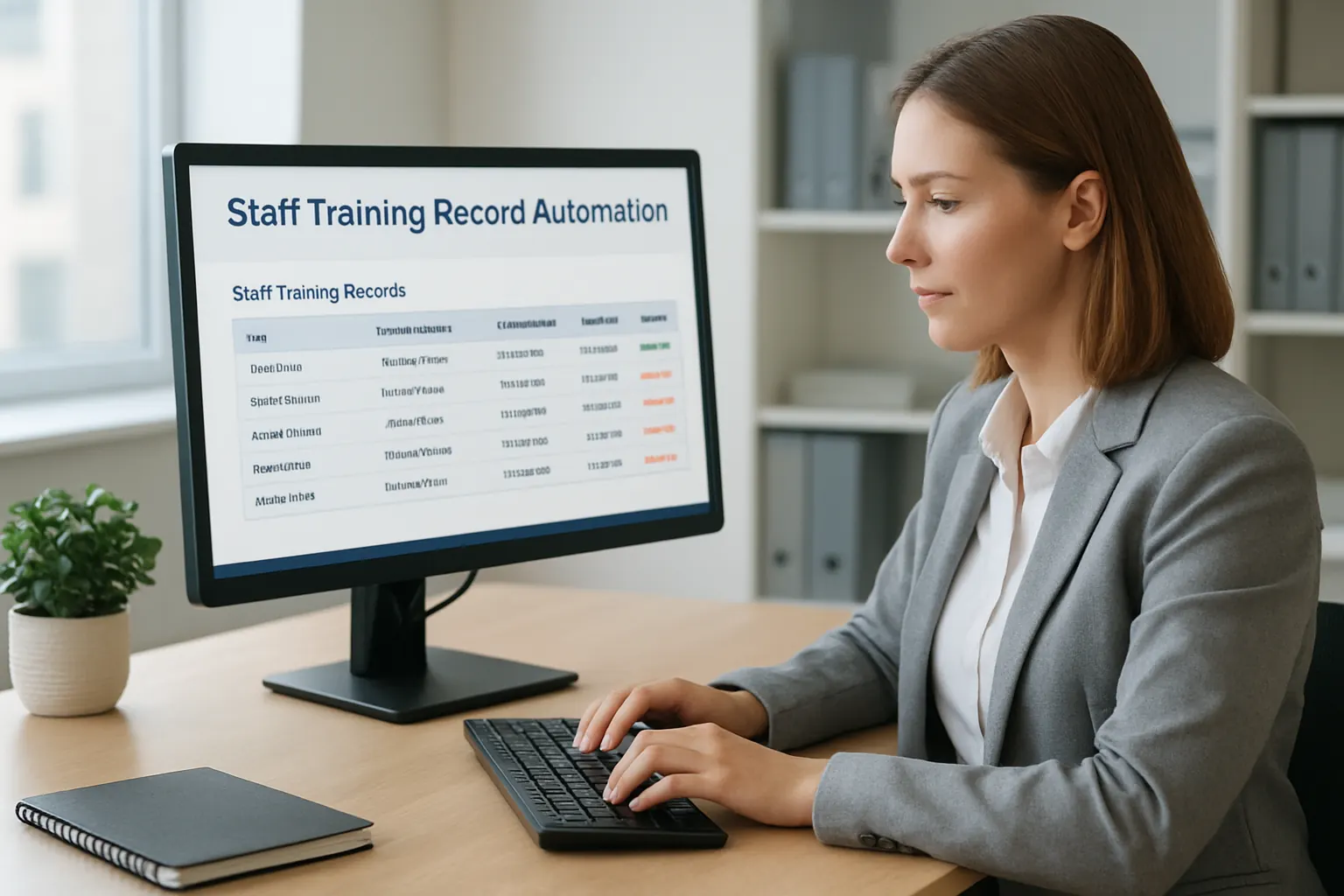
Staff Training Record Automation
Problem: Tracking mandatory training completions manually leads to missed renewals and compliance breaches.
Automation Approach: Learning management systems (LMS) automatically assign training, issue reminders, and track progress.
Tools / Pattern: LMS platforms integrated with HR systems (e.g., Totara, Moodle with custom plugins).
Example: The system flags staff needing safeguarding refreshers and enrols them in e-learning modules, generating reports for CQC review.
Risks/Controls: Secure staff data, control user enrolment, maintain immutable training history logs for auditing.
Automating Client Eligibility and Referral Tracking
Problem: Managing referrals and eligibility assessments across agencies involves duplicated data entry and slow processing.
Automation Approach: Use AI-powered CRM systems that integrate with local authority portals for real-time updates and eligibility checks.
Tools / Pattern: Care CRM with API links to council portals, AI bots for data validation and reminders.
Example: A new referral auto-populates forms and cross-checks eligibility criteria, alerting caseworkers if additional documents are needed.
Risks/Controls: Follow data-sharing agreements, protect PII, and confirm manual review for sensitive decisions.

Automating Equipment and Supplies Inventory
Problem: Manual stock checking causes overordering or shortages, disrupting care delivery.
Automation Approach: IoT-based inventory systems that monitor supply levels and automatically reorder essentials.
Tools / Pattern: Smart inventory platforms with barcode or RFID scanning and supplier API integrations.
Example: Sensors track usage of incontinence pads; when stock drops below threshold, system auto-orders replenishment.
Risks/Controls: Access control on procurement functions, audit logs for orders placed/received, supply chain data encrypted.

Automating Resident/Client Feedback Collection
Problem: Feedback collection is inconsistent and paper-based, limiting insights into service quality.
Automation Approach: Digital survey tools, combined with natural language processing (NLP) to analyse satisfaction in real-time.
Tools / Pattern: Mobile survey apps, customer experience platforms with sentiment analysis.
Example: After each home visit, clients or family receive a quick digital questionnaire; AI flags urgent issues for immediate follow-up.
Risks/Controls: Anonymise data where appropriate, obtain consent, store feedback securely, and limit access to authorised quality managers.
90-Day Rollout Plan for Automation in Care Settings
Implementing these automation solutions requires a structured plan focused on incremental adoption:
Weeks 1–2: Assessment and Prioritisation
- Conduct a detailed admin process audit identifying biggest pain points.
- Engage care staff and managers to gather input on automation needs.
- Prioritise top 2-3 automation opportunities based on impact and feasibility.
- Define success metrics (time saved, error reduction, compliance improvement).
Weeks 3–6: Pilot Implementation
- Select appropriate SaaS tools or develop simple custom integrations.
- Train a small group of frontline staff on new systems.
- Run pilots in a limited number of units or with a select client group.
- Collect user feedback and track performance against metrics.
- Iterate to resolve technical or process issues.
Weeks 7–12: Scale and Embed
- Roll out solutions across the entire organisation.
- Provide comprehensive training including refresher sessions.
- Formalise governance policies for data security, approvals, and audit trails.
- Monitor KPIs regularly, report outcomes to senior management.
- Establish ongoing support channels and continuous improvement cycles.
Conclusion and Call to Action
The future of care home and domiciliary care administration lies in smart automation. By systematically reducing manual tasks and error-prone workflows, providers can improve compliance, enhance staff satisfaction, and stabilise cash flow — all critical to operational success and sustainability.
AIImplementation.uk specialises in assessing care providers’ current processes and advising on pragmatic, cost-effective AI and automation solutions tailored to the UK care sector’s unique challenges.
Ready to transform your care admin? Book a call with AIImplementation.uk today for your free admin audit and roadmap to automation success.
This article supports UK care providers facing administrative challenges by highlighting actionable AI implementations that improve efficiency and compliance while cutting errors—helping sustain quality care services long-term.