
Hospitality restaurants today are grappling with operational complexities far beyond just cooking and serving food. Behind the scenes, outdated manual processes are causing frequent breakdowns—inventory errors, lost sales, scheduling cha...
What’s Breaking Daily in Hospitality Restaurants
Hospitality restaurants today are grappling with operational complexities far beyond just cooking and serving food. Behind the scenes, outdated manual processes are causing frequent breakdowns—inventory errors, lost sales, scheduling chaos, regulatory non-compliance, and mounting administrative overhead. Many restaurants still rely on spreadsheets or disconnected legacy systems that fail to scale, integrate or keep pace with customer expectations and regulatory demands. The result? Inefficiency, errors, and lost revenue creeping into daily operations that could be avoided.

The True Cost of Manual Work in Restaurants
The reliance on manual, spreadsheet-based workflows is more than a nuisance. It is a costly business drag, eaten away by:
- Time wastage: Staff spend hours entering and reconciling data instead of focusing on service improvement.
- Human errors: Data entry errors in stock counts, orders, staff hours, or sales figures cause financial leakage.
- Compliance risk: GDPR and food safety regulations require rigorous data handling—impossible to achieve with siloed manual systems.
- Reduced cashflow visibility: Late or inaccurate financial data delays decision-making.
- Scaling barriers: Multi-site operations struggle with inconsistent reporting and control.
Automation isn’t a luxury—it’s a necessity to drive profitability and sustainable growth.

10 Ways to Automate Restaurant Admin and Cut Errors
Each item below follows a clear pattern: the daily real-world pain, how automation fixes it, tool or approach suggestions, implementation example, and risks with mitigation.

Automate Inventory Management and Ordering
Problem:
Manual inventory counts and spreadsheet-based ordering result in stockouts or overstocking, causing waste and lost sales.
Automation approach:
Implement integrated inventory management that syncs with POS in real time. This approach tracks actual ingredient usage, automates reorder points, and reduces waste.
Suggested tools:
Inventory management systems with POS integration (e.g., Epos Now, MarketMan); cloud-based stock platforms.
Example:
Sensors or RFID tags track stock levels; system alerts managers below threshold; automatic reorder sent to suppliers.
Risks / Controls:
Ensure data accuracy via regular audits; set user permissions to control order approvals; GDPR compliance when supplier data is handled; maintain audit logs for stock adjustments.

Streamline Staff Scheduling and Timekeeping
Problem:
Manual scheduling leads to over- or under-staffing, employee dissatisfaction, and payroll errors.
Automation approach:
Use AI-driven scheduling tools that factor in sales forecasts, staff availability, and labour laws to optimise rosters.
Suggested tools:
Deputy, RotaCloud, or bespoke scheduling AI modules.
Example:
System suggests shifts weekly based on historical customer traffic patterns. Staff confirm availability through an app, reducing manual swaps.
Risks / Controls:
Protect employee personal data per GDPR; require manager approval workflows for schedule changes; time-stamped audit trail of shift edits.

Integrate Sales Data with Financial Reporting
Problem:
Manual consolidation of sales data from multiple outlets into spreadsheets causes delays and errors in financial reporting.
Automation approach:
Automate sales data capture directly from POS into accounting software to generate real-time financial statements.
Suggested tools:
POS systems integrated with accounting packages like Xero or QuickBooks.
Example:
Daily sales automatically post to revenue accounts; variance reports highlight discrepancies overnight.
Risks / Controls:
Ensure secure data transfer with encryption; implement role-based access controls; maintain audit logs.

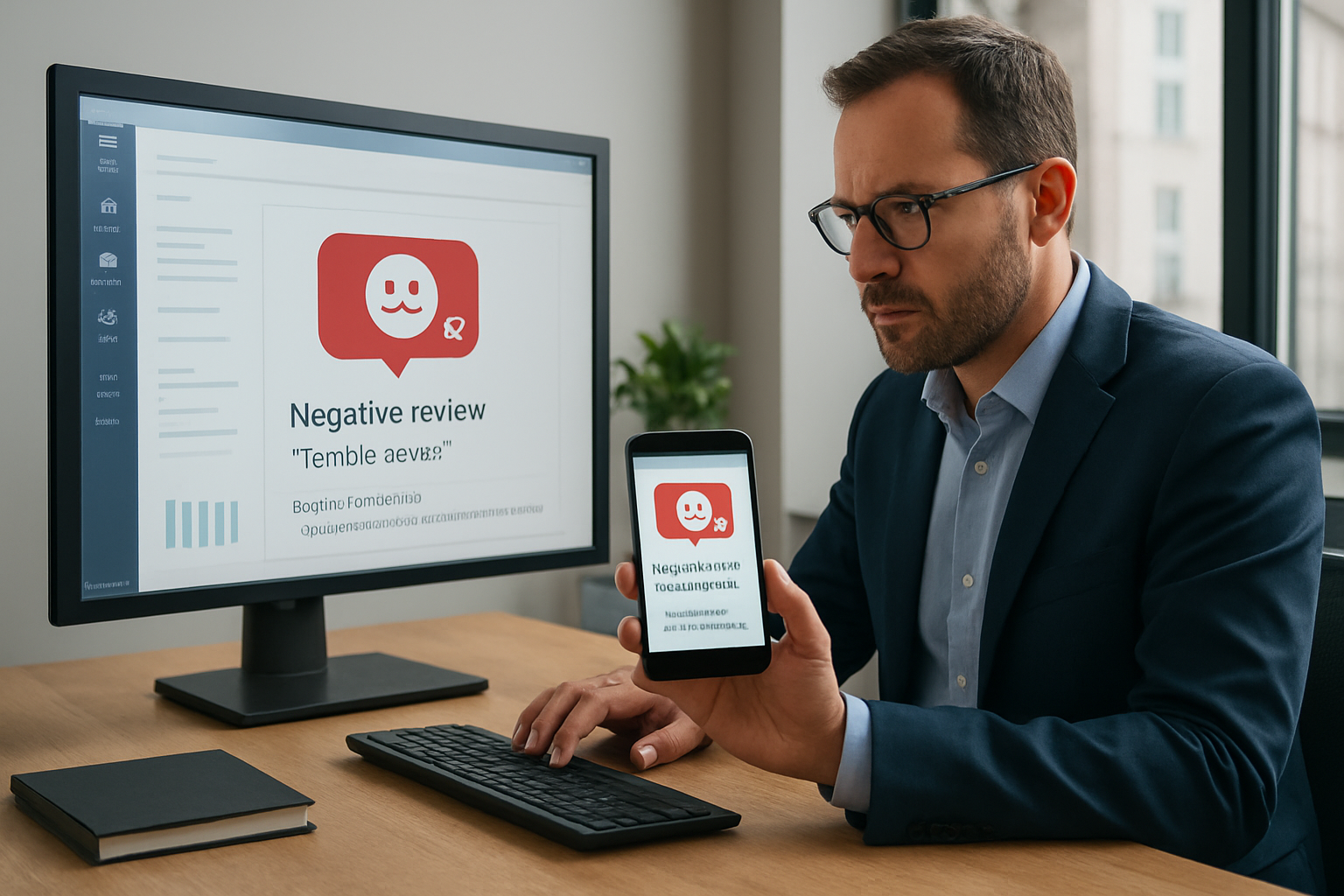
Automate Customer Feedback and Review Monitoring
Problem:
Manual review tracking scattered across platforms prevents timely response and service recovery.
Automation approach:
Deploy AI-powered sentiment analysis tools aggregating customer reviews and social mentions, alerting managers to negative feedback instantly.
Suggested tools:
Reputation.com, Trustpilot integrations, or custom sentiment AI dashboards.
Example:
Negative review triggers notification to restaurant manager with a suggested response within 30 minutes.
Risks / Controls:
Sensitive customer data must be anonymised if stored; approval workflows for public replies; logging for compliance and quality assurance.
Optimize Menu Engineering with Data Insights
Problem:
Decisions on menu changes rely on guesswork or incomplete sales data, risking profitability.
Automation approach:
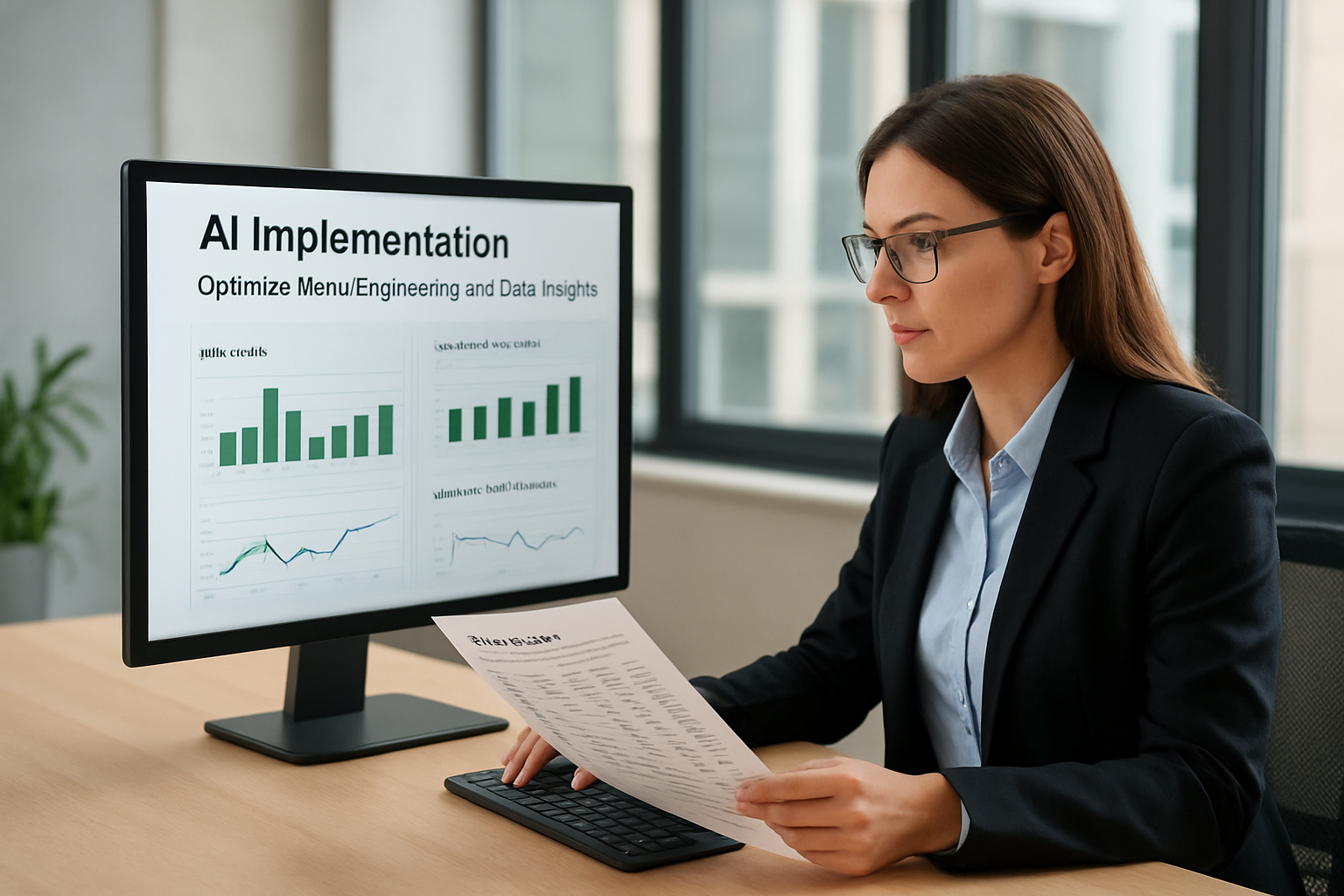
Leverage AI analytics to identify high-margin items, low performers, and seasonal trends, enabling data-backed menu optimisation.
Suggested tools:
BI tools like Tableau combined with POS sales data, or specialised restaurant analytics platforms.
Example:
Weekly report showing item sales, contribution margin, and predicted stock demand guides menu tweaks.
Risks / Controls:
Secure financial data; restrict access to sensitive pricing info; maintain audit trail of menu changes.
Automate Compliance and Hygiene Documentation
Problem:
Manual checklists for food safety, cleaning records, and staff certifications result in missed tasks and compliance gaps.
Automation approach:
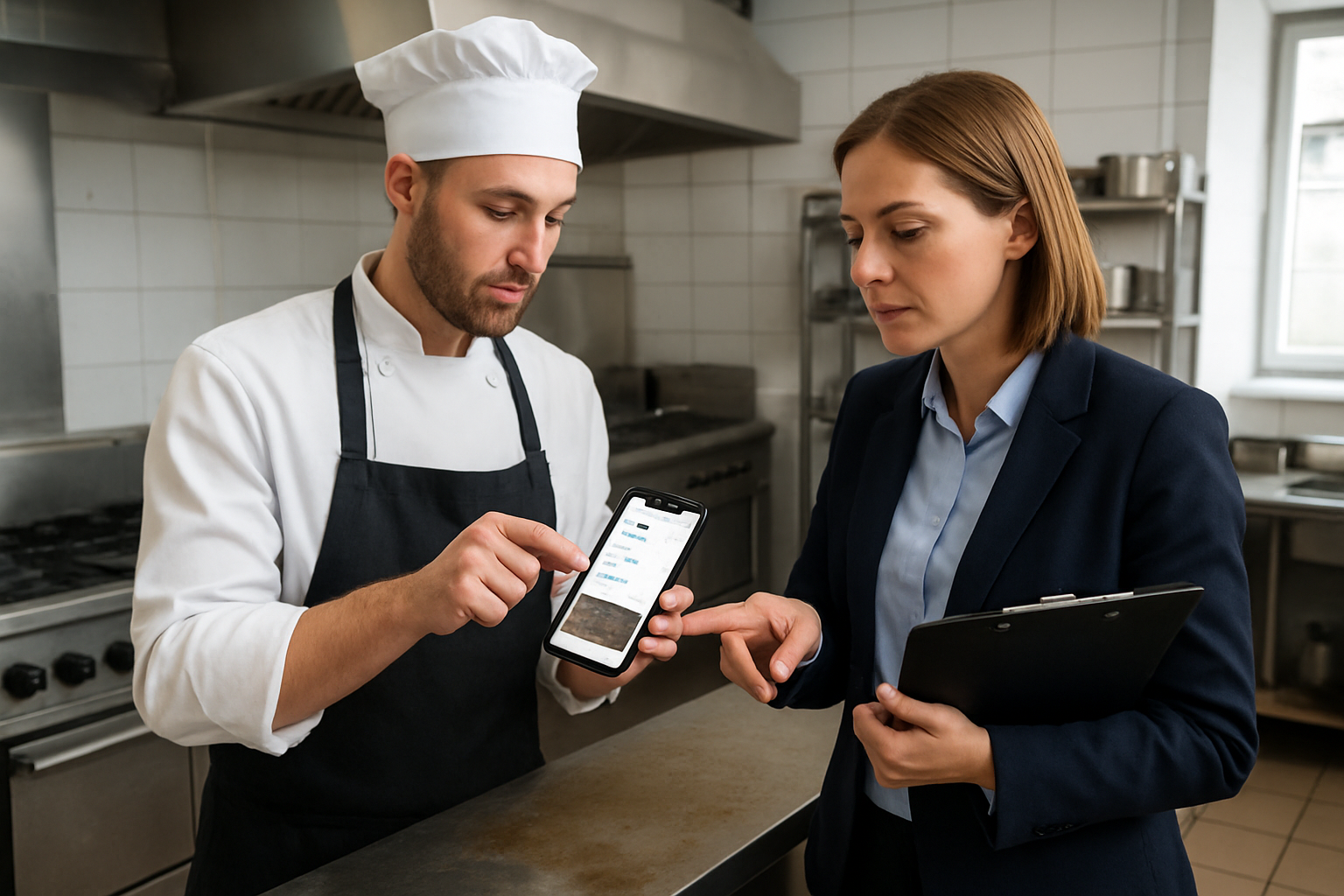
Digital compliance platforms automate task scheduling, completion capture (via mobile), and alert for overdue checks.
Suggested tools:
Platforms like Safefood 360, iAuditor; mobile apps for real-time checklists.
Example:
Kitchen staff complete daily hygiene check via app with photo evidence; manager receives automated summary report.
Risks / Controls:
Data stored in compliance with GDPR; role-based access for editing tasks; chronological audit logs for inspections.
Automate Payroll and Expense Processing
Problem:
Manual payroll calculations are error prone, especially with variable shifts, tips, and overtime.
Automation approach:
Integrate POS, scheduling and payroll systems to automate wage calculations, tax deductions, and benefits.
Suggested tools:
Cloud payroll software integrated with timesheet systems (e.g., Sage, BambooHR).
Example:
System records clock-ins, calculates pay and tax, automatically generates payslips and submits payroll.
Risks / Controls:
Secure personal banking data; require multi-factor approval for payroll runs; retain digital payslips for auditing.

Implement Automated Purchasing and Supplier Management
Problem:
Manual purchase order processing leads to delayed deliveries or duplicated orders.
Automation approach:
Use purchasing software with supplier portals for automated POs and delivery tracking.
Suggested tools:
Procurement platforms like Procurify or Coupa with supplier integrations.
Example:
Low stock triggers automated PO; supplier confirms order and delivery schedule within platform; alerts for discrepancies.
Risks / Controls:
Control user permissions for PO approval; GDPR compliance on supplier data; audit trail of order lifecycle.

Use AI for Demand Forecasting and Labour Planning
Problem:
Inaccurate demand forecasting causes inefficient labour utilisation and food preparation.
Automation approach:
AI models analyse historical sales, weather, events, and local factors to predict demand, enabling smarter labour and prep schedules.
Suggested tools:
Data science platforms combined with CRM and POS data; tailored AI forecasting solutions.
Example:
AI predicts 20% increase in Saturday evening covers; scheduling software adjusts hours and prep orders accordingly.
Risks / Controls:
Data privacy controls on customer sales data; human override capacity with approval checkpoints; forecast adjustments logged.

Automate GDPR Compliance and Customer Data Management
Problem:
Regulatory obligations around data privacy require tracking customer consent and data access.
Automation approach:
Implement consent management platforms that automate recording and updating customer permissions and requests (e.g., data erasure).
Suggested tools:
OneTrust, TrustArc, or bespoke CRM privacy modules.
Example:
Customer signs up for loyalty; system records explicit consent; automated expiry reminders sent; data deletion requests handled digitally.
Risks / Controls:
Strict access controls; encrypted storage; detailed audit logs for compliance inspections.

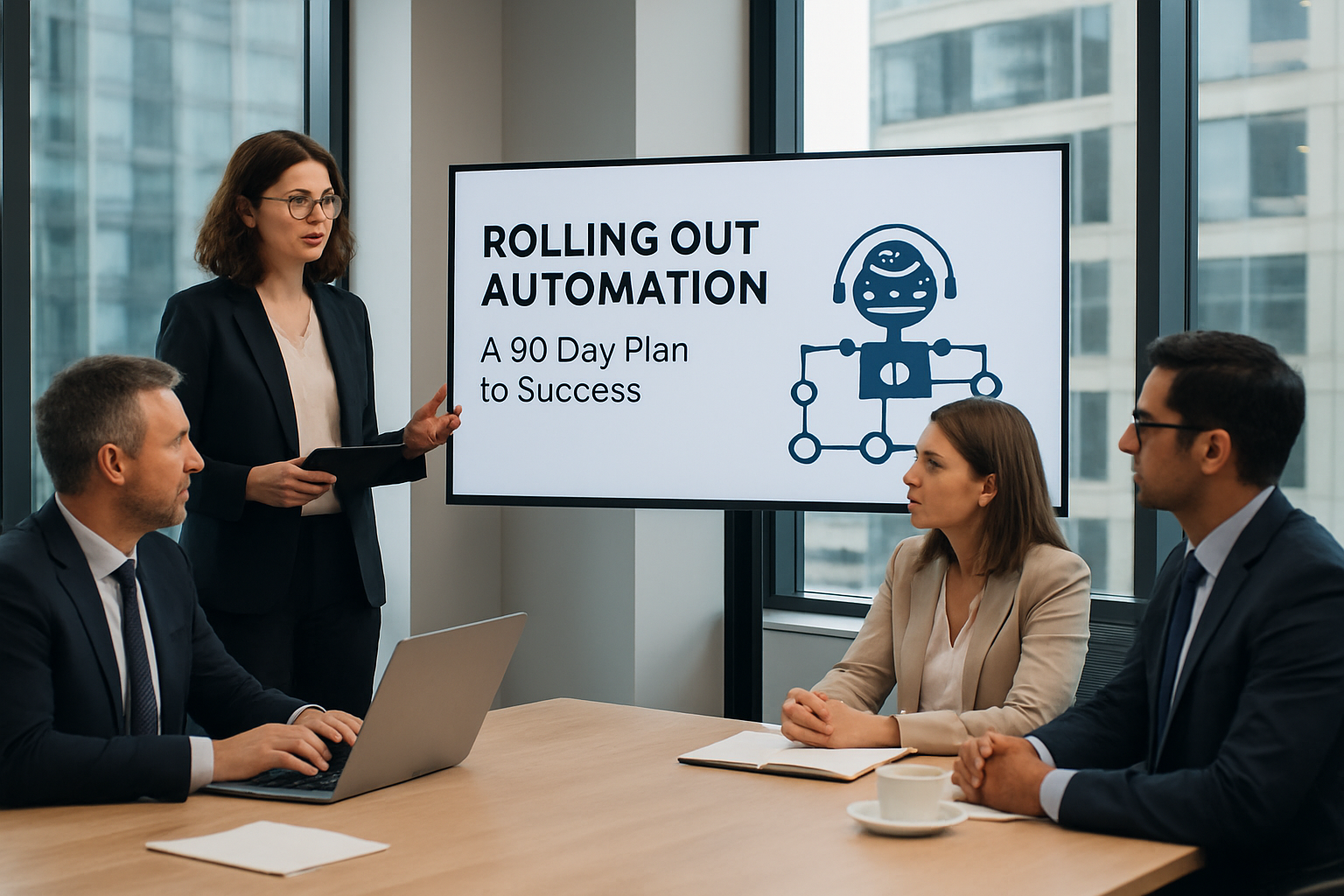
Rolling Out Automation: A 90-Day Plan to Success
A phased approach ensures manageable change and measurable results without overwhelming staff.
Weeks 1 – 2: Assessment & Foundation
- Conduct a detailed audit of current manual processes.
- Prioritise pain points based on cost and error impact.
- Select pilot automation tools focused on inventory and scheduling.
- Communicate plans and benefits to all staff to encourage buy-in.

Weeks 3 – 6: Pilot & Training
- Deploy pilot automation in one or two outlets.
- Provide hands-on training for staff.
- Monitor performance and collect user feedback.
- Establish control procedures and audit trails for data governance.

Weeks 7 – 12: Scale & Optimise
- Roll out successful pilots across all sites.
- Integrate additional automated functions (payroll, purchasing).
- Implement continuous monitoring dashboards.
- Conduct compliance audits and risk reviews.
- Plan for regular updates and iterative improvements based on data.

Next Steps: Book a Consultation with AIImplementation.uk
Cutting out manual admin errors and inefficiencies can transform your restaurant’s profitability and compliance posture. At AIImplementation.uk, we specialise in helping UK hospitality businesses identify the right automation strategy tailored to your specific needs and scale.
Book a free 30-minute consultation or digital audit today to discover where automation can immediately reduce workload, save money, and improve accuracy in your operation. Move beyond spreadsheets, integrate your systems, and empower your team to focus on what matters most—delivering exceptional dining experiences.
Visit [AIImplementation.uk/contact] or call us on 020 7946 1234 to get started.
Embracing automation is critical to staying competitive in the UK hospitality sector. Start small, think integration, and secure your business for the future.